Born in London
Son of Admiral William Penn. Raised for a public career; he later gave that path up for the Friends.
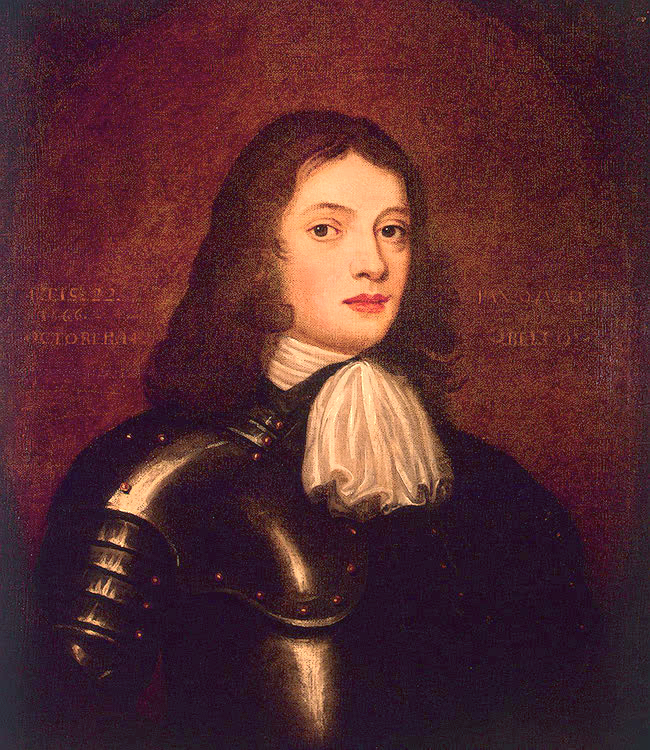
Founder of Pennsylvania, Advocate for Religious Liberty
“Christ's Cross is Christ's way to Christ's Crown.” — William Penn
William Penn (1644–1718) was an English Friend — a Quaker — and the founder of Pennsylvania. Search asks who he was, who founded the colony, whether he was a Quaker, and what he did. This page answers those from his own books, not from a later encyclopedia article. The three modernized editions are No Cross, No Crown, A Brief Account of the Rise and Progress of the People Called Quakers, and Some Fruits of Solitude.
He was born in London in 1644, the son of Admiral William Penn, and died in England in 1718. He joined the people called Quakers in 1667. He wrote as a prisoner, as an advocate of Friends, and as a man in later seclusion. He founded Pennsylvania under a charter from Charles II in 1681 and arrived in the colony in 1682.
That is the whole outline this site will stand on. What follows is what Penn wrote, in the books you can read here.
William Penn did. The charter is 1681; he arrived in 1682. He meant the colony as a place of religious liberty for Friends and other dissenters — the civil work that sits beside the three books, not a substitute for them. The history essay is The Founding of Pennsylvania.
This page will not narrate treaties, acreage, or later statesmen’s compliments. Those belong to other books. Here the founder is the same man who wrote from the Tower and from solitude.
Yes. Friends called themselves the people called Quakers; Penn wrote as one of them. He was convinced at Cork in 1667 after hearing Thomas Loe. He was imprisoned for that faith. In 1694 he introduced Fox’s Journal with a short history of the movement, and closed it by sending the reader inward:
Turn in, turn in, I beseech you: where is the poison, there is the antidote. There you want Christ, and there you must find him.
— A Brief Account of the Rise and Progress of the People Called Quakers (1694)
That is Penn the Friend, in his own sentence. The same inward turn is the doctrine of No Cross, No Crown: not a name to wear, but a life to live.
He wrote. He suffered imprisonment. He argued for liberty of conscience. He founded Pennsylvania.
The writing this site actually holds is three books:
He also wrote other tracts — The Sandy Foundation Shaken, The Great Case of Liberty of Conscience — which are not yet Friends Illuminated editions. They are named here so the three live books are not mistaken for his whole shelf.
The search terms lead here. The books are the destination.
Public-domain originals are free elsewhere. These are paid modernized editions — complete, unabridged, spelling and syntax updated, meaning not rewritten.
Son of Admiral William Penn. Raised for a public career; he later gave that path up for the Friends.
In Ireland, Penn heard Thomas Loe preach and joined the people called Quakers. He was imprisoned for attending Friends' meetings.
Imprisoned in the Tower after The Sandy Foundation Shaken. There he wrote No Cross, No Crown.
His argument that there is no crown without the daily cross — written in confinement in 1668, published as the book Friends still read.
Arrested with William Mead for preaching after being locked out of the meeting house. The jury would not convict.
Charles II granted Penn the charter for Pennsylvania. He founded the colony as a place of religious liberty.
Penn sailed to the colony and began the government of Pennsylvania.
Published (at first anonymously) the maxims written in his years of seclusion after 1688. More Fruits followed in 1702.
His brief account of the people called Quakers, written as a preface to George Fox's Journal.
Penn died in England at 73. The colony he founded, and the three books on this site, are what this page is for.
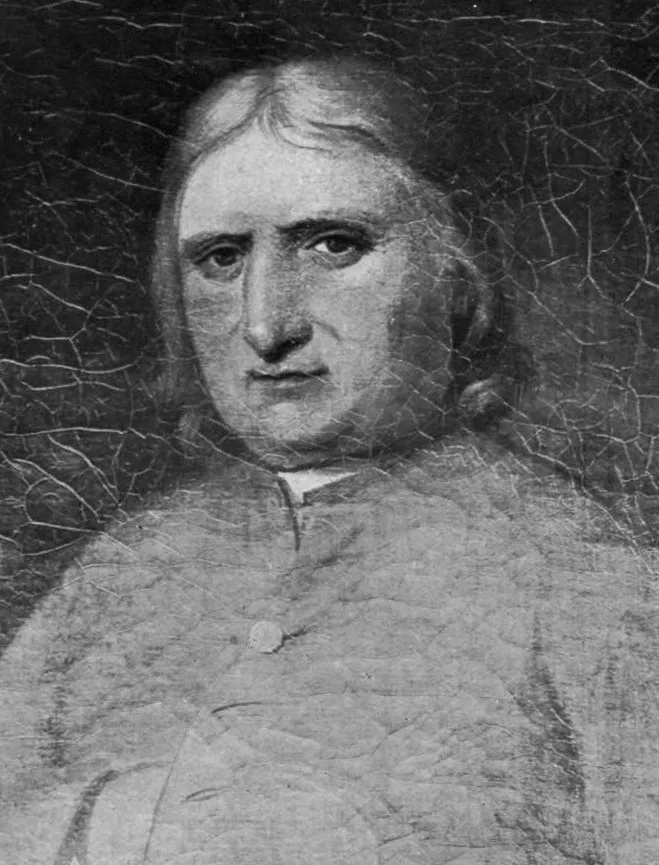
Founder of the people called Quakers. Penn's Rise and Progress was written as a preface to Fox's Journal.
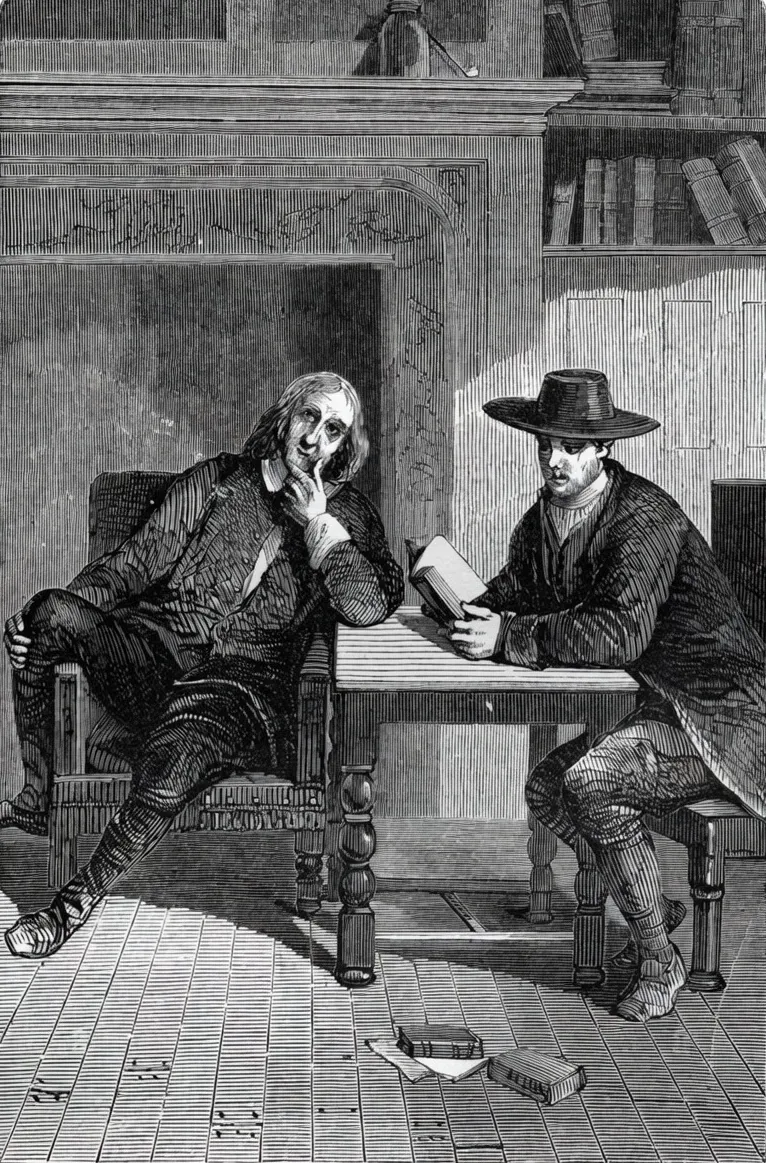
Neighbor at Chalfont who transcribed No Cross, No Crown while Penn was imprisoned.
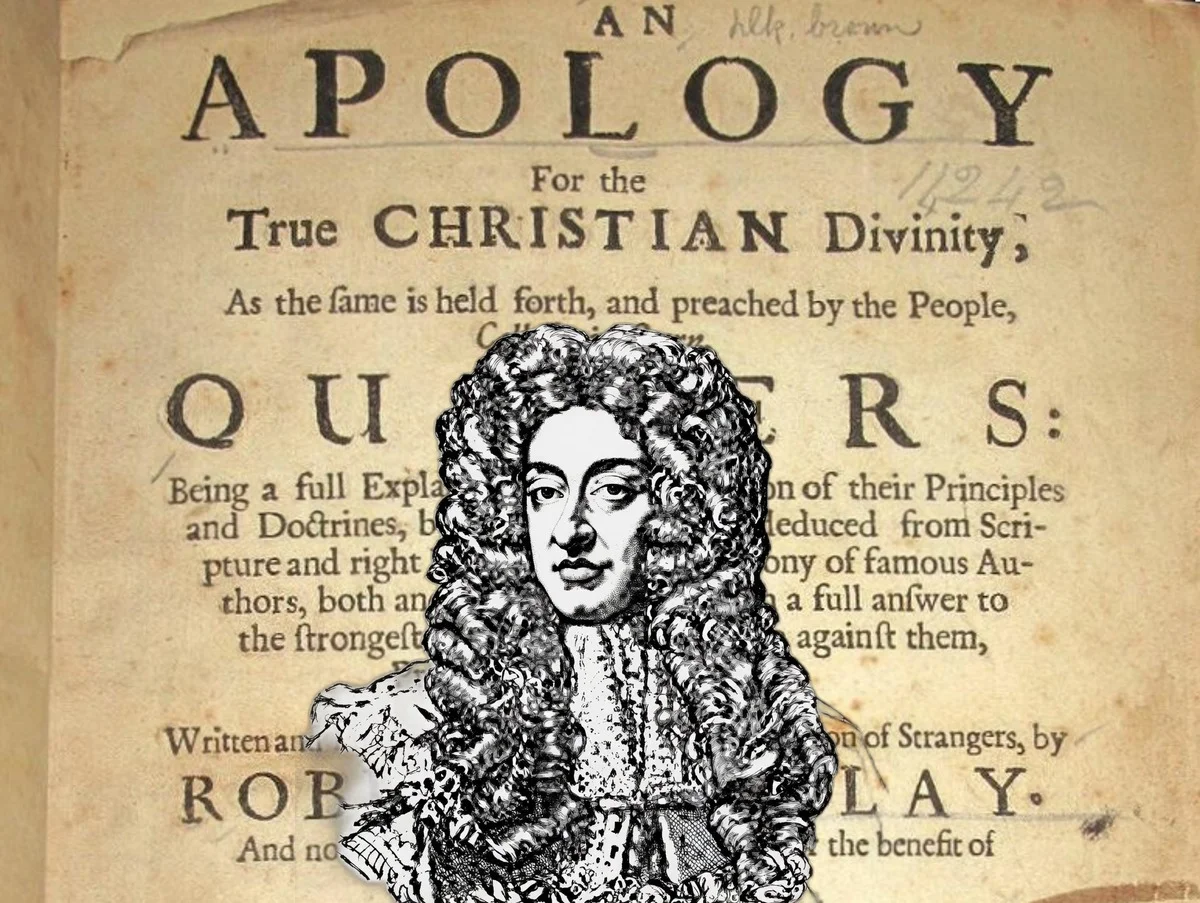
Scottish Friend whose Apology is the systematic statement of the doctrine Penn preached and practiced.
The Friend whose preaching at Cork in 1667 convinced Penn.
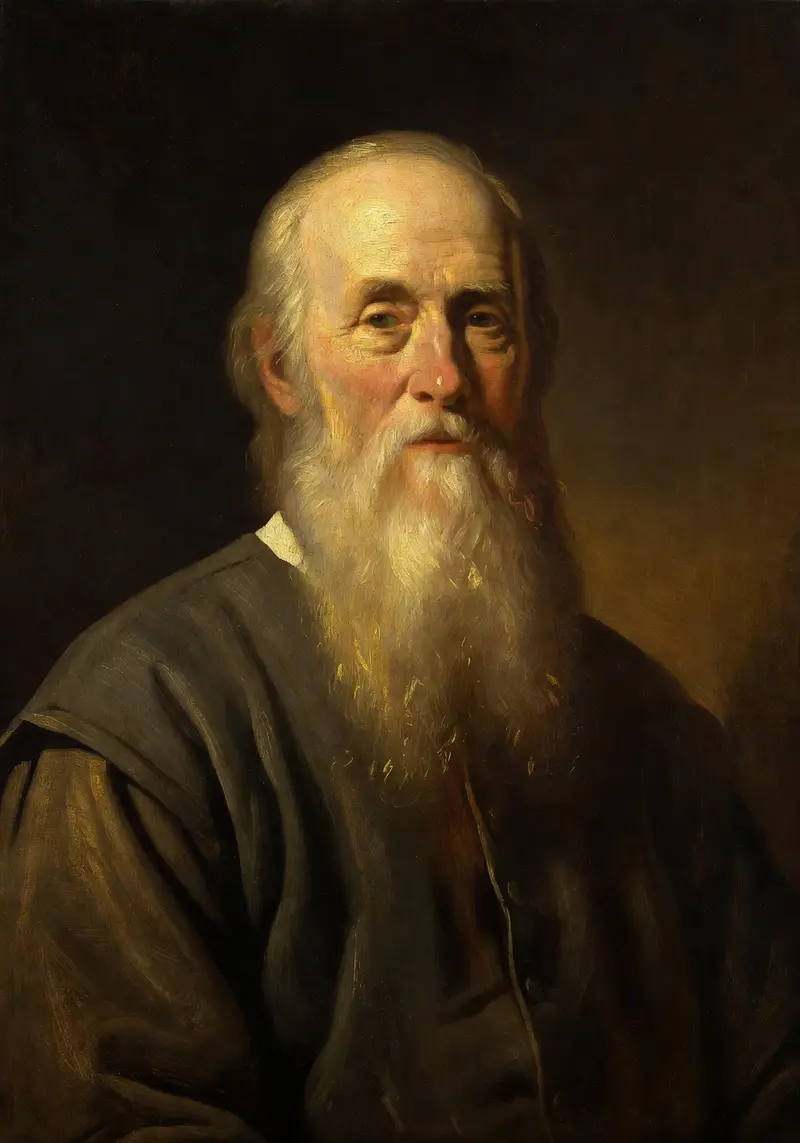
Worked alongside Penn for legal toleration of Friends.
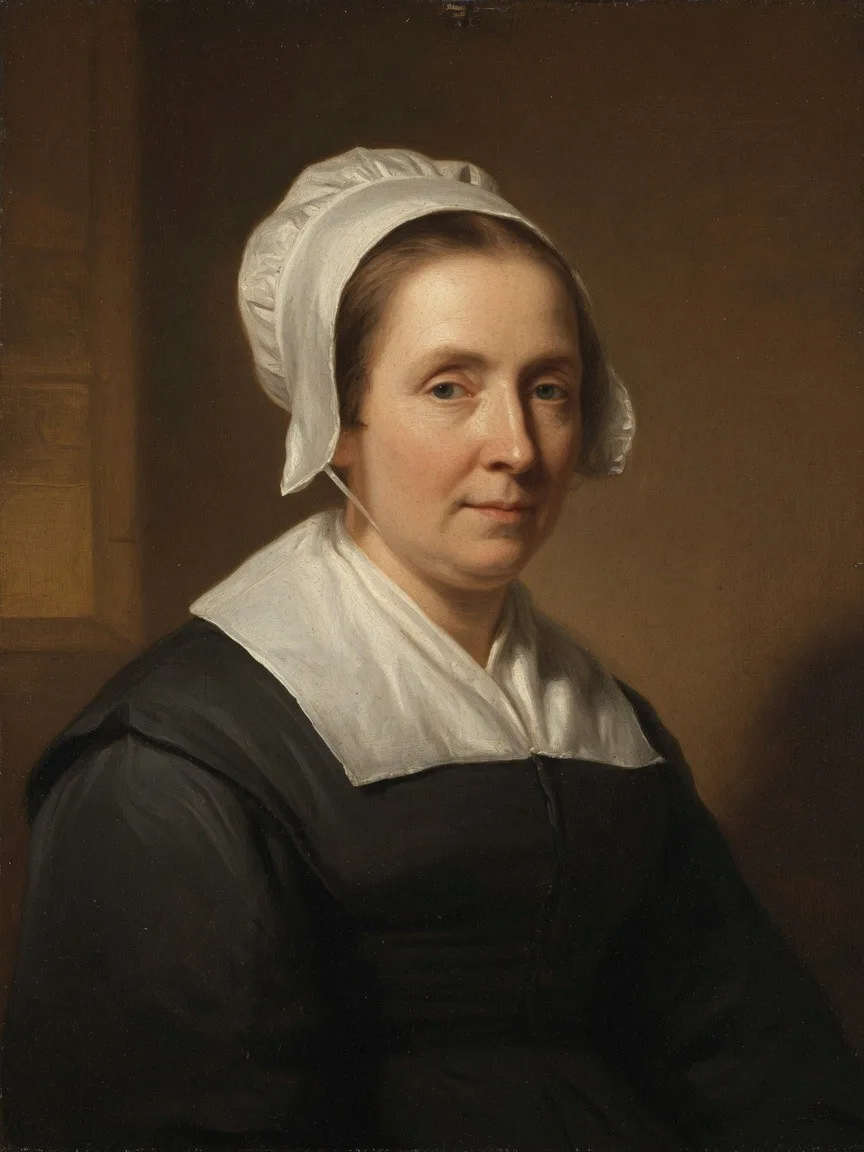
Early organizer of Friends; Penn's public work ran in the same movement she held together from Swarthmore.
Written in the Tower of London in 1668. Penn's argument that Christ's cross is Christ's way to Christ's crown — the daily cross of self-denial, not mere assent to doctrine.
Penn's 1694 account of Friends, written as a preface to George Fox's Journal — doctrine, worship, ministry, and the cry to turn in.
The 1693 maxims, with More Fruits of 1702 — 855 reflections written in seclusion after 1688, on how to live.