Born in Warwickshire
Born in the village of Barnwell, near Oundle in Warwickshire, just as the Quaker movement was beginning its first stirrings in the north of England.
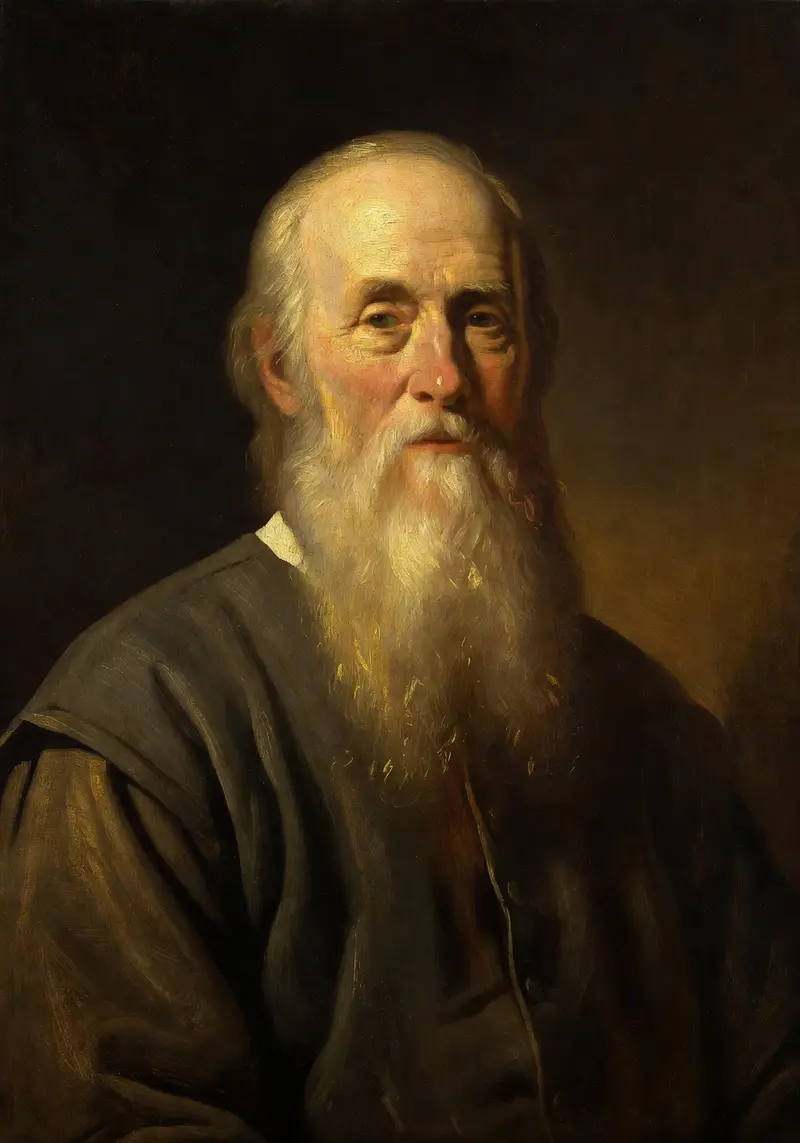
Last of the First Publishers of Truth
“I was convinced by the Lord's power, which was the beginning of my ministry.” — George Whitehead
George Whitehead was born in 1636 in Barnwell, Warwickshire, just as the Quaker movement was beginning its first stirrings in the north of England. Though only a child when Fox received his vision in 1647, Whitehead would become one of the youngest members of the Valiant Sixty and the longest-lived of all early Quakers.
At age 17, Whitehead heard James Nayler preach and was immediately convinced of the truth of the Quaker message. This early convincement—before the Nayler controversy would divide the movement—gave Whitehead a unique perspective. He knew Quakerism at its most charismatic and also saw it weather its most difficult internal crisis.
Whitehead began public ministry almost immediately after his convincement in 1653. By 1654, at age 18, he was traveling and preaching. His youth might have been a disadvantage in an era that valued age and experience, but his natural gifts for organization, legal reasoning, and pastoral care quickly established him as a leader despite his lack of years.
Like virtually all early Quaker ministers, Whitehead faced frequent imprisonment. His first significant imprisonment came in 1658 in Northamptonshire for refusing to remove his hat to a magistrate—an act of principle that would get him arrested wherever he traveled. In 1666, he was imprisoned in Newgate, where he nearly died, though he continued to minister to fellow prisoners throughout his confinement.
Released in 1674 after years of imprisonment, Whitehead emerged as one of the key leaders of the movement. He now turned his legal acumen to the struggle for Quaker toleration. Throughout the 1680s, he worked tirelessly through legal channels, navigating complex statutes and building relationships with sympathetic officials.
His efforts bore fruit in 1689 with the passage of the Toleration Act, which finally granted Quakers legal protection for their meetings. Whitehead lived to see Quakerism transition from a persecuted sect to a legally recognized religious society—a transformation he had worked to achieve while often doubting he would live to see it.
In 1696, Whitehead published “Mercurius Modestus,” answering critics and defending Quaker principles against attacks from established church leaders. The work demonstrated his continued relevance and influence even as Quakerism became established.
Whitehead died in 1723 at age 87, having lived through the entire transformation of Quakerism from its first stirrings to its establishment as a permanent religious society. His autobiography, “The Christian Progress,” was published posthumously in 1725. It remains one of the most important primary sources for understanding how Quakerism changed over its first seventy years, offering both historical detail and spiritual insight.
Whitehead’s legacy is unique: he bridged Quakerism’s most revolutionary period and its establishment phase, providing continuity and memory while helping navigate the transition. The Quakerism he left behind was organized, legal, and established—dramatically different from what he had joined—but his life demonstrated how that transformation occurred while maintaining spiritual integrity.
Born in the village of Barnwell, near Oundle in Warwickshire, just as the Quaker movement was beginning its first stirrings in the north of England.
Convinced of the Quaker message at age 17 after hearing James Nayler preach. Whitehead became one of the youngest members of the Valiant Sixty.
Began public ministry almost immediately after convincement, demonstrating remarkable spiritual maturity despite his youth and lack of formal education.
First significant imprisonment for refusing to remove his hat to a magistrate—a position that got him arrested wherever he traveled.
Spent 1666 imprisoned in Newgate, where he nearly died, continuing to minister even in prison.
Released after years of imprisonment, during which time he had established himself as a key leader despite his youth.
Worked tirelessly through legal channels to secure toleration for Quakers, using his natural legal acumen to navigate complex statutes.
Lived to see the Toleration Act passed, which finally granted Quakers legal protection for their meetings—partly through Whitehead's efforts.
Published 'Mercurius Modestus,' answering critics and defending Quaker principles against attacks from established church leaders.
Died in 1723 at age 87; his autobiography 'Christian Progress' published posthumously in 1725, documenting 70 years of Quaker life.
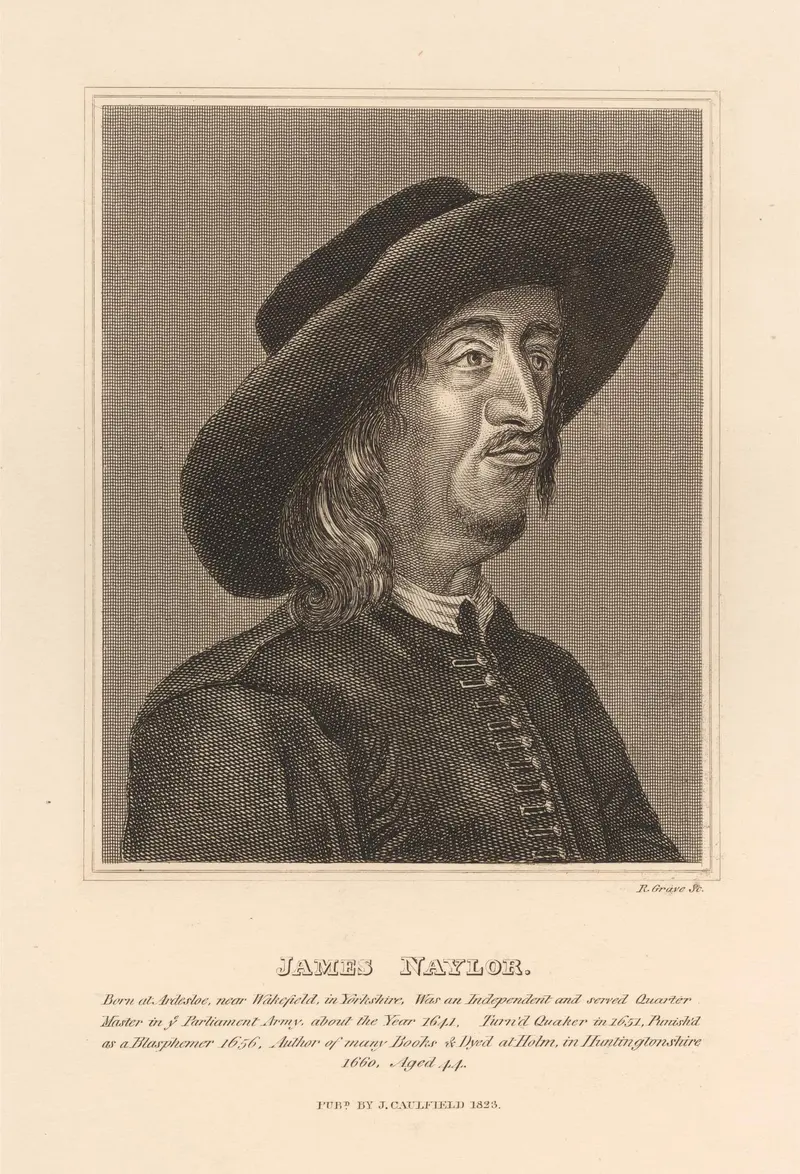
Convinced by Nayler's preaching at age 17. The fiery Yorkshire ministry that would soon end in controversy gave Whitehead his first introduction to Quakerism.
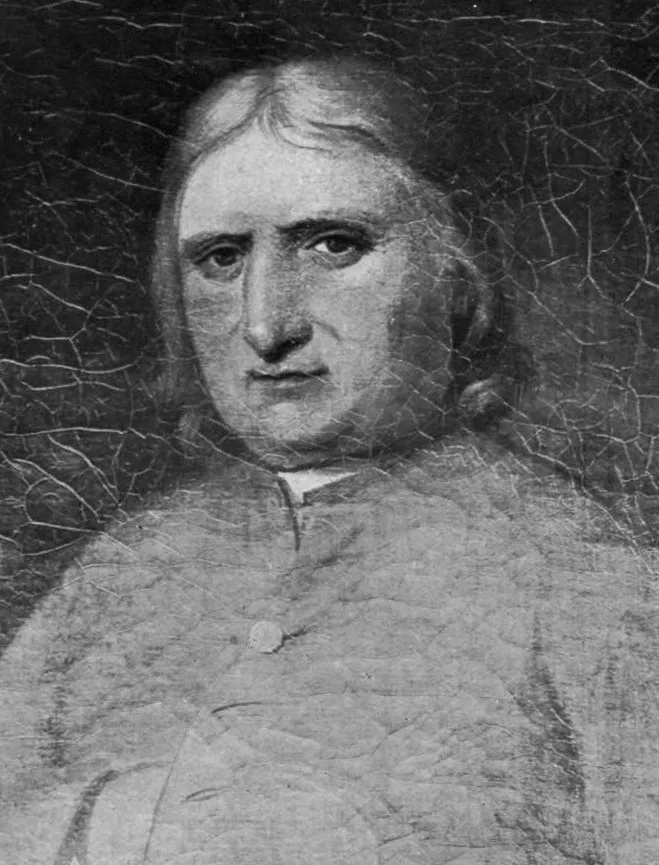
Collaborated with Fox in London ministry and legal efforts. Both men worked to establish Quakerism despite decades of persecution.
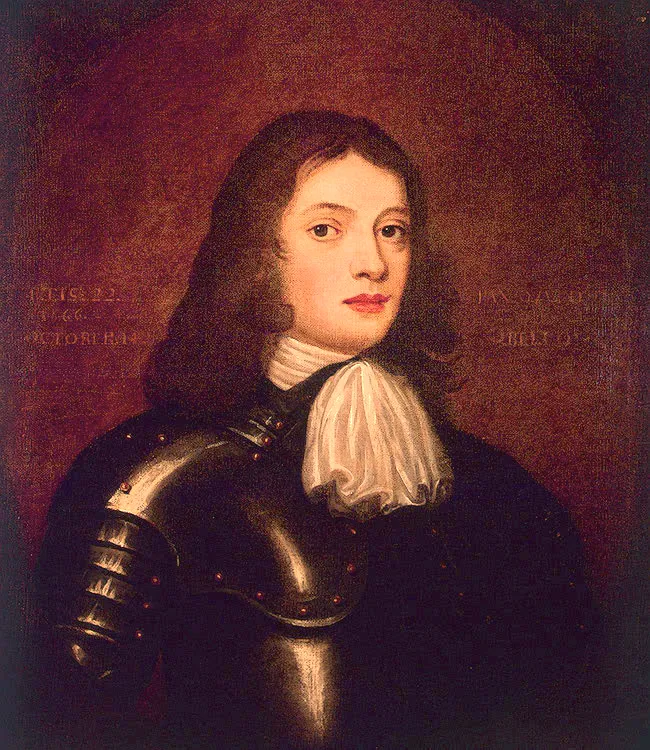
Worked alongside Penn in securing toleration for Quakers. Both brought legal acumen to the struggle for religious freedom.
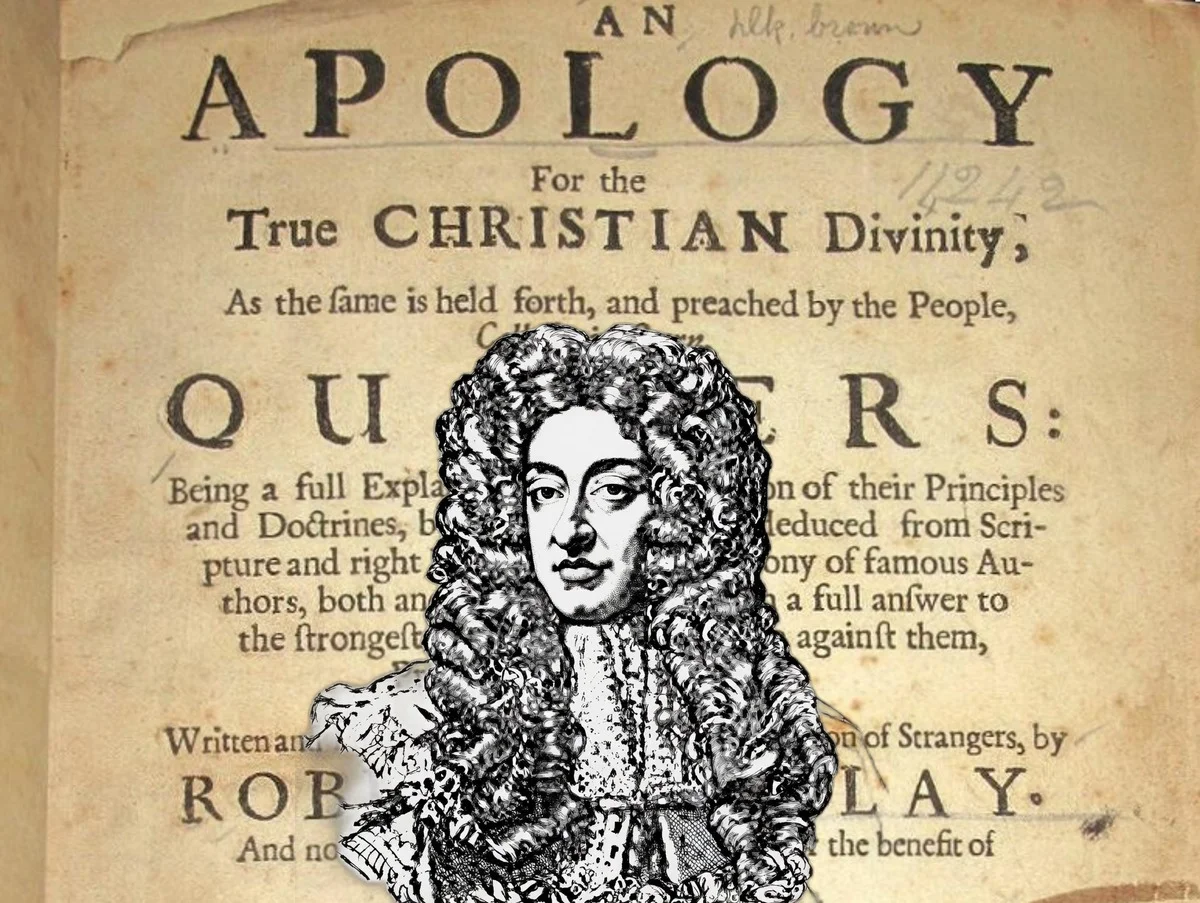
While Barclay provided the scholarly defense of Quakerism, Whitehead offered practical legal advocacy and pastoral leadership.
George Whitehead's spiritual autobiography — the life and sufferings of the last of the early Quaker Publishers of Truth, who pleaded the cause of Friends before four English monarchs — in a modern English edition with linked scripture references.
Published 1696, answering critics and defending Quaker principles against attacks from Church of England leaders.
A treatise explaining the Quaker doctrine of the inward light and the role of reason in spiritual understanding.
A defense of Quaker principles against accusations of heresy and explanations of their positions on oaths, church authority, and Scripture.