Born in Scotland
Born at Gordonstown, Morayshire, into a family with aristocratic connections. His uncle was General John Barclay.
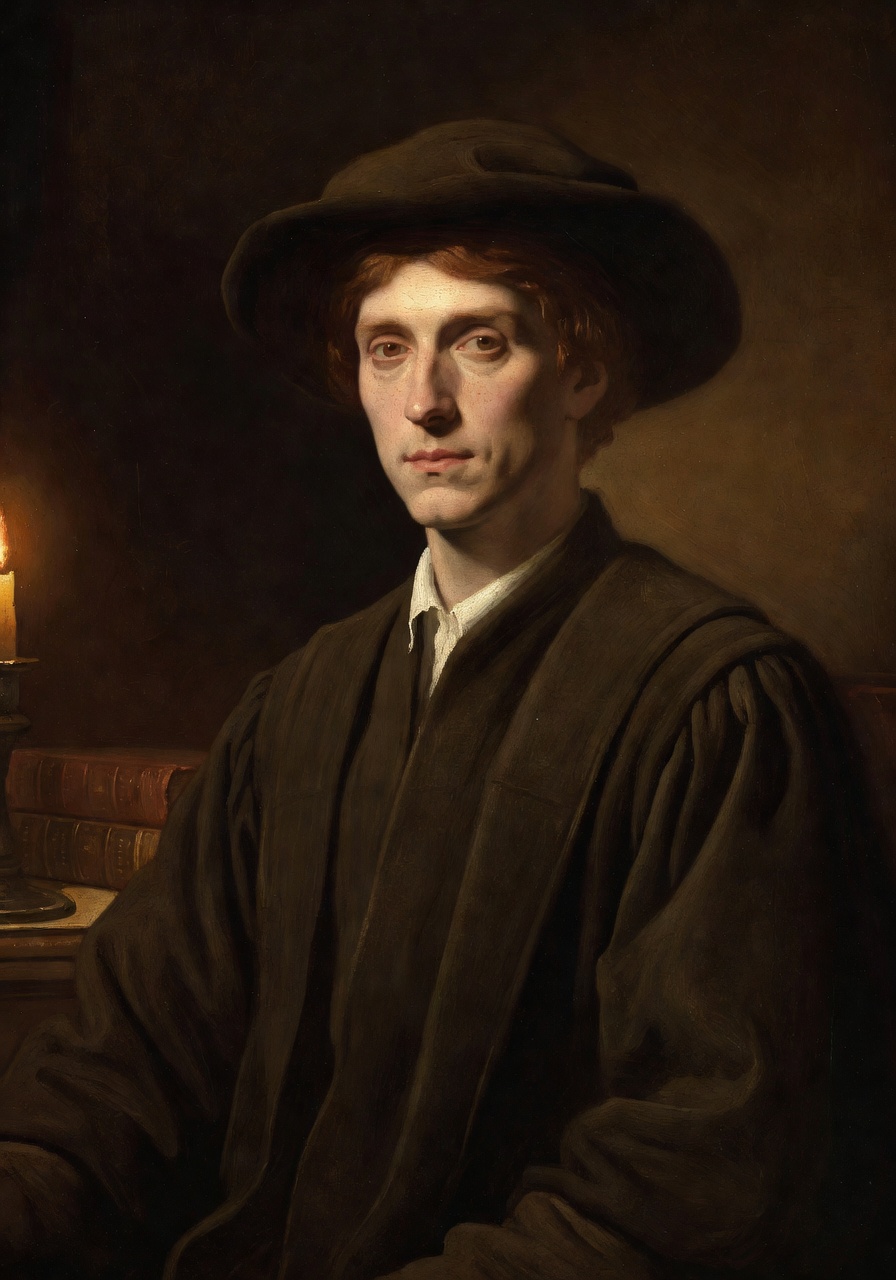
Scotland's Quaker Theologian
“There is a principle of light and life in every man...” — Robert Barclay
Robert Barclay was born in 1648 at Gordonstown, Morayshire, into a family that straddled Scotland’s religious and political divisions. His father, Colonel David Barclay, had fought for the Covenanters and maintained connections to both the Scottish aristocracy and the military establishment. The family expected Robert to enter the priesthood, and they sent him to the Scots College in Paris—a seminary under Jesuit direction—to receive a classical education in Latin, Greek, Hebrew, and scholastic theology.
The Paris years gave Barclay the intellectual tools that would later distinguish him from every other Quaker writer. He absorbed the formal logic of Aquinas, the patristic tradition, and the methods of systematic theology. When his uncle, a Jesuit, tried to convert him to Catholicism, Barclay resisted—but the experience left him restless. He returned to Scotland in the mid-1660s, spiritually unsettled and searching.
His convincement came in 1666 through contact with Scottish Quakers. Unlike the dramatic conversion experiences of Fox or Nayler, Barclay’s was characteristically intellectual. He examined Quaker claims against his theological training, found them defensible, and committed. His family was bewildered. His habit of kneeling silently rather than reciting formal prayers scandalized them, but Barclay’s conviction was unshakable.
What Barclay brought to Quakerism was unprecedented: a formally trained theologian who could meet Calvinist scholars, Catholic priests, and university professors on their own ground. He began preaching throughout Scotland in 1667, and his debating skills—conducted in Latin when it suited him—made an immediate impression. When he inherited the family estate at Ury in 1670, he transformed it into a Quaker meeting place and refuge for persecuted Friends.
His literary career began with Universal Love (1673), a treatise arguing that God’s saving grace was available to all humanity, not limited to those who had heard the Christian gospel. This was radical in Calvinist Scotland, where predestination was orthodoxy. But it was only a prelude. In 1676, Barclay composed his masterwork: Theologiae Vere Christianae Apologia—an “Apology for the True Christian Divinity”—written first in Latin to reach the scholarly world directly.
The Apology was structured as fifteen propositions, each defending a distinctive Quaker principle: the Inward Light, the authority of immediate revelation, the nature of true worship, the rejection of outward sacraments, and the unlawfulness of war. Where Fox had declared these truths from experience, Barclay proved them from Scripture, patristic writings, and reason. The English translation appeared in 1678 and transformed Quakerism’s intellectual standing overnight.
In 1677, Barclay joined Fox and Penn on a missionary journey to Holland and Germany, visiting sympathetic communities and debating local theologians. Fox called him “a man of fire and light.” The Aberdeen debate of 1679, where Barclay defended Quaker theology against university students in formal disputation, was a public triumph that consolidated his reputation as the movement’s foremost scholar.
His later years combined theology with politics. Penn arranged his appointment as governor of East New Jersey in 1682—a position Barclay accepted seriously, though he never crossed the Atlantic. He wrote regulations, corresponded with colonial officials, and advocated for the same principles of toleration that Penn was implementing in Pennsylvania. His letters to the Prince of Orange and other European leaders urged religious liberty as both morally right and politically prudent.
Barclay died at Ury in 1690, only forty-two years old, leaving behind a body of work that would define Quaker theology for two centuries. His descendants maintained Ury as a Quaker center; his grandson would eventually found the banking house that bears the family name. But Barclay’s true legacy was intellectual: he proved that Quaker faith, born in the fields and prisons of northern England, could hold its own in the most rigorous theological discourse Europe had to offer.
Barclay’s Apology was unlike anything the young movement had produced. Where the tracts of Edward Burrough and George Fox proclaimed truth from direct experience, Barclay argued it in the disciplined language of the schools — Latin first, then English, then translations into German, Dutch, French, and Spanish that carried Quaker ideas across the Continent. Its fifteen propositions became the reference text that Friends reached for whenever they were called to explain themselves to magistrates, clergy, or curious readers, and it remained in print for generations after his death.
The book’s second proposition, on immediate revelation, and its account of the gathered meeting for worship gave later generations their vocabulary for the “Inward Light.” Barclay worked in close counsel with William Penn, whose practical gift for politics complemented Barclay’s systematic mind, and the two shaped the case for religious toleration that Penn would later plant in Pennsylvania. Readers can trace the movement’s intellectual arc on the Quaker history timeline, and Friends Illuminated’s clear modern-English edition of An Apology for the True Christian Divinity makes Barclay’s argument readable again — while the original 1678 text remains freely available in the public domain.
Born at Gordonstown, Morayshire, into a family with aristocratic connections. His uncle was General John Barclay.
Parents sent him to the Scots College at Paris, intending him for the priesthood. He learned Latin, Greek, and scholastic theology.
Returned to Scotland, encountered Quakers, and was convinced of their truth. His habit of kneeling silently in prayer scandalized his family.
Began traveling to preach throughout Scotland. His education made him immediately formidable—he could debate theologians in their own Latin.
Inherited his father's estate at Ury, Kincardineshire. It became a Quaker meeting place and refuge for persecuted Friends.
Wrote 'Universal Love,' arguing that salvation was available to all people, not just those who heard the Christian gospel.
Composed 'Theologiae Vere Christianae Apologia'—the most systematic defense of Quakerism ever written. Designed to convince scholars.
Accompanied Fox and Penn on a continental mission to Holland and Germany. Fox called him 'a man of fire and light.'
The English translation appeared, changing Quakerism forever. It had fifteen 'Propositions' defending Quaker distinctives—including the Inward Light.
Officiated at the debate with students in Aberdeen, defending Quaker theology against orthodox Calvinism. The event was a public triumph.
Following Penn's example, Barclay wrote pamphlets arguing for religious toleration. His 'Letter to the Prince of Orange' was influential.
Penn arranged for Barclay to be appointed governor of East New Jersey. Though he never visited America, he took the role seriously—writing regulations and correspondents.
Died at Ury at the height of his powers. His son succeeded him in maintaining Ury as a Quaker refuge—his grandson would become famous as the founder of Barclays Bank.
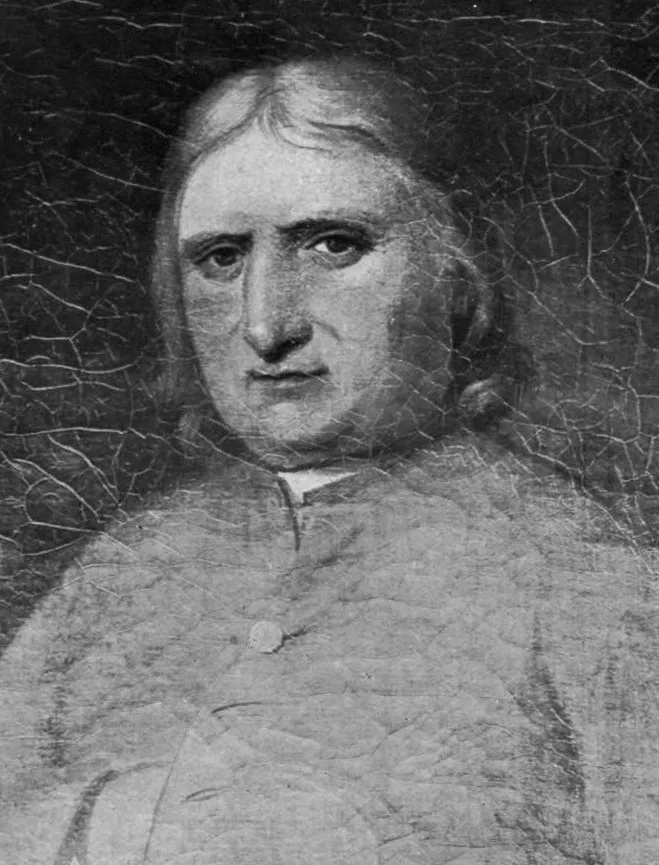
Barclay's Apology defended Fox's teachings—and sometimes modified them. The Inward Light theology was Barclay's unique contribution.
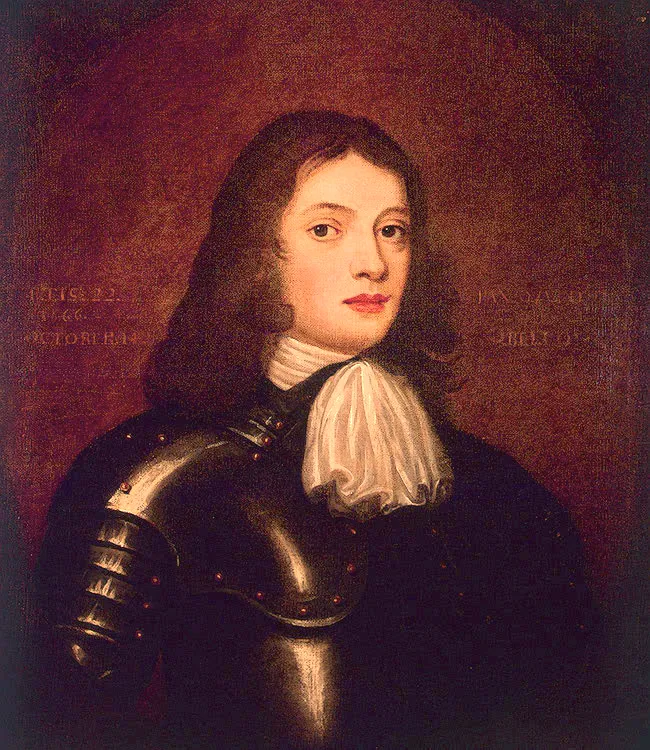
Penn and Barclay were close friends and occasional collaborators. They traveled together and shared political goals.
Though a Catholic, James II received Barclay at court and granted relief to Quakers as part of his Declaration of Indulgence.
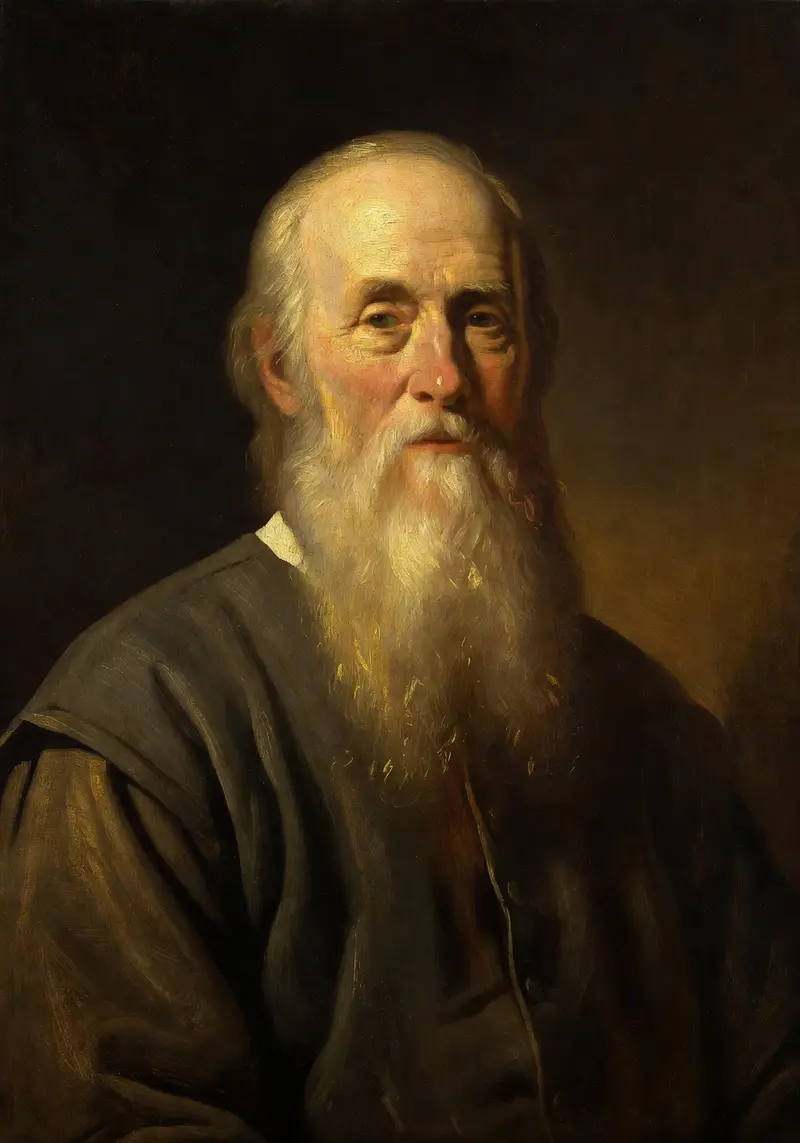
Barclay provided the scholarly theological framework while Whitehead offered practical legal advocacy and pastoral leadership. Together they represented Quakerism's intellectual and organizational strength.
Fell's network at Swarthmore helped distribute Barclay's writings across England. Her organizational infrastructure amplified his theological influence.
The definitive systematic defense of Quaker faith — Robert Barclay's fifteen propositions on revelation, the inward light, justification, worship, and the ground of true religion, now in clear modern English.
Barclay's confession of faith—a structured statement designed for use in Quaker meetings.
A proposed collection of his correspondence, showing his theological dialogues with Christians across Europe.