Born in London
Son of Admiral William Penn, the most powerful naval commander of Cromwell's era. His mother was Dutch, giving him cosmopolitan connections.
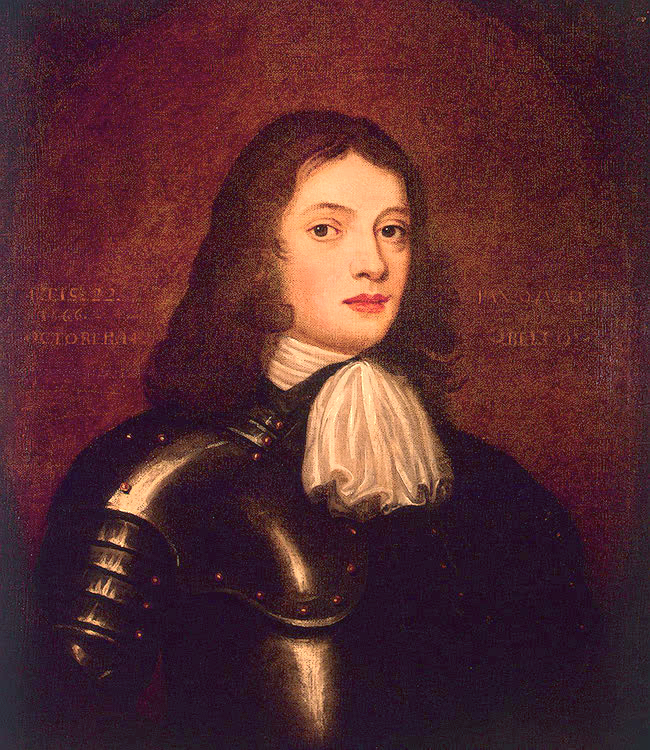
1644–1718 · London, England
Founder of Pennsylvania, Advocate for Religious Liberty
"There is a faith which overcomes the world, and there is a faith which is overcome by the world." — William Penn
Son of Admiral William Penn, the most powerful naval commander of Cromwell's era. His mother was Dutch, giving him cosmopolitan connections.
Felt a call to religious reflection at age 11, shocking his parents who wanted him in the navy.
Attended Oxford, where he heard Thomas Loe preach. When Penn refused Anglican chapel attendance, he was expelled by his father.
In Ireland attending to his father's estates, Penn heard Thomas Loe preach again. This time the 'light broke in' and he joined the Quakers.
His first imprisonment for attending Quaker meetings. His father disowned him, cutting off his inheritance.
His first major theological work attacked the doctrine of the Trinity as traditionally conceived. Resulted in imprisonment in the Tower of London without bail.
His masterpiece—written while imprisoned, transcribed by Thomas Ellwood (a neighbor at Chalfont). Still considered the greatest Quaker devotional work.
Arrested for preaching outdoors. The jury, led by Edward Bushell, refused to convict. The court imprisoned the jury—setting a precedent for jury nullification in English law.
Penn argued that religious toleration was in England's best interest—practical policy, not just idealism.
The King owed Penn's father £16,000. Penn accepted land instead: 45,000 square miles west of the Delaware River—an area larger than England.
Penn sailed to his colony, landing at Newcastle. He traveled to Philadelphia, negotiated the Great Treaty with the Lenape at Shackamaxon, and established his 'holy experiment.'
Penn's lifelong advocacy for religious liberty bore fruit. While the Act didn't include Catholics or Unitarians, it legalized Quaker worship—ending decades of persecution.
Died at age 73. His will affirmed: 'I give my body to the earth, from whence it came, in a plain manner, as a witness against the vain pomps of the world.'
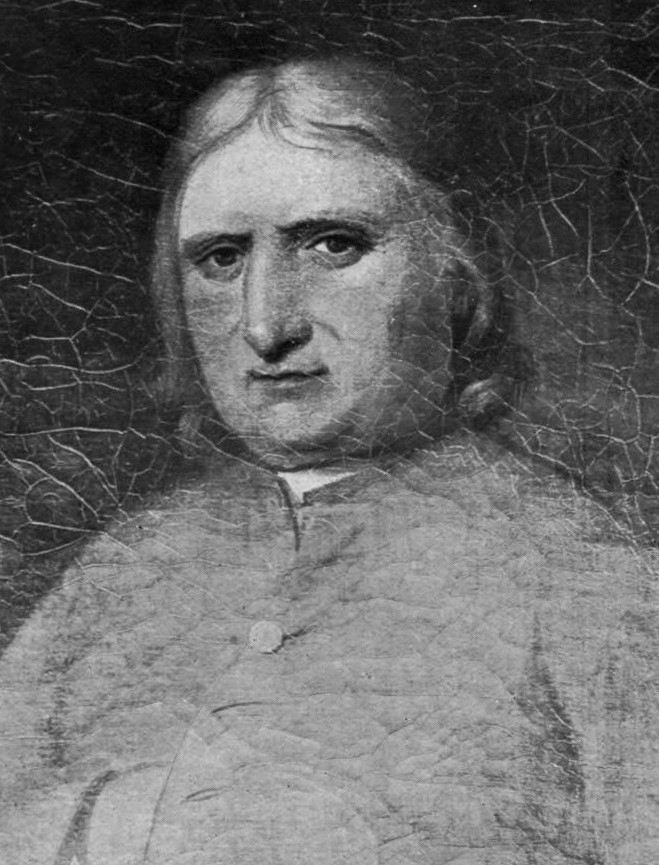
The two met at the height of Quakerism's persecution. Fox advised Penn: 'Wear the sword as long as thou canst.' Only with Fox's approval did Penn lay it aside entirely.
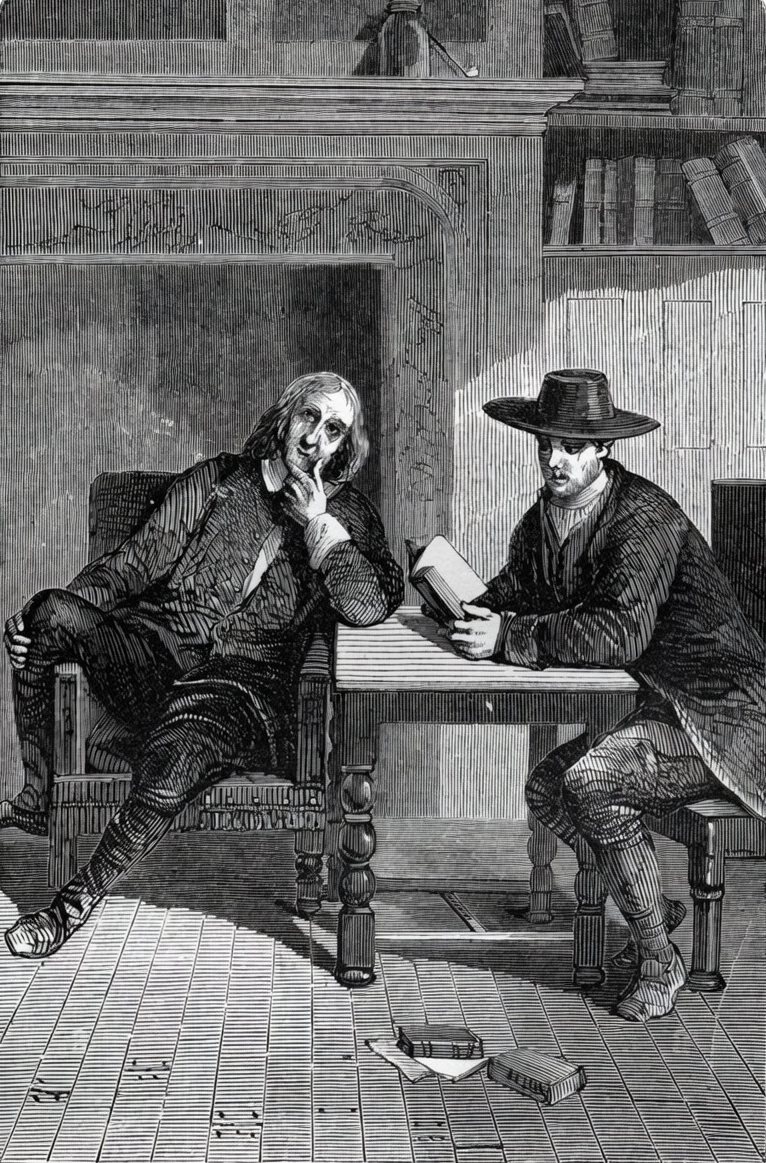
Ellwood transcribed 'No Cross, No Crown' while Penn was imprisoned. Their friendship was warm despite theological differences.
The Scottish Quaker's 'Apology' complemented Penn's practical writings. Together they defined Quaker theology for generations.
The traveling Quaker minister preached twice to Penn—once at Oxford (1656), once at Cork (1667). Both sermons shook Penn deeply.
Considered the greatest Quaker devotional work. A systematic argument that holiness—not merely doctrine—is essential to true Christianity.
Short aphorisms on life, death, friendship, and virtue. Penn's most accessible work—still quoted today.
Penn's political manifesto arguing that religious persecution is both immoral and impractical.