Born in Scotland
Born at Gordonstown, Morayshire, into a family with aristocratic connections. His uncle was General John Barclay.
1648–1690 · Gordonstown, Scotland
Scotland's Quaker Theologian
"There is a principle of light and life in every man..." — Robert Barclay
Born at Gordonstown, Morayshire, into a family with aristocratic connections. His uncle was General John Barclay.
Parents sent him to the Scots College at Paris, intending him for the priesthood. He learned Latin, Greek, and scholastic theology.
Returned to Scotland, encountered Quakers, and was convinced of their truth. His habit of kneeling silently in prayer scandalized his family.
Began traveling to preach throughout Scotland. His education made him immediately formidable—he could debate theologians in their own Latin.
Inherited his father's estate at Ury, Kincardineshire. It became a Quaker meeting place and refuge for persecuted Friends.
Wrote 'Universal Love,' arguing that salvation was available to all people, not just those who heard the Christian gospel.
Composed 'Theologiae Vere Christianae Apologia'—the most systematic defense of Quakerism ever written. Designed to convince scholars.
Accompanied Fox and Penn on a continental mission to Holland and Germany. Fox called him 'a man of fire and light.'
The English translation appeared, changing Quakerism forever. It had fifteen 'Propositions' defending Quaker distinctives—including the Inward Light.
Officiated at the debate with students in Aberdeen, defending Quaker theology against orthodox Calvinism. The event was a public triumph.
Following Penn's example, Barclay wrote pamphlets arguing for religious toleration. His 'Letter to the Prince of Orange' was influential.
Penn arranged for Barclay to be appointed governor of East New Jersey. Though he never visited America, he took the role seriously—writing regulations and correspondents.
Died at Ury at the height of his powers. His son succeeded him in maintaining Ury as a Quaker refuge—his grandson would become famous as the founder of Barclays Bank.
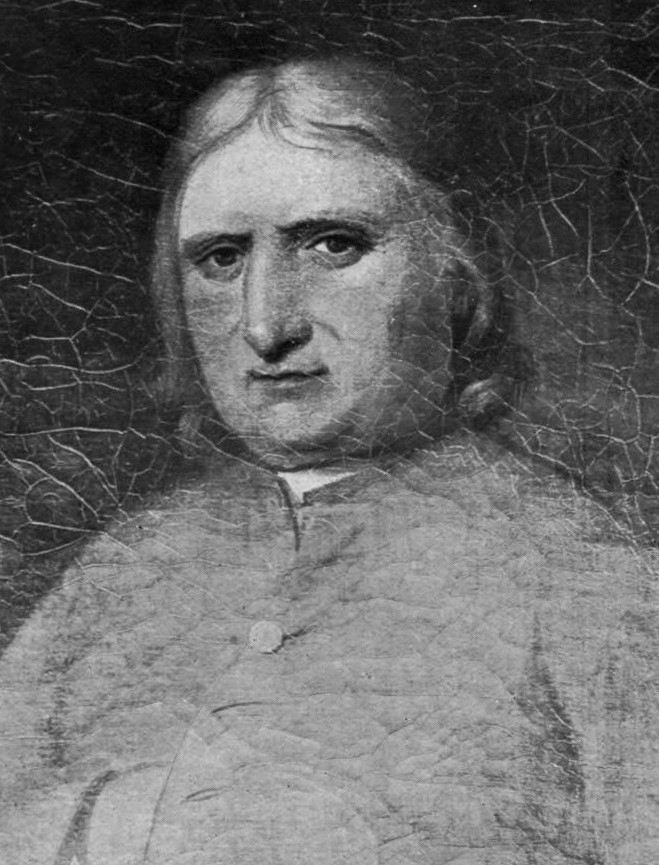
Barclay's Apology defended Fox's teachings—and sometimes modified them. The Inward Light theology was Barclay's unique contribution.
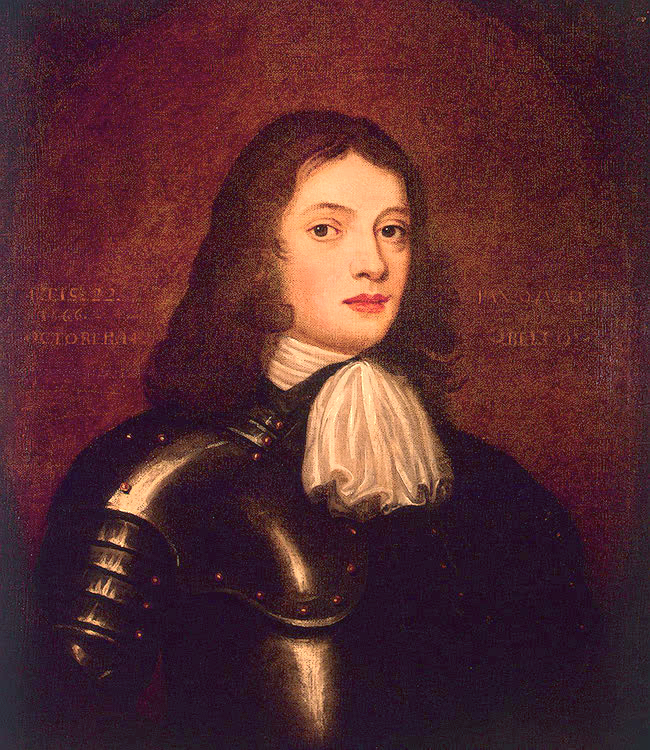
Penn and Barclay were close friends and occasional collaborators. They traveled together and shared political goals.
Though a Catholic, James II received Barclay at court and granted relief to Quakers as part of his Declaration of Indulgence.
Quakerism's definitive theological statement. Fifteen propositions covering the Inward Light, Scripture, worship, and Christian practice. Proposed parallel Latin/English edition.
Barclay's confession of faith—a structured statement designed for use in Quaker meetings.
A proposed collection of his correspondence, showing his theological dialogues with Christians across Europe.