Born in Lancashire
Born Margaret Askew into a landed gentry family with Puritan sympathies. She married Thomas Fell, a judge and Member of Parliament, at age 17.
1614–1702 · Marsh Grange, Lancashire
The Mother of Quakerism
"Let your lives speak, and your words be the fulfilling of the Law inward." — Margaret Fell
Born Margaret Askew into a landed gentry family with Puritan sympathies. She married Thomas Fell, a judge and Member of Parliament, at age 17.
Her husband's position as Justice of the Peace for Lancashire made Swarthmore a safe gathering place for religious seekers. Margaret hosted and organized.
Hearing Fox preach at Ulverston Church, Margaret was struck to the heart. She wrote: 'We sat in amaze, with our mouths stopped.'
Thomas Fell (not yet convinced) allowed Quaker meetings at Swarthmore. Margaret opened the estate to traveling ministers; it became Quakerism's administrative center.
Imprisoned at Lancaster for refusing oaths, Margaret continued organizing from jail. Letters to Friends across England sustained the persecuted movement.
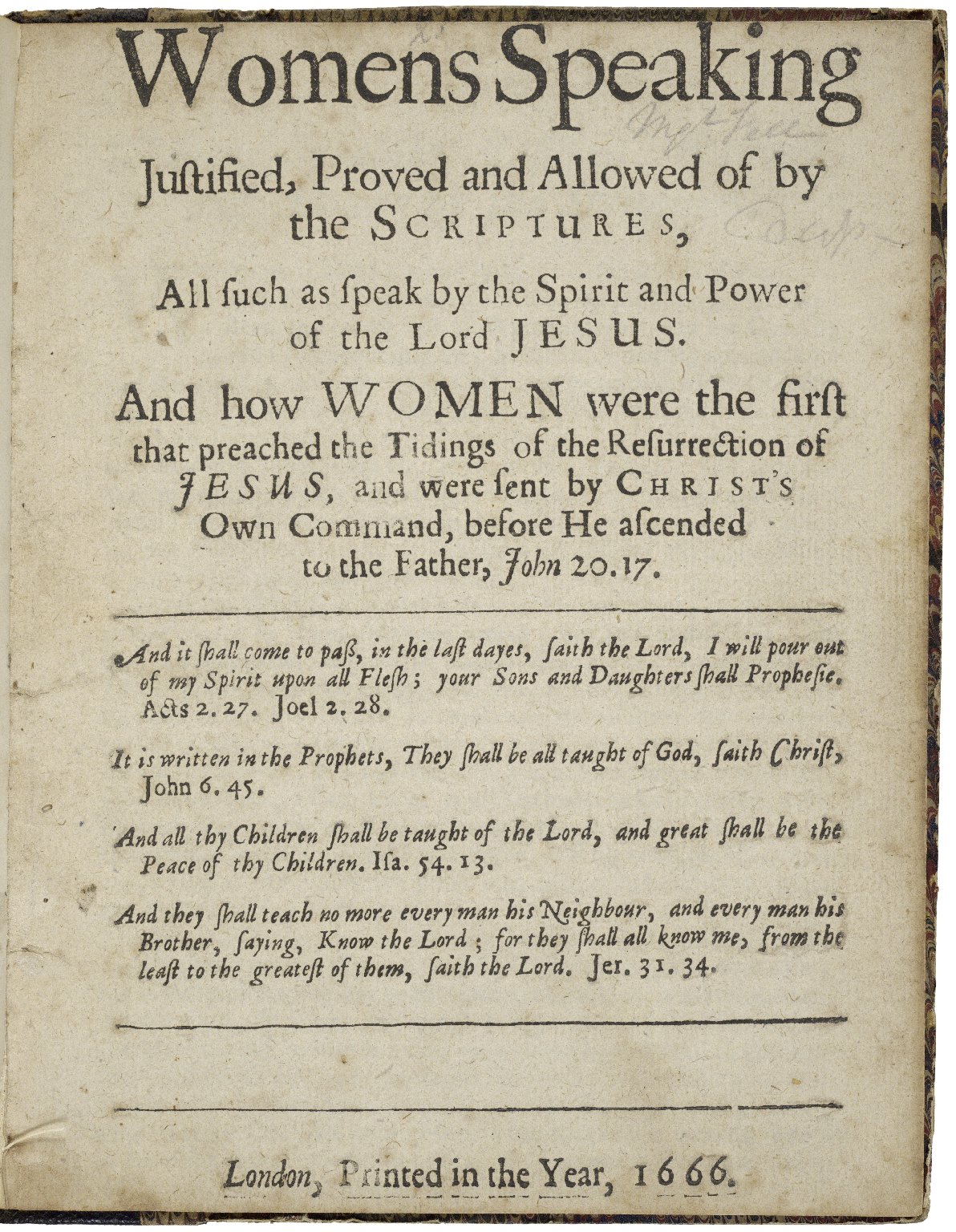
Her most important theological work defended women's ministry from Scripture. It became foundational for Quaker theology and proto-feminist thought.
Arrested again for allowing Quaker meetings. She would spend nearly six years in prison, separated from her family, writing constantly.
Her husband died, finally convinced on his deathbed. Margaret was released from prison to manage affairs but soon found herself again imprisoned.
The two great leaders of Quakerism were united at Bristol. They continued their partnership until Fox's death in 1691.
During her second husband's American journey, Margaret managed Swarthmore, corresponded with North American Friends, and defended Fox during controversies.
Her final imprisonment: she refused to pay tithes to the established church. Even in her 70s, she remained defiant.
Her husband and partner died in London. Margaret continued publishing his papers and defending his legacy.
Died at Swarthmore Hall, surrounded by family and Friends. Her funeral drew thousands; she was remembered as 'The Mother of Quakerism.'
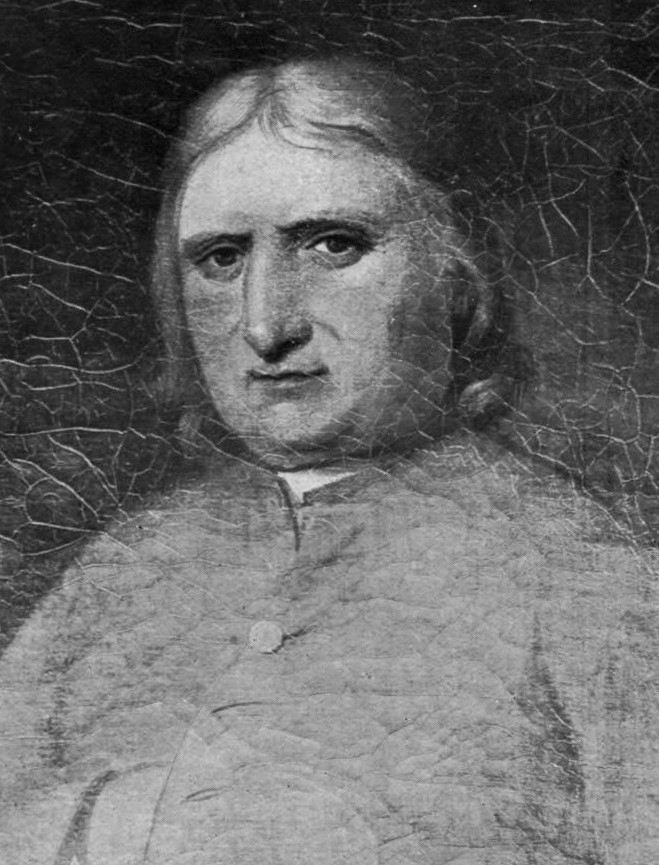
Met in 1652; married 1669. Together they led the movement through decades of persecution. She preserved and promoted his legacy.
Burrough and other traveling ministers found refuge at Swarthmore. Fell corresponded with them about spreading the message.
Beyond organizational letters, Fell and Penington discussed theology, particularly the role of women and the nature of true worship.
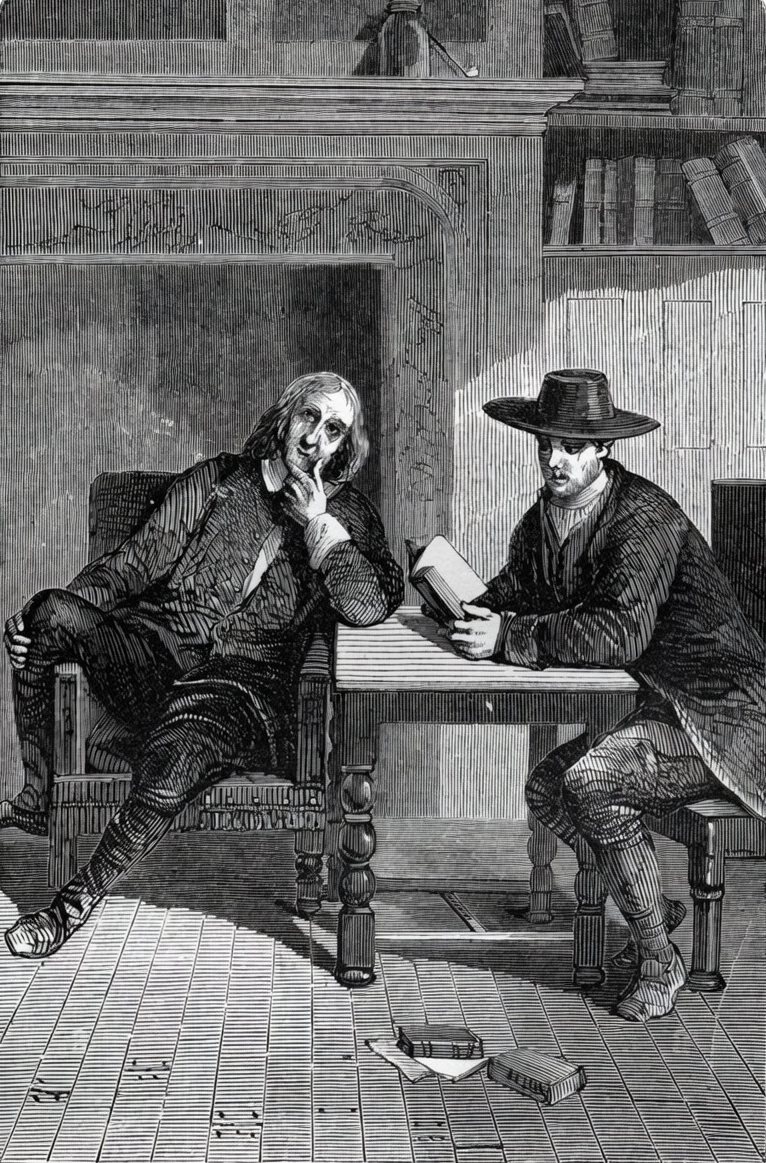
Ellwood frequently visited Swarthmore and praised Fell's leadership. She supported his literary efforts, including the Journal.
Her most famous work—a Scripture-based defense of women's public ministry. Still cited in feminist theology today.
Hundreds of letters—to imprisoned Friends, to government officials, to other leaders. A window into Quakerism's organizational genius.
Proposed collection of documents relating to Swarthmore's role as Quakerism's headquarters.