Born in Lincolnshire
Born at Hemswell, near Gainsborough. Very little is known of his early life—he appears to have been a farmer or artisan of some kind.
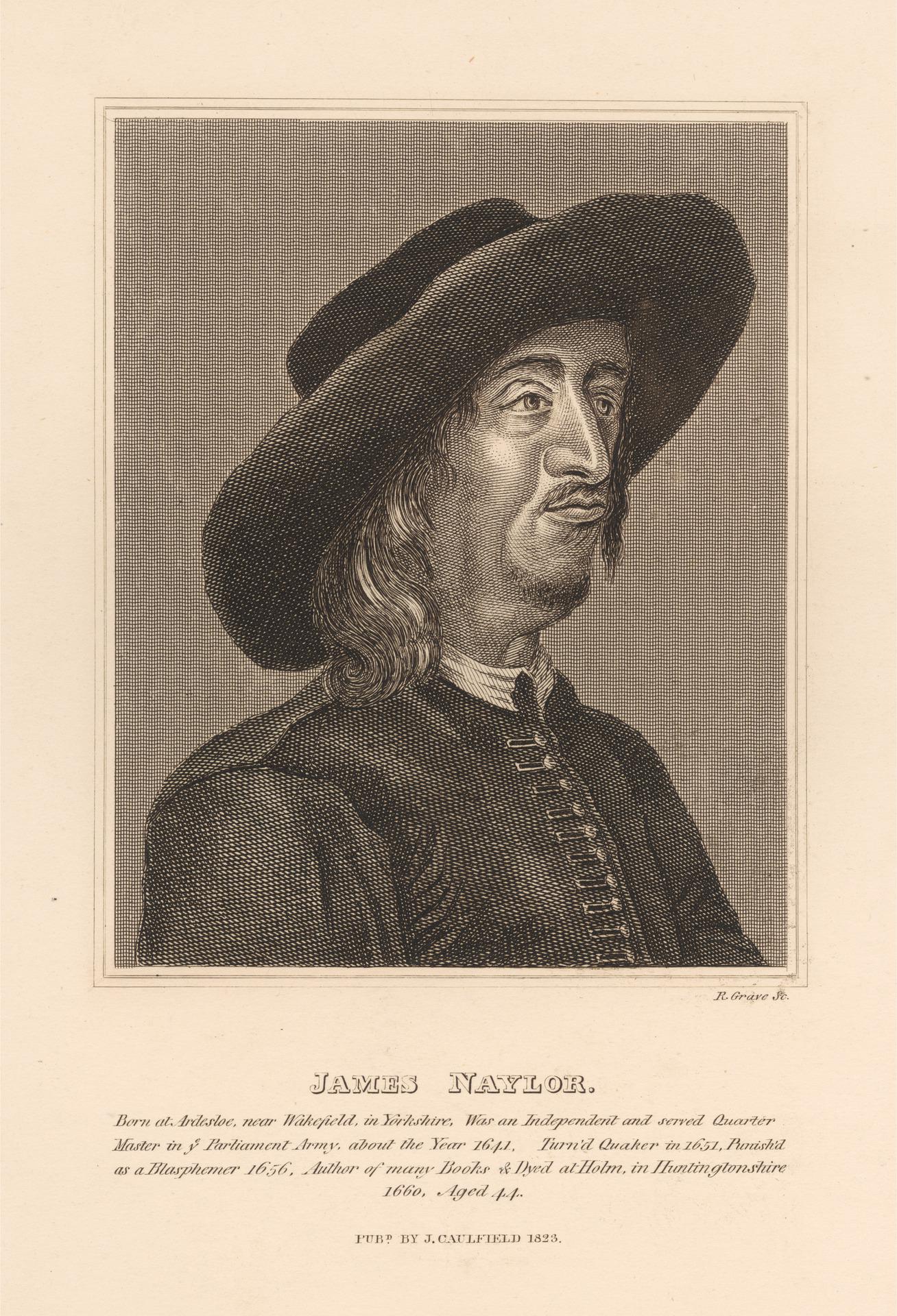
1618–1660 · Hemswell, Lincolnshire
Brilliant Preacher, Tragic Figure, Reconciled Friend
"The seed of God is in every man, though it be buried under many coverings." — James Nayler
Born at Hemswell, near Gainsborough. Very little is known of his early life—he appears to have been a farmer or artisan of some kind.
During the Civil War, Nayler served in the Parliamentarian forces. The era's religious ferment began his spiritual seeking.
Experienced deep spiritual anguish. He went through anguish over his sin, seeking counsel from priests and religious books to no avail.
Hearing George Fox preach, Nayler was convinced immediately. He became one of Fox's most powerful followers—described as a 'stumbling block' because some preferred him.
Nayler's preaching drew massive crowds. Some said his words had 'the power of God' and could convict hearers instantly.
One of his earliest publications—defending Fox's teachings and attacking formal religion. His writing matched his preaching in power.
His wife left him; he was accused of pride. Fox confronted him about separating from his wife and inappropriate behavior with Martha Simmonds, a London Friend.
Accompanied by followers, Nayler rode into Bristol in a reenactment of Christ's entry into Jerusalem. He was arrested for blasphemy.
Tried before Parliament as a blasphemer. Some called for execution; Oliver Cromwell intervened. Nayler was sentenced to brutal punishment instead.
Nayler was whipped through London, branded, bored through the tongue with a hot iron, and imprisoned in solitary confinement. The sentence was meant to break him.
Cromwell released Nayler in 1659. He was taken to Fox, and the two were reconciled. Nayler acknowledged his errors; Fox accepted his repentance.
Nayler resumed ministry but his health was broken. He was set upon by robbers on a journey, died of his injuries, and left famous last words.
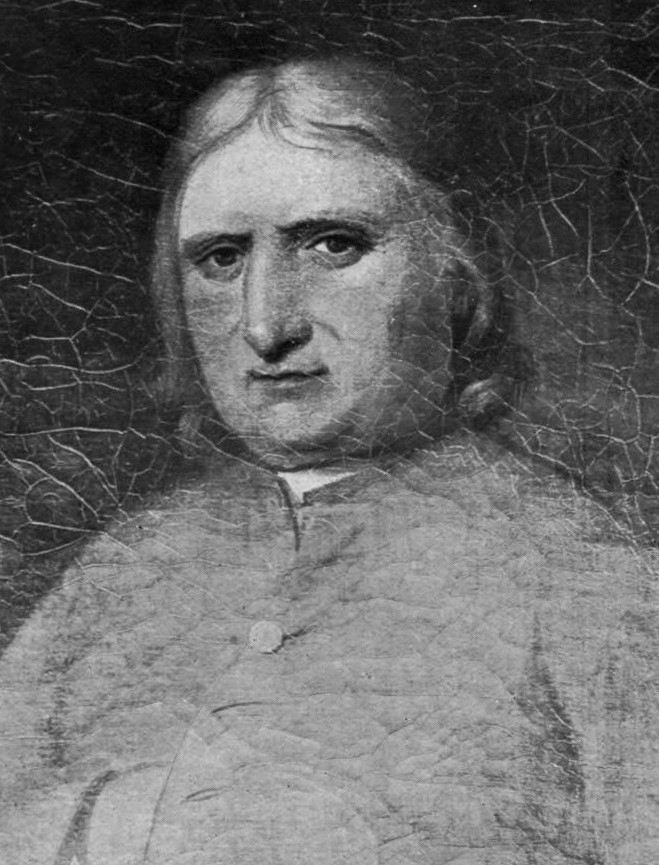
Nayler was convinced by Fox in 1651. Though their relationship was strained by the Bristol affair, they were reconciled before Nayler's death.
Both were early converts who traveled together in the north. Burrough tried to moderate Nayler's relationship with Fox.
Farnworth and Nayler were among Fox's first followers in the north, traveling and preaching together before the controversies.
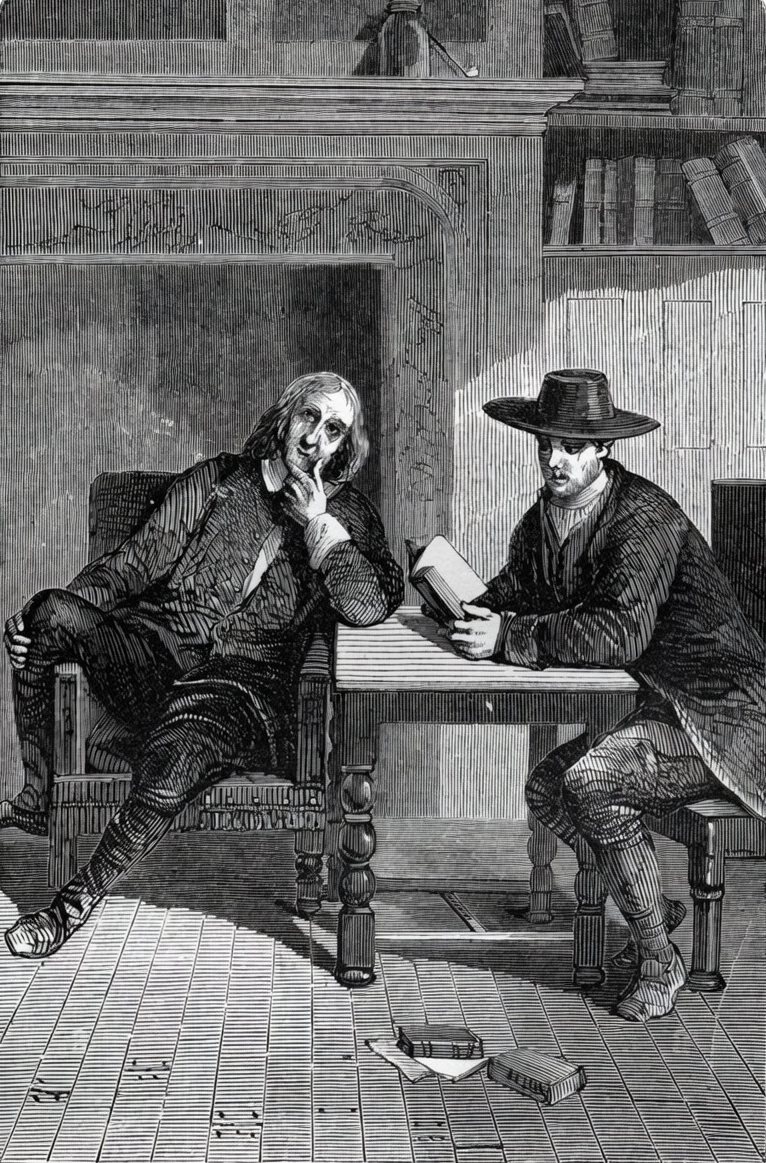
Ellwood was sympathetic to Nayler and recorded details of his final days. The two had mutual friends, and Ellwood's writings preserve Nayler's reputation.
One of Nayler's most mystical writings, exploring the 'seed of God' in every person. Modern readers often find this his most compelling work.
Early defense of Quaker principles—still orthodox Fox, before the controversies. A powerful example of early Quaker preaching.
Nayler's letters from prison show his spiritual struggle and eventual peace. Would be a unique Quaker document of repentance and reconciliation.