Born to Privilege
Son of Isaac Penington, Lord Mayor of London (1629) and Master of the Mint. The Peningtons were wealthy, educated, and powerful.
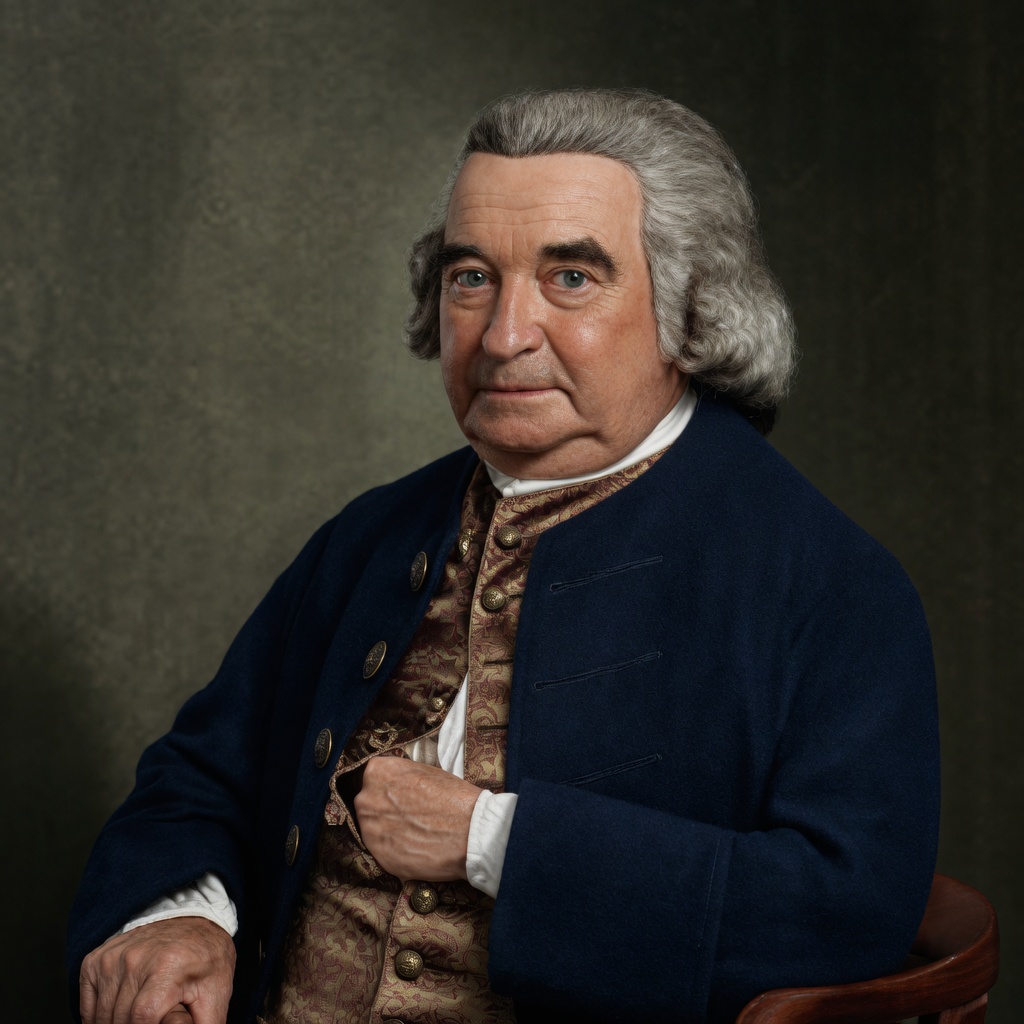
1616–1679 · London, England
Mystic Theologian, Seeker Turned Friend
"The Lord is at work in the world, and that work is deep, and hidden, and inward." — Isaac Penington
Son of Isaac Penington, Lord Mayor of London (1629) and Master of the Mint. The Peningtons were wealthy, educated, and powerful.
Received an excellent education but found formal religion empty. He searched Scripture and ancient Christian writers for authentic spiritual experience.
Heard of Quaker meetings through a friend. Skeptical at first, he examined their writings and found something genuine.
After reading George Fox and attending meetings, Penington declared himself convinced. His transition was intellectual and mystical—theology met experience.
The Restoration brought persecution. Penington's new status as a Quaker cost him his social standing and eventually his freedom.
His letters from this period, later collected, became the most treasured Quaker devotional writings after Penn's No Cross, No Crown.
Retired to a house near Penn and Ellwood. The three became close friends, forming a kind of informal Quaker 'academy.'
Published his most comprehensive work: a guide to distinguishing false spirituality from true, written with remarkable psychological insight.
Two more imprisonments followed. His health was declining, but his writing deepened, combining mysticism with practical counsel.
His collected letters became essential reading for Quakers. They cover grief, doubt, persecution, the inner life, and mystical union with God.
Died at his home in Chalfont. His widow Mary compiled his works, which would be published posthumously in multiple volumes.
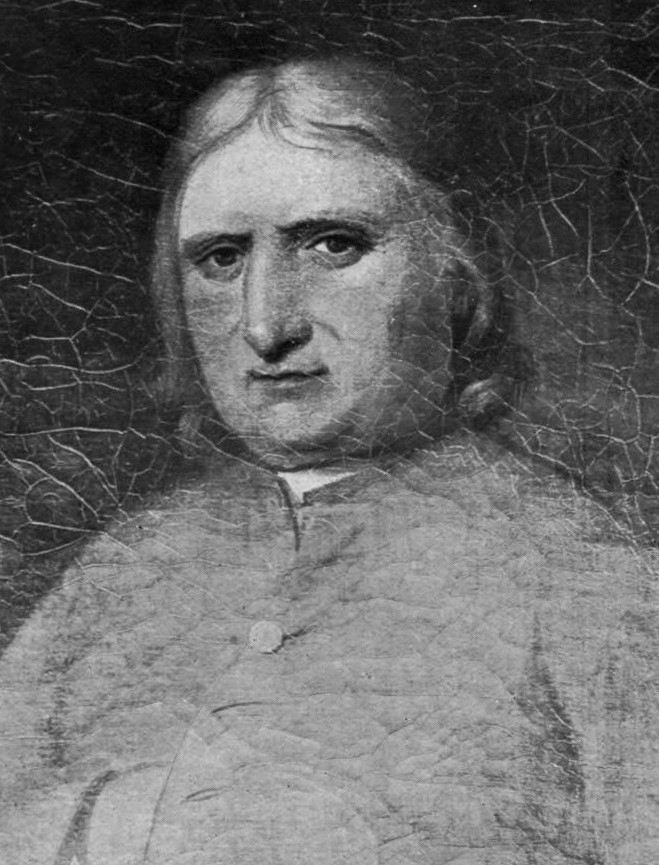
Penington read Fox's writings before they ever met. Later, he frequently praised Fox's ability to cut through theological abstraction to living experience.
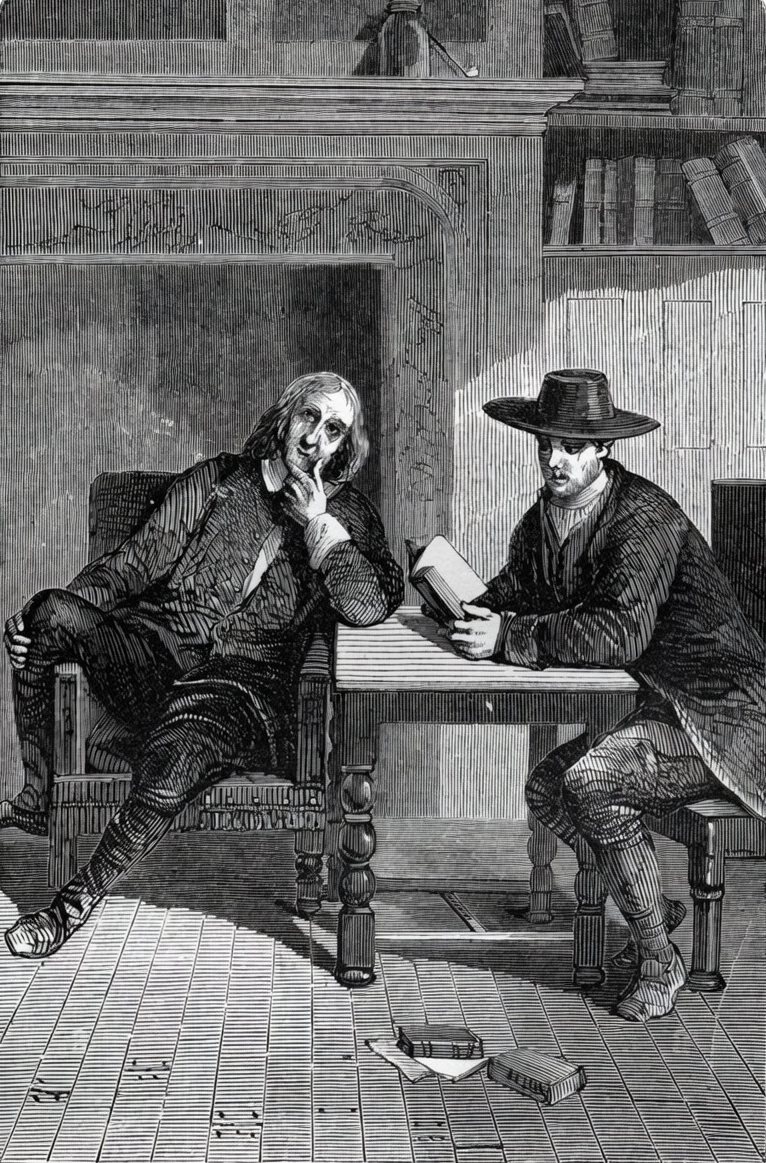
The two lived near each other in Buckinghamshire and frequently exchanged manuscripts. Their writings show mutual influence.
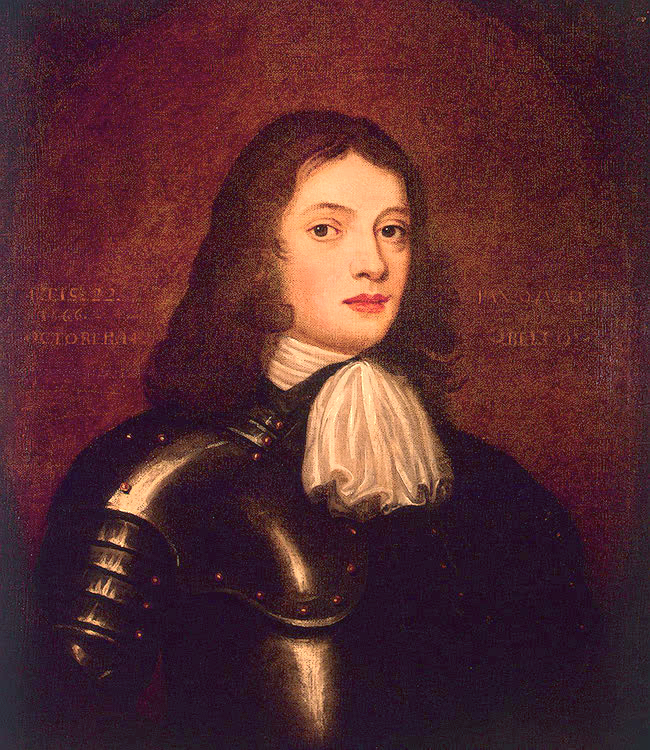
Penn's nearby property allowed frequent visits. Penington's mystical bent complemented Penn's practical genius.
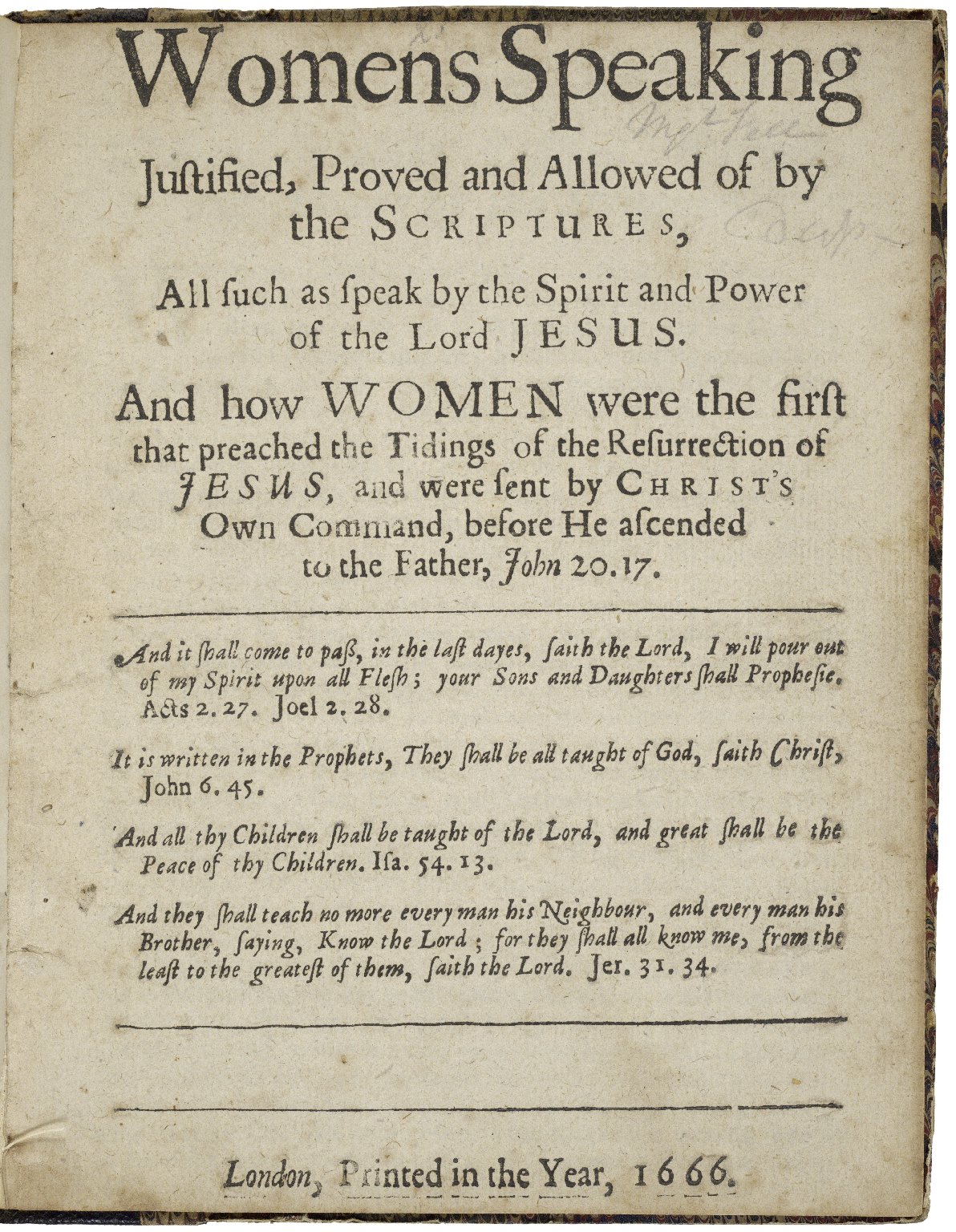
Penington and Fell exchanged letters about organizational matters and spiritual difficulties—she considered his counsel valuable.
The first collection of his correspondence—rich in devotional insight, addressing doubt, grief, and the inner life.
His major theological work: how to distinguish true from false spirituality. Deeply psychological and still relevant.
The complete collected works, planned as a six-volume set covering letters, papers, doctrinal writings, and personal reflections.