Born in Warwickshire
Born in the village of Barnwell, near Oundle in Warwickshire, just as the Quaker movement was beginning its first stirrings in the north of England.
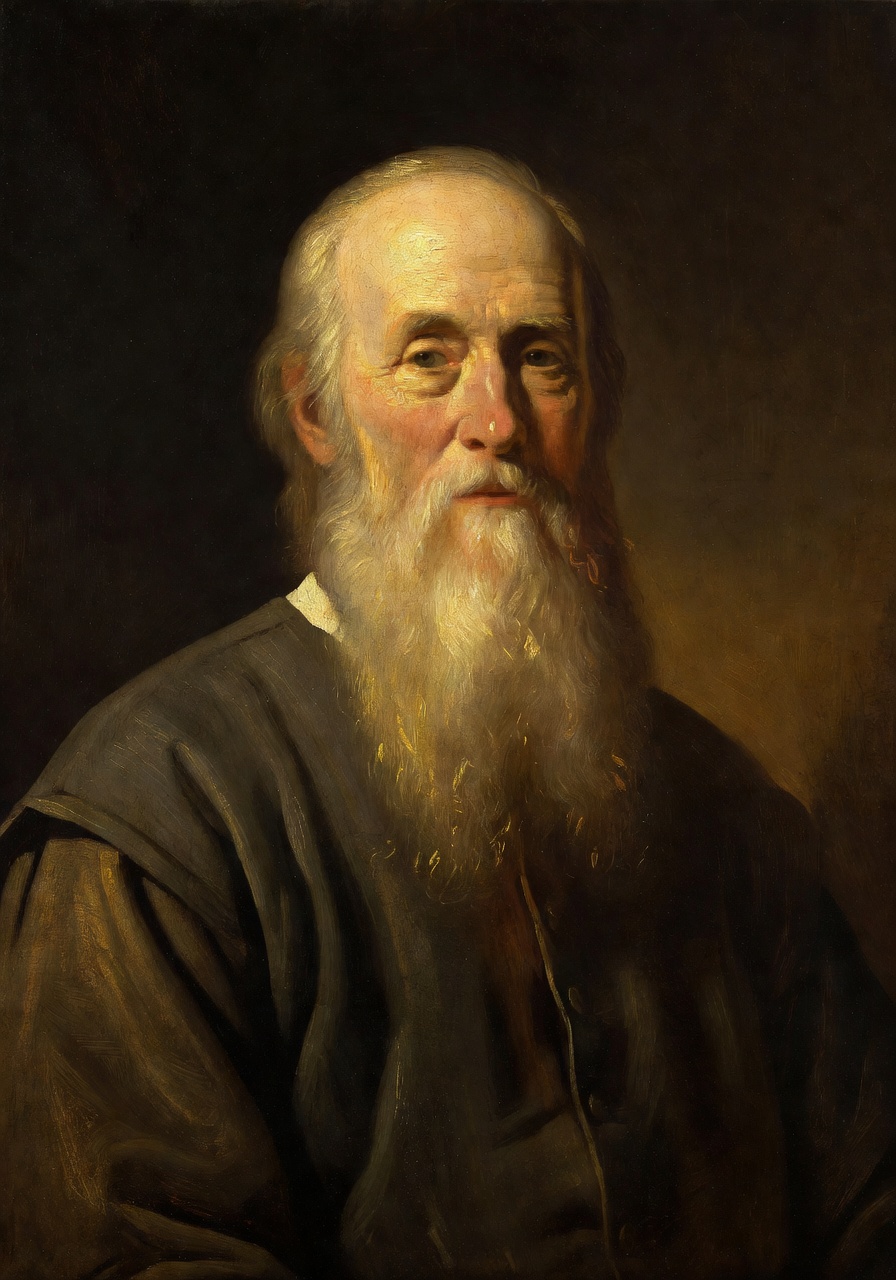
1636–1723 · Warwickshire, England
The longest-lived Valiant Sixty member, witness to 70 years of Quaker growth
"I was convinced by the Lord's power, which was the beginning of my ministry." —
Born in the village of Barnwell, near Oundle in Warwickshire, just as the Quaker movement was beginning its first stirrings in the north of England.
Convinced of the Quaker message at age 17 after hearing James Nayler preach. Whitehead became one of the youngest members of the Valiant Sixty.
Began public ministry almost immediately after convincement, demonstrating remarkable spiritual maturity despite his youth and lack of formal education.
First significant imprisonment for refusing to remove his hat to a magistrate—a position that got him arrested wherever he traveled.
Spent 1666 imprisoned in Newgate, where he nearly died, continuing to minister even in prison.
Released after years of imprisonment, during which time he had established himself as a key leader despite his youth.
Worked tirelessly through legal channels to secure toleration for Quakers, using his natural legal acumen to navigate complex statutes.
Lived to see the Toleration Act passed, which finally granted Quakers legal protection for their meetings—partly through Whitehead's efforts.
Published 'Mercurius Modestus,' answering critics and defending Quaker principles against attacks from established church leaders.
Died in 1723 at age 87; his autobiography 'Christian Progress' published posthumously in 1725, documenting 70 years of Quaker life.
Convinced by Nayler's preaching at age 17. The fiery Yorkshire ministry that would soon end in controversy gave Whitehead his first introduction to Quakerism.
Collaborated with Fox in London ministry and legal efforts. Both men worked to establish Quakerism despite decades of persecution.
Worked alongside Penn in securing toleration for Quakers. Both brought legal acumen to the struggle for religious freedom.
While Barclay provided the scholarly defense of Quakerism, Whitehead offered practical legal advocacy and pastoral leadership.
Whitehead's autobiography, published posthumously in 1725, documenting 70 years of Quaker ministry from the first stirrings through establishment—a priceless historical record and spiritual memoir.
Published 1696, answering critics and defending Quaker principles against attacks from Church of England leaders.
A treatise explaining the Quaker doctrine of the inward light and the role of reason in spiritual understanding.
A defense of Quaker principles against accusations of heresy and explanations of their positions on oaths, church authority, and Scripture.