Born in Westmorland
Born in the Lake District, a remote region where traditional religious structures were weak and underground Seekers flourished.
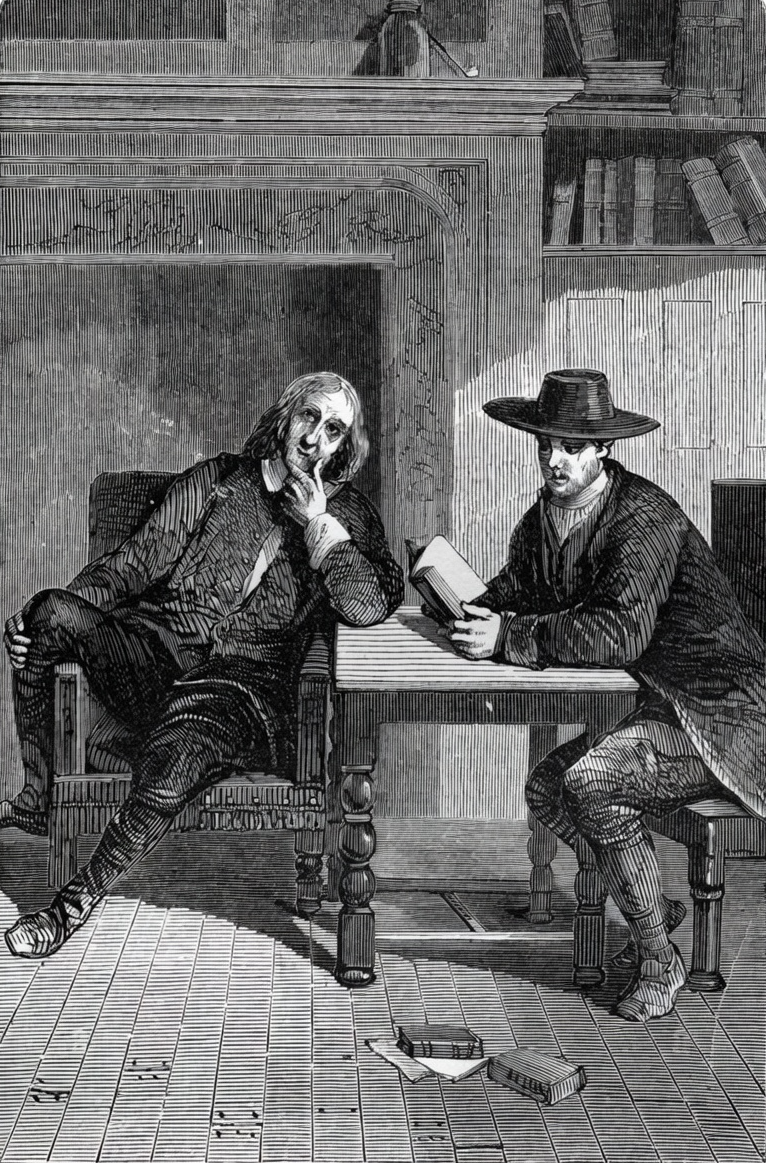
1634–1663 · Underbarrow, Westmorland
First Publisher of Truth, Voice of the Movement
"The day of the Lord is come, and his power revealed, and made manifest in his people." — Edward Burrough
Born in the Lake District, a remote region where traditional religious structures were weak and underground Seekers flourished.
Heard George Fox preach at a Baptist chapel in Sedbergh. Burrough was 18; his convincement was immediate and complete.
Burrough immediately began proclaiming the Quaker message, traveling with Francis Howgill as one of the 'First Publishers of Truth.'
Burrough and Howgill arrived in London. Within three years, they had converted thousands and established Quaker meetings throughout the capital.
Published 'To the Present Distracted and Divided Nation of England,' defending Quakers against charges of sedition. He and Howgill were becoming the movement's public voice.
Waited on Cromwell at Whitehall, demanding religious toleration. When rebuffed, he warned: 'He that made the world to be a habitation for man shall make it too hot for thee.'
Charles II's return meant persecution intensified. Burrough was arrested repeatedly for illegal assembly and refusing oaths.
Arrested for attending Quaker meetings. Already weakened by previous imprisonments, his health deteriorated rapidly.
Died in prison at age 29. His collected works, published posthumously, would exceed 2,000 pages.
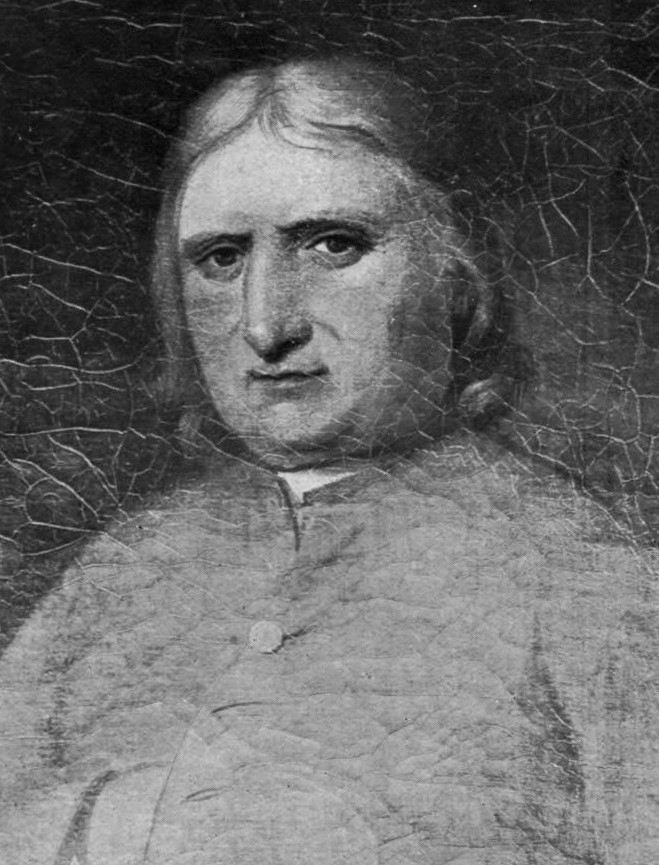
Fox convinced Burrough at Sedbergh. Though Burrough's ministry was independent, he always acknowledged Fox's foundational role.
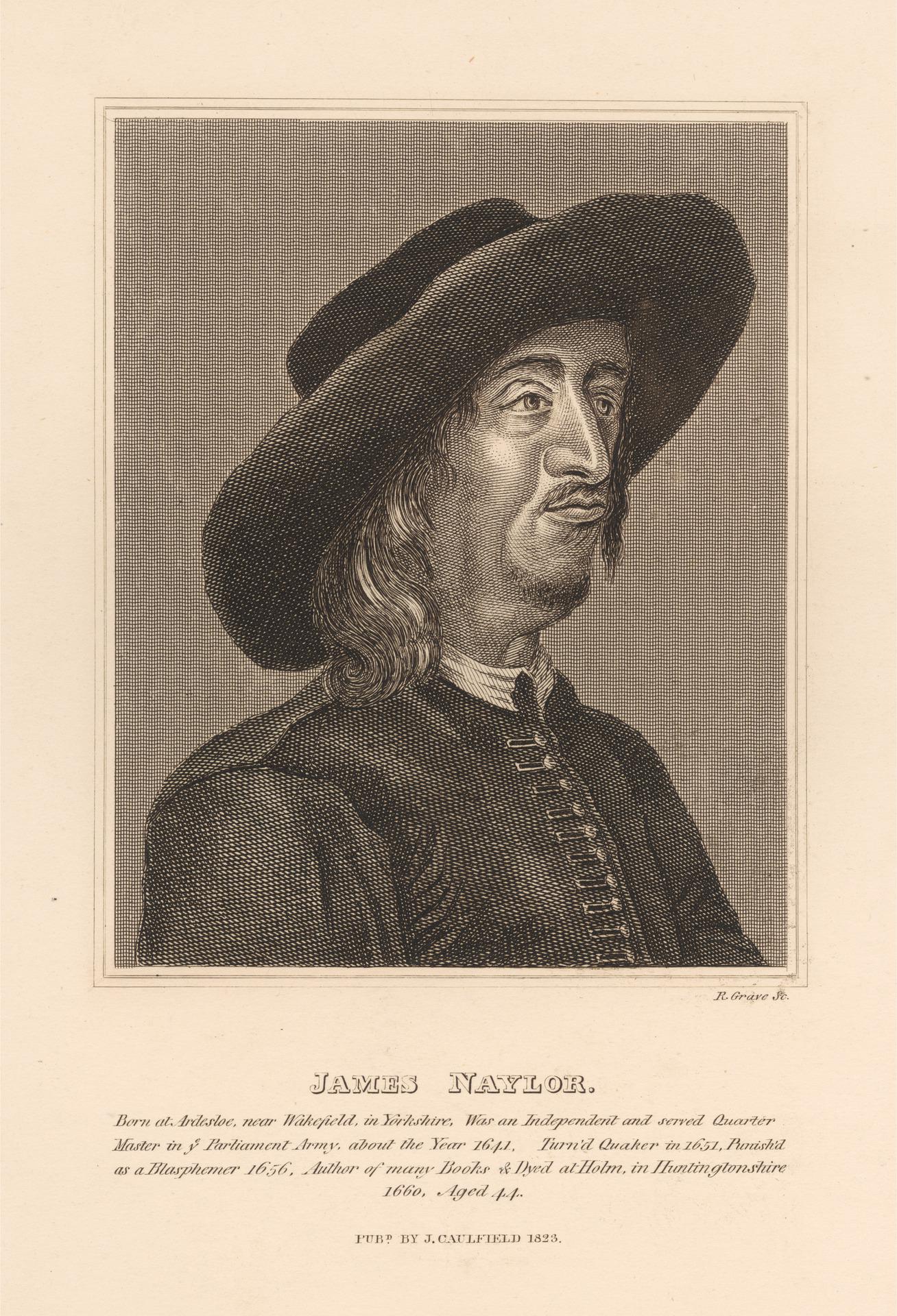
Both early converts in the north, Burrough and Nayler frequently traveled together before Nayler's controversial Bristol entry.
Howgill and Burrough were inseparable partners. Together they converted London and wrote the movement's first published defenses.
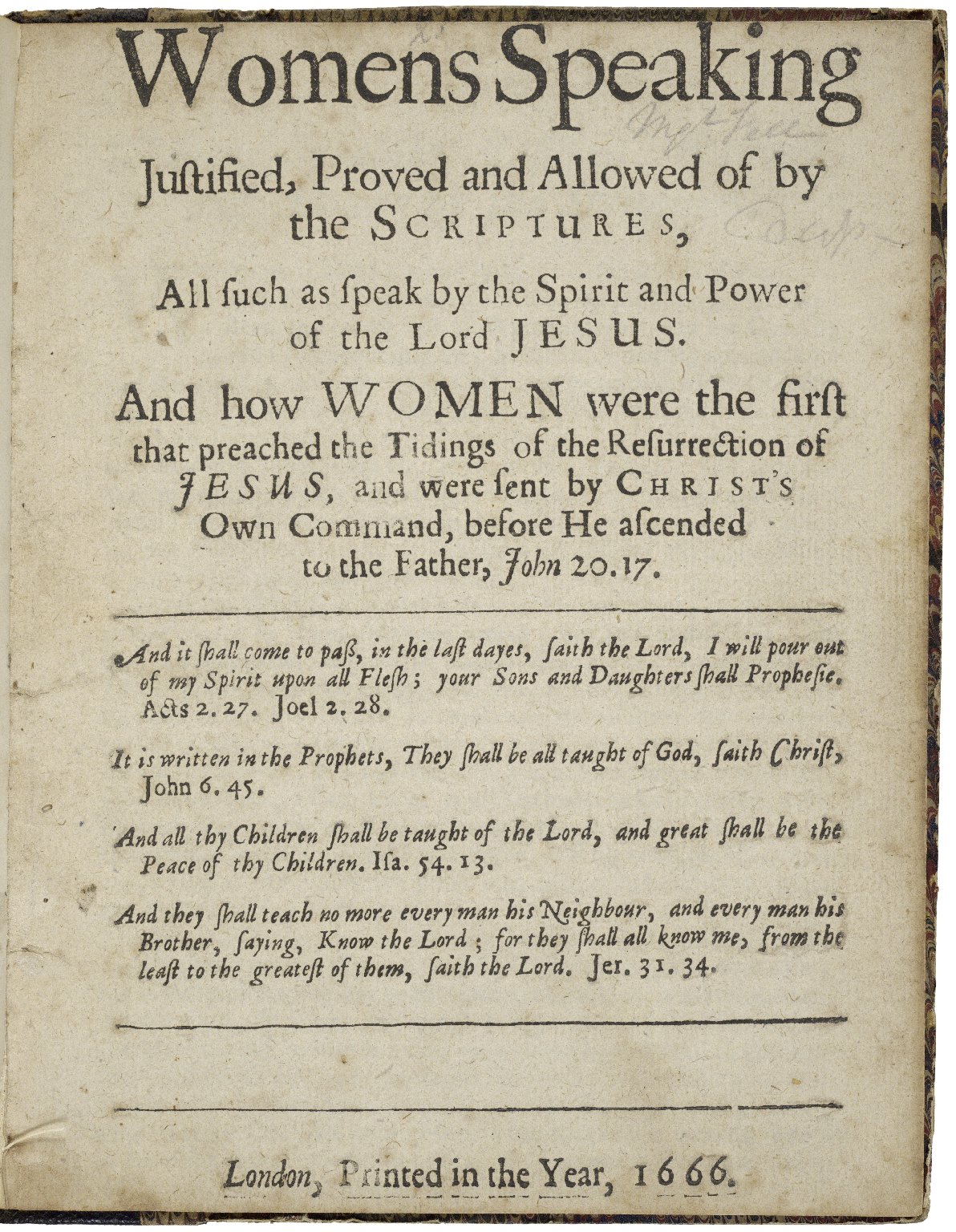
Swarthmore Hall sheltered Burrough during his early ministry. He corresponded with Margaret about the movement's rapid growth.
The complete collected writings of Edward Burrough — over 2,000 pages of letters, defenses of Quakerism, sermons, and prison writings. Includes his famous 'To the Camp of the Lord in England.'