Born in England
Born during the reign of Charles I, Shewen grew up in the turbulent period leading to the English Civil War and the religious ferment that would produce the Quaker movement.
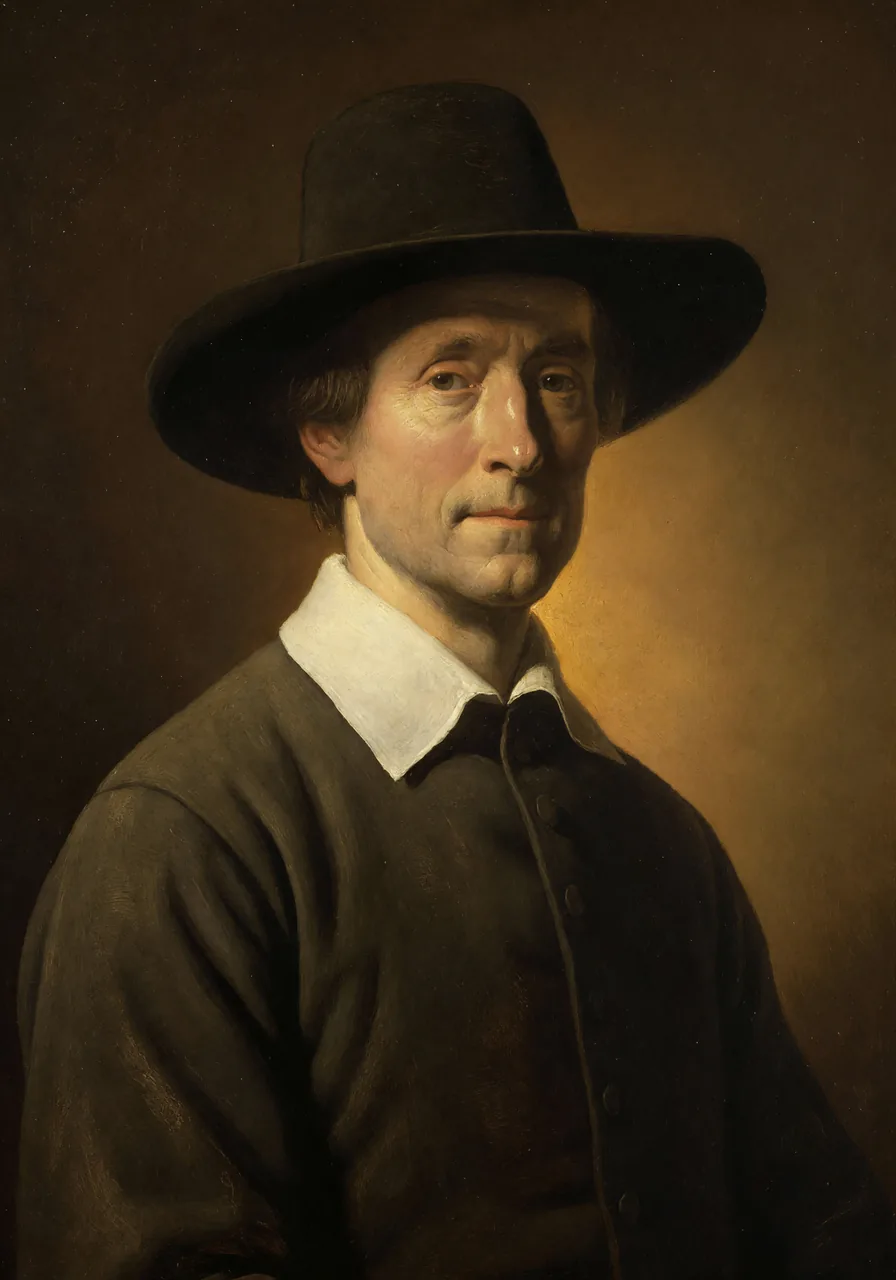
Reflective writer on the inward life of the Spirit
“The thoughts and imaginations of the natural mind are the great hindrance to the soul's communion with God.” — William Shewen
Born during the reign of Charles I, Shewen grew up in the turbulent period leading to the English Civil War and the religious ferment that would produce the Quaker movement.
Convinced in the early years of the Quaker movement, joining the Society during the explosive growth of the 1650s when the Valiant Sixty were spreading the message across England.
Endured the persecutions following the restoration of Charles II, when thousands of Friends were imprisoned under the Quaker Act, Conventicle Acts, and Five Mile Act.
Began producing the short devotional works for which he would become known, addressing the practical challenges of maintaining inward communion with God amid the distractions of the world.
Published a guide for the spiritual journey, offering practical counsel to Friends seeking to grow in faithfulness and deepen their walk with Christ.
Published his most influential work, a careful examination of how the undisciplined mind hinders communion with God and how the Light Within brings the thoughts into subjection to Christ.
Lived to see the end of the worst persecutions with the passage of the Toleration Act, which granted legal protection to Dissenting worship including Quaker meetings.
Died in 1695 after four decades of faithful Quaker life and writing. His devotional works continued to circulate widely among Friends, sustaining the inward spiritual tradition.
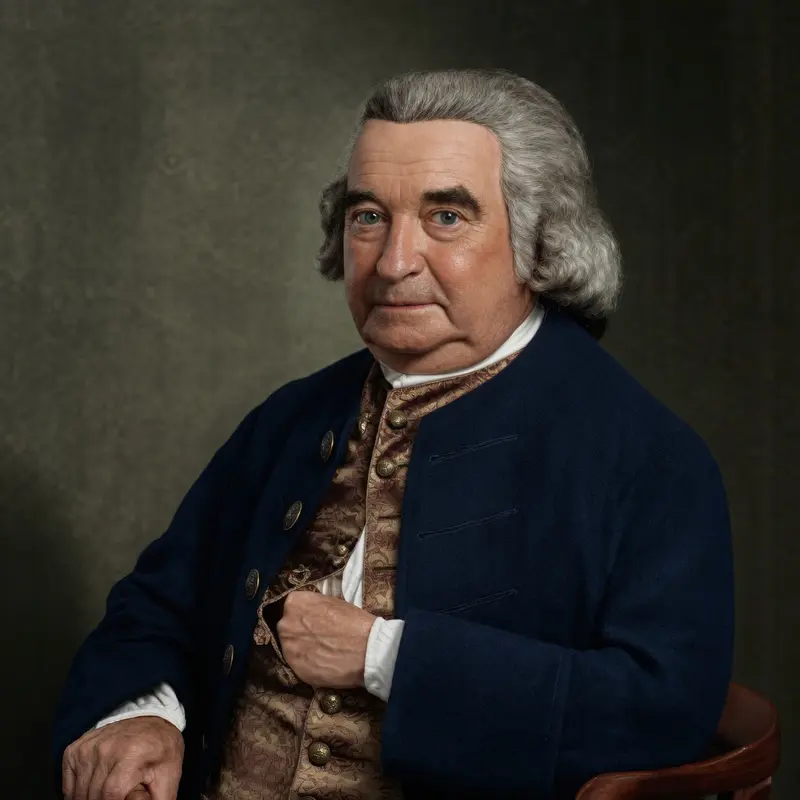
Like Penington, Shewen wrote from deep personal experience of the inward life. Both men addressed the challenges of maintaining communion with God, though Penington's work was more theologically expansive.
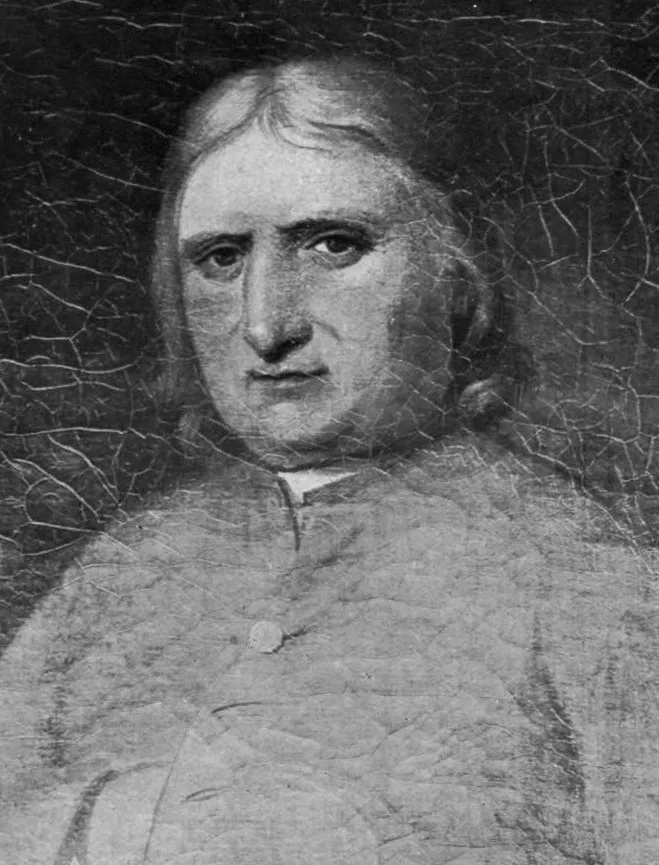
Convinced during Fox's lifetime, Shewen's writings reflect the original Quaker emphasis on the immediate experience of Christ's Light in the conscience and the discipline of the inward life.
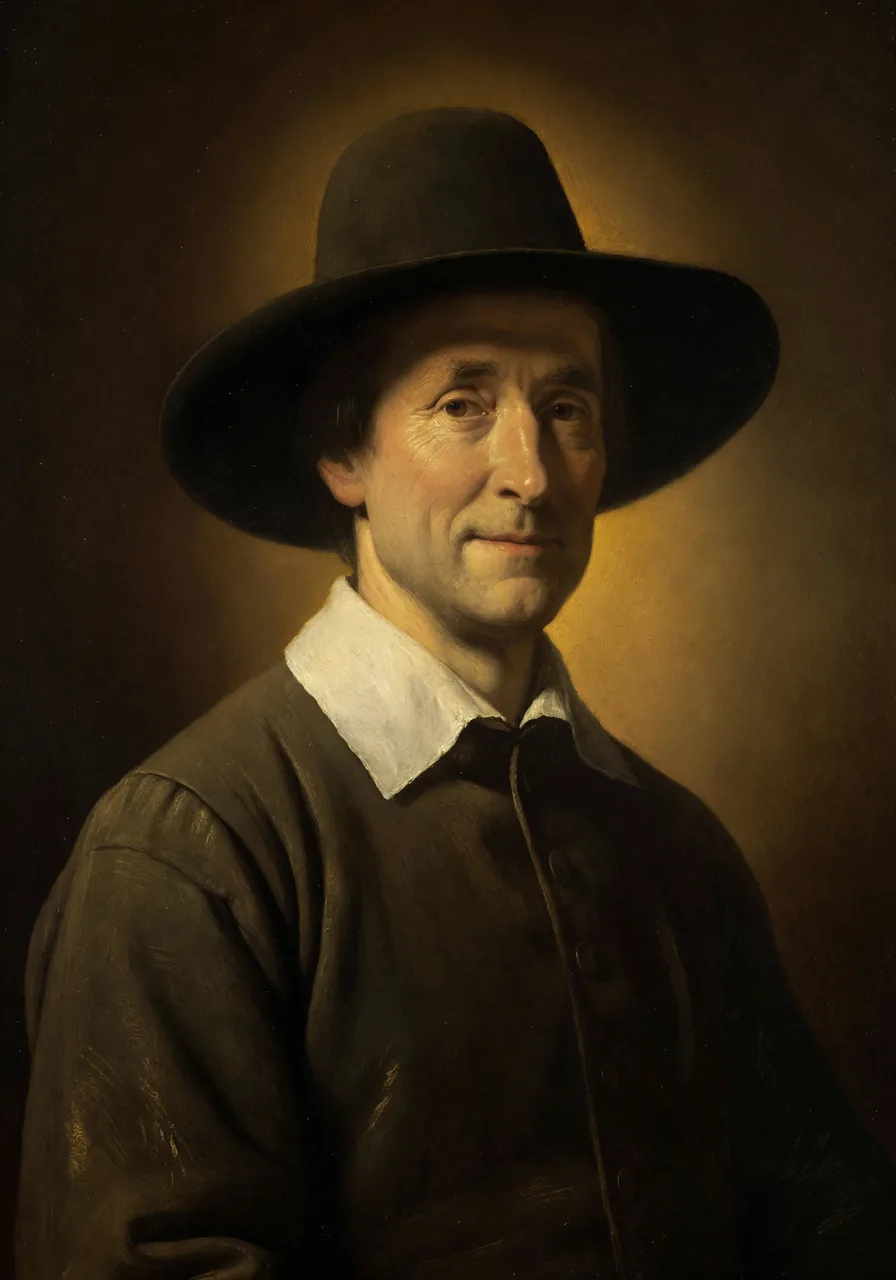
Both Shewen and Turford contributed to the practical devotional literature of late seventeenth-century Quakerism, producing short works that were widely read by ordinary Friends.
Shewen's most influential work, examining how the undisciplined mind hinders communion with God and how the Light Within brings the thoughts into obedience to Christ. A practical classic of Quaker contemplative writing.
A guide for the spiritual journey, offering practical counsel to Friends seeking to deepen their faithfulness and grow in the life of the Spirit.
A collection of reflections drawn from Shewen's own spiritual practice, exemplifying the reflective, inward devotional voice of late seventeenth-century Friends.