Born in Amsterdam
Born into a Dutch Quaker family in Amsterdam. His mother, Judith Zinspenning, was herself a Quaker writer, and his father, Jacob Sewel, was a medical doctor who had been convinced by William Ames.
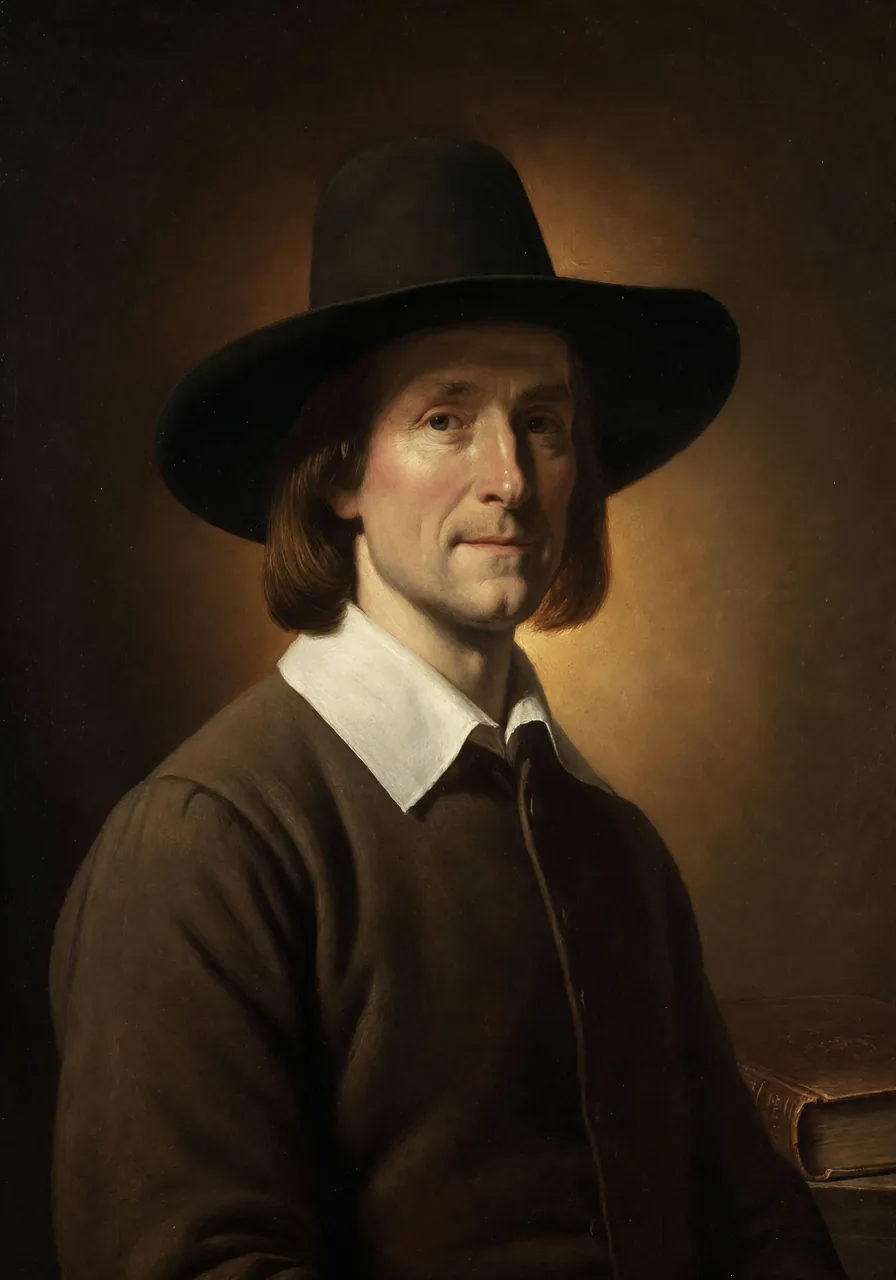
The First Authoritative Historian of the Movement
“To set down the truth of things as they really happened.” — William Sewel
Born into a Dutch Quaker family in Amsterdam. His mother, Judith Zinspenning, was herself a Quaker writer, and his father, Jacob Sewel, was a medical doctor who had been convinced by William Ames.
Grew up bilingual in Dutch and English within the Amsterdam Quaker community, one of the most important Continental meetings. He absorbed firsthand accounts of the movement's origins from visiting English ministers.
When Fox visited the Netherlands during his Continental journey, the young Sewel met the founder and heard him preach — an encounter that deepened his commitment to recording the movement's history.
Published a comprehensive English and Dutch dictionary that became a standard reference work in the Netherlands. His linguistic skills would serve the History well.
Published a Dutch grammar designed for English-speaking audiences, further establishing his reputation as a scholar and linguist.
Translated works by William Penn and other English Quaker authors into Dutch, serving as a vital bridge between English and Continental Quakerism.
Began the systematic research and writing of his comprehensive History of the Quakers, corresponding with surviving first-generation Friends and collecting documents, letters, and testimonies.
Spent over twenty years gathering sources, interviewing witnesses, and writing. He drew on court records, meeting minutes, published works, and personal correspondence from across England and the Continent.
Published the Dutch edition of his massive History — covering the Quaker movement from its origins through the end of the seventeenth century. It was over 900 pages and represented a lifetime of scholarship.
Died in Amsterdam on August 19, leaving behind the most comprehensive history of early Quakerism. He did not live to see the English translation published.
The English edition of the History appeared two years after Sewel's death and quickly became the standard Quaker history, reprinted many times throughout the eighteenth and nineteenth centuries.
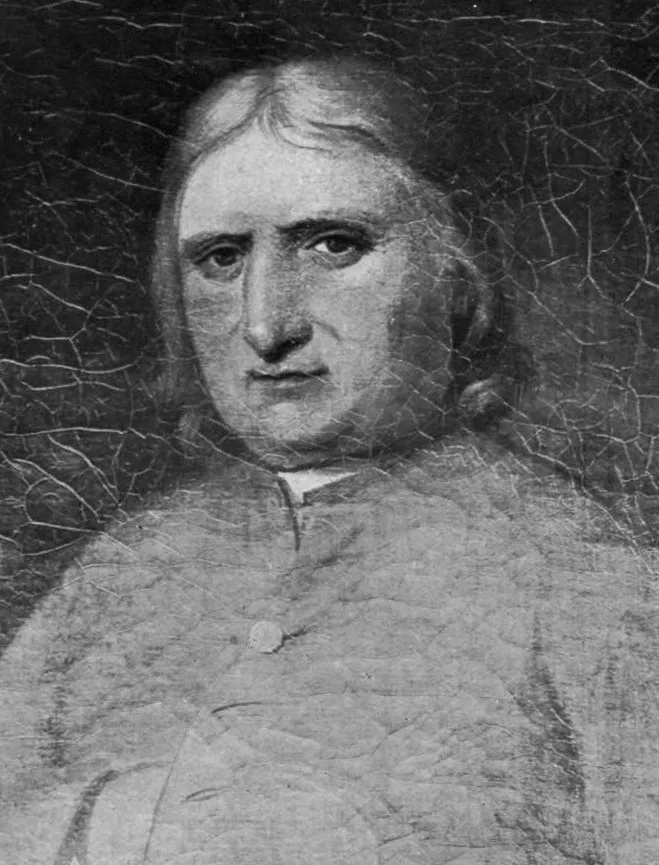
Sewel met Fox during his 1672 visit to the Netherlands. Fox's Journal and Sewel's History together form the twin pillars of primary-source knowledge about the movement's origins.
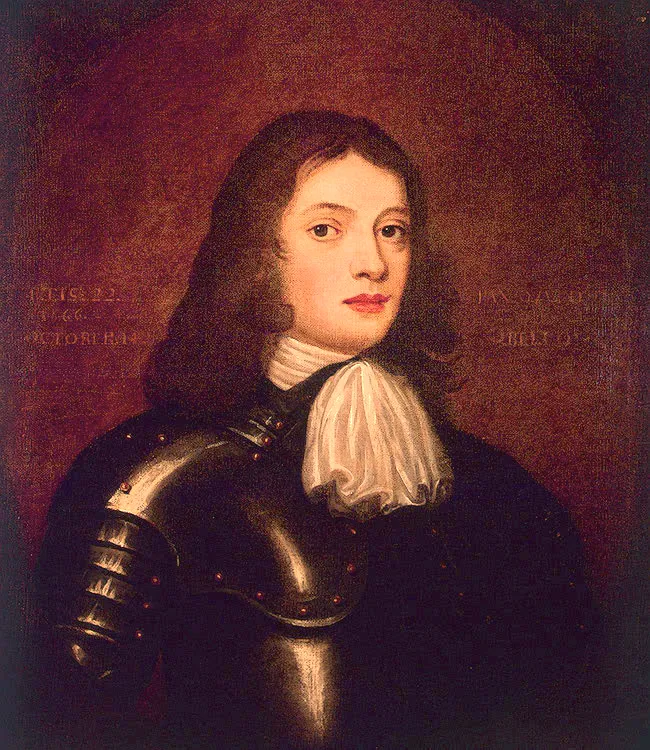
Sewel translated Penn's works into Dutch and drew on Penn's Rise and Progress as a source. Penn's brief history and Sewel's comprehensive one complemented each other.
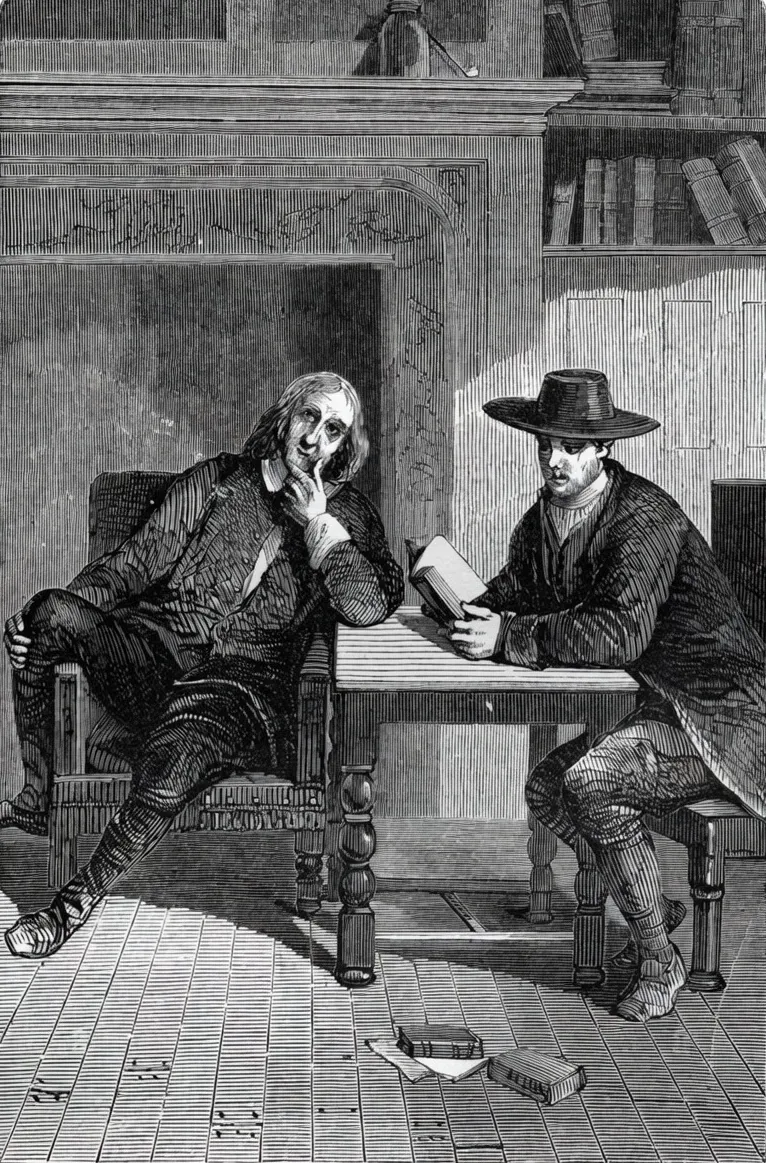
Ellwood edited Fox's Journal while Sewel wrote the comprehensive history. Together their editorial and historical labors preserved the founding generation's story for posterity.
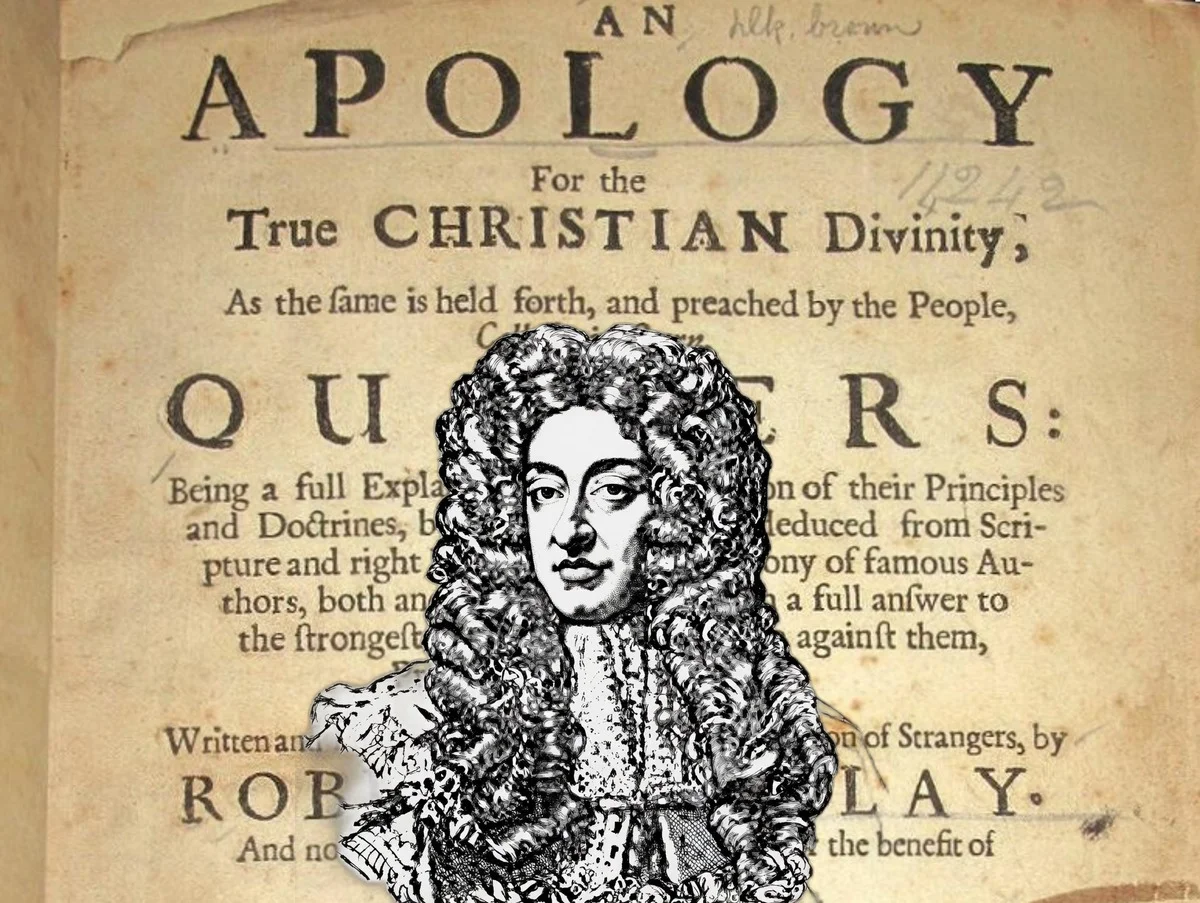
Sewel's History records Barclay's theological contributions and his interactions with European royalty, providing essential context for understanding the Apology's reception.
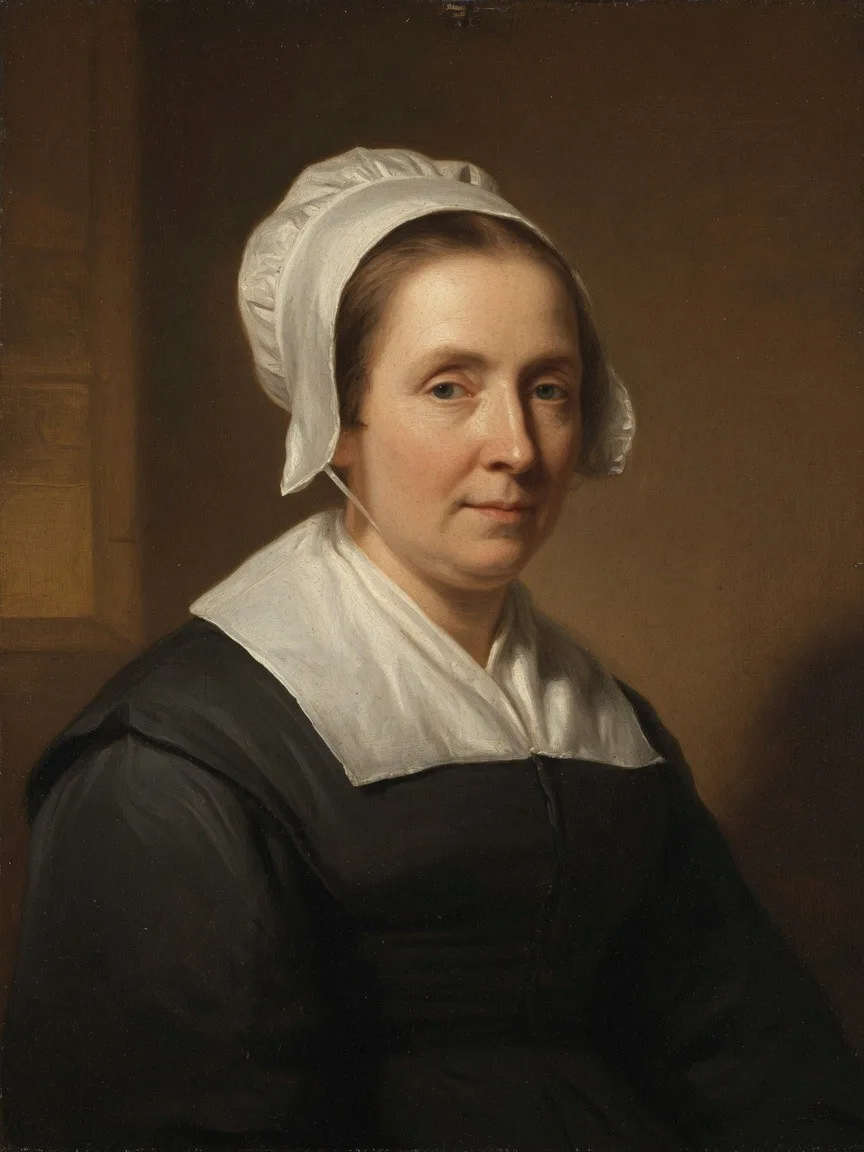
Sewel drew on Fell's extensive correspondence and her Brief Collection as primary sources, and his History preserves details of Swarthmoor Hall's role as the administrative center of early Quakerism.
William Sewel's classic History of the Rise, Increase, and Progress of the Christian People Called Quakers — for two centuries the standard account of early Quakerism. Volume I carries the story from the Reformation background through the great northern convincement to the first wave of persecution (1647–1656).
Published in 1688 and reprinted many times, this comprehensive dictionary established Sewel's scholarly reputation and demonstrated the linguistic skills he brought to his historical research.
Sewel translated works by Penn and other English Quaker writers into Dutch, serving as the principal intellectual bridge between English Quakerism and the Continental meetings.