Born in Yorkshire
Born in Allerthorpe, East Riding of Yorkshire, into a humble family. As a youth he was apprenticed to a cloth-maker.
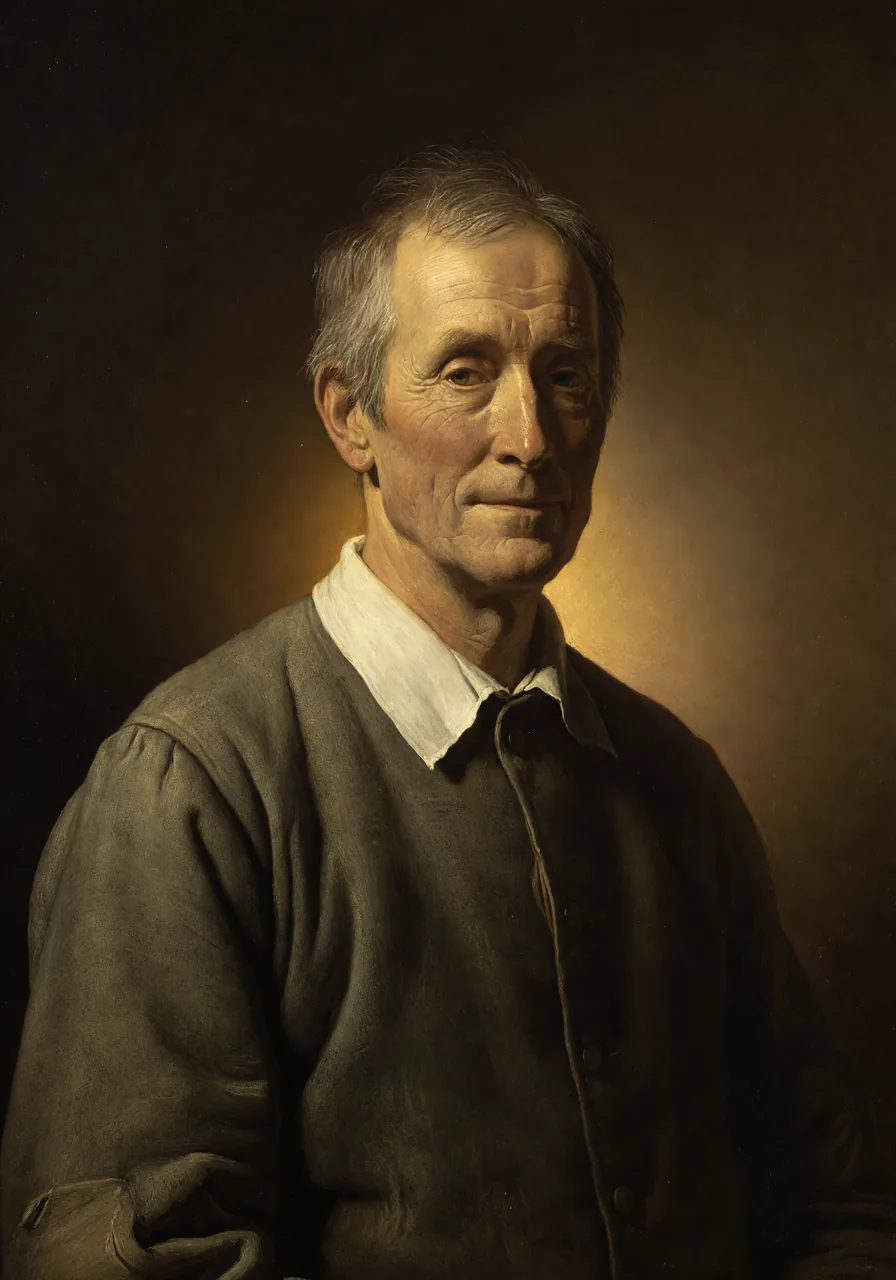
Soldier Turned Suffering Servant
“All Friends everywhere, mind that which is eternal, which gathers your hearts together up to the Lord.” — William Dewsbury
Born in Allerthorpe, East Riding of Yorkshire, into a humble family. As a youth he was apprenticed to a cloth-maker.
Enlisted in the Parliamentary forces during the English Civil War. The experience of violence and the army's religious ferment deepened his spiritual searching.
After three years of combat, Dewsbury was seized by a deep spiritual crisis. He began fasting, praying, and seeking among various religious groups for the truth.
Met Fox and was convinced of the Quaker message. He quickly became one of the most powerful and effective early preachers, traveling the northern counties.
Became a leading minister in Yorkshire, helping to establish meetings across the North. His preaching was marked by passionate intensity and tenderness.
Published 'A True Prophesie of the Mighty Day of the Lord,' one of the earliest Quaker prophetic tracts, calling England to repentance.
Arrested for preaching and imprisoned at Northampton — the first of many imprisonments. He bore suffering with extraordinary patience and courage.
Published 'The Discovery of the Great Enmity of the Serpent,' a doctrinal tract distinguishing true spiritual religion from outward forms.
Played a crucial role in organizing Quaker meetings for worship and business, establishing the patterns of church order that would sustain the Society through decades of persecution.
After the Restoration of Charles II, Dewsbury was imprisoned at Warwick Castle. With brief interruptions, he would remain confined there for nearly nineteen years.
From his cell, Dewsbury wrote pastoral epistles to Friends throughout England — letters of encouragement, counsel, and spiritual direction that circulated widely.
Finally released under James II's moves toward toleration, after spending more time in prison than almost any other Quaker leader.
Died on June 17 at Warwick, aged sixty-seven, his health broken by decades of imprisonment. His collected works were published the following year.
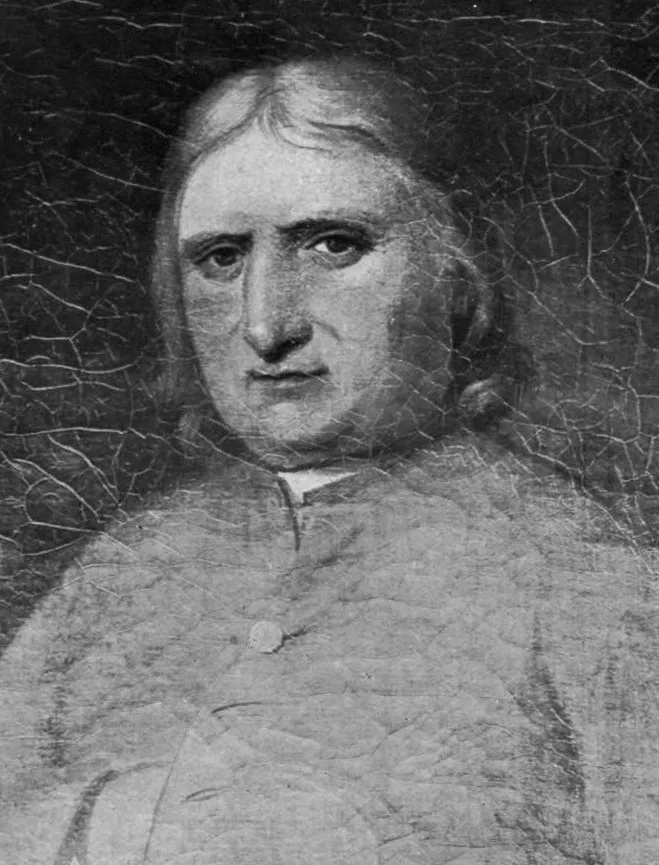
Fox convinced Dewsbury in 1651. Dewsbury became one of the most trusted ministers in the movement and a key architect of Quaker church order.
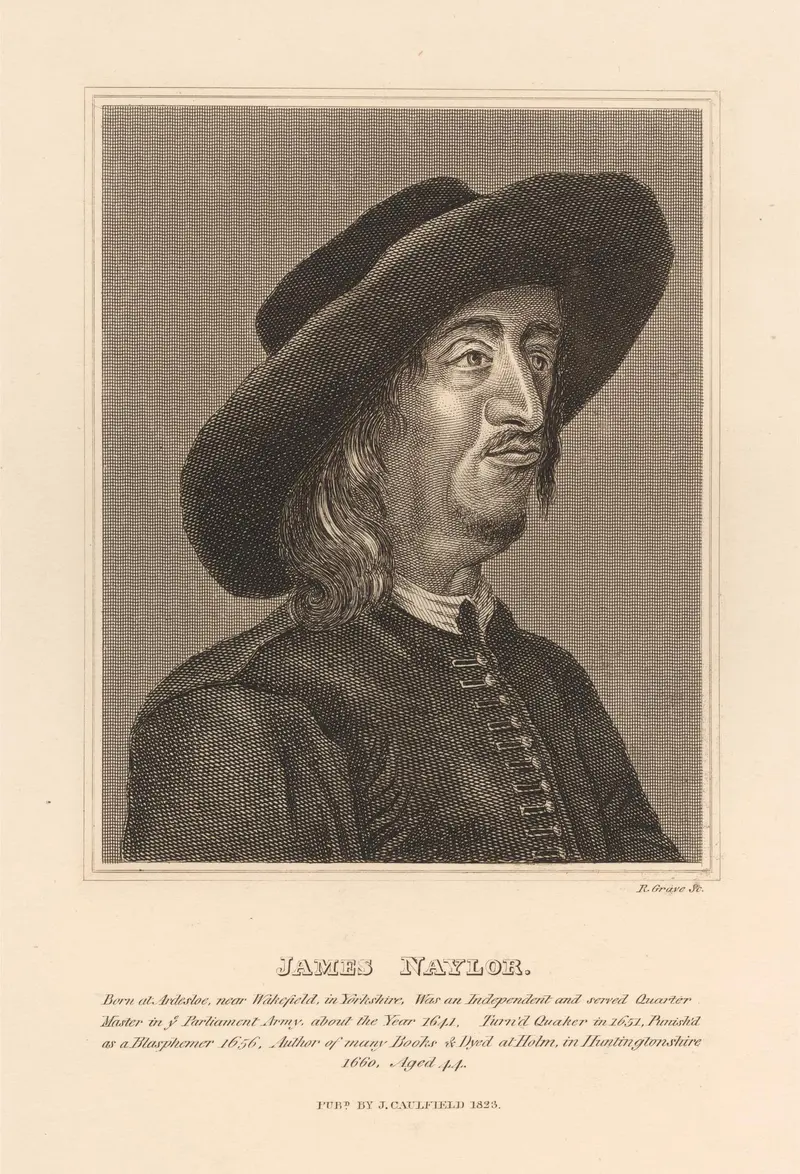
Dewsbury and Nayler were both Yorkshire men, former soldiers, and early converts. Both suffered greatly for the faith, though their paths diverged after the Bristol incident of 1656.
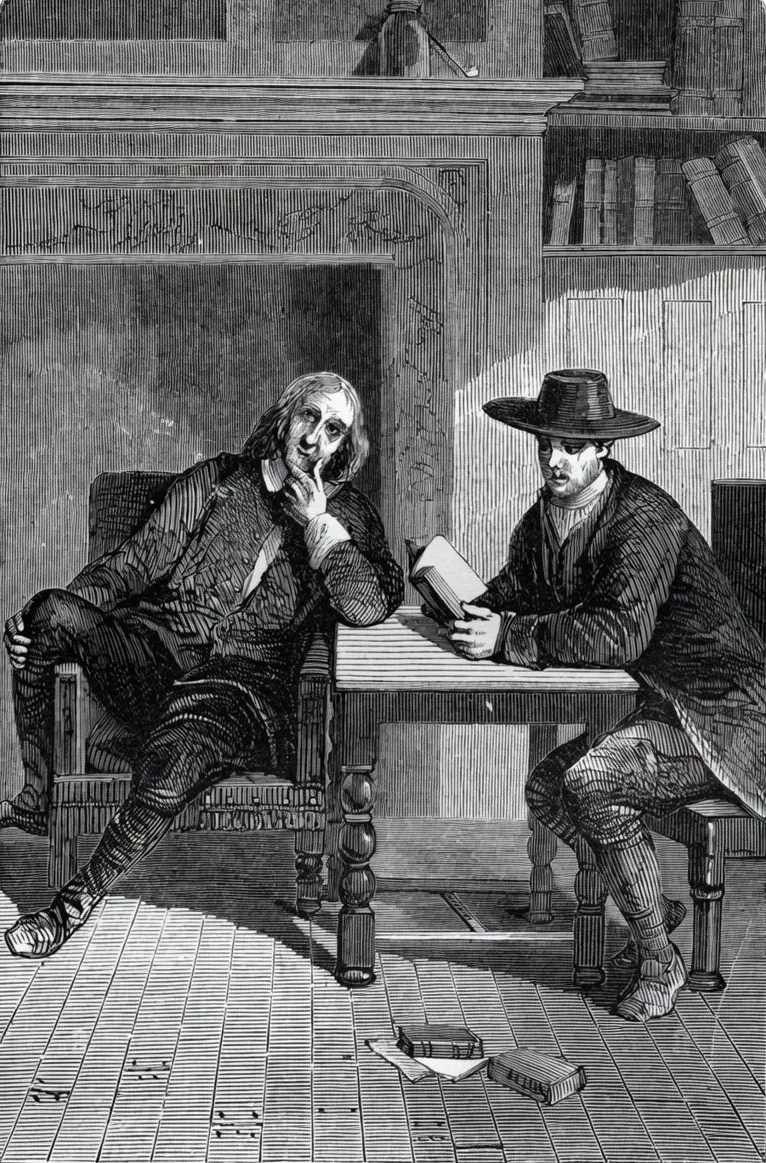
Burrough and Dewsbury were both among the original 'Valiant Sixty' who spread Quakerism across England in the 1650s. Burrough went to London; Dewsbury stayed in the north.
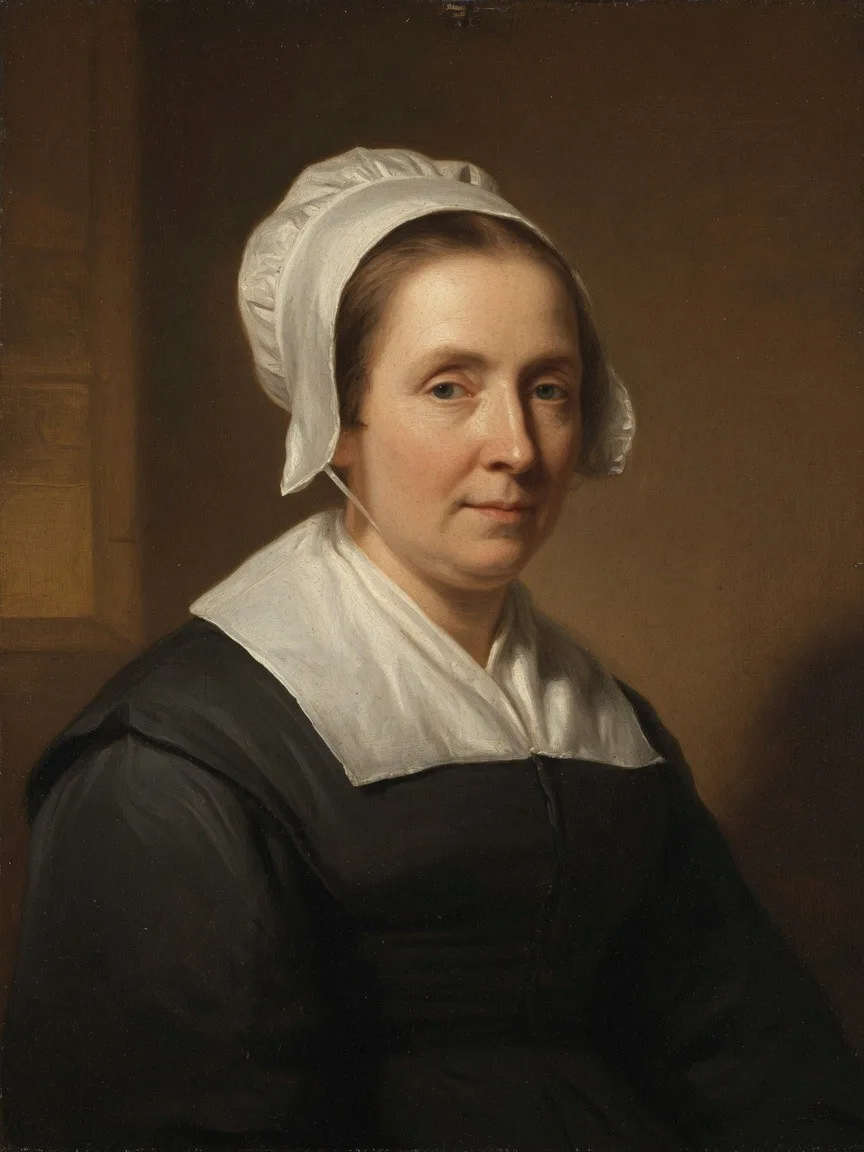
Dewsbury maintained a pastoral correspondence with Margaret Fell at Swarthmoor Hall, coordinating the movement's response to persecution and the care of imprisoned Friends.
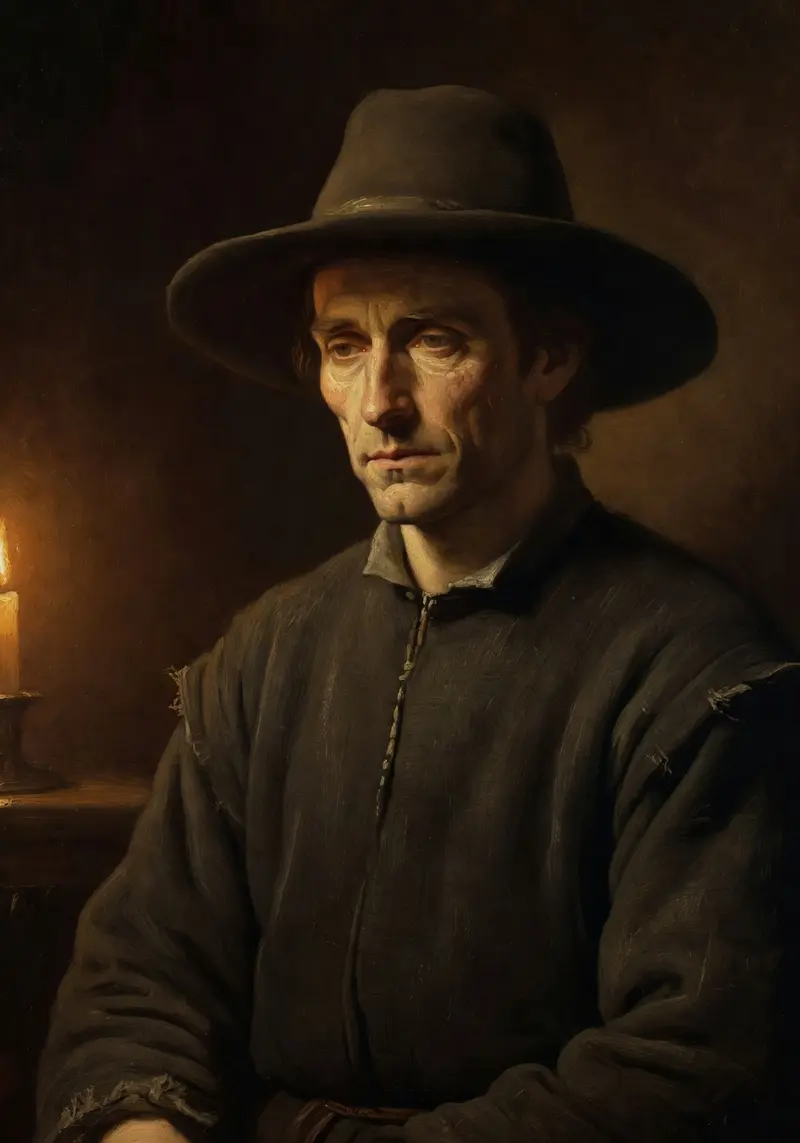
Both men endured years of imprisonment for their faith. Howgill died in Appleby prison in 1669; Dewsbury survived Warwick but at great cost to his health.
The Friends' Library memoir assembled by Edward Smith, with Dewsbury's letters, epistles, and courtroom answers — from shepherd boy and Parliament soldier to one of the Valiant Sixty and close to nineteen years in the Restoration jails. A modern English edition.
The collected life and writings of William Dewsbury (c. 1621–1688), one of the Valiant Sixty — a body of fiery prophetic tracts and tender pastoral letters from a man who spent nearly thirty years in prison and called his cell a palace.
Published in 1654, one of the earliest Quaker prophetic tracts — a passionate call to England to repent and turn to the Light.
Published in 1655, a doctrinal work distinguishing true spiritual religion from outward forms and ceremonies — a foundational statement of Quaker principles.