Convinced at Cork
A Baptist teacher and army officer, he heard Edward Burrough and Francis Howgill preach at Cork that what convinces a man of sin is the Light of Christ, and embraced the doctrine 'from a firm conviction of its being the Truth'.
The Bold Apostle to Holland and the Palatinate
“Well, I intend to go out to-morrow.” — William Ames
A Baptist teacher and army officer, he heard Edward Burrough and Francis Howgill preach at Cork that what convinces a man of sin is the Light of Christ, and embraced the doctrine 'from a firm conviction of its being the Truth'.
Suspected of posting a paper on the English meeting-house door, he and his companion were led out of the town by night; Ames walked back through the great market-place the next day, and the magistrates thought it safest 'to wink at his return'.
Imprisoned for three weeks in the Bedlam at Rotterdam for a meeting at Martin Martinson's house, he refused to slip out when the governor hinted he might, saying 'I intend to go out to-morrow'; the same year he was kindly received, hat on, at the table of the Prince Elector Charles Lodowick.
Set out with Caton from Holland toward Cologne and the Palatinate; he returned to Amsterdam to get their books printed while Caton stayed with the Friends at Kriesheim.
Taken from a Friend's house in London with Samuel Fisher and three others and held in Bridewell, where he combed wool rather than be burdensome to any; he was released lest he should die there.
Returned to Amsterdam with his health broken; told that the Baptists reported he had changed his sentiments, he denied it, 'and died in peace' in the latter part of the year. Caton records bringing his body to the ground.
Caton called him 'my dear brother', travelled with him through Gelderland and into Germany in 1661, and buried him at Amsterdam.
His preaching at Amsterdam convinced Jacob Williamson Sewel and Judith Zinspenning, the historian's parents, among the first Friends in that city; Sewel's History gives the closing character of him as 'a zealous man' who 'rather chose to work with his own hands'.
Taken with Fisher from a Friend's house in London in 1662 and imprisoned together in Bridewell.
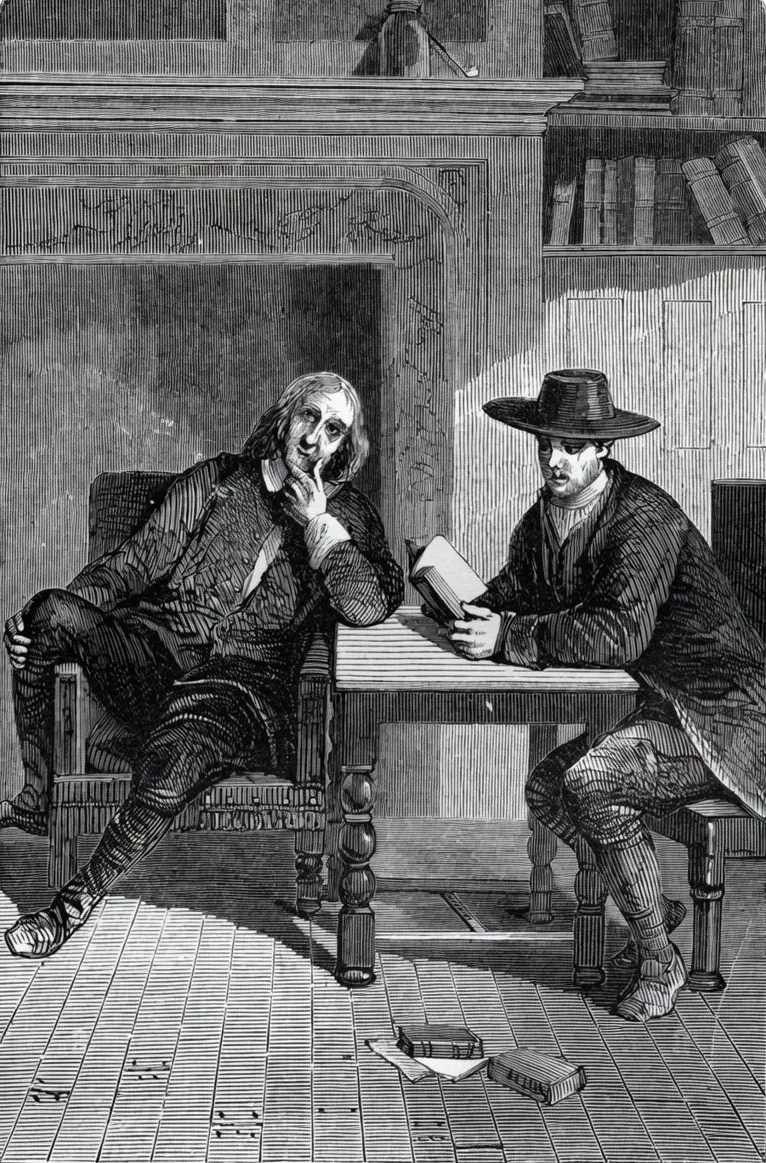
It was Burrough's and Howgill's preaching at Cork in 1655 that turned him from Baptist teacher to Quaker minister.
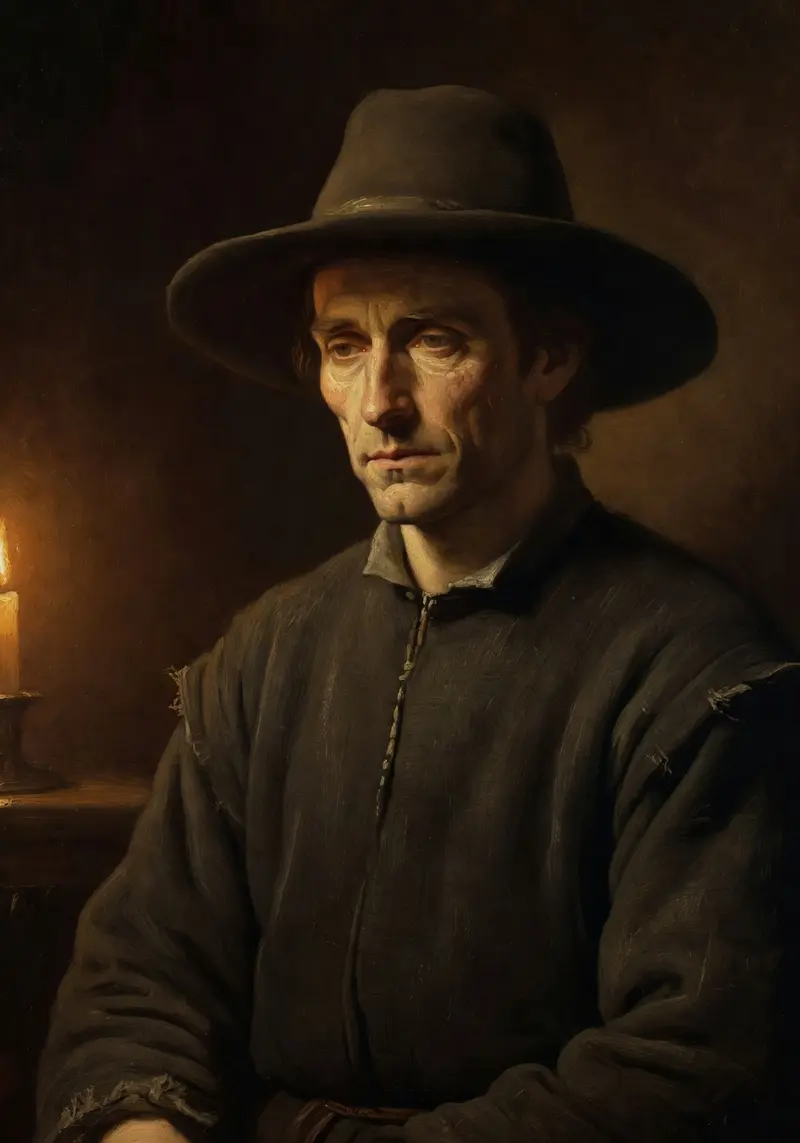
Heard Howgill and Burrough preach at Cork in 1655 and embraced the doctrine of the Light of Christ.
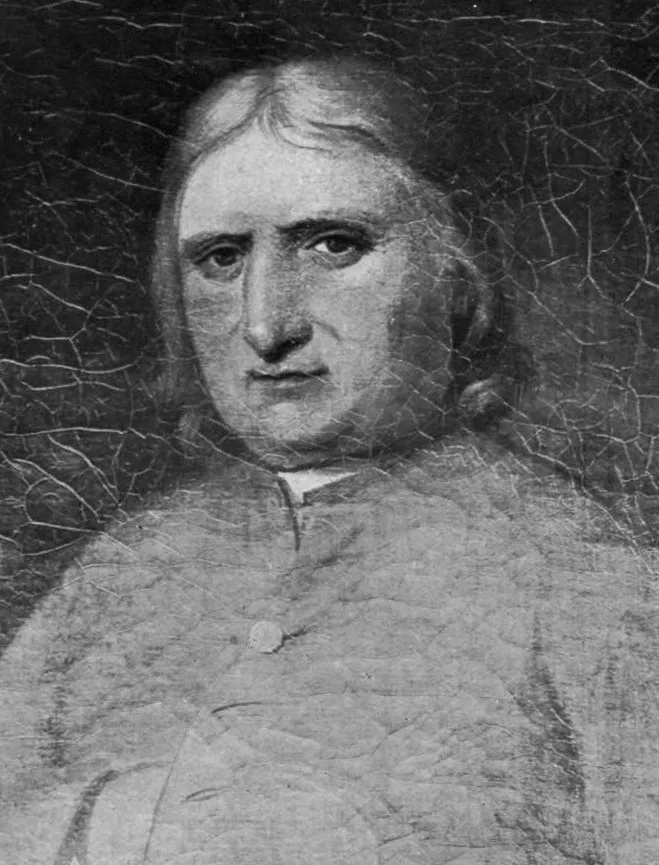
Sent a letter to the Prince Elector Palatine together with a book written by George Fox, which John Higgins delivered; the prince asked that Ames be thanked for it.
The memoir from the Friends' Library, volume 11 (1847), drawn largely from Sewel: the Amsterdam banishment, the Palatine court, Kriesheim, the Rotterdam Bedlam, and Bridewell. The Friends' Library notes that he published several small works listed in John Whiting's catalogue.