Born in Colchester
Born into a middle-class family in Colchester, Essex. His early life was marked by spiritual seeking before discovering Quakerism.
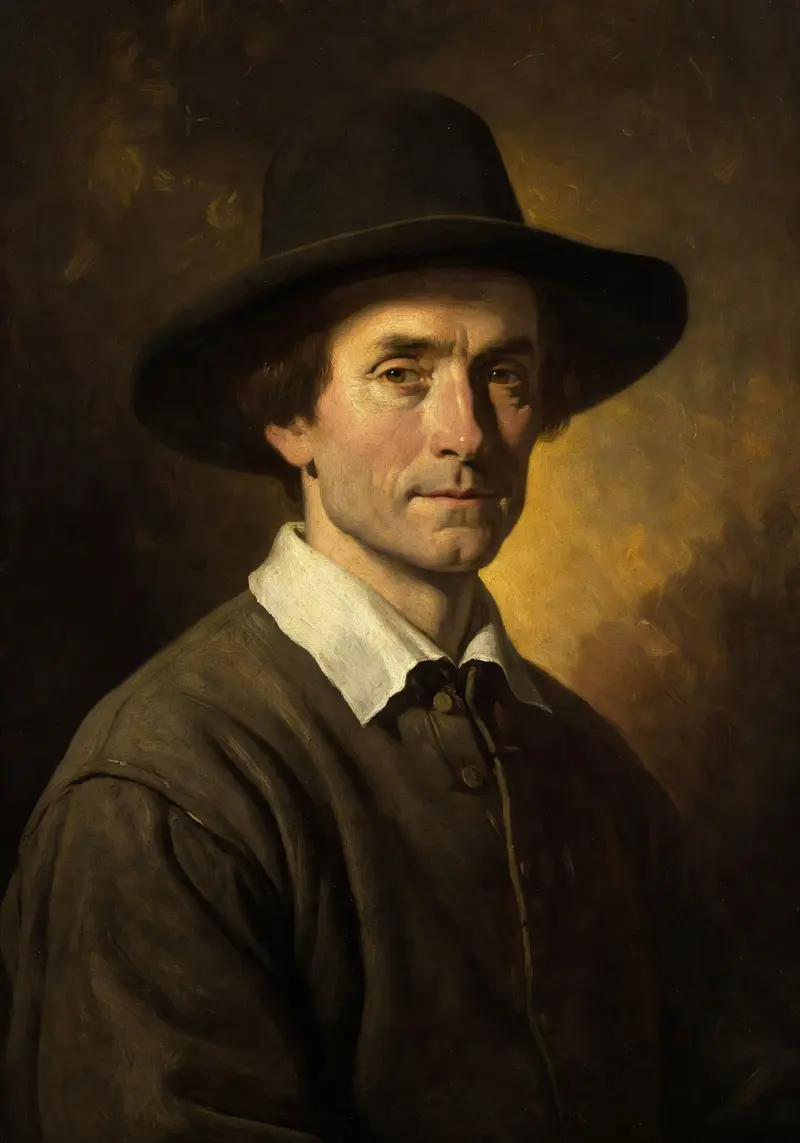
Traveling Minister, Pillar of Essex
“I travelled for truth's sake, and found it within, which makes me travel still.” — Stephen Crisp
Stephen Crisp was born in 1628 in Colchester, Essex, into a middle-class family. Unlike many early Quakers who came from the northern counties where the movement first took hold, Crisp was converted in the south during the early years of Quaker expansion. His spiritual journey was marked by genuine seeking before the Quaker message provided the answers he had been looking for.
Convinced in 1654, Crisp quickly became one of the movement’s most active ministers. His combination of tireless energy, organizational ability, and—crucially—linguistic talents made him exceptionally valuable for the international expansion of Quakerism. Where many early ministers were limited to England, Crisp could communicate across language barriers.
His missionary career was marked by frequent imprisonments, characteristic of the era. In 1659 he was imprisoned in Wells, and in 1661 at Appleby. These periods of imprisonment, while difficult, did not deter his ministry. Indeed, like many early Friends, Crisp viewed persecution as a validation of the truth of his message.
The turning point in Crisp’s ministry came in 1661 when he accompanied George Fox and other leading Friends on missionary journeys to Holland. This Continental expedition opened new territories for Quakerism. Fox recognized Crisp’s unique abilities for international work, and in 1664 Crisp embarked on an extensive mission throughout Holland, Germany, and the Rhine Valley.
These Continental missions were remarkably successful. Crisp established meetings, convinced local populations, and corresponded with interested nobility. In 1677, he held a significant meeting with Princess Elizabeth of the Palatinate, demonstrating Quakerism’s reach among European elites.
After returning to England in 1668, Crisp continued his tireless ministry while also providing pastoral care to the Continental meetings he had helped establish. His autobiography, “A Short History of a Long Travel,” remains one of the most important primary sources for understanding early Quaker missionary work, providing both spiritual insight and historical detail.
Crisp died in 1692, having spent nearly four decades in constant travel and ministry. He had circled England multiple times, established Quakerism in Continental Europe, and demonstrated that the Quaker message transcended national and linguistic boundaries. His legacy is one of tireless dedication to spreading truth wherever doors opened.
Born into a middle-class family in Colchester, Essex. His early life was marked by spiritual seeking before discovering Quakerism.
Convinced of the Quaker message, Crisp became an active minister and began traveling extensively to spread the truth.
Imprisoned in Wells amid the persecution by the government—one of numerous imprisonments that marked his ministry.
Another period of imprisonment, this time at Appleby, for his continued public ministry and refusal to conform.
Accompanied Fox and other leading Friends on missionary journeys to Holland, helping establish Quaker meetings there.
Embarked on extensive missions throughout Holland, Germany, and the Rhine Valley, spreading Quakerism across language barriers and political boundaries.
After years of Continental missionary work, returned to England to continue ministry and pastoral care of meetings.
Held significant meeting with Princess Elizabeth of the Palatinate in Holland—part of Quaker efforts to spread the message among European elites.
Died after decades of tireless missionary work, having circled England multiple times and established Quakerism in Continental Europe.
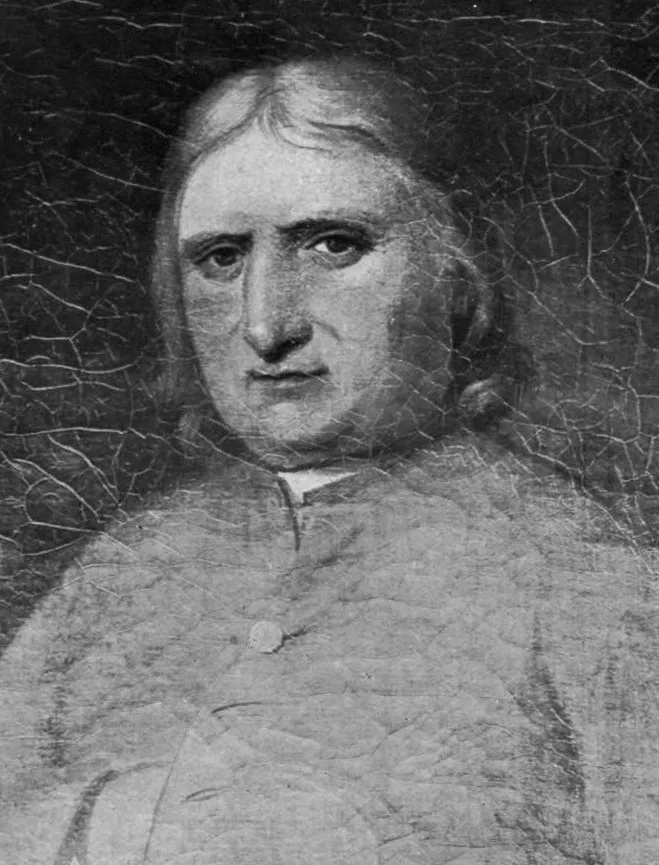
Traveled extensively with Fox on journeys to Holland. Crisp's linguistic abilities and tireless energy made him invaluable for international missionary work.
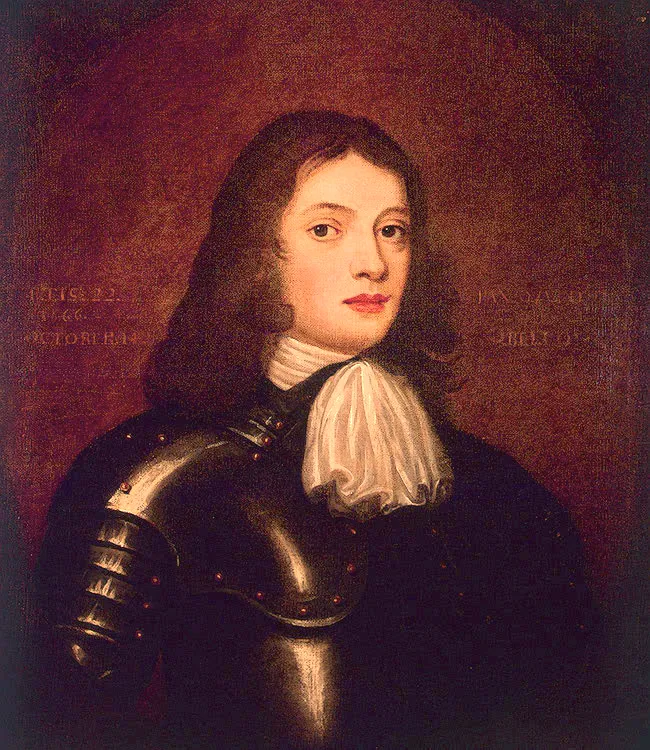
Worked alongside Penn in spreading Quakerism throughout Europe, particularly in Holland and Germany. Their combined efforts reached nobility and common people alike.
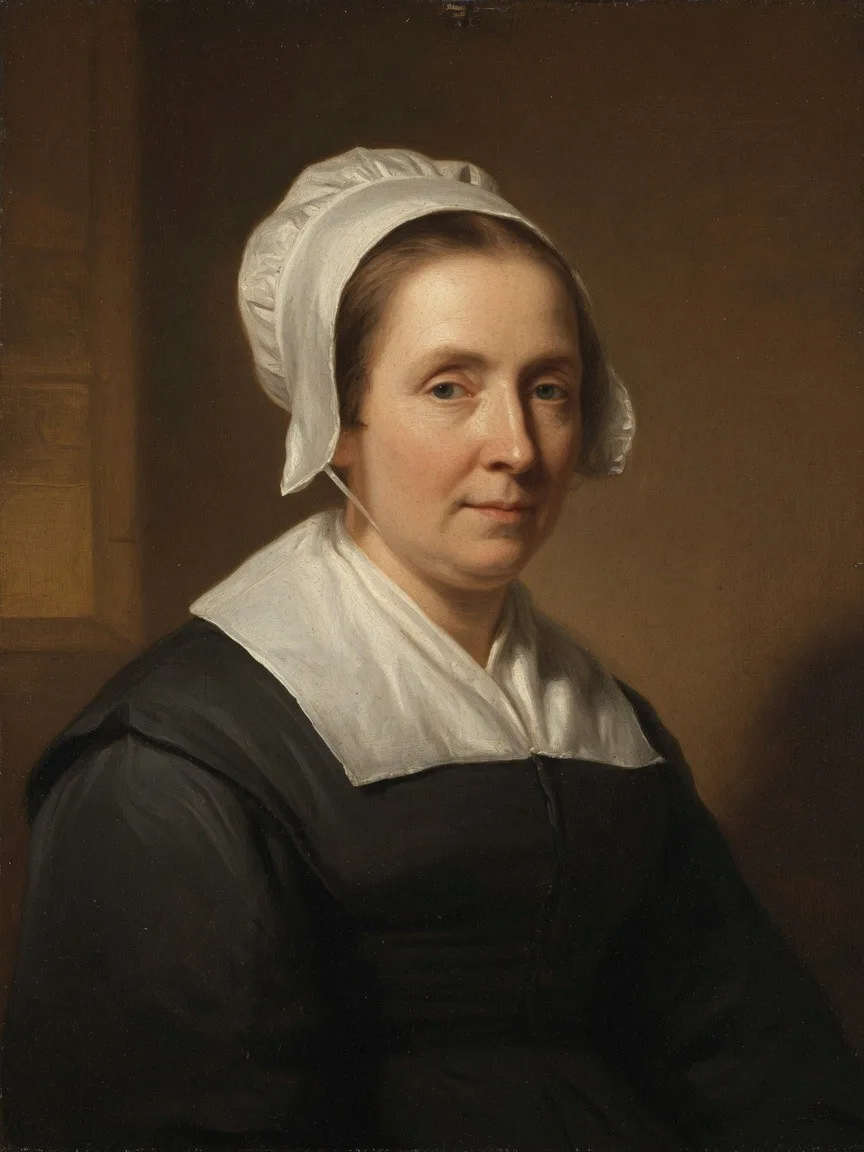
Maintained extensive correspondence with Fell, who coordinated missionary efforts from Swarthmore and provided spiritual guidance.
Stephen Crisp's beloved allegory of the soul's pilgrimage — a seeker leaves his father's house in search of the house of God and is led home at last by a small inward Light. First printed in 1691, here in a modern English edition with linked scripture references.
Theological exposition demonstrating Crisp's clarity in explaining Quaker principles, particularly valuable for reaching Continental audiences.
A treatise on spiritual gifts and the inward light, reflecting Crisp's deep understanding of mystical theology.
A collection of sermons and pastoral letters showing Crisp's gift for practical spiritual guidance.