Born in Wensleydale, Yorkshire
Born into a prominent Quaker family in Wensleydale. His father, John Fothergill, was already a widely respected minister in the Society of Friends.
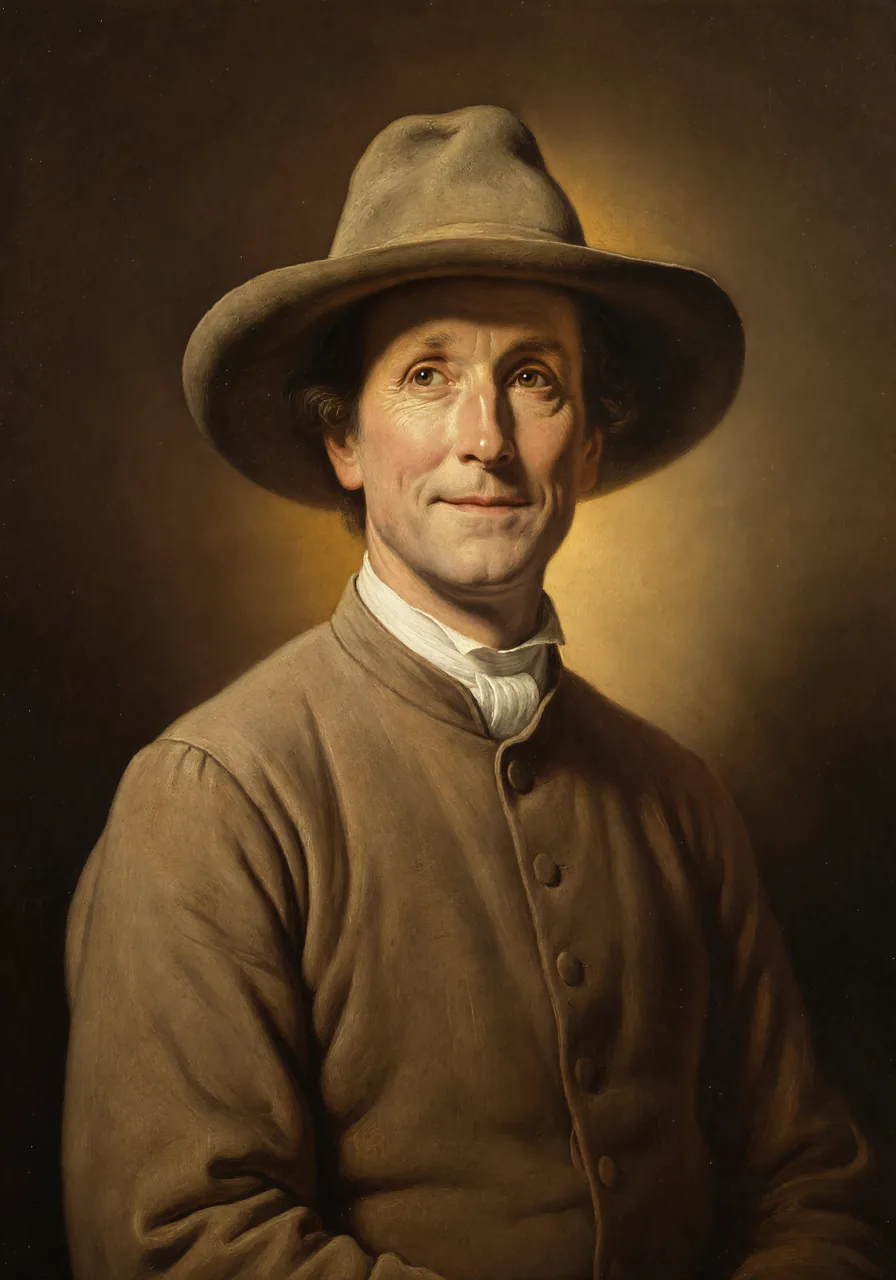
Among the most respected ministers of his generation
“The ministry of the gospel is not a trade to be learned, but a gift to be received.” — Samuel Fothergill
Born into a prominent Quaker family in Wensleydale. His father, John Fothergill, was already a widely respected minister in the Society of Friends.
As a young man, Fothergill went through a period of spiritual coldness and worldly distraction before a powerful reconversion experience drew him back to faithful Quaker life.
Recognized as a minister in the Society of Friends. His spoken ministry was noted for its depth, tenderness, and power from the beginning.
John Fothergill died in 1745, leaving Samuel as the leading minister of the family. Samuel took up the mantle of itinerant ministry with renewed dedication.
Traveled to the American colonies for an extended ministerial visit. Present at Philadelphia Yearly Meeting during a critical period of reform, Fothergill's ministry helped catalyze the movement toward abolition and spiritual renewal.
In America during the French and Indian War, Fothergill witnessed Pennsylvania Friends wrestling with war taxes and the peace testimony — a defining moment for the Society.
Returned to England and continued extensive travels in ministry across England, Scotland, and Ireland, becoming one of the most sought-after visiting ministers.
Died at Warrington, Lancashire. His Memoirs and Eleven Discourses were published posthumously, preserving his ministry for future generations.
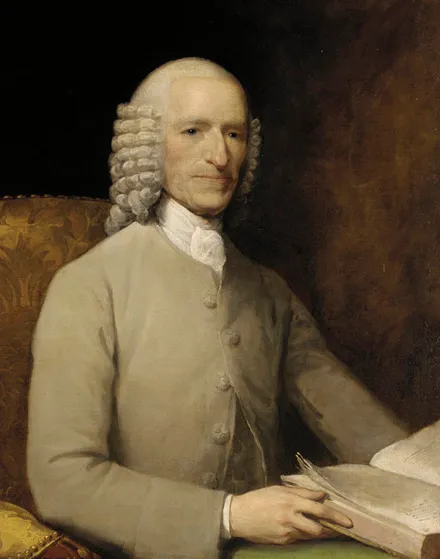
Samuel's father was a major itinerant minister of the early eighteenth century. Samuel inherited and extended his father's ministerial gifts and commitment to gospel service.
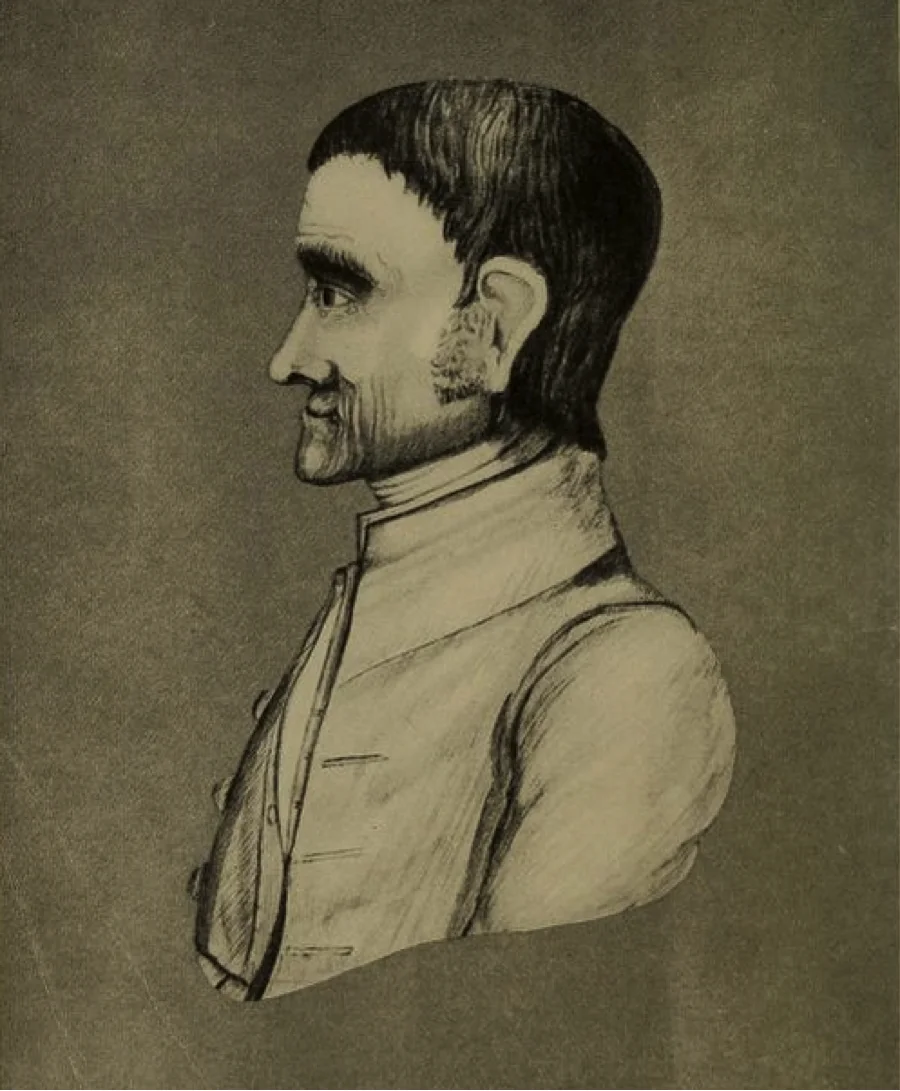
Fothergill and Woolman were present together at Philadelphia Yearly Meeting during the pivotal 1750s reform. Both played key roles in pressing Friends toward abolition.
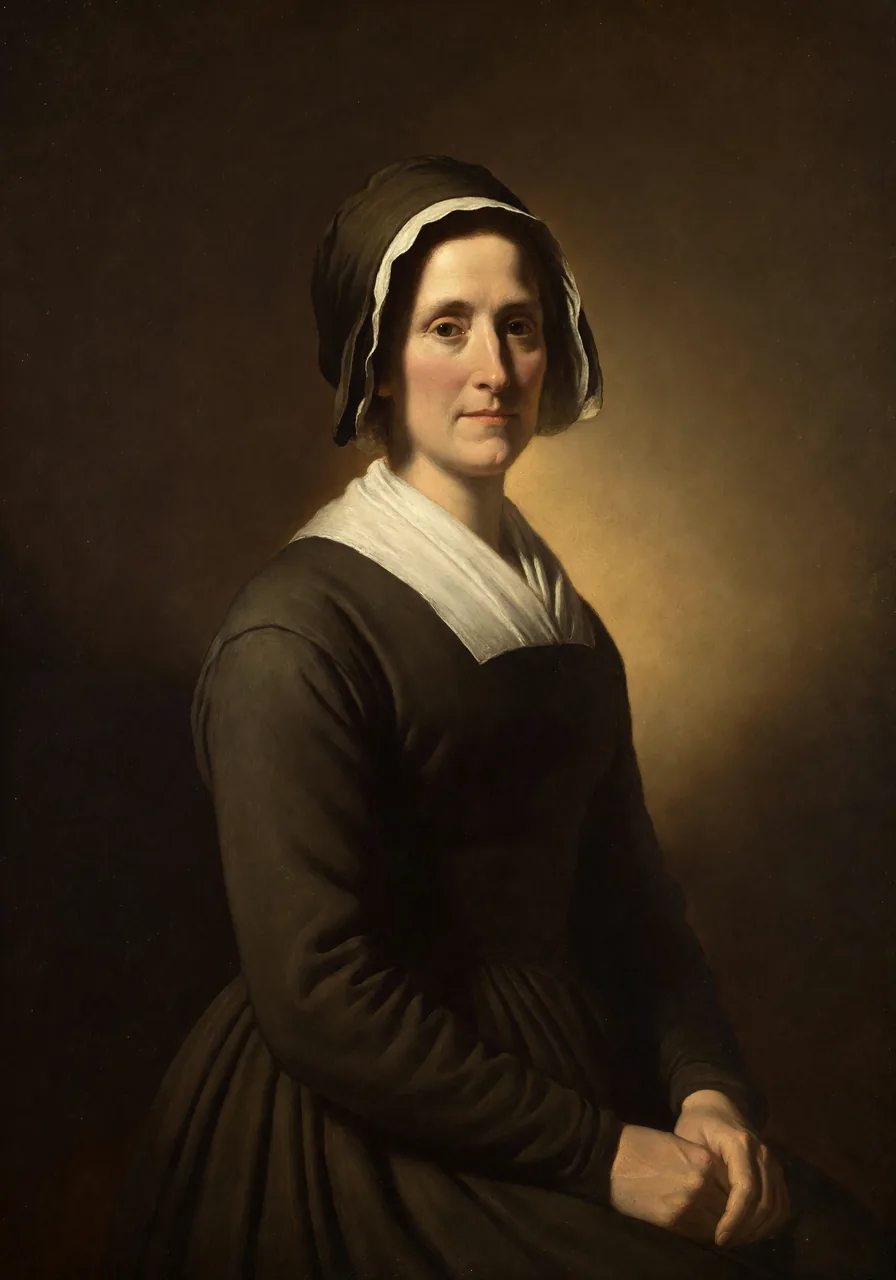
Phillips and Fothergill were among the foremost English ministers who traveled to America in the 1750s. Their overlapping journeys reflect the transatlantic character of Quaker reform.
Published posthumously, this memoir records Fothergill's extensive travels in ministry and his involvement in the mid-century Quaker reform movement on both sides of the Atlantic.
Among the most carefully preserved examples of Quaker spoken ministry from the eighteenth century, these transcribed discourses capture the theological depth and pastoral tenderness of Fothergill's preaching.