Born in Northamptonshire
Born into a prosperous family in Northamptonshire. He would receive one of the finest educations of any early Quaker.
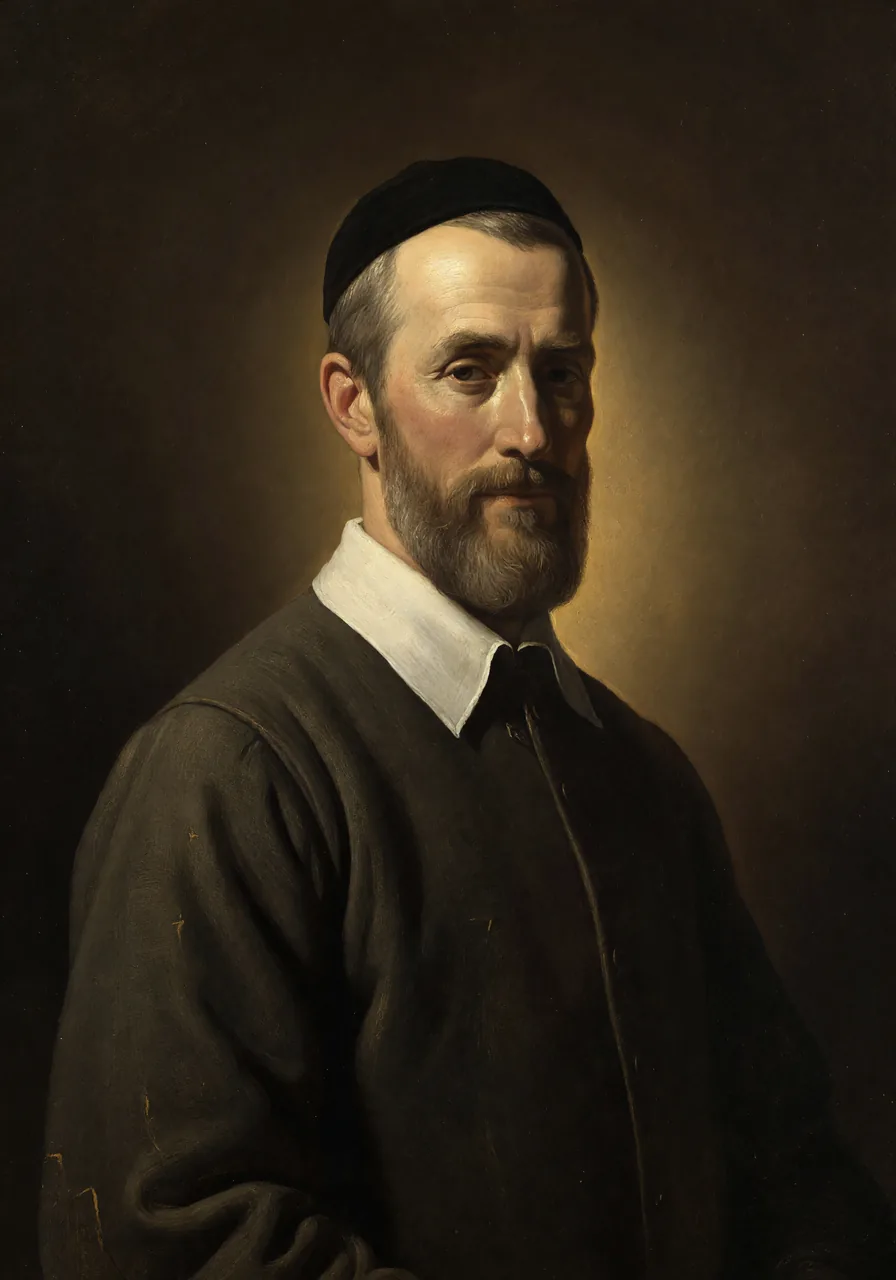
Scholar-Minister, Master of Biblical Criticism
“The letter killeth, but the spirit giveth life.” — Samuel Fisher
Born into a prosperous family in Northamptonshire. He would receive one of the finest educations of any early Quaker.
Matriculated at Trinity College, Oxford, where he excelled in classical languages, theology, and biblical scholarship. Earned his Master of Arts degree.
Ordained as a priest in the Church of England and served as vicar of Lydd in Kent. His pastoral work brought him into contact with dissenting ideas.
Doctrinal doubts about infant baptism and established church order led Fisher to leave the Church of England and join the Particular Baptists, becoming a preacher in their congregations.
Served as pastor to a Baptist congregation in Ashford, Kent. He debated publicly with both Anglicans and Independents, honing the polemical skills he would later bring to Quakerism.
After extended debate with Quaker ministers — possibly including James Nayler — Fisher was convinced and brought his formidable intellect to the movement. He was about fifty years old.
Traveled to the Netherlands and Germany as a Quaker missionary, carrying the message to Continental audiences and engaging with Dutch theologians.
Traveled to Constantinople with other Friends, reportedly gaining an audience with Sultan Mehmed IV. The journey demonstrated the extraordinary missionary reach of the early movement.
Published his masterwork — over 900 pages of biblical scholarship challenging the doctrine of biblical inerrancy. He argued that textual variants, translation errors, and human editorial processes meant that Scripture's authority could not rest in its letter alone, but must rest in the Spirit.
Like many Quaker leaders, Fisher was imprisoned after the Restoration of Charles II. He continued to write and minister from prison.
Published further theological works defending the Quaker understanding of immediate revelation and the primacy of the Spirit over the letter.
Died in London, most likely a victim of the Great Plague that swept the city that year. He was about sixty years old. His biblical scholarship influenced Quaker theology for generations.
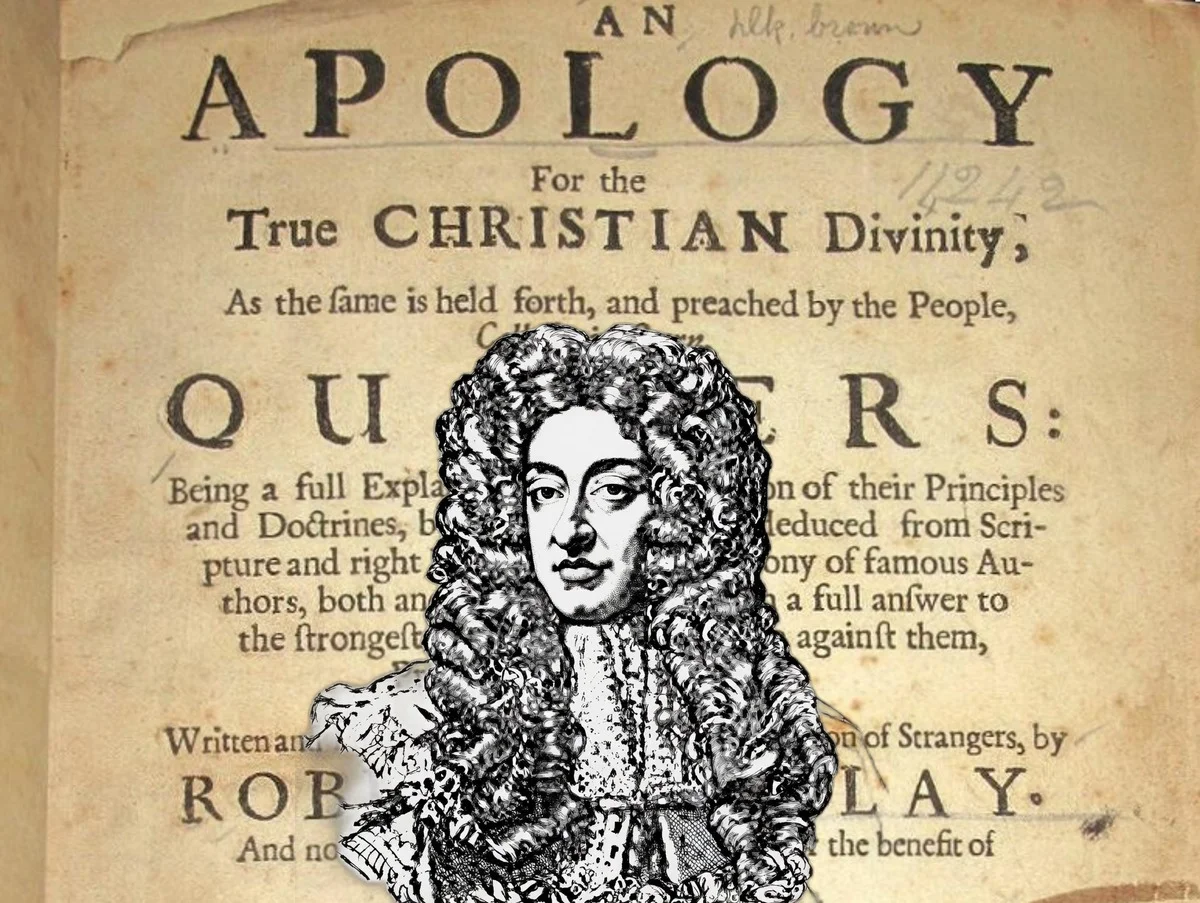
Barclay drew heavily on Fisher's biblical scholarship when writing the Apology, particularly the propositions on Scripture and immediate revelation. Fisher provided the scholarly foundation for Barclay's systematic theology.
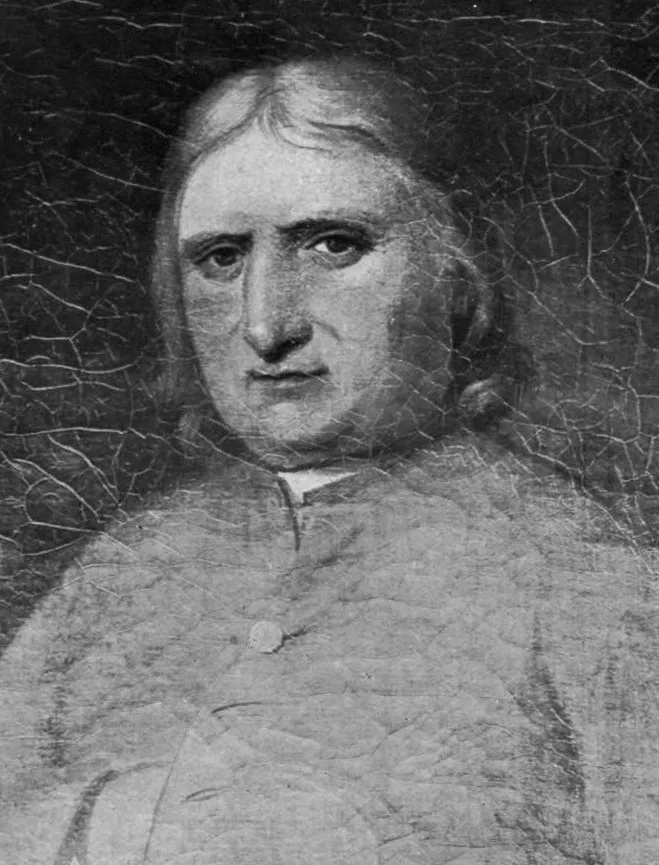
Fox valued Fisher's learning and intellectual defense of Quaker principles. Fisher brought academic credibility to a movement whose leaders were often dismissed as unlettered.
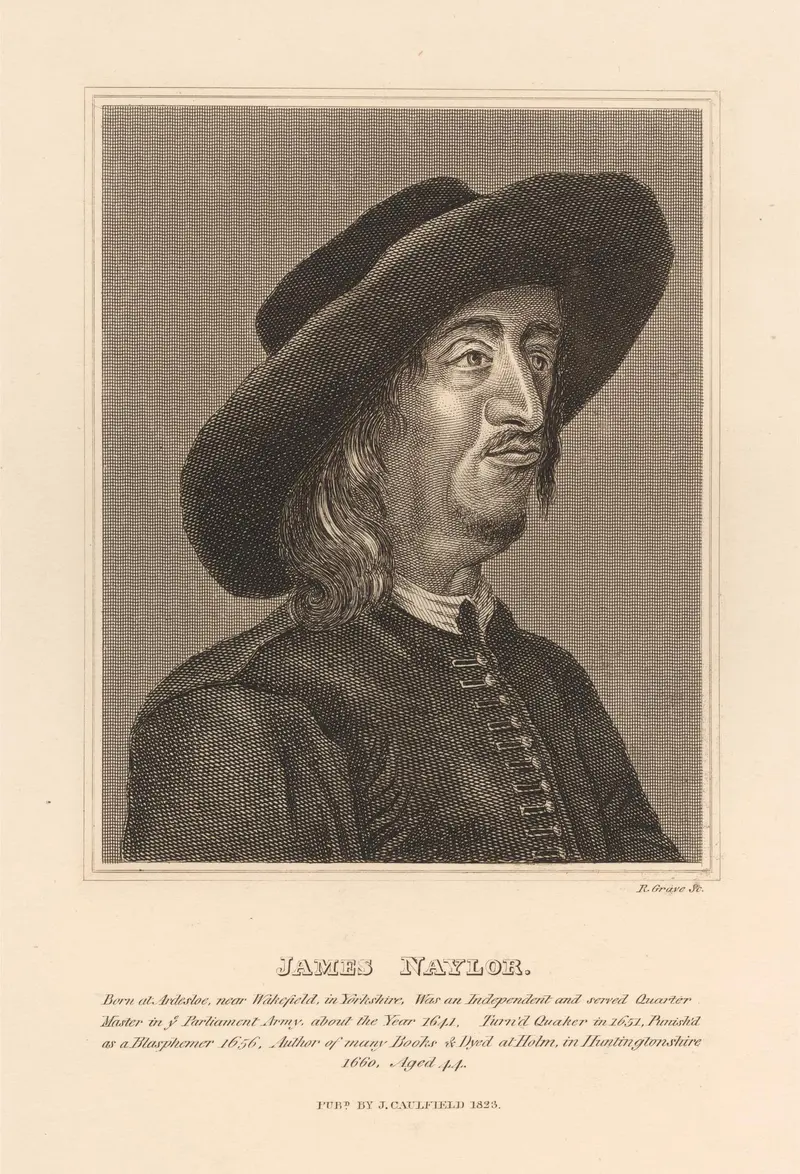
Fisher likely debated with Nayler before his convincement. Both men were powerful theological minds, though Fisher came from the academy and Nayler from the fields.
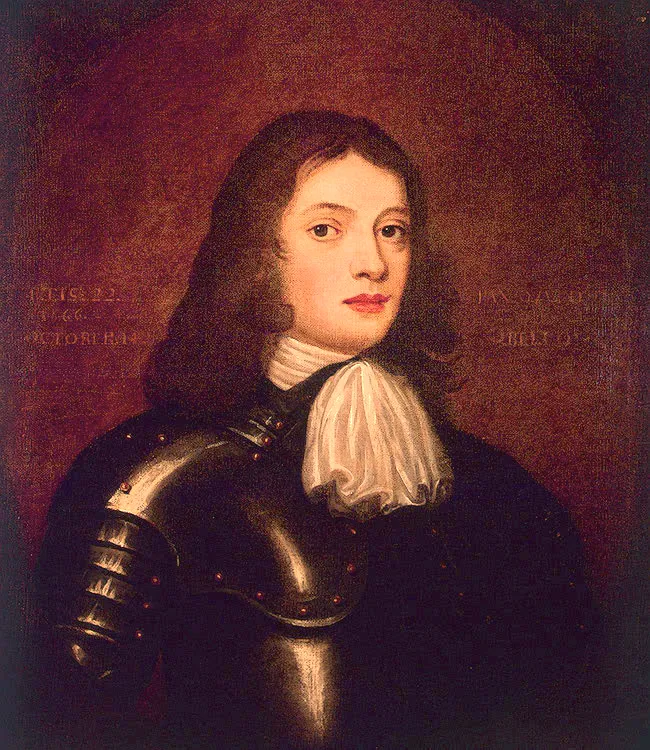
Penn's own apologetic works built on the scholarly tradition Fisher had established, defending Quaker theology in language educated audiences could respect.
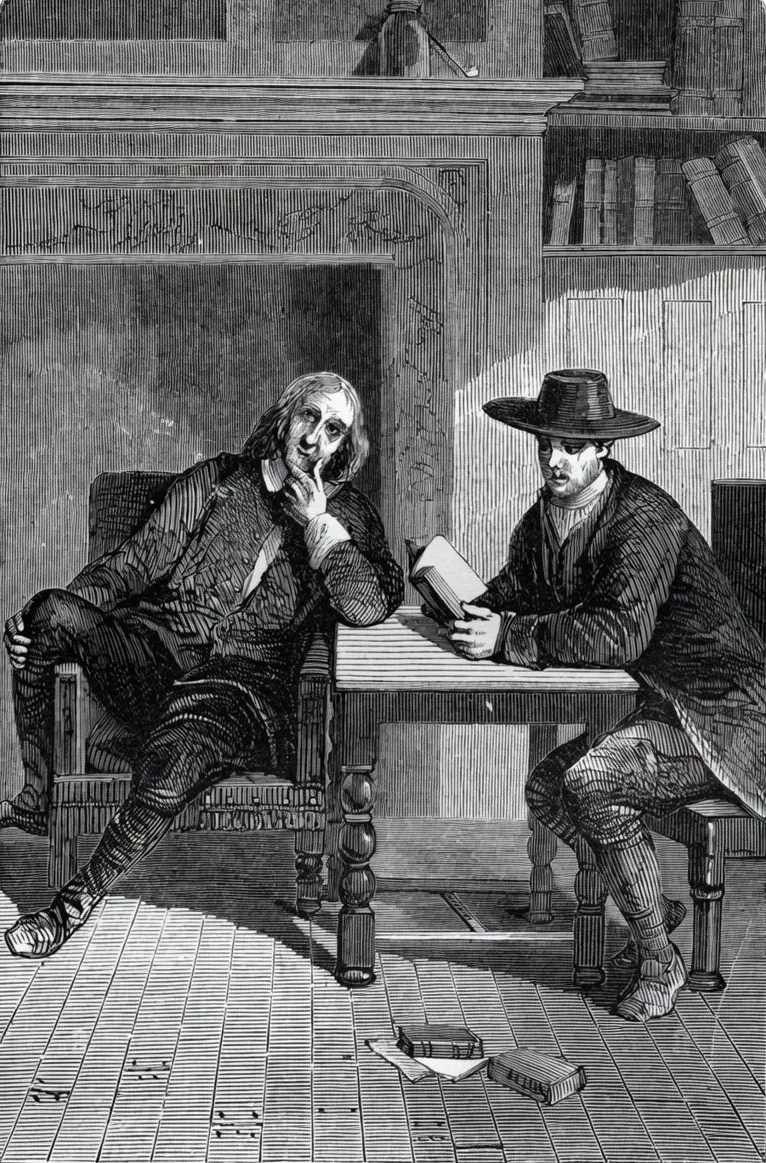
Both Fisher and Burrough were active in London Quaker circles in the late 1650s, engaging opponents in public debate and defending the movement's theological claims.
A groundbreaking 900-page work of biblical criticism (1660), arguing that Scripture's authority rests in the Spirit that inspired it, not in the letter. One of the most rigorous intellectual productions of early Quakerism.
A polemical defense of Quaker principles against their detractors, demonstrating Fisher's skill as a debater trained in both the academy and the pulpit.
A theological defense of immediate revelation and the Quaker understanding of the relationship between Spirit, Scripture, and authority in the church.