Now Available: purchase & instantly download our modernized Quaker classics. Shop the Library →
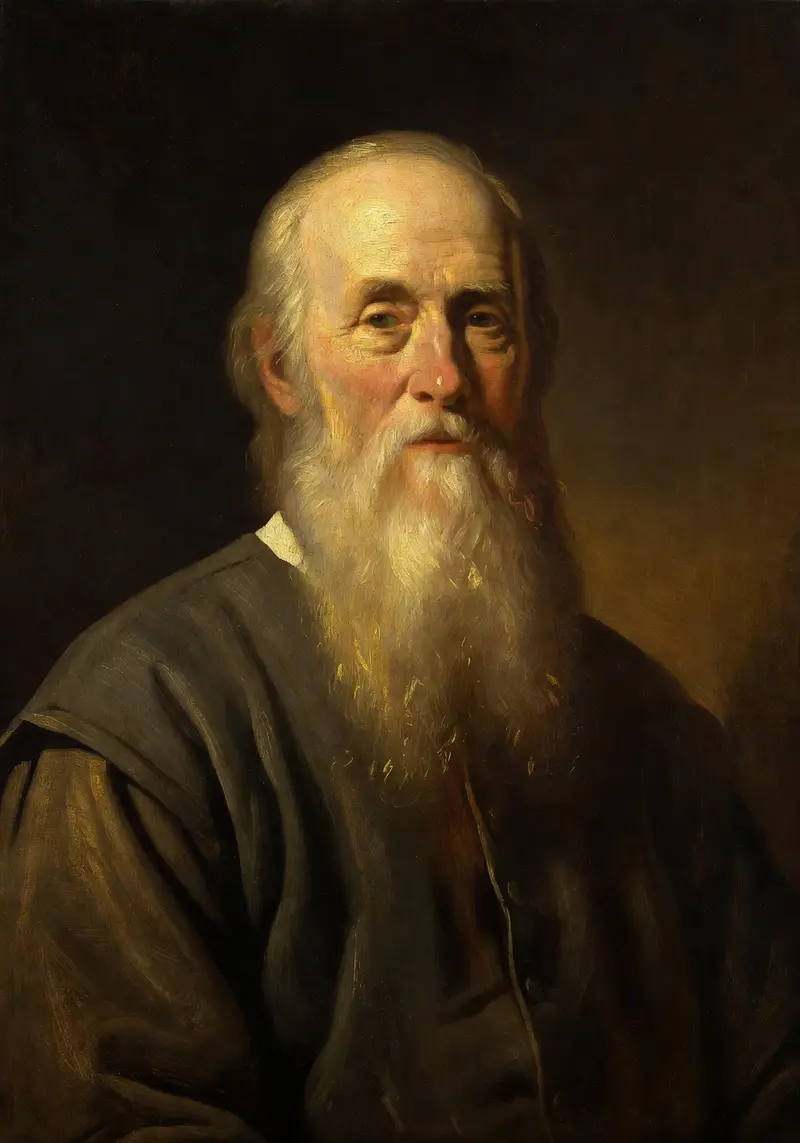
Samuel Crisp
c. 1670–1704

Samuel Crisp

The Norfolk Curate Who Read Barclay Through in a Week

I had found the pearl of great price, and I knew I must sell all to purchase it. — Samuel Crisp

Life & Ministry

c. 1670

Birth

The Friends' Library memoir gives no birthplace or birth date; it records that he 'resided in Norfolk' before joining Friends and died in 1704 'aged 34 years', which places his birth about 1670. He was educated at college, took deacon's orders in the Church of England, served as a parish curate ('one in Foxly, whilst I was curate there'), and for ten days as chaplain in a private family.
1700

Convinced in London by Reading Barclay

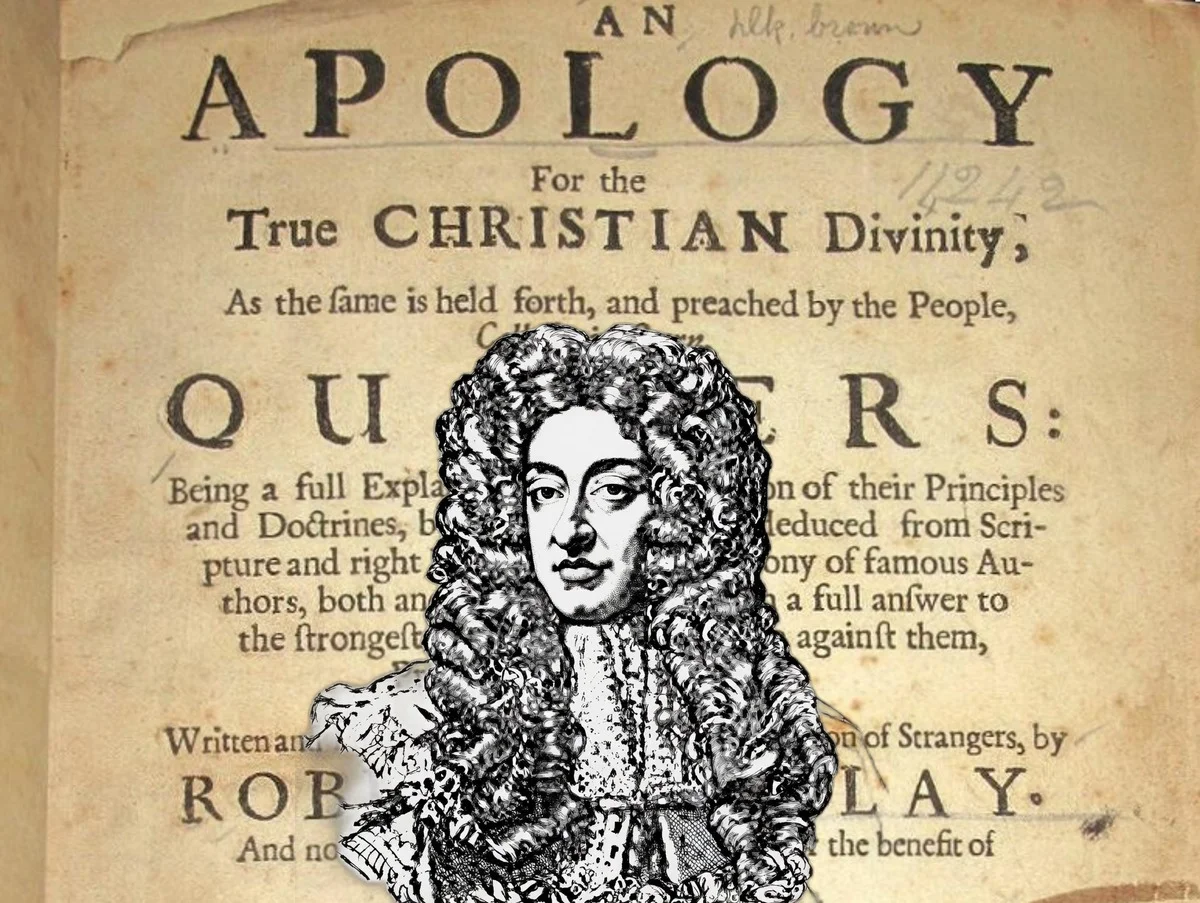
Having left his chaplaincy 'purely upon a foot of conscience' and lived privately in London, he found Robert Barclay's works in a bookseller's shop, took them home and 'read him through in a week's time'; he 'immediately left the communion of the church of England, and went to Gracechurch Street Meeting', where after some weeks 'the first man I conversed with was George Whitehead'.

1700

Usher at Wandsworth

Within a few weeks of his convincement he was 'recommended to Wandsworth school, Richard Scoryer being then in want of an usher', having declined two offers to read prayers or serve as chaplain that would have drawn him 'back again into the world'; he later opened a school of his own at Stepney.

1701

Attacked by Charles Leslie

A Church of England acquaintance introduced him to Charles Leslie, author of The Snake in the Grass, who then addressed two letters to him; Crisp replied to the first with a paper by Richard Scoryer, and Leslie printed the exchange in 1701 as The Present State of Quakerism in England, 'Upon occasion of the Relapse of Samuel Crisp to Quakerism'.

1702

Letters and Travels with Samuel Bownas

Wrote two letters about 1702 to friends in the Church of England explaining his change, later printed together as a pamphlet, and a third from Leeds on the 7th of Sixth month 1702 to G. Paxton, a Friend of Durham. Early the same year he rode with Samuel Bownas from London toward the west of England, and was with him again in Hertfordshire.

1703

A Warning After the Great Storm

In the appendix to his vindication of Friends he addressed 'A Warning given to the present generation', reminding readers of 'the late great stormy wind' of the 26th of November 1703.

1704

Death at Stepney

'He died of the small-pox, at Stepney aforesaid, on the 7th of the Fourth month, 1704, aged 34 years.'

Available Works

Memoir and Letters of Samuel Crisp

Proposed

The Friends' Library, volume 13 (1849): a short memoir of his life, his two letters on withdrawing from the Church of England (which 'have passed through several editions together, as a pamphlet'), a third letter to G. Paxton printed there for the first time, and extracts from his vindication of Friends.

A Libeller Exposed

Proposed

'A Libeller exposed; being a Vindication of the people called Quakers, against the malicious attempts and foul aspersions of a book entitled, The Present State of Quakerism in England' — a treatise of three-and-a-half sheets answering Charles Leslie's charges of fickleness and enthusiasm, with a preface, a defence of silent worship, and an appendix warning the nation after the great storm of 1703.