Now Available: purchase & instantly download our modernized Quaker classics. Shop the Library →
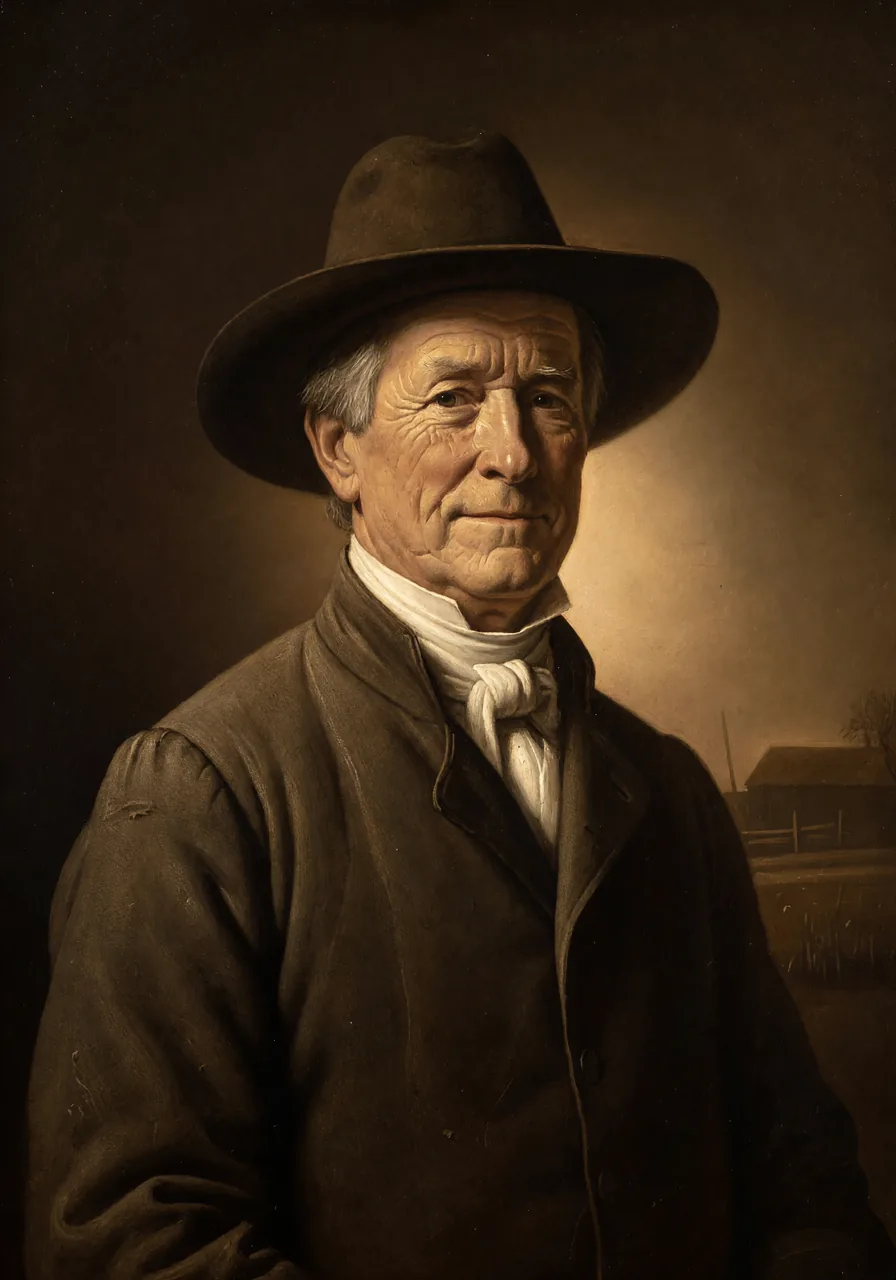
Richard Jordan
1756–1826 · Elizabeth, Norfolk County, Virginia

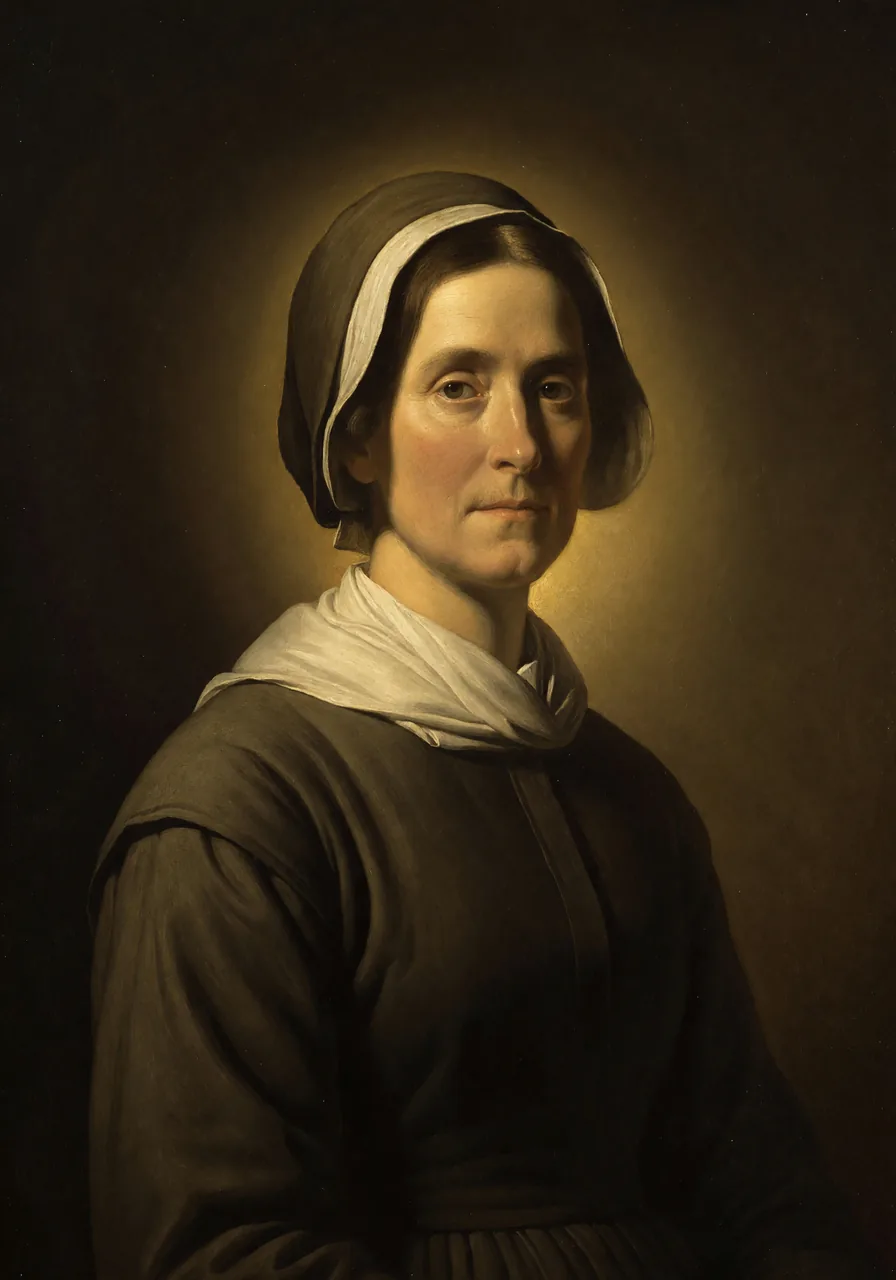
Richard Jordan

The Virginia-Born Minister Who Crossed Wartime Europe and Sounded the Alarm at Home

This morning as I walked to and fro alone, I rejoiced in spirit, and all that was alive in me returned thanks to my gracious Master, who had enabled me to leave my all for his gospel's sake. — Richard Jordan

Life & Ministry

1756

Born in Norfolk County, Virginia

Born 'at a place called Elizabeth, in the county of Norfolk, and colony of Virginia, the 19th day of the twelfth month, 1756', the youngest but one of six surviving children of Joseph and Patience Jordan; his mother died soon after the birth of her seventh child.
1768

Removal to North Carolina

About the age of twelve, after his eldest brother died, his father removed the family to North Carolina 'a short time previous to the American revolution', and they became members of Richsquare meeting; the exact year is not given.

1781

First Words in Ministry

Married to Pharaby Knox, daughter of the minister Thomas Knox, and refusing the slaves his father offered him, he first spoke in meeting 'about the twenty-fifth year of my age', and did not venture on any considerable journey for ten years after; the year is approximate.

1790–1797

Pleading for the Oppressed Africans

Several times attended the General Assembly of North Carolina with Friends appointed by the yearly meeting, 'to remonstrate against some existing laws' that permitted freed negroes to be seized and sold, and travelled on foot to places where such cruelty had been exercised.

1797

Visit to the Northern and Eastern States

Set out on the seventeenth of the third month with Josiah White of Perquimans as companion, visiting Virginia, Maryland, Pennsylvania, New York and New England; he was from home about eleven months and travelled upwards of three thousand miles.

1799

Concern for Europe

On the sixteenth of the third month laid before his monthly meeting his concern to visit some parts of Europe, and received certificates from the monthly, quarterly and yearly meetings at New Garden in the tenth month.

1800

Sailing from New York; England and Scotland

Left home on the twentieth of the second month, sailed from New York on the third of the sixth month and landed at Liverpool after thirty days, grieved by the slave ships in that port; travelled through Lancashire and Newcastle to Edinburgh, Perth and Aberdeen, and visited Robert Barclay at Ury.

1801

Ireland, Germany and France

Laboured through Ireland against the 'wild and sceptical notions' then spreading among Friends there, left it on the fifth of the fifth month for London Yearly Meeting, crossed to Hamburg and reached Pyrmont on the first of the eighth month, went on through Holland to Paris and to the Friends at Congenies, and travelled to Bordeaux to seek a passage home.

1801

Storm in the Channel

Boarded the Danish brig Mercurius at Bordeaux on the thirteenth of the eleventh month; after weeks of contrary winds the ship was nearly lost and the crew told to 'prepare for a watery grave', but she made Dartmouth, where he was received by Walter Prideaux and rode the same night to the quarterly meeting at Kingsbridge.

1802

The West of England and Home

Recovered among Friends in Devon and Cornwall, attended London Yearly Meeting and the half-year's meeting in Wales, and sailed from Liverpool, landing at Philadelphia on the twenty-eighth of the tenth month, 'just forty days from Liverpool'.

1803

Return to North Carolina

Reached home on the thirtieth of the third month, having been away 'three years, one month, and ten days', and travelled 'about fifteen thousand miles' by land and water; returned his certificate at the yearly meeting at New Garden in the tenth month.

1804

Removal to Hartford, Connecticut

Believing his future labours lay in the northern and eastern states, he obtained certificates of removal, left North Carolina on the fourth of the sixth month with his wife, and settled on a farm near the small meeting at Hartford, where he kept Friends' school through the winter and won over Presbyterian neighbours by his skill in medicine.

1809

Removal to Newton, New Jersey

Left Hartford with his family about the eleventh of the tenth month for Newton, a branch of Haddonfield Monthly Meeting, having 'early perceived the buddings of the seeds of scepticism' in New York Yearly Meeting and sounded the alarm 'as a watchman on the walls of our Zion'.

1823

Against Slighting the Atonement

In the eighth month wrote of his burden at hearing 'every child coming into the world' declared to be as Adam in Paradise, and hearers 'speaking slightly of the atonement of Christ', citing the warning of Hebrews against treading under foot the Son of God.

1826

Death at Newton

His wife Pharaby had died on the second of the third month 1825 in her seventy-third year, after 'most of half a century' together. Taken ill in the eighth month 1826, he died about a quarter past eleven on the morning of the fourteenth of the tenth month, his last words 'O Lord', and was buried at Newton on the sixteenth, 'in the seventieth year of his age, being a minister about forty-five years'.

Available Works

Journal of Richard Jordan

Proposed

His own memorandums 'of the gracious and merciful dealings of a watchful Providence', from his Virginia childhood through the 1797 northern journey, the 1800–1803 visit to Europe, and his removals to Hartford and Newton, with a closing account of his last illness, extracts from a separate 'Memoir of R. Jordan', and the testimony of Haddonfield Monthly Meeting; reprinted in the Friends' Library, volume 13 (1849).