Born in Yorkshire
Born into poverty in Selby, Yorkshire. She worked as a domestic servant in the household of Richard Tomlinson before encountering the Quaker movement.
Servant Girl Who Addressed the Ottoman Sultan
“The love of God constrained me to go.” — Mary Fisher
Born into poverty in Selby, Yorkshire. She worked as a domestic servant in the household of Richard Tomlinson before encountering the Quaker movement.
Among the very earliest women converted in Yorkshire during Fox's first great northern campaign. She immediately felt called to public ministry — an extraordinary step for a servant girl in seventeenth-century England.
Began public preaching in the north of England. Imprisoned at York Castle for sixteen months for speaking in a church, one of the earliest of thousands of Quaker imprisonments.
Traveled to Cambridge with Elizabeth Williams to preach to university students. The mayor had them publicly stripped to the waist and whipped through the streets — a punishment that shocked many and drew sympathy to the Quaker cause.
Sailed to Barbados as part of the first Quaker mission to the Caribbean, helping establish the movement in the West Indies before continuing north to New England.
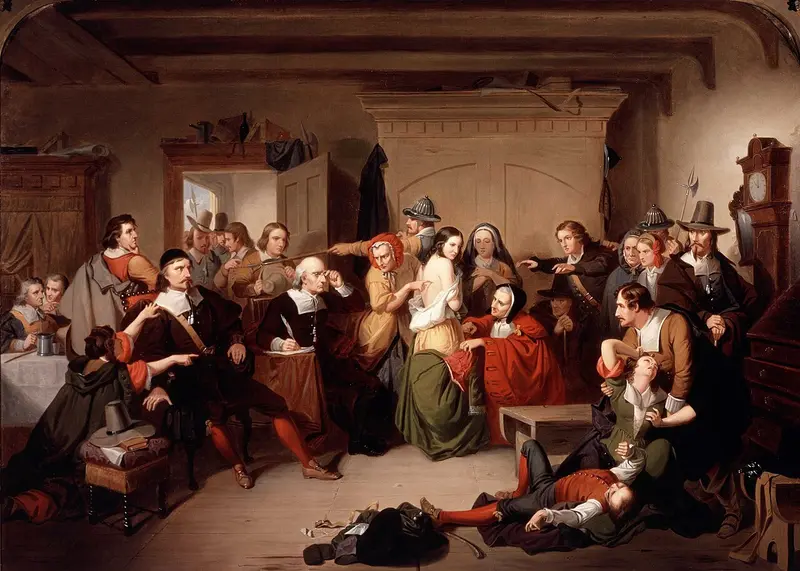
Arrived in Boston with Ann Austin — the first Quakers to reach Massachusetts. Governor Endicott ordered their books burned, had them strip-searched for marks of witchcraft, imprisoned them for five weeks, and deported them. Their treatment galvanized Quaker resolve to return.
Left England on a remarkable solo mission to deliver the Quaker message to the Ottoman Sultan. She traveled through the Mediterranean, likely via Venice and Smyrna, making her way overland to the Sultan's camp at Adrianople.
Received at the Sultan's court at Adrianople with full diplomatic courtesy. Mehmed IV listened to her message through interpreters and told her she was welcome to stay. She reported that the Sultan 'was very noble unto me' — a sharp contrast to her treatment in Christian England and Massachusetts.
Married fellow Quaker minister William Bayly, a former sea captain who had been convinced by Fox. Bayly was a vigorous preacher who would be imprisoned multiple times for his faith.
After William Bayly's death, married John Cross, a Quaker planter in South Carolina. Settled in Charleston, becoming part of the growing colonial Quaker community in the southern colonies.
Living in Charleston, South Carolina, as a respected elder. The Carolina colony offered more religious tolerance than New England, and Fisher spent her final years in relative peace after decades of persecution and travel.
Died in Charleston, South Carolina, at approximately seventy-five years of age. From Yorkshire servant girl to global missionary to colonial settler, her life arc was one of the most extraordinary in early Quaker history.
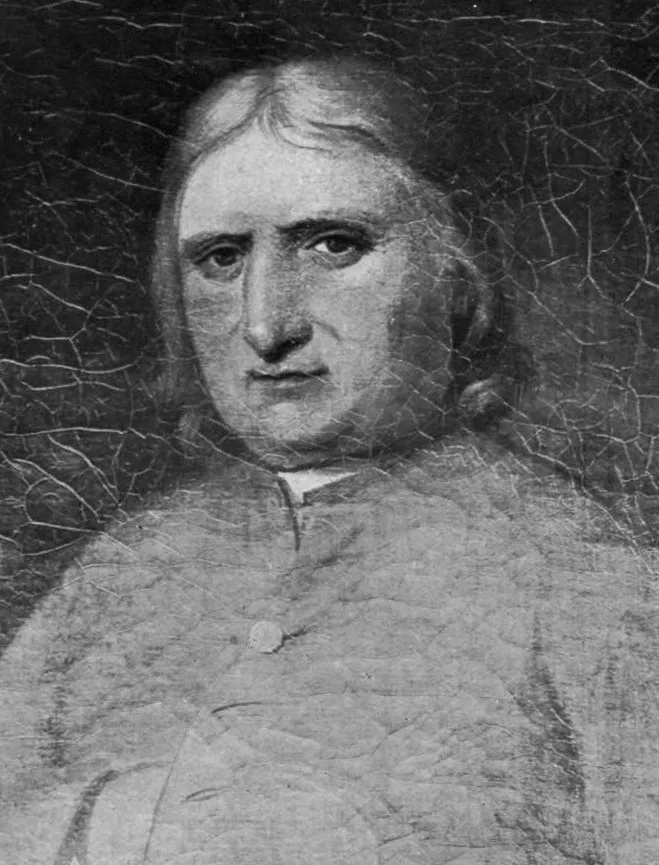
Fisher was among Fox's earliest female converts in Yorkshire during the great northern campaign of 1651-52. Fox later cited her mission to the Sultan as evidence of the universal scope of the Quaker witness.
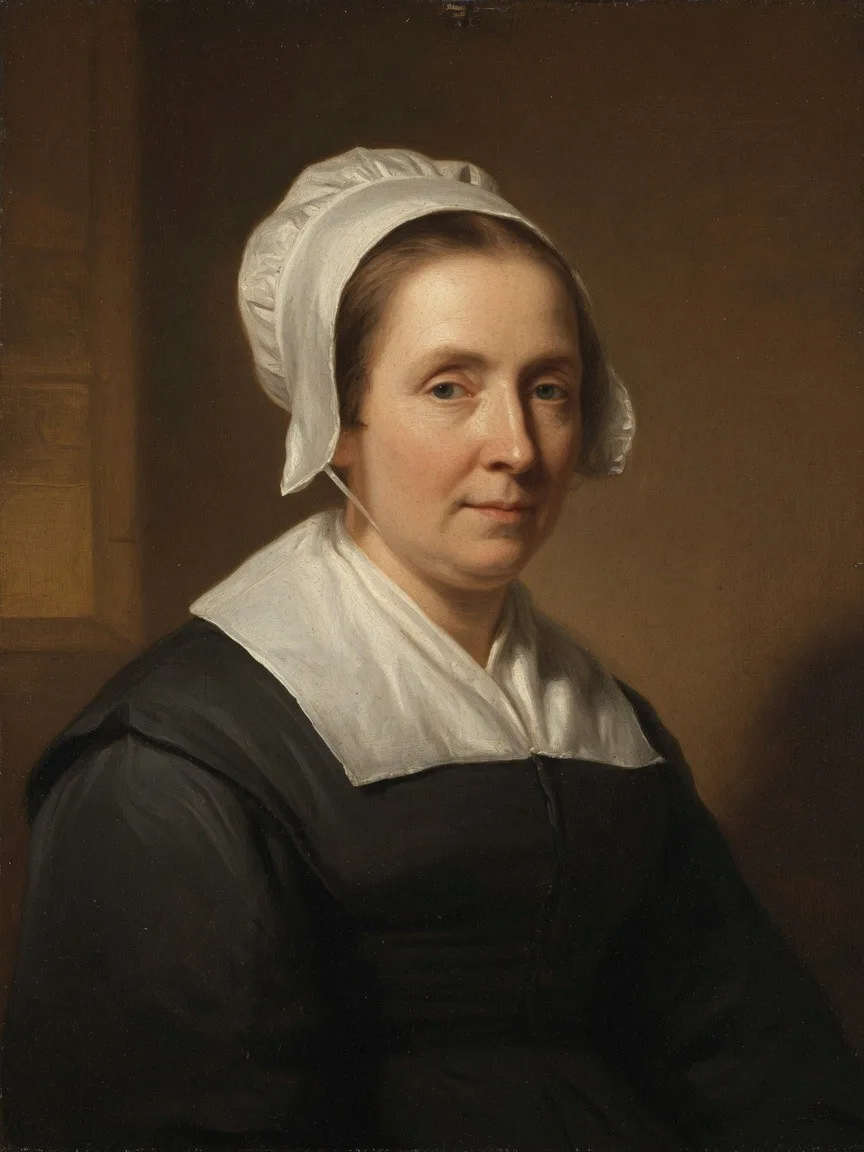
Fisher and Fell together represent the extraordinary role of women in early Quakerism. Fell coordinated the network of traveling ministers from Swarthmoor Hall, and Fisher was one of the most far-ranging of those missionaries.
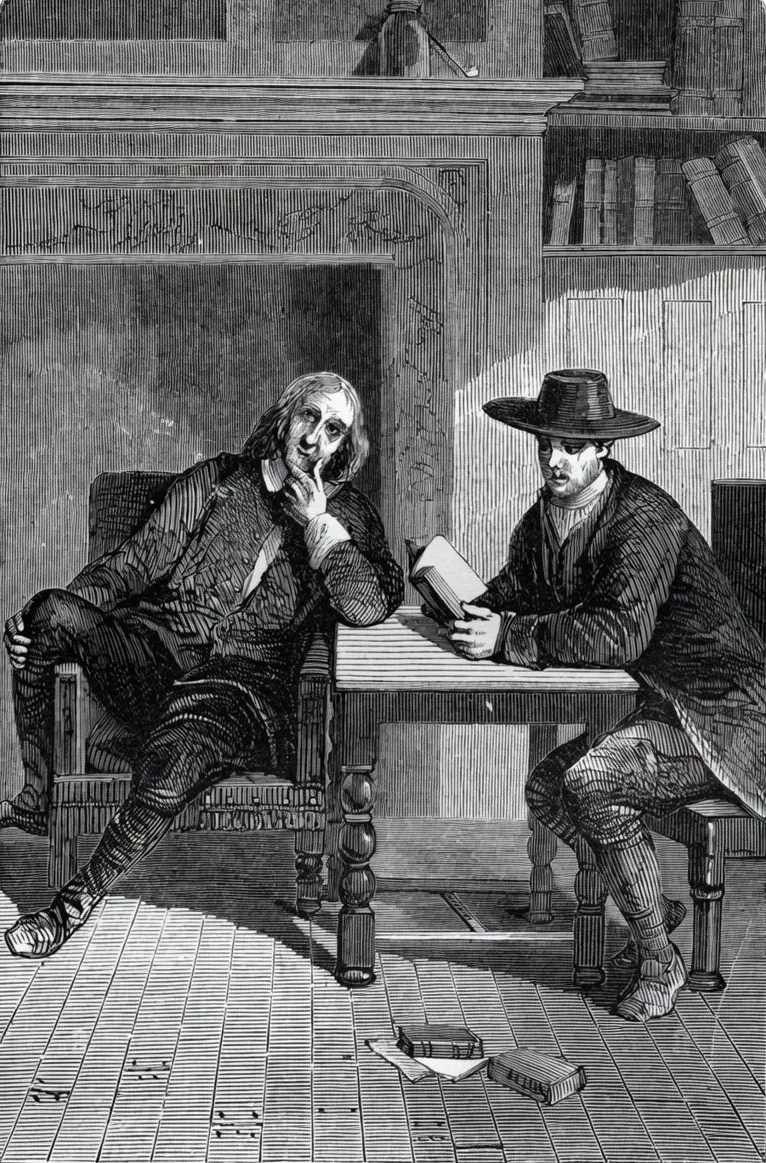
Burrough was the principal Quaker leader in London during the same years Fisher was undertaking her most daring missions. Both were part of the explosive first wave of Quaker expansion in the 1650s.
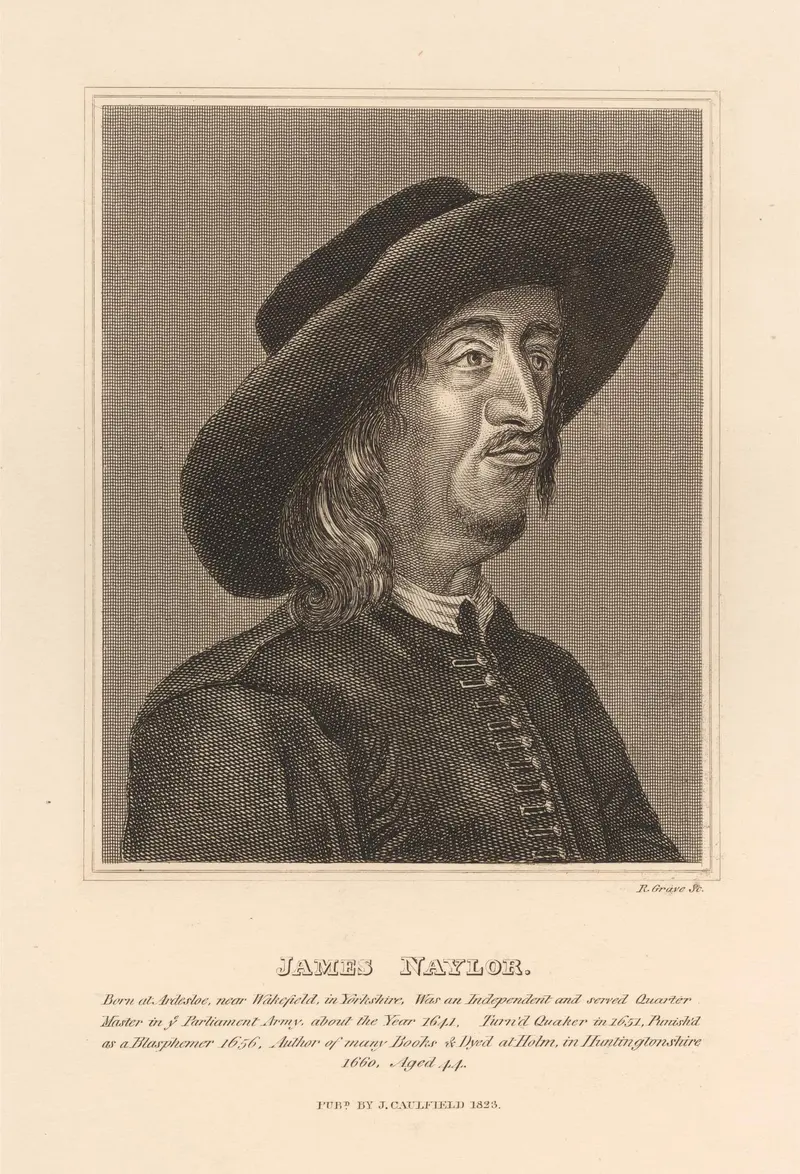
Nayler and Fisher were both convinced in Yorkshire in the earliest wave of Quaker conversions. Both suffered terribly for their ministry — Nayler in Bristol, Fisher at Cambridge and Boston.
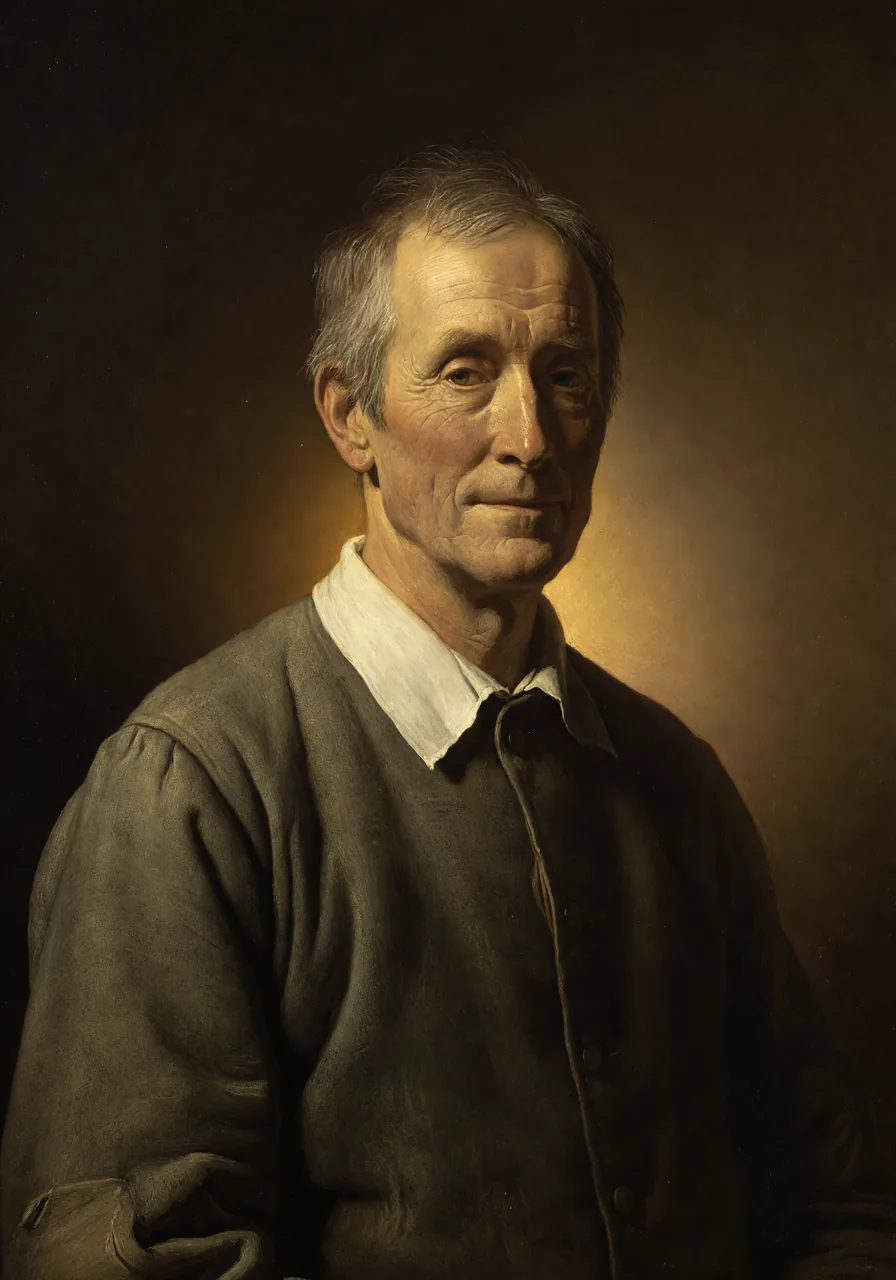
Dewsbury was another of the original Yorkshire converts who became a powerful minister. He and Fisher shared the experience of imprisonment in the movement's earliest years.
Her surviving letters and accounts of her travels, including the extraordinary journey to the Ottoman court. Fisher left relatively few written works, but her accounts circulated widely and inspired generations of Quaker missionaries.
Fisher's own account of her mission to Sultan Mehmed IV, preserved in early Quaker records. One of the most remarkable documents of cross-cultural religious encounter in the seventeenth century.
Accounts of the first Quaker mission to Massachusetts in 1655 — Fisher and Ann Austin's arrest, strip-search, book-burning, imprisonment, and deportation — which became foundational to the Quaker narrative of suffering.
Portrait image: The Examination of a Witch (1853) by T. H. Matteson. Oil on canvas. Peabody Essex Museum, Salem, Massachusetts. Public domain, via Wikimedia Commons.
