Born on Nantucket
Born Lucretia Coffin into a seafaring Quaker family on Nantucket Island, where the independence of Quaker women left a lasting impression on her.
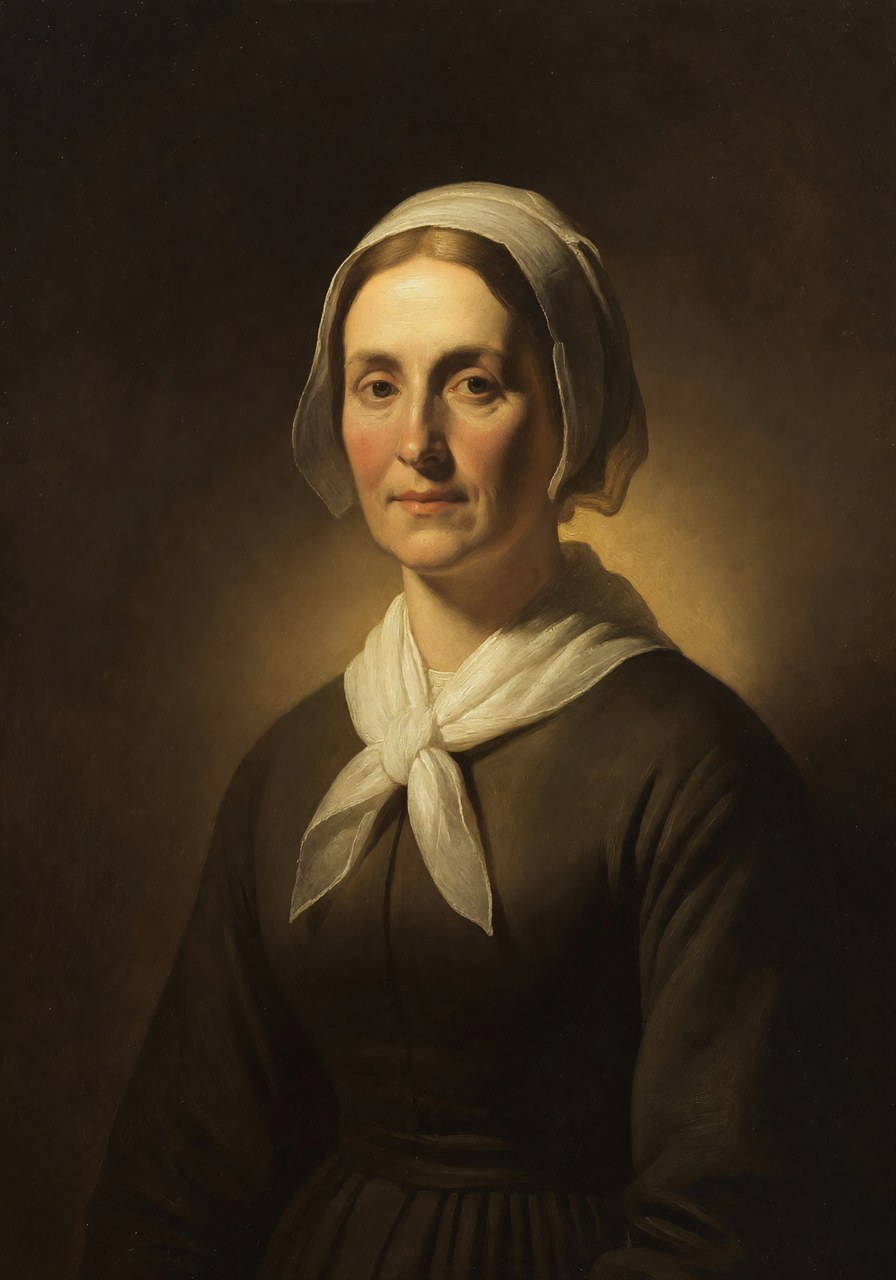
Quaker minister, abolitionist, and pioneer of women's rights
“The world has never yet seen a truly great and virtuous nation, because in the degradation of woman the very fountains of life are poisoned at their source.” — Lucretia Mott
Lucretia Mott stands among the most consequential Quaker voices of the nineteenth century—a recorded minister whose faith in the Inward Light drove her into the two greatest moral struggles of her era: the abolition of slavery and the equality of women. Born Lucretia Coffin on Nantucket in 1793, she grew up in a seafaring Quaker community where women, left to manage households and businesses during their husbands’ long whaling voyages, exercised a measure of independence rare in the wider society. That early example shaped her conviction that the spiritual and moral capacities of women were in no way inferior to those of men.
Convinced from childhood of the Quaker testimonies, Mott was acknowledged as a minister in 1821 and became known for a plain, searching style of preaching rooted in the Hicksite tradition. For Mott the doctrine of the Inward Light carried radical social implications: if the same divine seed dwelt in every person, then slavery and the subjection of women were not merely social wrongs but affronts to the God who acknowledges no distinctions of race or sex.
Her convictions found their first great public outlet in the anti-slavery cause. In 1833 she helped found the Philadelphia Female Anti-Slavery Society, one of the earliest biracial women’s abolition organizations in the country, and she remained a tireless lecturer and organizer despite mob hostility. When she traveled to London in 1840 as a delegate to the World Anti-Slavery Convention, she and the other women were denied seats on the convention floor. That exclusion—suffered even within the movement she had served so faithfully—crystallized her resolve to press for the rights of women.
Eight years later, with Elizabeth Cady Stanton, Mott helped organize the Seneca Falls Convention of 1848 and signed its Declaration of Sentiments, the founding document of the organized American women’s rights movement. She continued to preach, write, and organize into her old age, her 1849 Discourse on Woman offering one of the period’s most reasoned defenses of equality. When she died in 1880, she was mourned as a matriarch of both the abolitionist and women’s rights movements—a Friend who had carried the quiet testimony of the meeting house into the loudest controversies of her century.
Born Lucretia Coffin into a seafaring Quaker family on Nantucket Island, where the independence of Quaker women left a lasting impression on her.
Marries James Mott, a fellow Friend and lifelong partner in her reform work. The two settled in Philadelphia.
Acknowledged as a minister in the Society of Friends, she became known for her plain, powerful preaching in the Hicksite tradition.
Helps found and lead the Philadelphia Female Anti-Slavery Society, one of the first biracial women's abolition organizations in America.
Travels to London as a delegate to the World Anti-Slavery Convention, where the women delegates are denied seats on the floor—an exclusion that galvanized her toward the cause of women's rights.
With Elizabeth Cady Stanton, organizes the Seneca Falls Convention and signs the Declaration of Sentiments, launching the organized women's rights movement in America.
Dies at Roadside, her home near Philadelphia, honored as a matriarch of both the abolition and women's rights movements.
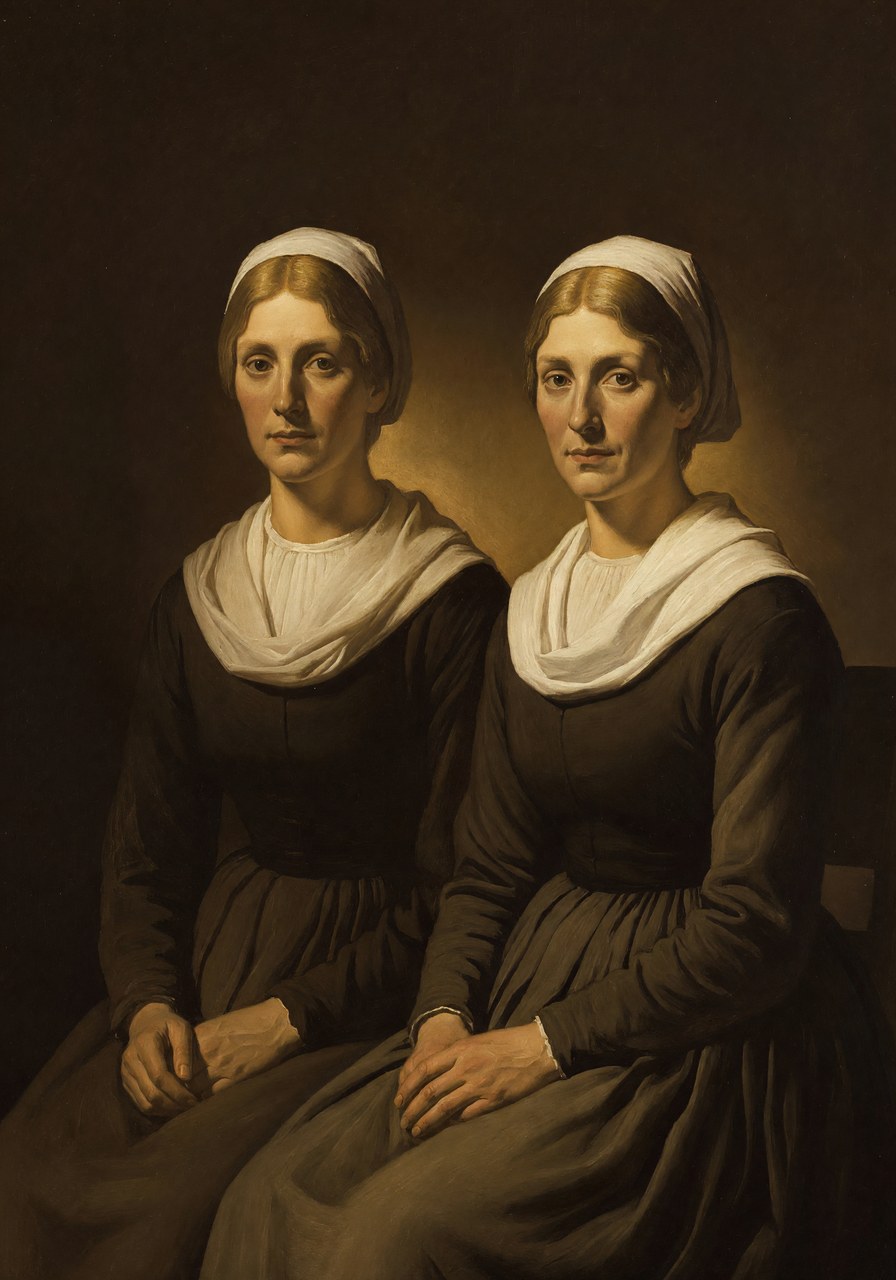
Mott worked alongside the Grimké sisters in the Philadelphia Female Anti-Slavery Society and the linked struggles for abolition and women's rights, where all three defended the right of women to speak and act publicly against slavery.
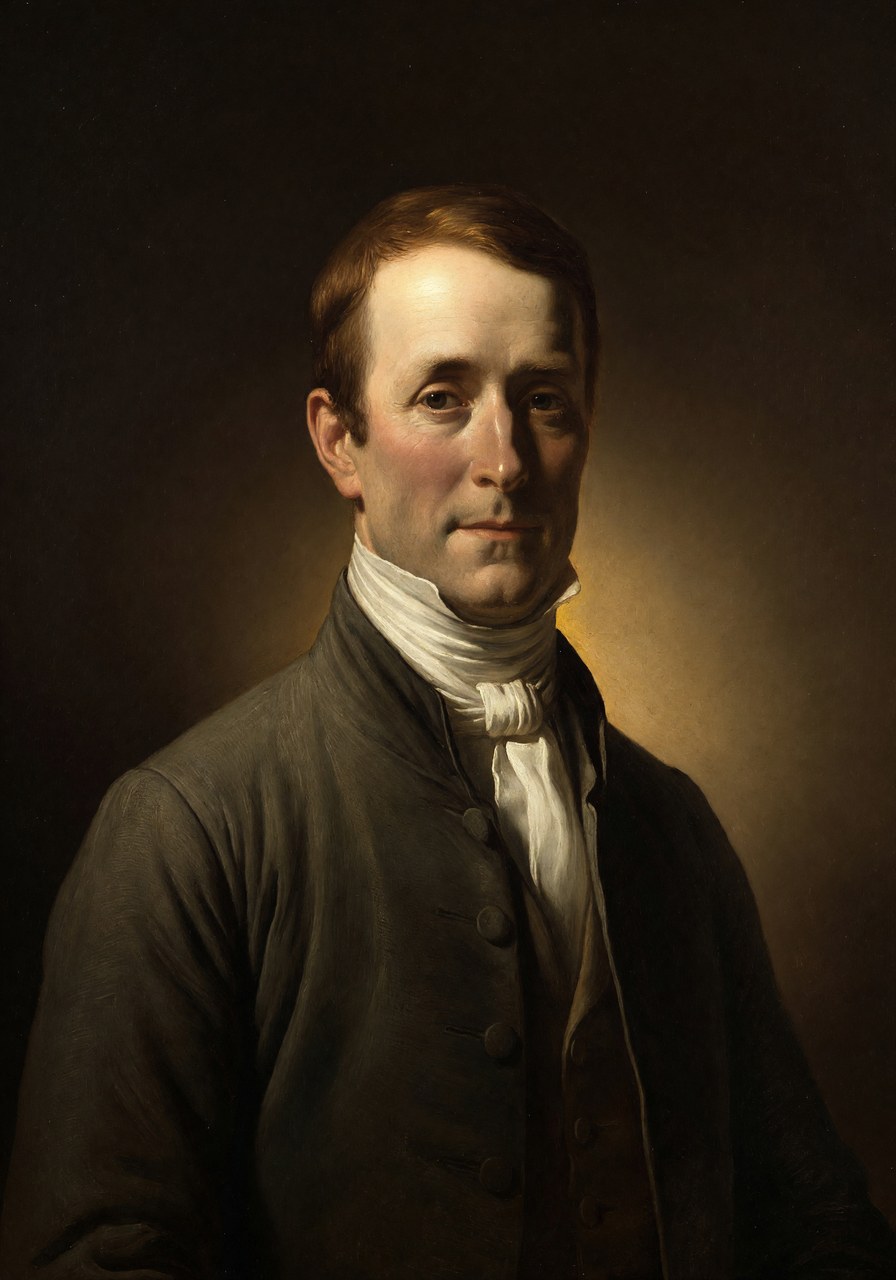
Both attended the 1840 World Anti-Slavery Convention in London, over which the aged Clarkson presided; Mott's exclusion from the floor as a woman, even amid Clarkson's transatlantic abolition network, sharpened her commitment to women's equality.
Her 1849 address answering critics of women's equality, delivered in Philadelphia and published as a landmark statement of the early women's rights movement.