Born at Earlham Hall
Born August 2 at Earlham Hall near Norwich, tenth of the eleven Gurney children of the famous Quaker banking family.
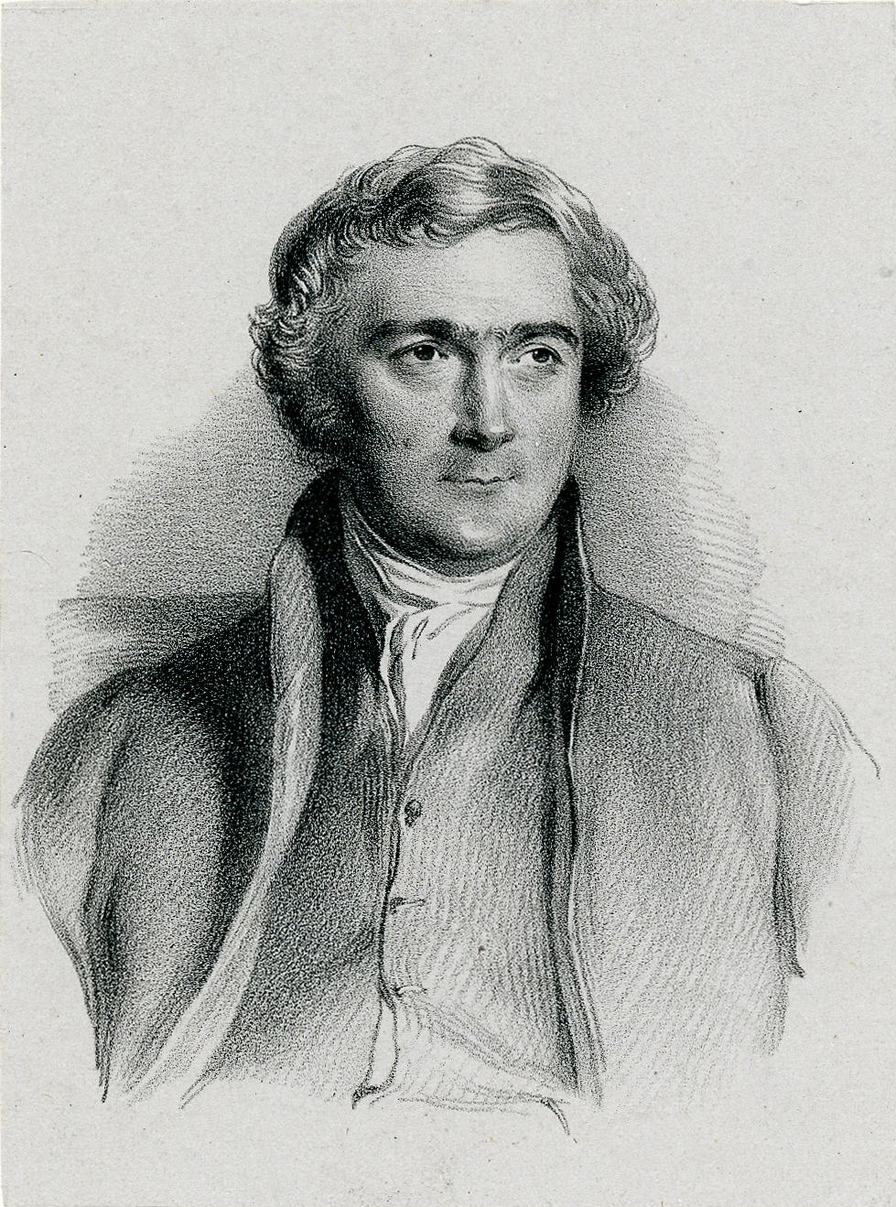
The Banker Who Became a Minister
“I own no priesthood, but the priesthood of Christ.” — Joseph John Gurney
Born August 2 at Earlham Hall near Norwich, tenth of the eleven Gurney children of the famous Quaker banking family.
Sent to study at Oxford under a private tutor — Friends could not take degrees — reading classics and Hebrew with unusual seriousness.
On his father's death, took his place as a partner in the Gurney bank at Norwich, beginning a life balanced between finance and faith.
After years of deliberate self-examination, adopted the plain dress and plain speech of a decided Friend, knowing exactly what it would cost him in the drawing rooms of Norwich.
Acknowledged a minister of the Society of Friends; travelled the jails of Scotland and northern England with his sister Elizabeth Fry, and their report helped open the parliamentary case for prison reform.
After a decade of anti-slavery labour beside his brother-in-law Thomas Fowell Buxton, lived to see the Emancipation Act abolish slavery in the British colonies.
Sailed for a three-year ministry through the United States and the West Indies, bearing witness for full emancipation and a warm scriptural Quakerism.
Died peacefully at Earlham in January 1847. American Friends who followed his lead came to be called Gurneyites.
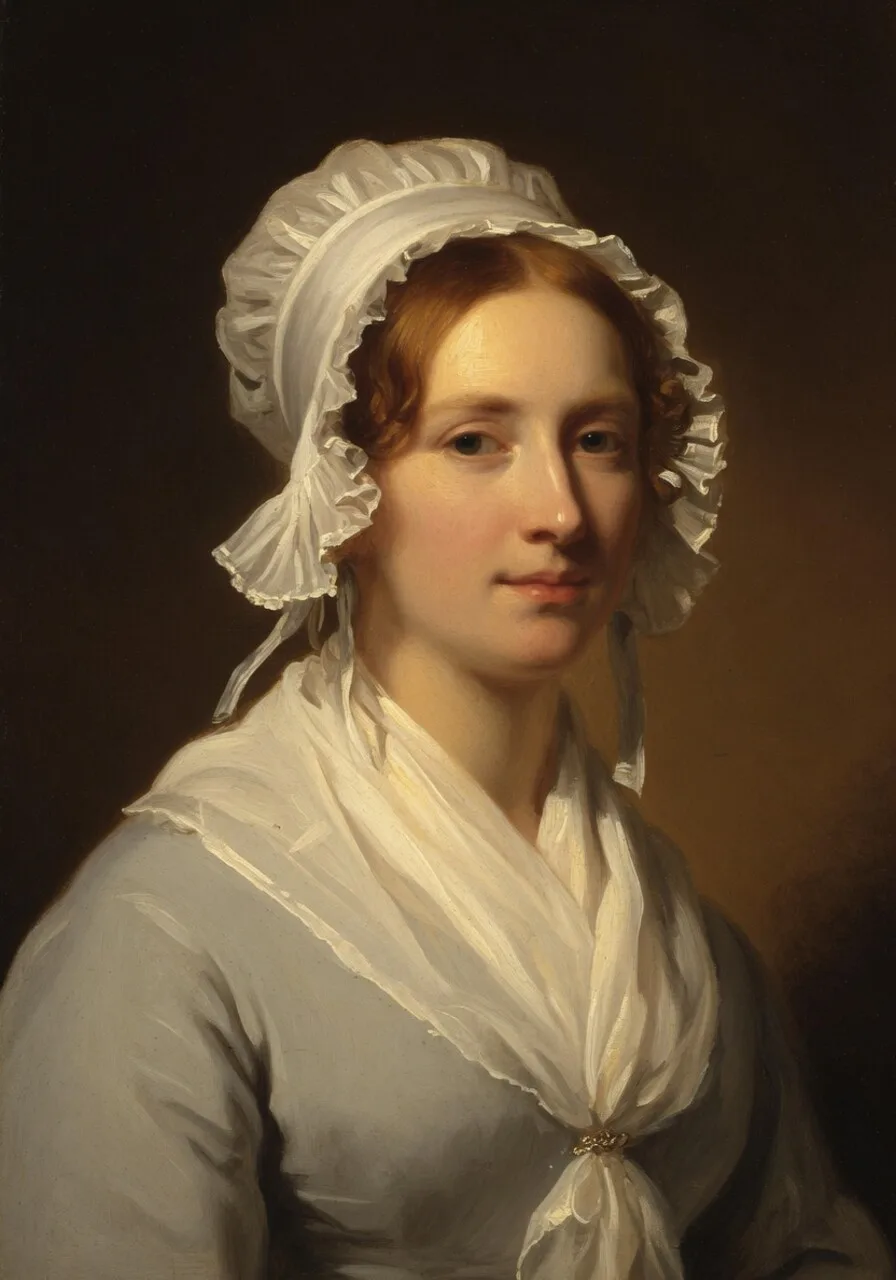
His elder sister, the reformer of Newgate; brother and sister together inspected the prisons of Scotland and the north of England in 1818.
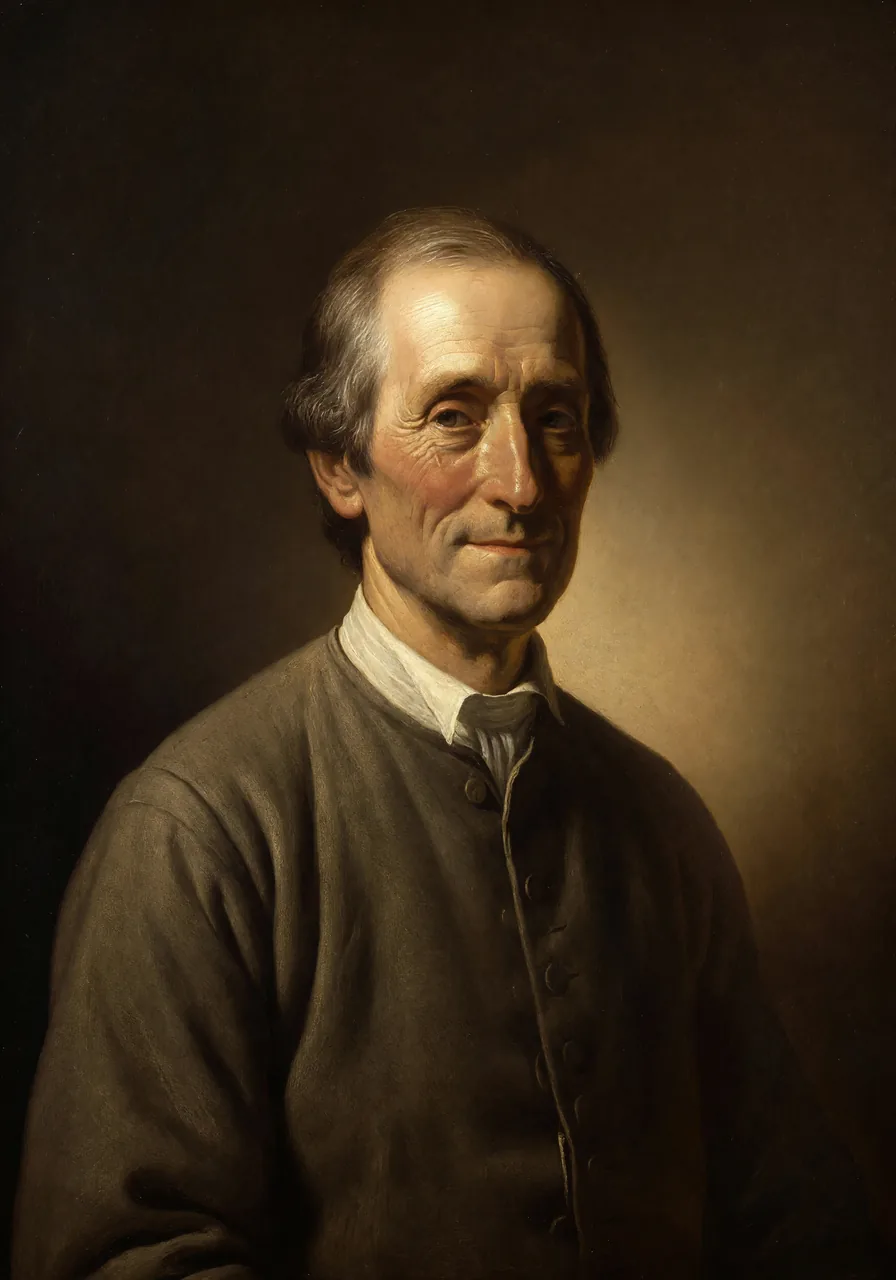
Benezet's generation of Quaker anti-slavery witness prepared the ground for the parliamentary campaign Gurney and Buxton helped finish in 1833.
His life 1788–1827 in his own journal and letters — Earlham, the Norwich bank, convincement, ministry, the anti-slavery witness, and prison reform with Elizabeth Fry culminating in their Irish ministry.