Born in Dutchess County, New York
Born the 22nd of 4th month, 1762, eldest child of Elijah and Phebe Hoag, in the Oblong settlement of Dutchess County, New York, into a family convinced of the principles of Friends.
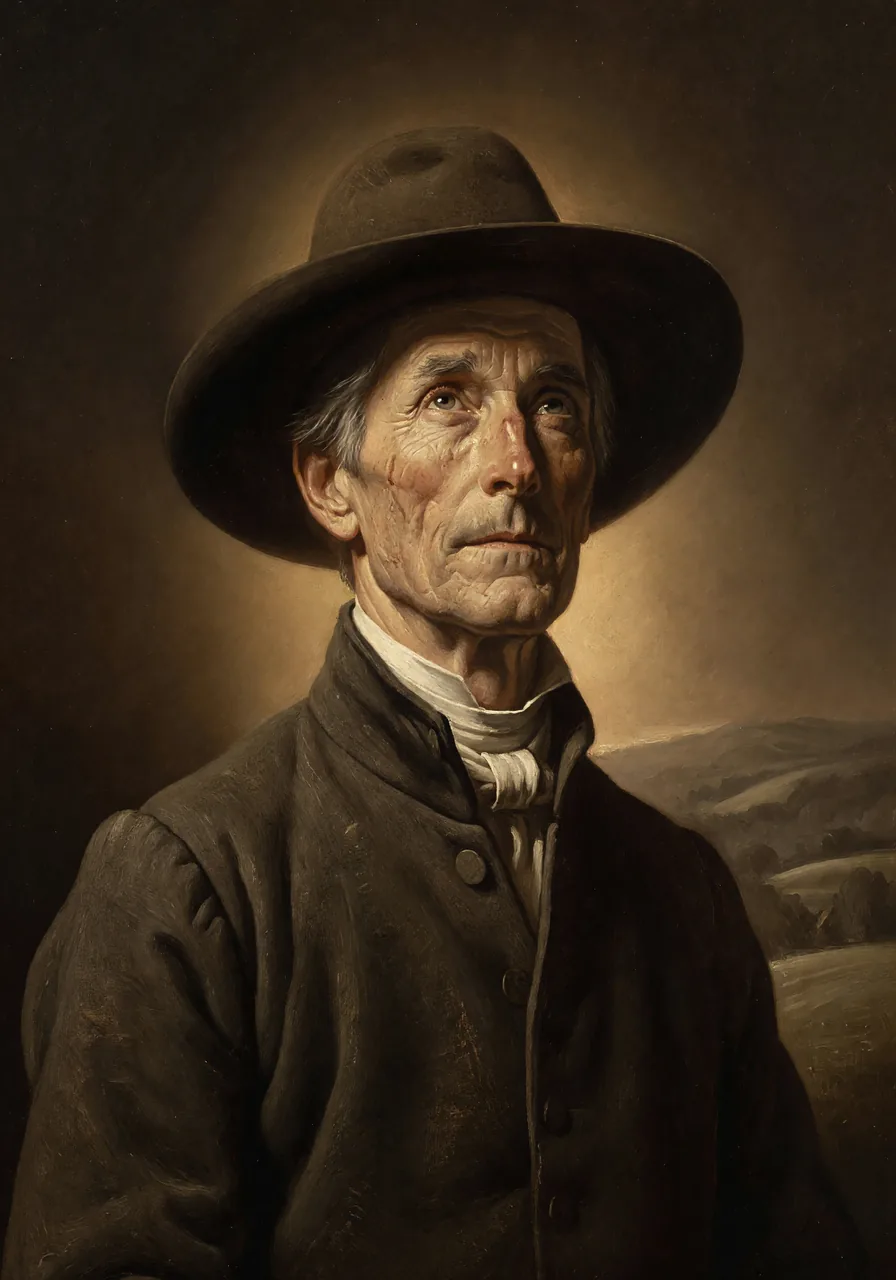
Vermont Frontier Minister and Visionary of the Quietist Era
“I have believed it right to leave to you, my children, the account of some occurrences I have passed through in life.” — Joseph Hoag
Born the 22nd of 4th month, 1762, eldest child of Elijah and Phebe Hoag, in the Oblong settlement of Dutchess County, New York, into a family convinced of the principles of Friends.
After a long inward struggle — including a period of infidel principles and repeated resistance to the call — he first spoke in meeting near his eighteenth year. David Sands afterward bore a testimony confirming his call to the ministry.
Married in the fall of 1782 to Huldah Case, who also appeared acceptably in the ministry.
With the approbation of Friends, moved his family from Dutchess County to Charlotte, Vermont — then a new country with very few and widely scattered Friends. He lived there the rest of his life and helped establish several meetings.
Left home the 5th of 1st month, 1801 for a religious visit through New England Yearly Meeting, extending to Nova Scotia, Halifax, St. John's and other British Provinces. The journey occupied more than a year and a half.
Recorded the vision for which he is best known — a foresight of division in the Society of Friends and of national conflict over slavery. It became the most widely reprinted piece of Quaker visionary writing in America.
Visited nearly all the meetings of Friends in Pennsylvania, Maryland, Virginia, North and South Carolina, and parts of Tennessee, appointing meetings also among those not of the Society.
In his eighties still travelling: visits within Indiana and Ohio Yearly Meetings, and attendance at New York Yearly Meeting in 1842, 1845 and 1846.
Died the 21st of 11th month, 1846, in his eighty-fifth year, after a last illness of about five weeks. Starksboro Monthly Meeting issued a testimony concerning him in 1853.
The Meeting for Sufferings of New York Yearly Meeting, meeting at Poplar Ridge, concluded its examination of his manuscript journal and directed it to the press. It was printed at Auburn, New York, deliberately preserving his original language.
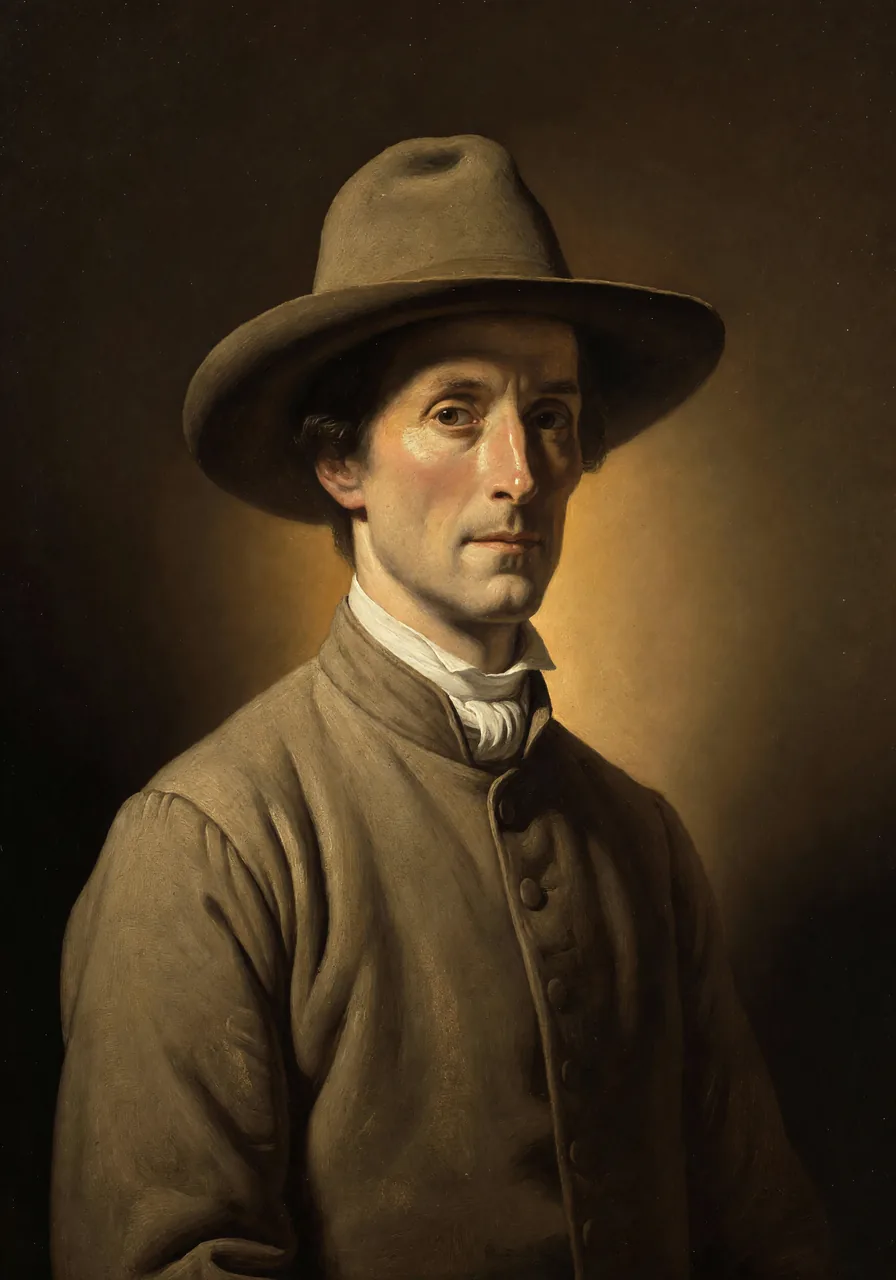
Scott and Hoag belonged to the same New England and New York Quietist generation, both leaving journals shaped by inward experience rather than public controversy.
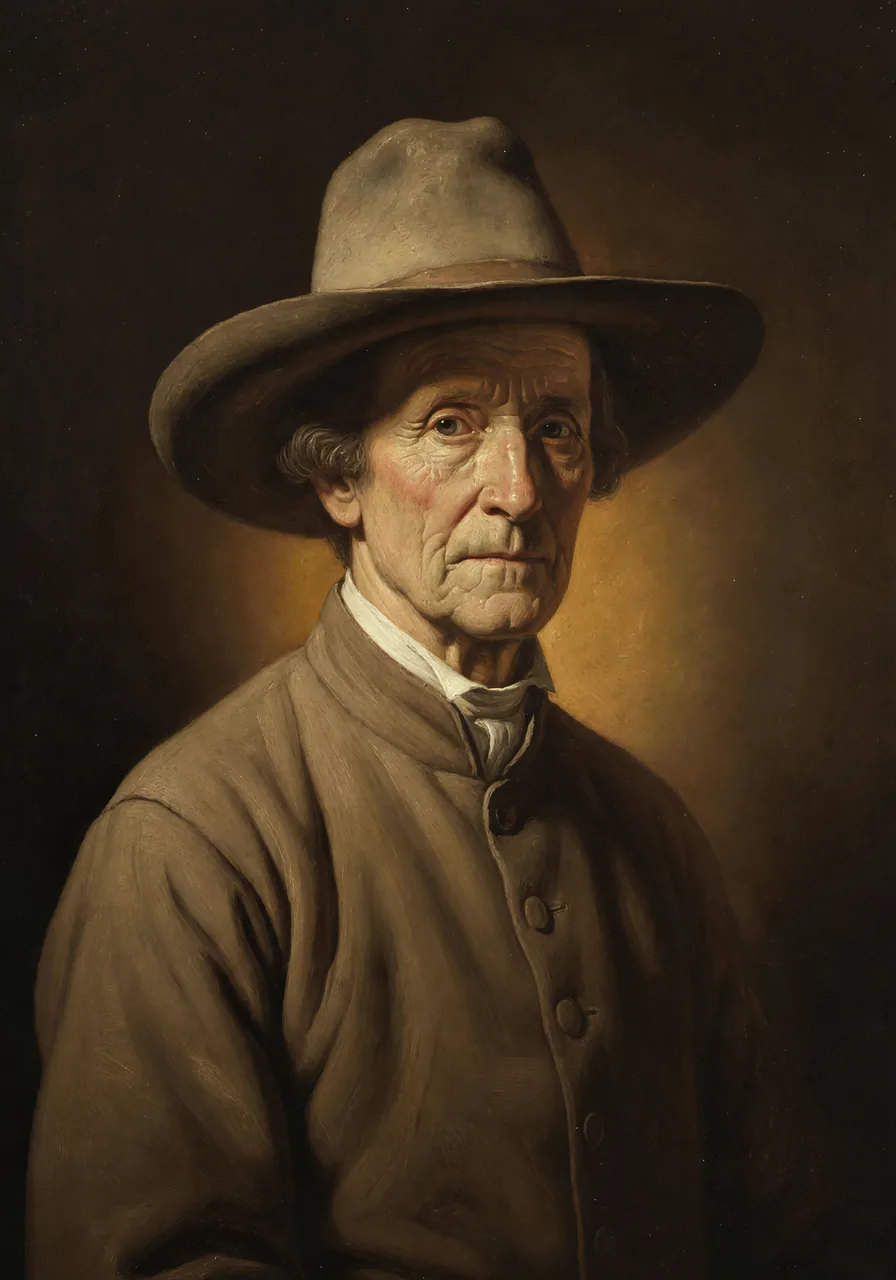
Both travelled extensively among American Friends during the years of the Hicksite separation, and both were outspoken against what they saw as innovation upon the Society's ancient doctrines.
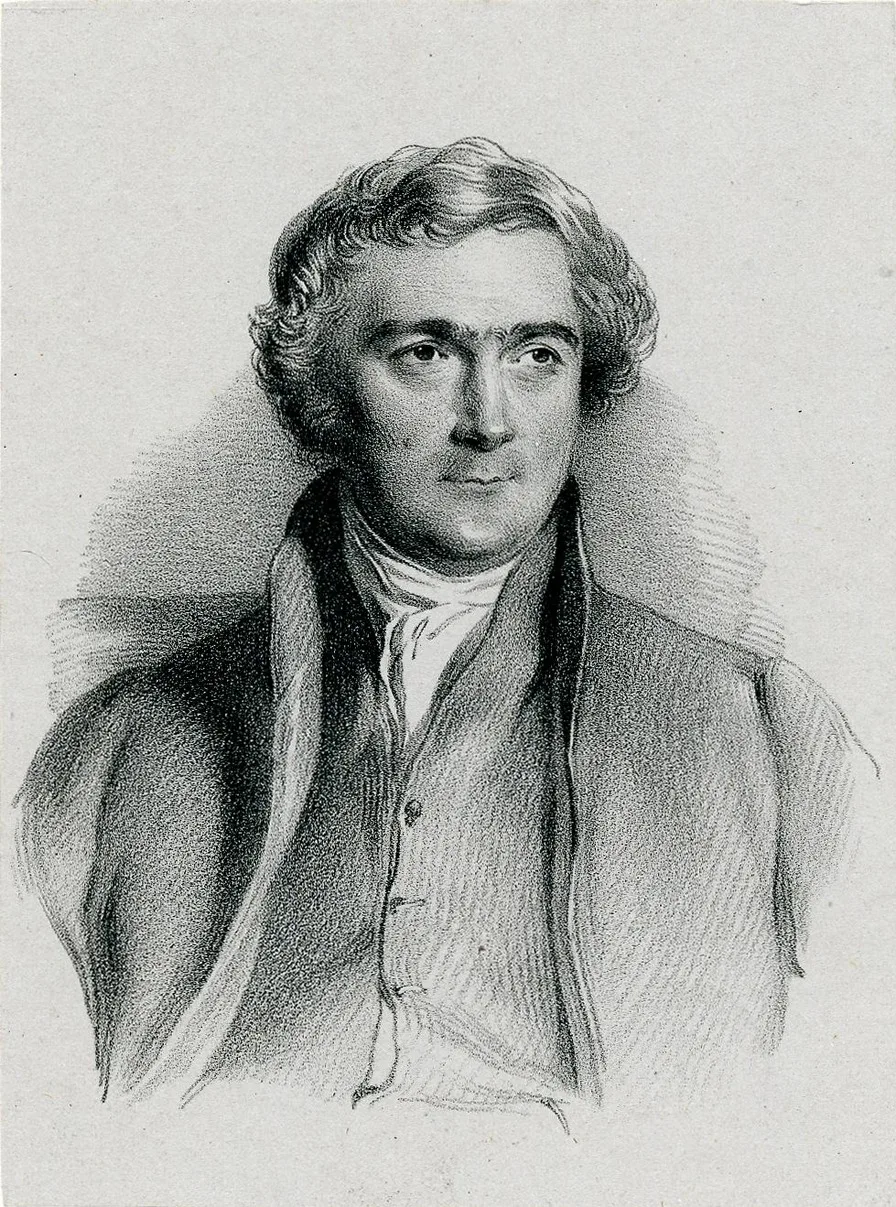
Hoag stated in the preface to his own writings that parts of them stood in opposition to doctrines propagated by Elias Hicks and to many of those written by Joseph John Gurney — placing him with the Wilburite conservatives.
First printed at Auburn, New York in 1861 after examination by the Meeting for Sufferings of New York Yearly Meeting. A frontier ministry journal covering more than sixty years of travel, and the source text for Hoag's celebrated Vision of 1803.