Born in Burlington County
Born on a Quaker farm in Rancocas, Burlington County, New Jersey, the fourth of thirteen children. He showed an early tenderness toward all living creatures.
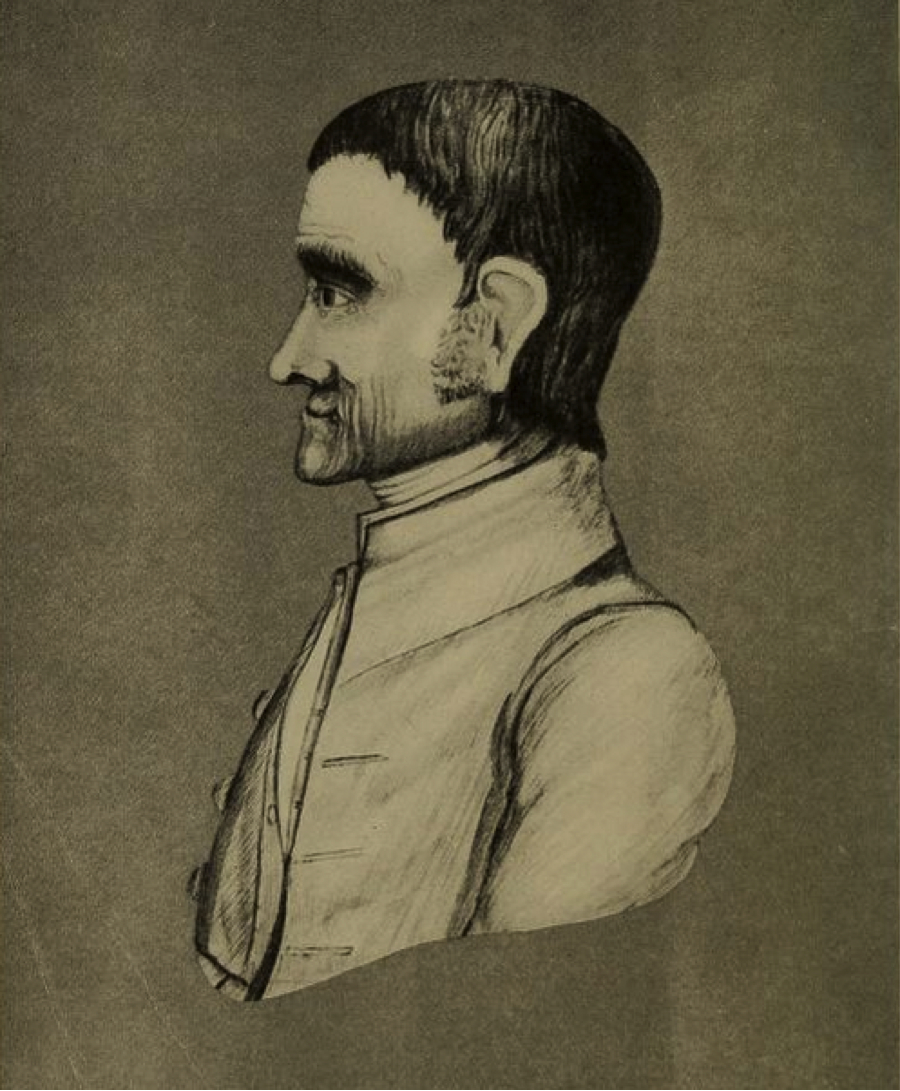
The Conscience of American Quakerism
“To turn all the treasures we possess into the channel of universal love becomes the business of our lives.” — John Woolman
John Woolman was born on October 19, 1720, on a farm in Rancocas, Burlington County, New Jersey, the fourth of thirteen children in a prosperous Quaker family. From an early age he displayed an unusual tenderness toward all living things. He later recalled that as a boy he once threw stones at a robin and killed it, then was so overcome with remorse that he climbed the tree to kill the nestlings rather than let them starve — and carried the guilt for years.
He received a good education for the time and place, reading widely in Scripture and devotional literature. At twenty-one he moved to Mount Holly, New Jersey, where he worked as a tailor, shopkeeper, and scrivener (a drafter of legal documents). Woolman deliberately kept his business small, turning away trade when he felt it was consuming time that should be devoted to the spiritual life and to ministry among Friends.
The defining moment of his antislavery conviction came in 1743, when his employer asked him to write a bill of sale for an enslaved woman. Woolman complied, but the act troubled his conscience so deeply that he resolved never again to participate in any transaction involving human bondage. This was not yet a common position even among Quakers; many Friends in the mid-Atlantic colonies owned slaves, and the practice was tolerated within the Society.
In 1746, Woolman undertook the first of several journeys through the slaveholding South — traveling through Maryland, Virginia, and North Carolina on foot and horseback. What he witnessed transformed his moral concern into a lifelong prophetic calling. He saw enslaved people worked beyond endurance, families separated, children stripped of any hope of education or freedom. He began his patient, meeting-by-meeting campaign of persuasion: visiting slaveholding Friends individually, asking gentle but piercing questions, and refusing to accept hospitality that was produced by slave labor.
His method was remarkable for its gentleness. Woolman never thundered or condemned. He simply asked questions, bore witness, and let the Light work. When he stayed in the home of a slaveholder, he would leave money on the table for the enslaved workers who had served him. When he felt that his clothing was produced through exploitative labor, he began wearing undyed garments — a peculiar testimony that drew ridicule but also attention.
The results were decisive. His essay Some Considerations on the Keeping of Negroes (Part I, 1754) was the first antislavery tract to receive official endorsement from Philadelphia Yearly Meeting. By 1758, largely through Woolman’s persistent labor, the Yearly Meeting ruled that members who bought or sold slaves should be disciplined. By 1776, Philadelphia Yearly Meeting had banned slaveholding entirely — making the Quakers the first religious body in the Western world to take corporate action against slavery, decades before any other denomination.
Woolman’s prophetic vision extended beyond slavery. His Plea for the Poor (written 1763, published posthumously 1793) addressed wealth inequality with arguments that read as strikingly modern — the moral costs of luxury, the duty of the wealthy toward laborers, and the spiritual corruption that comes from living off the work of others. In 1763 he traveled to Wyalusing on the Susquehanna to visit the Lenape people during Pontiac’s War, risking his life out of concern for Native American welfare.
In 1772, Woolman crossed the Atlantic to visit English Friends, traveling in steerage rather than a cabin out of concern for the welfare of common sailors. He ministered through northern England that summer and autumn. On October 7, 1772, he died of smallpox at York, far from home, at the age of fifty-one.
His Journal, published posthumously in 1774, became one of the acknowledged masterpieces of American spiritual literature. Charles Lamb praised it; John Greenleaf Whittier edited it; the Harvard Classics included it in 1909 alongside Augustine’s Confessions and Bunyan’s Pilgrim’s Progress. It remains the most widely read Quaker book outside the Society of Friends.
Born on a Quaker farm in Rancocas, Burlington County, New Jersey, the fourth of thirteen children. He showed an early tenderness toward all living creatures.
At age sixteen, Woolman experienced a deepening of inward life. He later wrote of this period: 'I had many fresh and heavenly openings in respect to the care and providence of the Almighty.'
Moved to Mount Holly, New Jersey, to work as a tailor, shopkeeper, and scrivener. He deliberately kept his business small to leave time for spiritual life and ministry.
Asked by his employer to write a bill of sale for an enslaved person, Woolman obeyed but felt deep unease. He resolved never again to participate in any transaction involving slavery.
Traveled with Isaac Andrews through Maryland, Virginia, and North Carolina, witnessing the brutality of plantation slavery firsthand. The experience transformed his concern into a lifelong calling.
Married Sarah Ellis, a fellow Quaker. They had two children, though only their daughter Mary survived infancy.
Published by Philadelphia Yearly Meeting's Overseers of the Press. The essay argued against slavery from Scripture, reason, and the Inner Light — the first Quaker antislavery tract given official endorsement.
After years of Woolman's patient, meeting-by-meeting persuasion, Philadelphia Yearly Meeting ruled that members who bought or sold slaves should be disciplined — a watershed in Quaker antislavery witness.
Published the second part of his antislavery essay, deepening the argument with reflections on economic complicity and the corruption that slaveholding works on the slaveholder's own soul.
Wrote this essay on economic justice and simple living (published posthumously in 1793), anticipating modern concerns about wealth inequality and the duty of the rich toward the laboring poor.
Traveled to Wyalusing on the Susquehanna River to visit the Lenape people during Pontiac's War — a dangerous journey undertaken out of concern for Native American welfare and to witness against frontier violence.
Began wearing undyed clothing, believing the dye industry exploited workers. This peculiar testimony of simplicity drew both ridicule and admiration among Friends.
Crossed the Atlantic in steerage rather than a cabin, out of concern for the welfare of sailors. He traveled through northern England visiting meetings.
Died of smallpox on October 7 at York, England, while on his ministry tour. His Journal was published posthumously in 1774 and became a spiritual classic, later included in the Harvard Classics (1909).
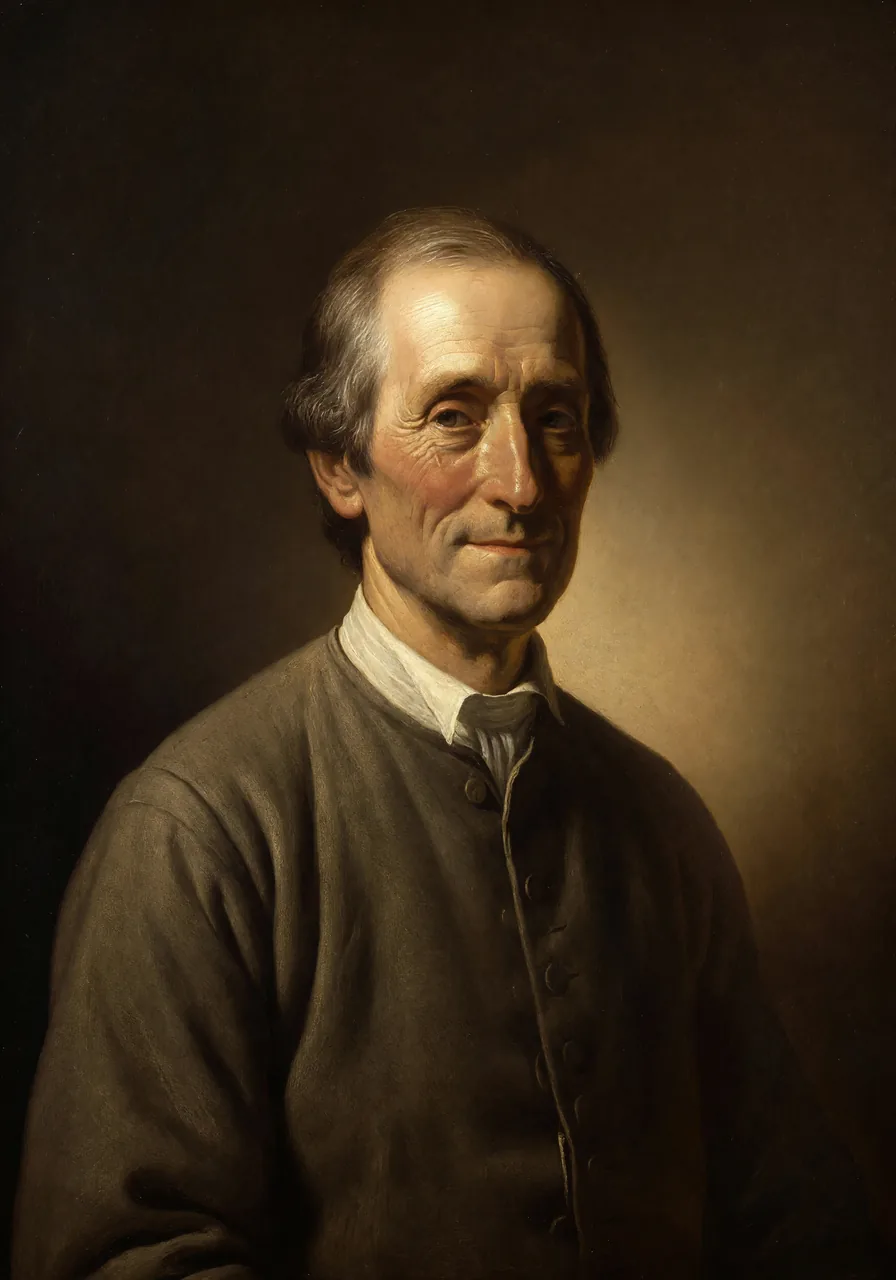
Woolman provided the personal, Spirit-led witness; Benezet organized the intellectual and political campaign. Together they brought Philadelphia Yearly Meeting to corporate repudiation of slavery.
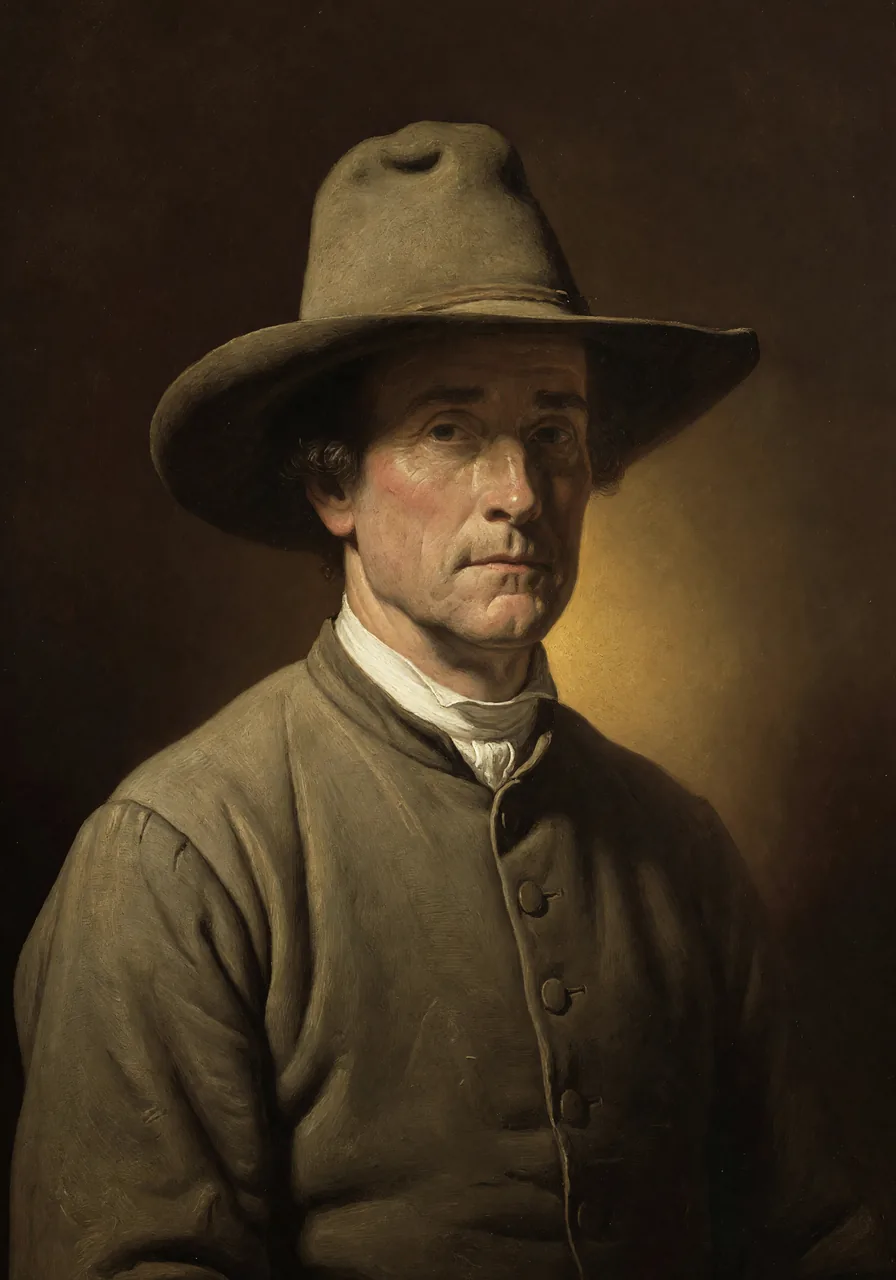
Churchman was central to the eighteenth-century reform movement in Philadelphia Yearly Meeting and an important influence on Woolman's developing antislavery conviction.
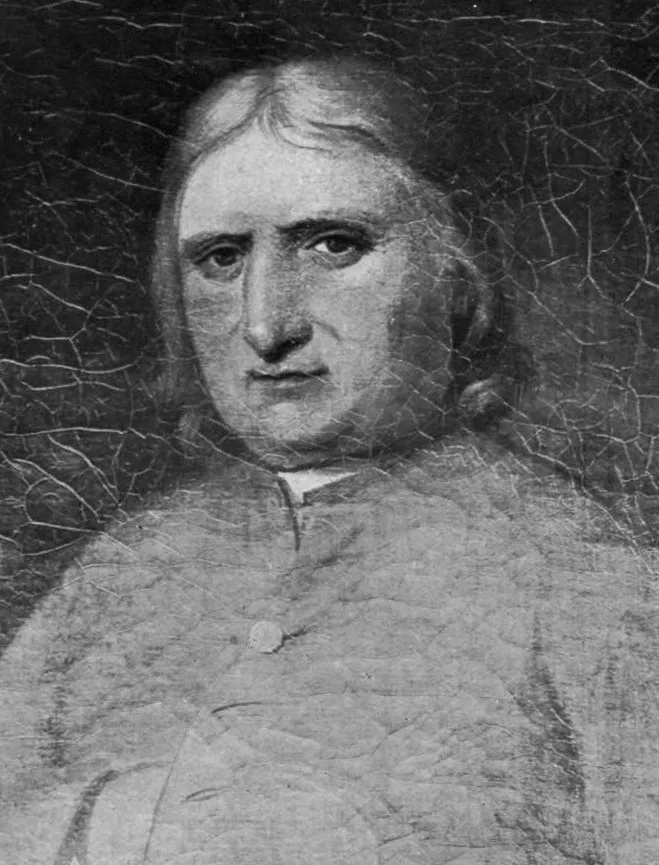
Woolman carried Fox's founding vision of spiritual equality to its logical conclusion in the fight against slavery, showing what the original witness looked like in mature, second-century application.
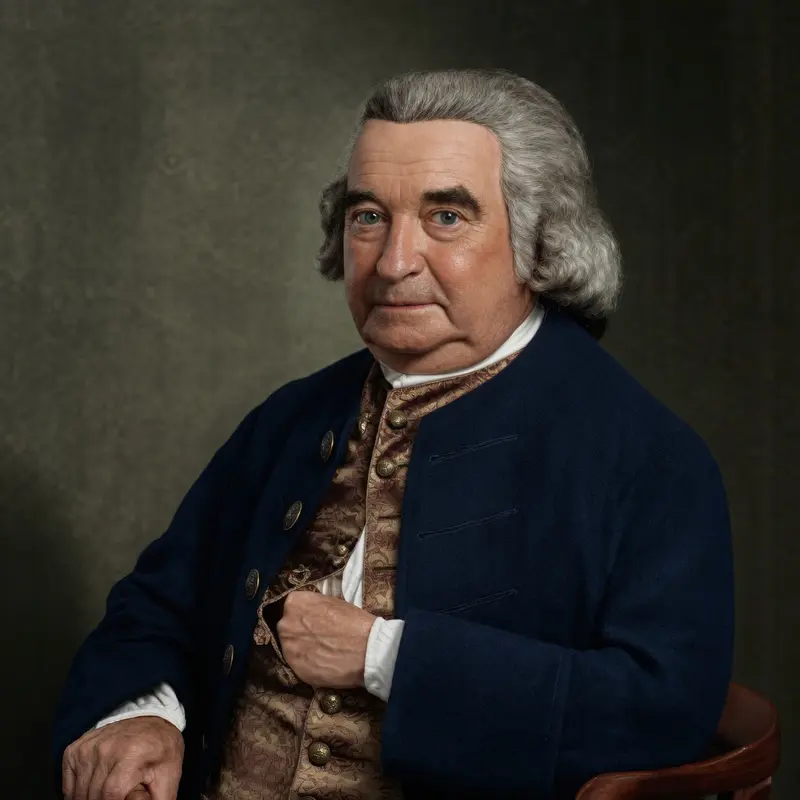
Penington's writings on the inward life shaped Woolman's contemplative spirituality and his understanding of how the Light works on the conscience.
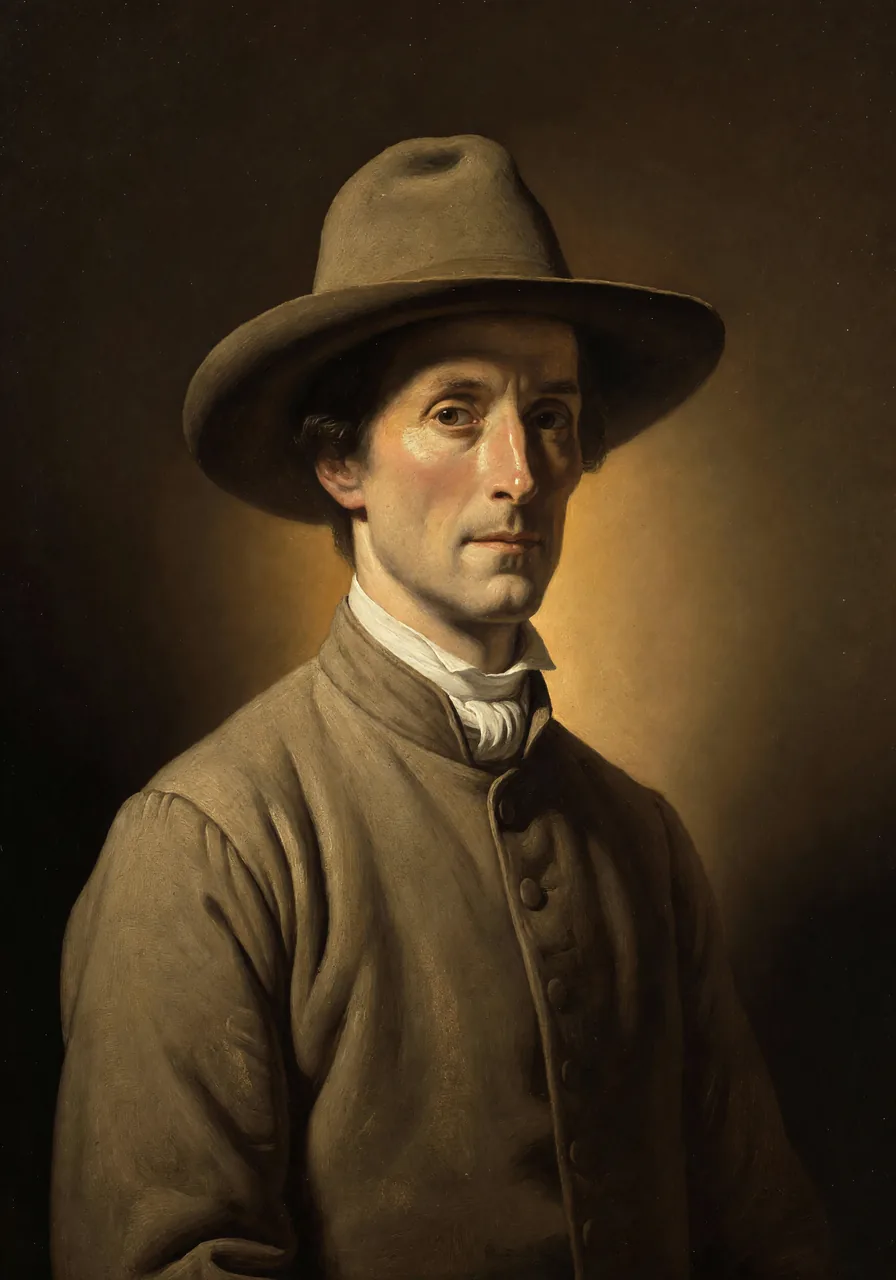
Scott carried forward Woolman's prophetic witness with greater theological precision, becoming the last major American Friend to hold both threads — inward Light and Scripture — in equal balance.
One of the great American spiritual autobiographies, included in the Harvard Classics — the document that helped persuade the Quakers to become the first religious body to formally forbid slaveholding.
His groundbreaking antislavery essay in two parts (1754, 1762), combining scriptural argument with firsthand moral witness — the first Quaker antislavery tract given official endorsement.
Written in 1763 and published posthumously in 1793, this essay on economic justice and simple living anticipated modern concerns about wealth inequality and environmental stewardship.
Published in 1768, this essay extends Woolman's social vision to questions of taxation, war, and the moral responsibilities of citizens in a commercial society.