Now Available: purchase & instantly download our modernized Quaker classics. Shop the Library →
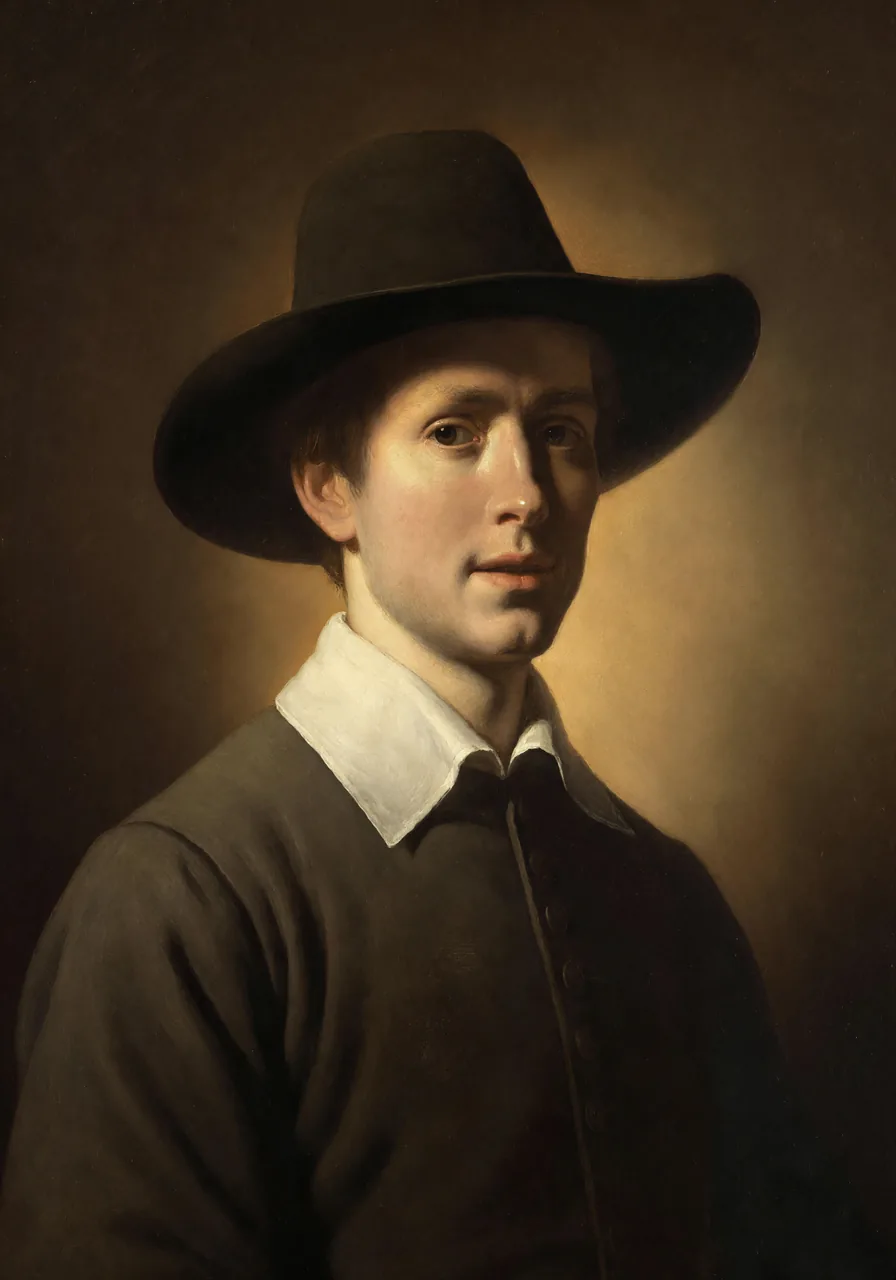
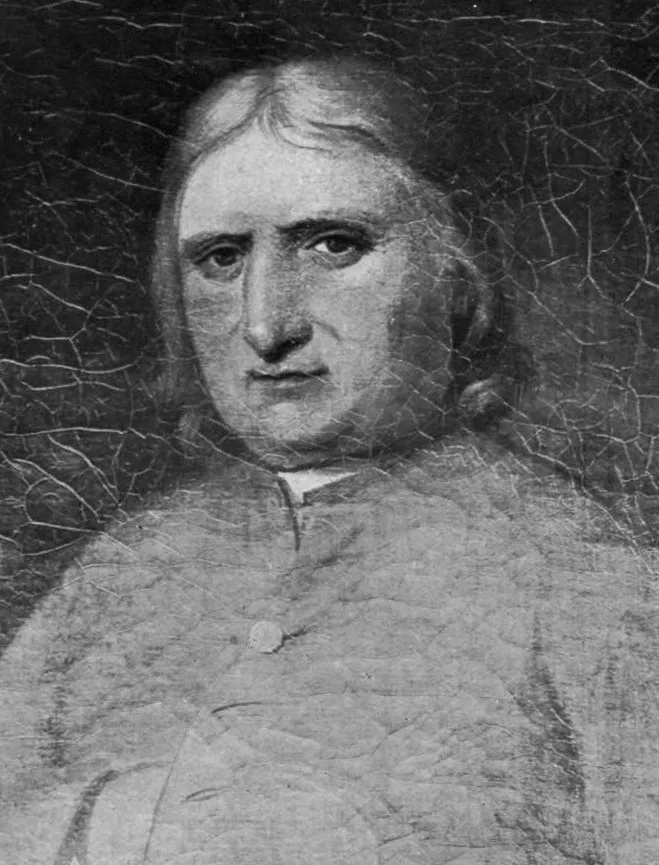
John Philly & William Moore
fl. 1660–1686

John Philly & William Moore

Racked at Comorra — Two Quaker Missionaries Before the Inquisition in Hungary

If I should do so for fear or favour of you, the Lord not requiring it of me, I should not have peace in my conscience, and the displeasure of the Lord would be more intolerable than yours. — John Philly & William Moore

Life & Ministry

1660

Philly Distrained at Dover

John Philly 'appears to have been an inhabitant of Dover, where he suffered distraint in the year 1660, for not paying tithes'; in 1670 he was committed to prison there for teaching school without the bishop's licence and recommitted for refusing the oath of Allegiance.
1662

From Germany into Hungary

Being in Germany with other Friends in the first month of 1662, and refreshed 'under the baptizing ministry of William Caton', they set out on the 29th of the first month and reached Cushart, a day's journey from Presburg, on the 16th of the second month, preaching and distributing books among the Hortesche Brethren.

1662

Taken at Comorra

Pressing on toward a settlement three hundred miles off at Pattuck in Upper Hungary, they came to the garrison of Comorra; Moore, met by soldiers with a Quaker book in his hand, was stripped, searched and chained by Captain Fusch, Philly was arrested at the inn across the river, and the two were held apart, Philly in 'the Hungarian's vault' with its rack, stocks and gallows.

1662

The Rack

On the eighth day, under a pretended order of the Emperor Leopold, the hangman screwed Moore's thumbs, tied him to the ladder and drew him off it until his left arm 'was put out of joint with a loud crack'; Philly, who had supposed his friend hanged, was thumbscrewed and twice drawn up, and cried out 'Innocent'.

1662

Wheelbarrows and Letters to the Governor

Set to earn bread throwing earth into a wheelbarrow, the two wrote to the governor of Comorra, whose moderation checked the Inquisitor; their intercepted letters were recovered and their chains taken off, and after about sixteen weeks they were sent to Vienna.

1662–1663

Sentenced to Burn at Nadasti's Court

Delivered in iron bolts to Lord Francis of Nadasti, the emperor's lord chamberlain, they were sentenced to be burned unless they embraced the Roman Catholic religion, then confined five miles from Vienna in a hole with shackled Turks; Adam Bien, the earl's barber, read their papers, was convinced, and became 'their steadfast and useful friend'.

1663

Moore Carried Off by Sled

In the deep snow of that winter Moore was lured into the fields, beaten until 'they shed much of his blood', chained by the neck, and shut blindfold for four days in a lightless hole at a cloister, where the monks hung him in a tub over a well, whirled him on a rope, locked neck and feet together and spun him in a wheel to make him turn.

1663

Release and the Walk Home

Set at liberty on the 4th of the seventh month 1663 with five small coins, Moore walked by 'the most private and unfrequented ways' through a country at war with the Turks, was turned back at the gates of Gratz, and reached Paltz about the 2nd of the eighth month and Friends at Christein on the 7th; Adam Bien's letter reported Philly freed on the 6th of the seventh month.

1683–1686

Moore in Gloucestershire and at Guildhall

In 1683 Moore was committed in Gloucestershire for a month's absence from the national worship, was tried at Guildhall on the 8th of the tenth month 1684 for a street meeting in White Hart Court, and in 1686 was discharged at the Quarter Sessions with fifty-five fellow-sufferers under King James's proclamation.

Available Works

Narrative of the Sufferings of John Philly and William Moore

Proposed

The account of their 1662–63 journey to the Hortesche Brethren of Hungary, their arrest at Comorra, the rack, the sentence at Vienna and Moore's abduction to a cloister, told largely in William Moore's own words and reprinted in the Friends' Library, volume 4 (1840).