Born in Radnorshire, Wales
Born into a Welsh Quaker family in Radnorshire. Wales had a strong Quaker tradition going back to the missionary labors of the 1650s.
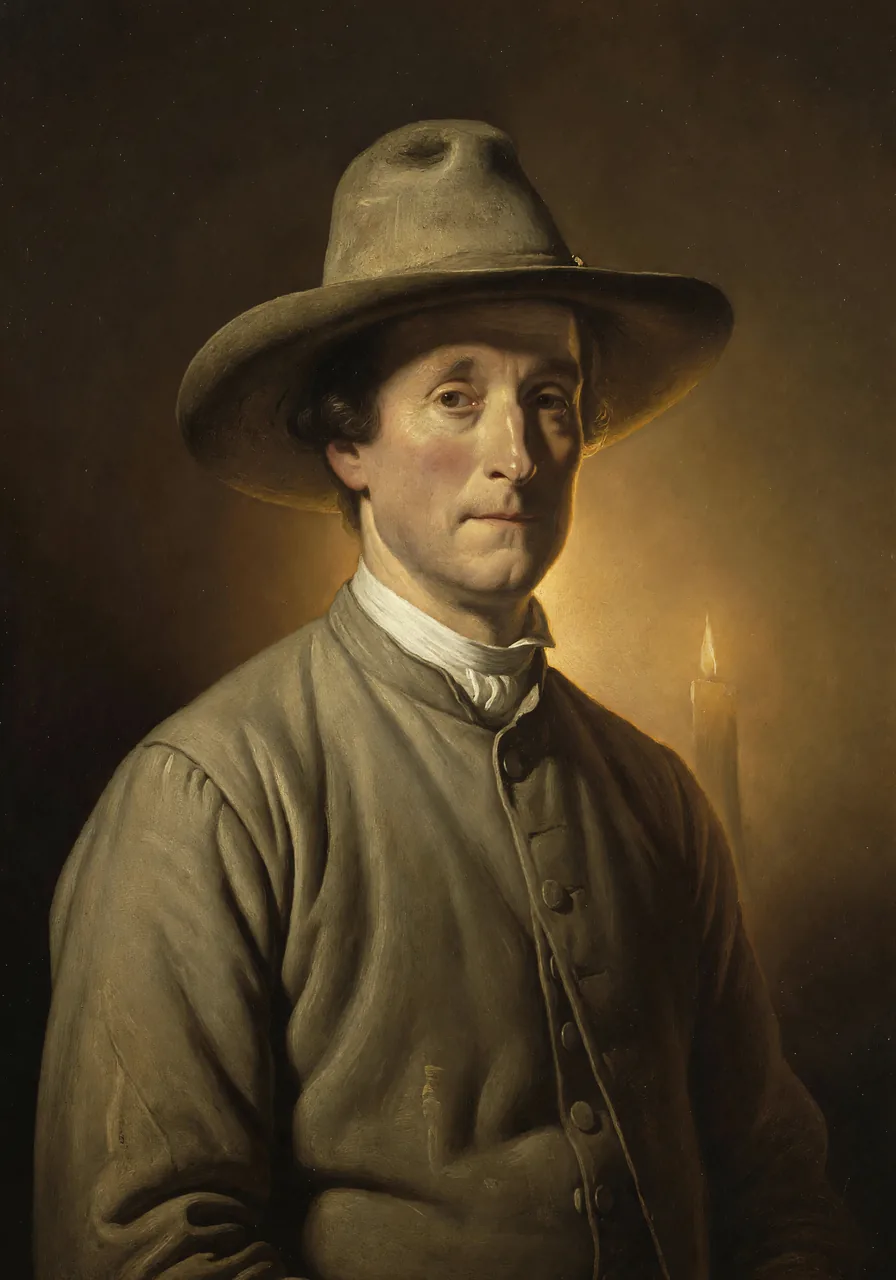
Transatlantic minister who bridged Welsh and American Quakerism
“The Lord's work is not to be done negligently, nor in our own time, but in His.” — John Griffith
Born into a Welsh Quaker family in Radnorshire. Wales had a strong Quaker tradition going back to the missionary labors of the 1650s.
As a young man, Griffith left Wales for the Quaker settlements of Pennsylvania, joining the vibrant Welsh Quaker community in the Delaware Valley.
Recognized as a minister in the Society of Friends, beginning a long career of travel and gospel service across the American colonies.
Undertook extensive travels in ministry through the colonies, visiting Friends meetings from New England to the Carolinas.
Traveled among Friends during a period of intense moral pressure on Pennsylvania Quakers over war taxes and the peace testimony.
Joined the growing movement within Philadelphia Yearly Meeting to confront slaveholding among Friends, visiting slaveholders alongside contemporaries like Woolman and Churchman.
Published Some Brief Remarks Upon Sundry Important Subjects, addressing key theological and practical questions facing mid-century Friends.
Traveled to England on a major ministerial visit, connecting the reform-minded American Friends with sympathetic English Quakers and helping catalyze transatlantic antislavery sentiment.
Died in Pennsylvania on the eve of the American Revolution, having spent over forty years in the ministry. His Journal was published posthumously in 1779.
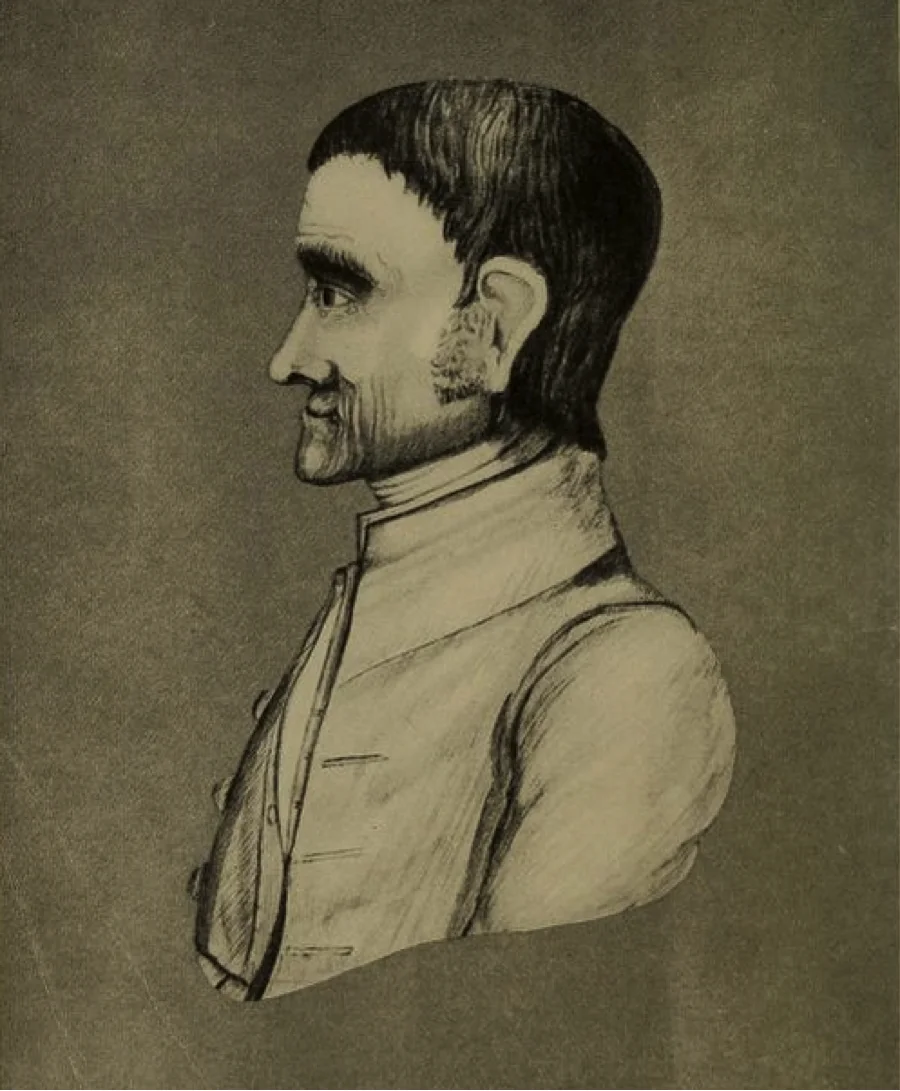
A contemporary and fellow traveler in the antislavery cause, Griffith shared Woolman's conviction that Friends must purge slaveholding from the Society.
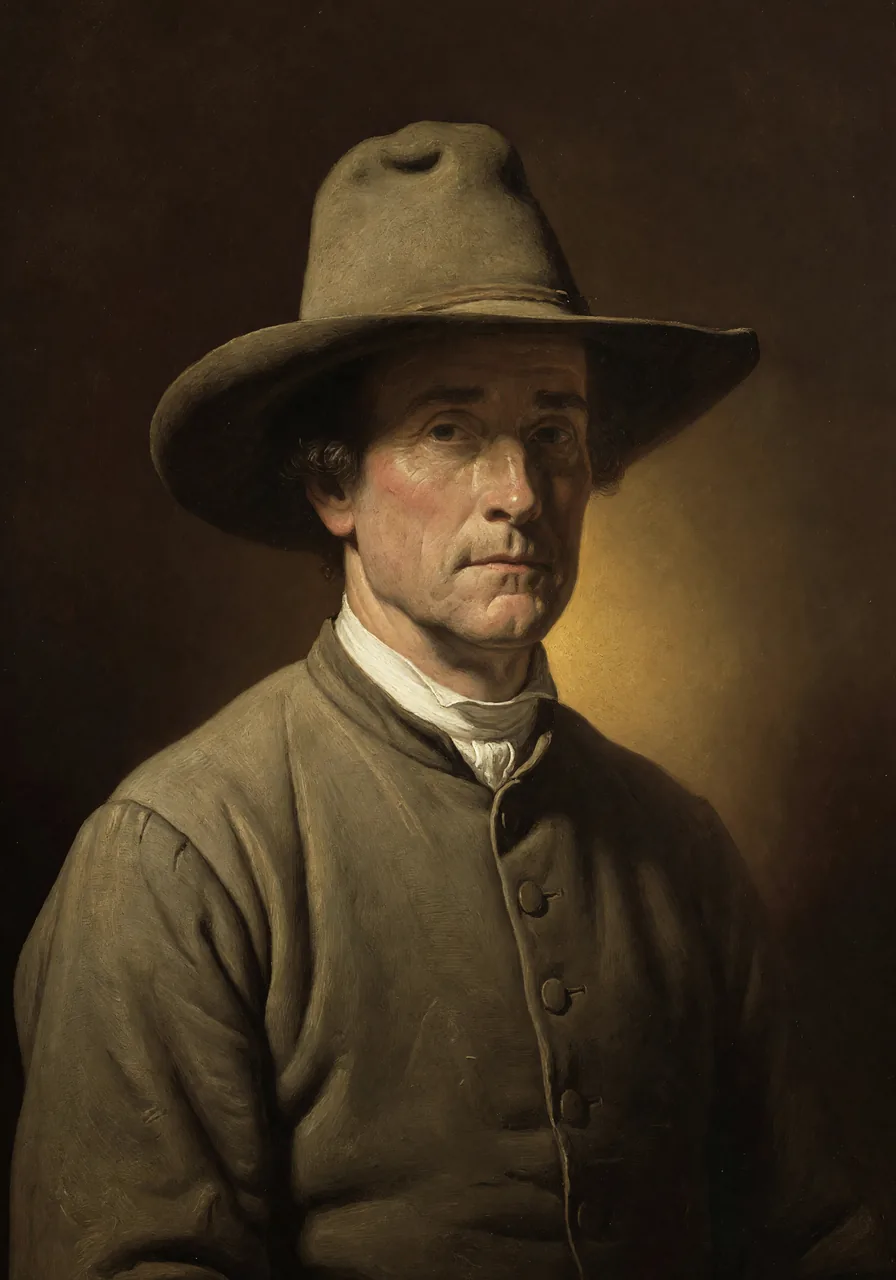
Both men were central figures in the mid-century reform of Philadelphia Yearly Meeting, traveling together and supporting the movement toward corporate repudiation of slavery.
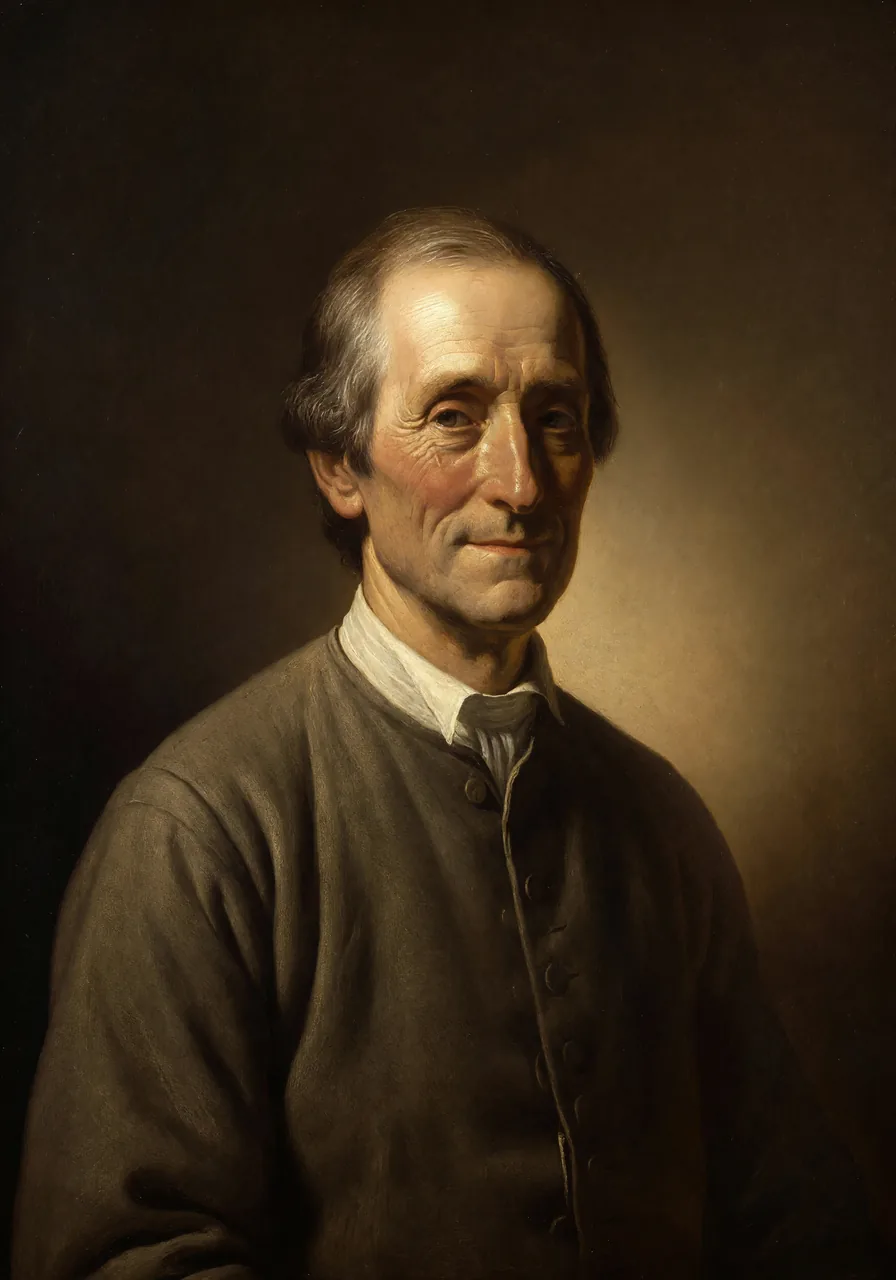
Griffith's transatlantic ministry complemented Benezet's literary and organizational campaign against the slave trade, connecting American and English reform efforts.
Published posthumously in 1779, this Journal is one of the better mid-eighteenth-century records of Friends on both sides of the Atlantic, documenting Griffith's extensive travels and the antislavery reform movement.
Published in 1764, this collection of theological and practical reflections addresses key questions facing mid-century Friends with clarity and conviction.