Born in Dublin, Ireland
Born into the Irish Quaker community in Dublin, which had been established by William Edmundson and other missionaries in the 1650s and remained a vibrant center of Friends' life.
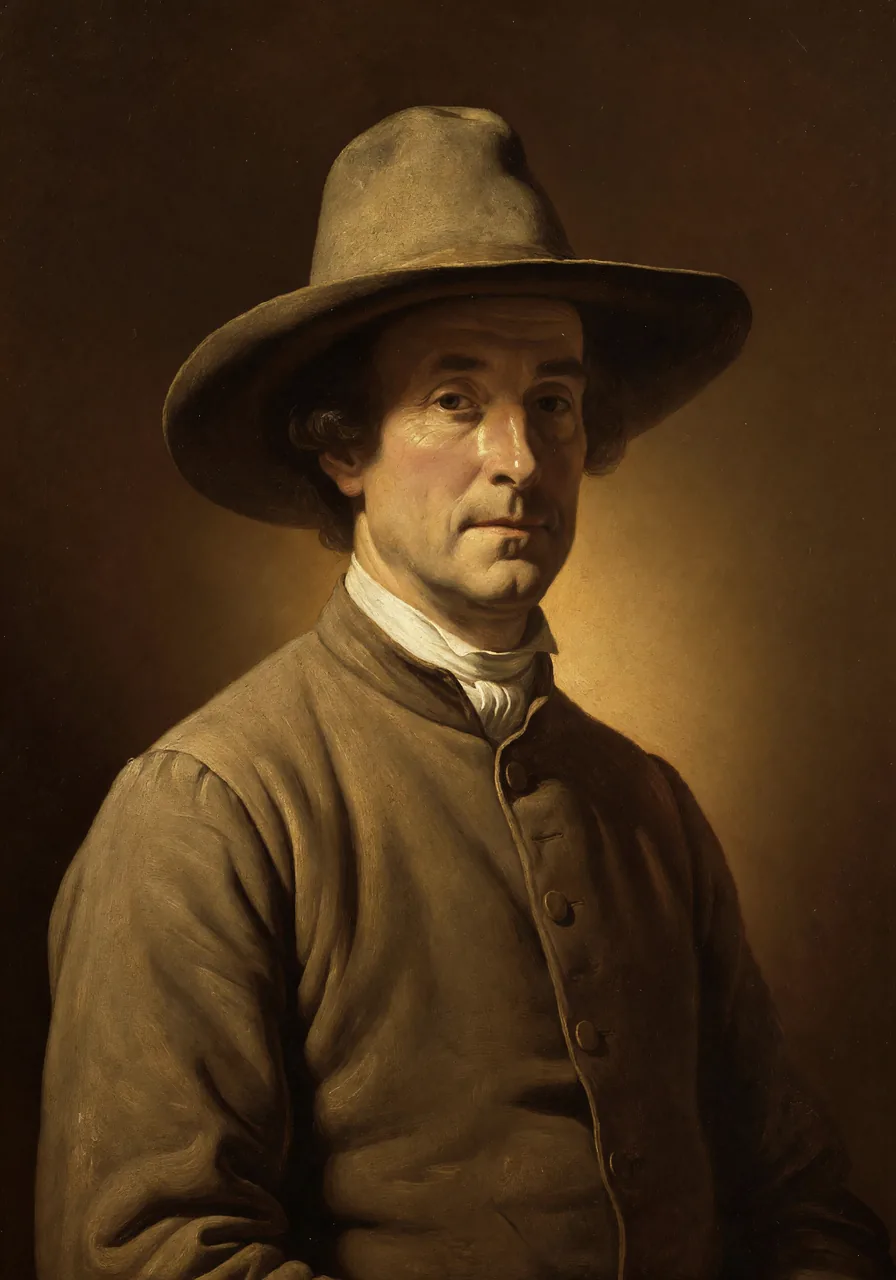
Irish Friend who wrote the second great Quaker history
“The faithful have in every age been called to testify against the corruptions of their times.” — John Gough
Born into the Irish Quaker community in Dublin, which had been established by William Edmundson and other missionaries in the 1650s and remained a vibrant center of Friends' life.
Became deeply involved in the life of Dublin Friends, developing the historical and literary interests that would define his life's work.
Undertook systematic research into the history of the Quaker movement, consulting records, manuscripts, and printed sources across Ireland and England.
Worked extensively with the archives of Irish Friends meetings, preserving material that would otherwise have been lost and incorporating it into his larger historical narrative.
As the American Revolution approached, Gough observed the strains it placed on transatlantic Quaker fellowship, material he incorporated into the later volumes of his History.
Published the first two volumes of A History of the People called Quakers, From their First Rise to the Present Time, covering the movement from its origins through the Restoration period.
Completed his History with the final two volumes, bringing the narrative through 1764 and providing the most extensive account of eighteenth-century Quakerism available.
Died in Dublin shortly after completing his great work. His History remained a standard Quaker reference until Braithwaite's twentieth-century histories appeared.
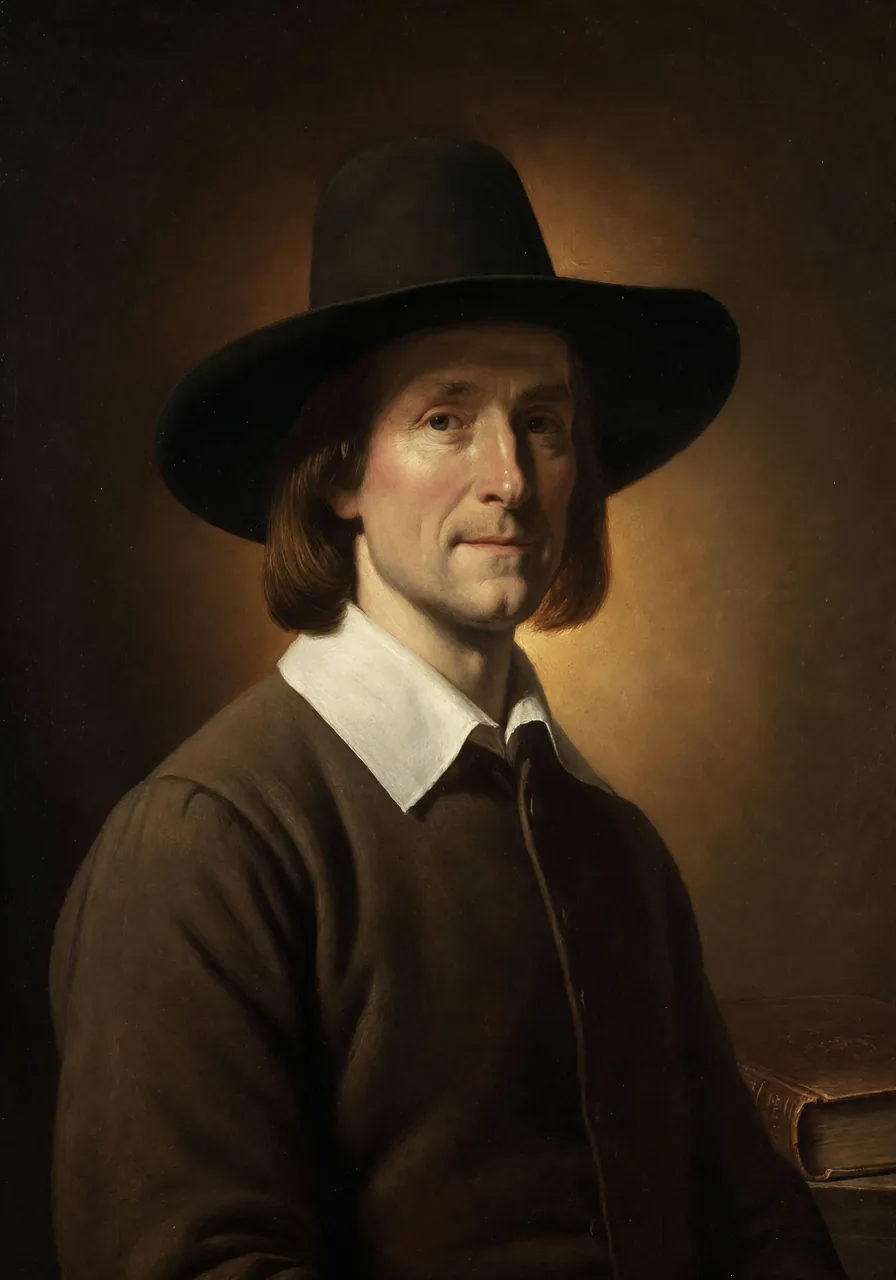
Gough's History consciously continued and supplemented Sewel's earlier History of the Rise, Increase, and Progress, extending the narrative through another half-century of Quaker development.
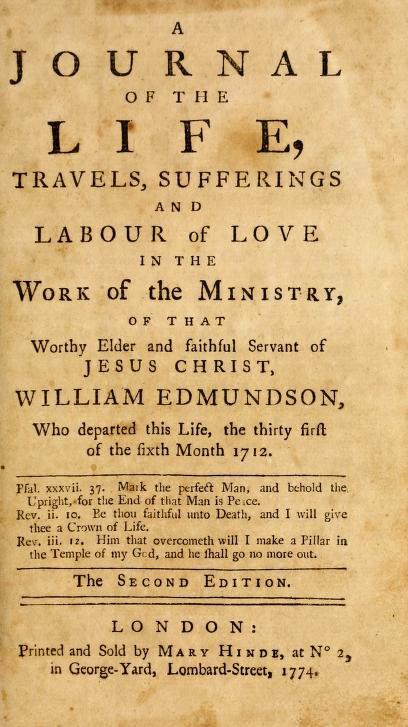
As an Irish Friend, Gough drew heavily on Edmundson's Journal and the records of the Irish Quaker community that Edmundson had founded.
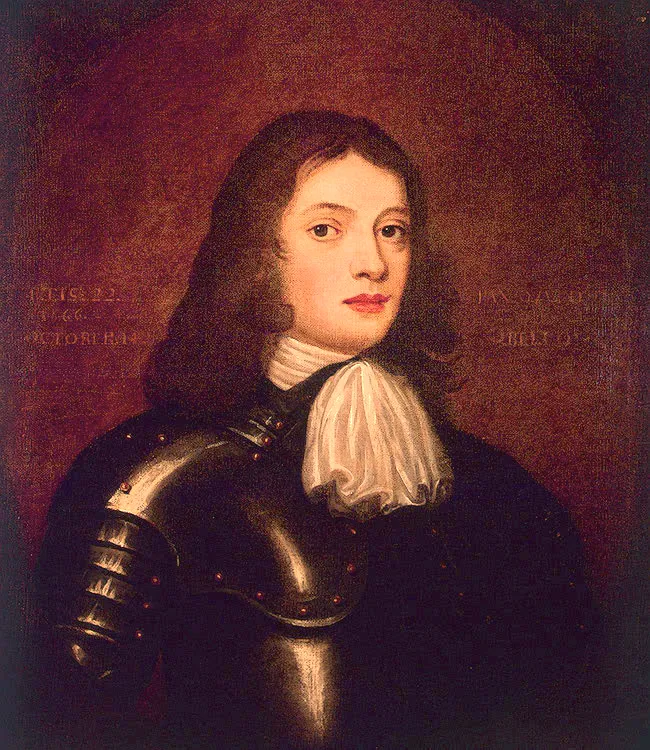
Penn's Rise and Progress, Sewel's History, and Gough's History formed the three internal histories through which Friends understood their own movement.
Published in four volumes in 1789-90, this comprehensive history supplements Sewel and extends the narrative of the Quaker movement through 1764, making it one of the three essential internal histories of early Friends.