Born in Wensleydale, Yorkshire
Born in the Yorkshire Dales during the period of severe persecution under the Conventicle Acts. He grew up among Friends who had suffered imprisonment and loss for their faith.
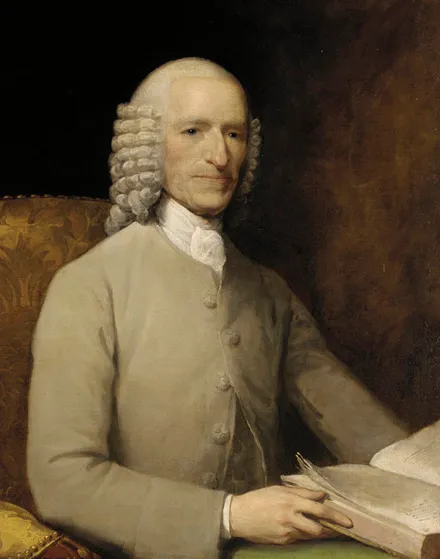
Bridge figure who carried the spirit of early Friends into the eighteenth century
“The life of religion is in the inward parts, and the form without the power is but a shell.” — John Fothergill
Born in the Yorkshire Dales during the period of severe persecution under the Conventicle Acts. He grew up among Friends who had suffered imprisonment and loss for their faith.
Came into deep conviction as a young man and was soon recognized as a minister. His early ministry reflected the earnest, Spirit-led character of the founding generation.
Made his first transatlantic voyage to visit Friends in the American colonies, traveling extensively through the settlements of Pennsylvania, New Jersey, and New England.
His son Samuel was born in Wensleydale. Samuel would grow up to become one of the most respected ministers of the next generation.
Returned to America for a second extended ministry tour, visiting Friends throughout the colonies and strengthening the connections between English and American Quakerism.
His son John was born, who would become one of the most celebrated physicians in eighteenth-century London and a major benefactor of Quaker causes.
Made a final American journey late in life, witnessing the growth of colonial Quakerism and the beginnings of the reform movement that his son Samuel would later champion.
In his final years, Fothergill served as a respected elder minister in northern England, counseling younger Friends and maintaining the standards of gospel ministry.
Died in his native Wensleydale at age sixty-nine. His Account of the Life and Travels was published in 1753, preserving his ministry for the next generation.
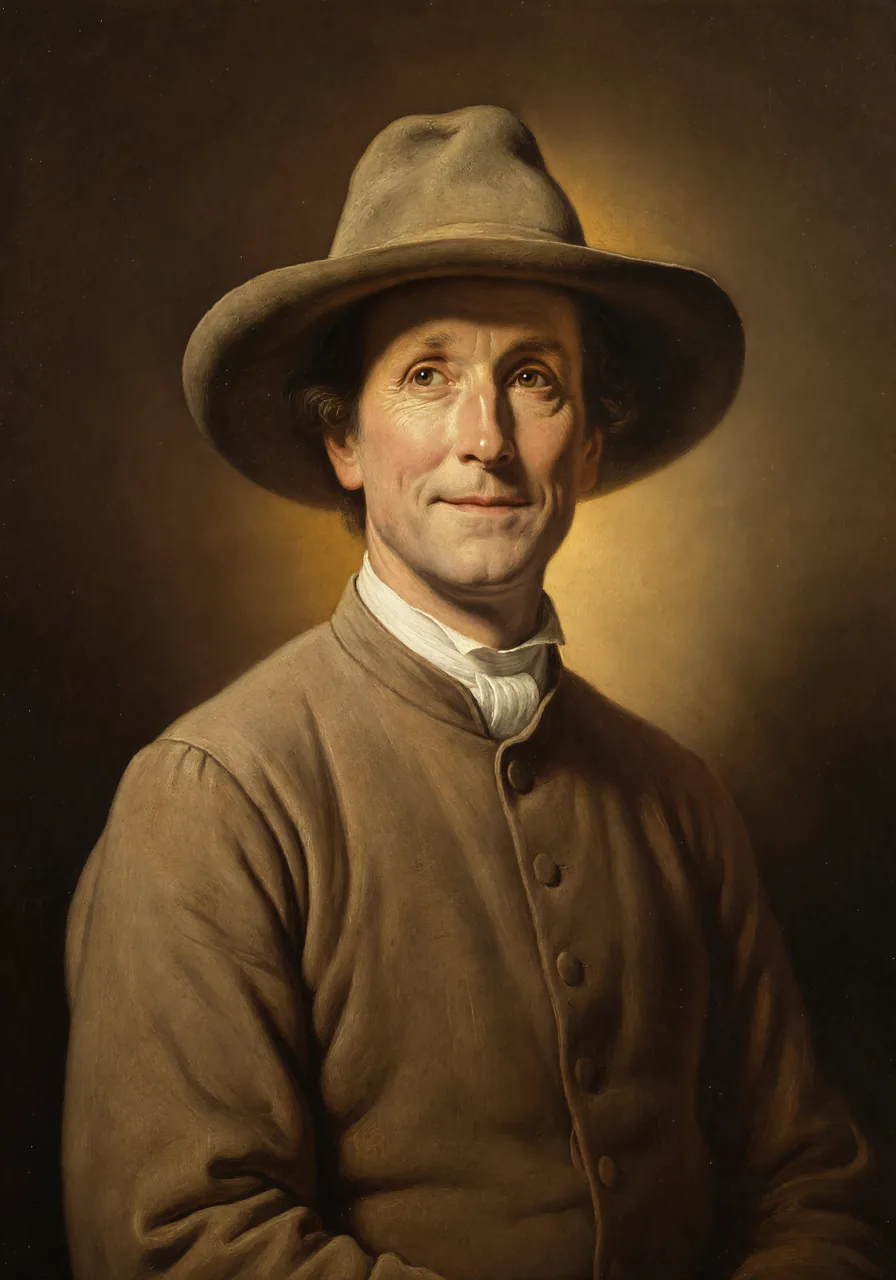
John's son Samuel became one of the most powerful ministers of the next generation. The father-son succession represents the continuity of the Quaker ministerial tradition.
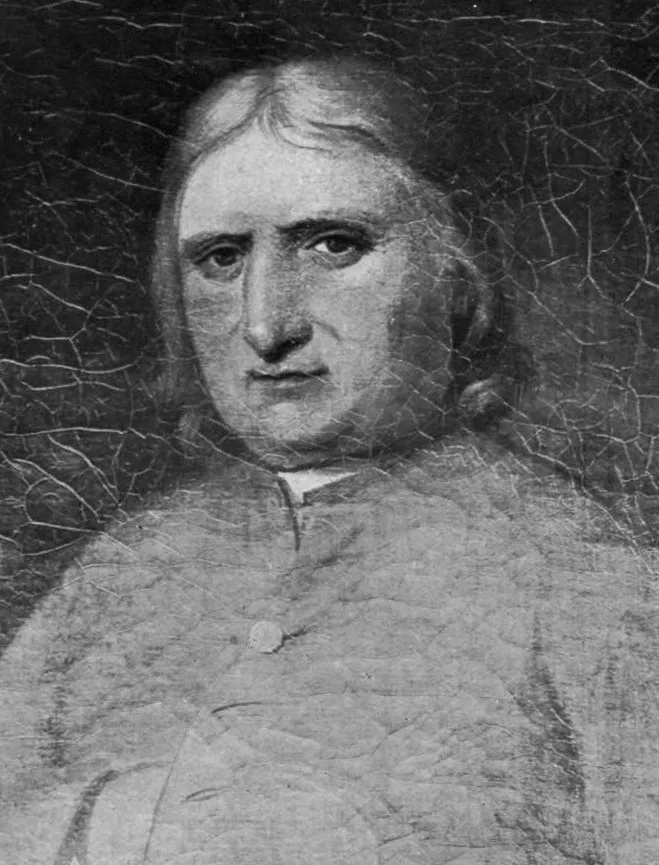
Born just fifteen years before Fox's death, Fothergill grew up among Friends who had known the founders personally. His ministry consciously carried the founding vision forward.
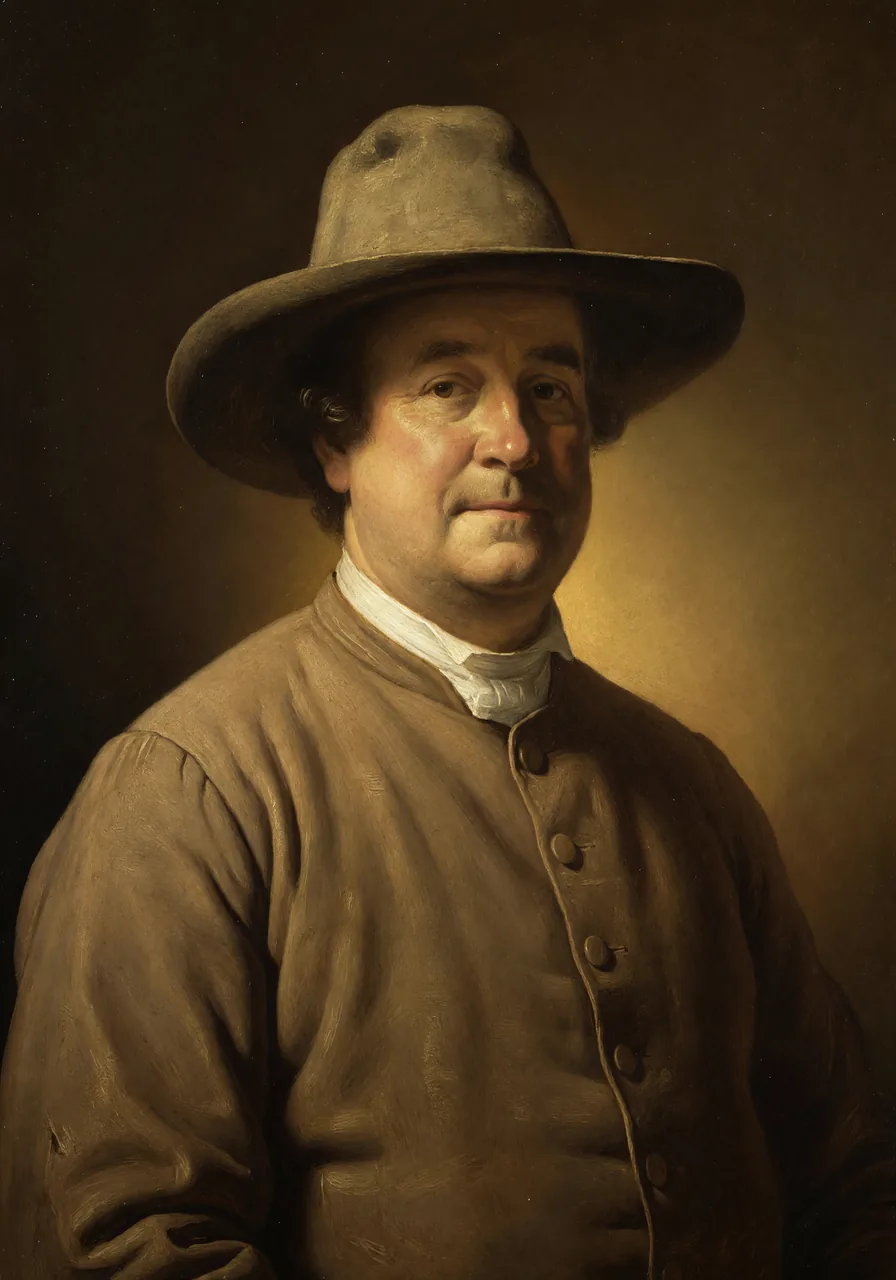
Story and Fothergill were contemporaries who both made multiple transatlantic journeys. Together they represent the itinerant ministerial tradition that sustained Quakerism in the early 1700s.
Published in 1753, this Journal records three American journeys and decades of ministry across England and Ireland, preserving the spirit of early Friends as it passed into the eighteenth century.