Born in Pennsylvania
Born into a Quaker family in Nottingham, Chester County, Pennsylvania. Raised in the established Quaker culture of Penn's colony.
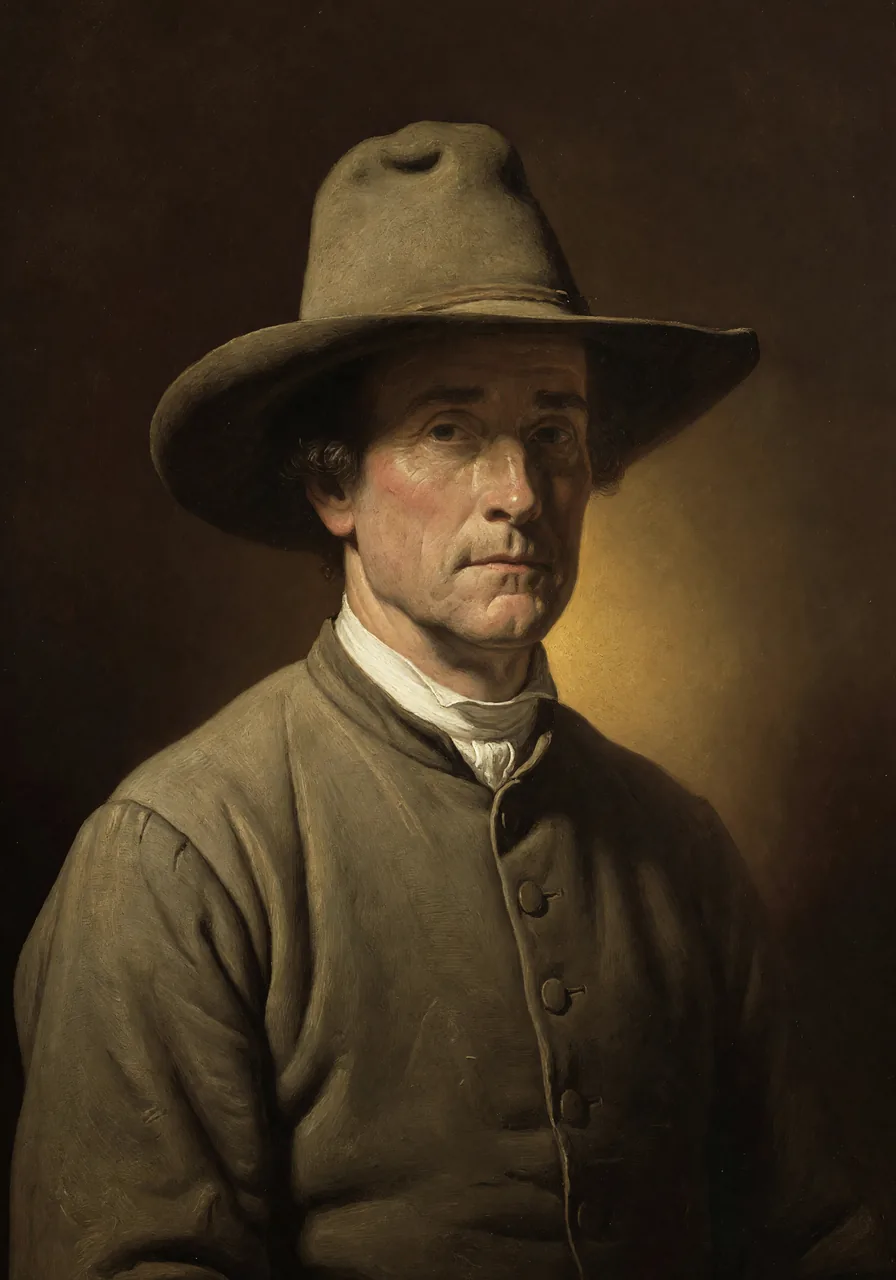
Key Voice in the Eighteenth-Century Reform Movement
“The pure truth will prevail over all opposition, if we are faithful to what is made known to us.” — John Churchman
Born into a Quaker family in Nottingham, Chester County, Pennsylvania. Raised in the established Quaker culture of Penn's colony.
Experienced a deepening of his spiritual life in his early twenties, moving from inherited Quakerism to personal conviction. Began to feel the stirrings of a call to ministry.
Formally recognized as a minister by his monthly meeting and began traveling in the ministry throughout Pennsylvania and the neighboring colonies.
Traveled to New England to visit Quaker meetings, beginning the pattern of extensive itinerant ministry that would characterize his life.
Began to press publicly within Philadelphia Yearly Meeting for Friends to examine their participation in slaveholding -- part of the growing reform movement within American Quakerism.
Traveled to England on a ministerial visit, attending London Yearly Meeting and visiting meetings across England, strengthening transatlantic Quaker bonds.
Extended his British journey to Ireland, visiting the meetings established by William Edmundson and documenting the state of Irish Friends at mid-century.
Played a central role in the reforming movement within Philadelphia Yearly Meeting that confronted worldliness, slaveholding, and participation in government. This movement transformed American Quakerism.
The Yearly Meeting ruled that Friends who bought or sold enslaved persons should be disciplined -- a landmark moment in Quaker history that Churchman, Woolman, and Benezet had worked toward for years.
Continued to serve as a weighty Friend within Philadelphia Yearly Meeting, mentoring younger ministers and supporting the ongoing work of reform.
Died on the eve of the American Revolution. His Journal was published posthumously in 1779 and became an important source for understanding the Quaker reform movement.
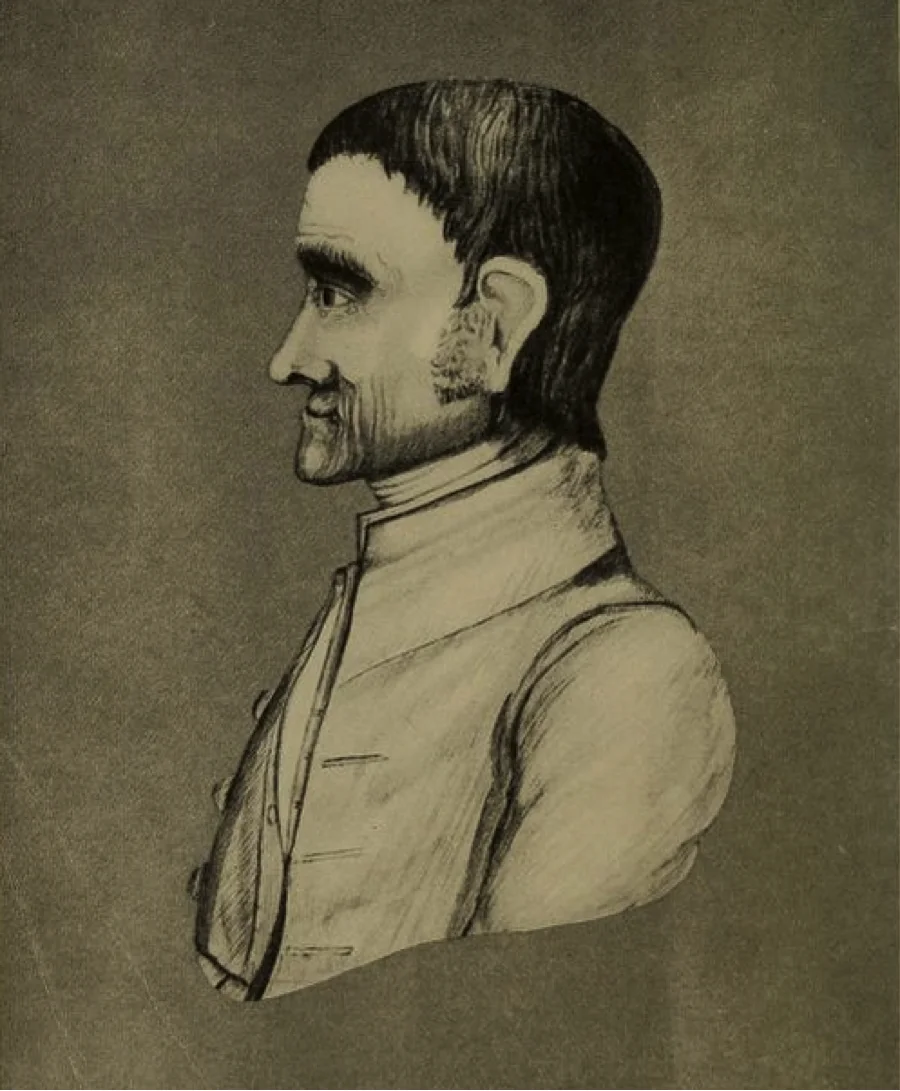
Churchman and Woolman worked together within Philadelphia Yearly Meeting to convince Friends to abandon slaveholding. Churchman was the elder voice; Woolman the prophetic conscience.
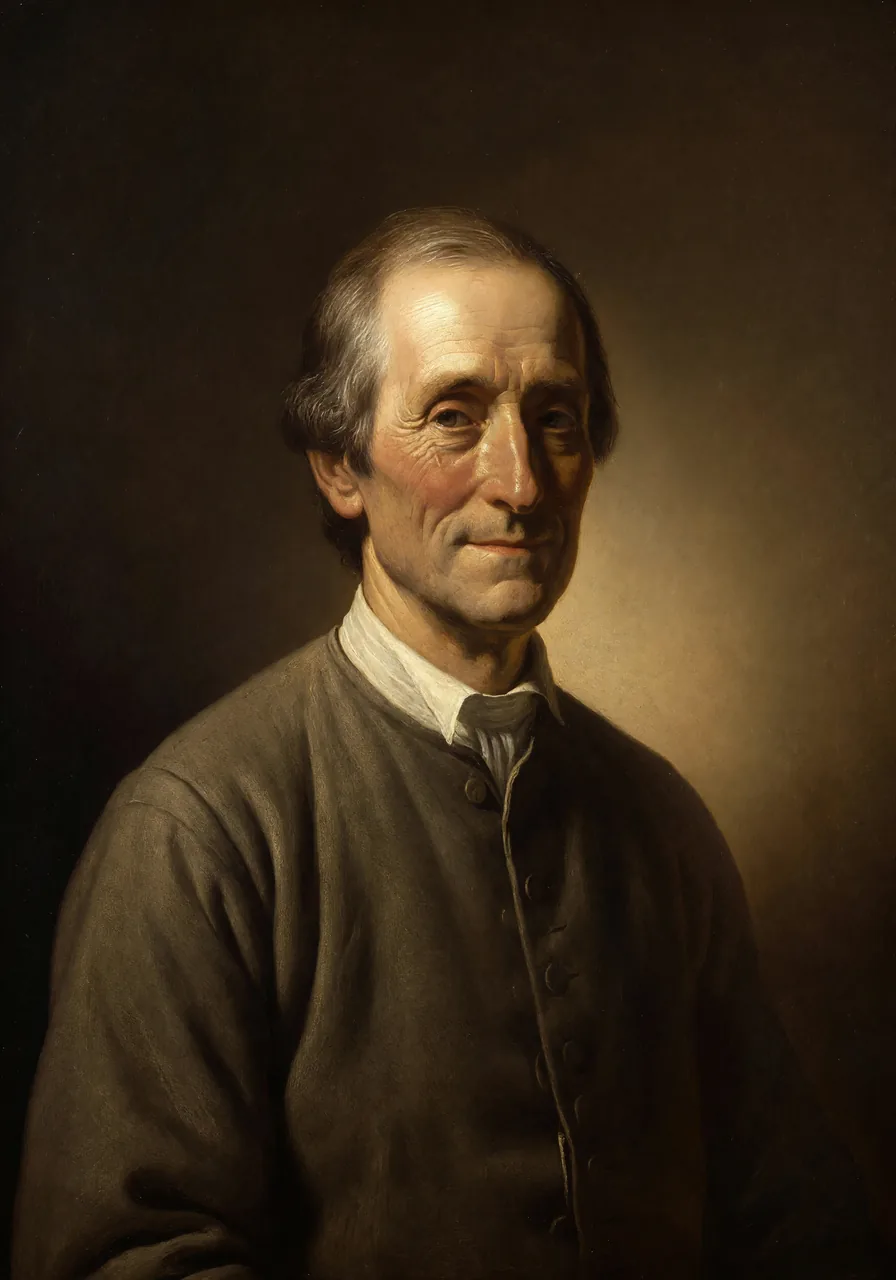
Part of the Philadelphia circle -- with Woolman and others -- that organized Quaker opposition to slavery and transformed the Society's corporate witness.
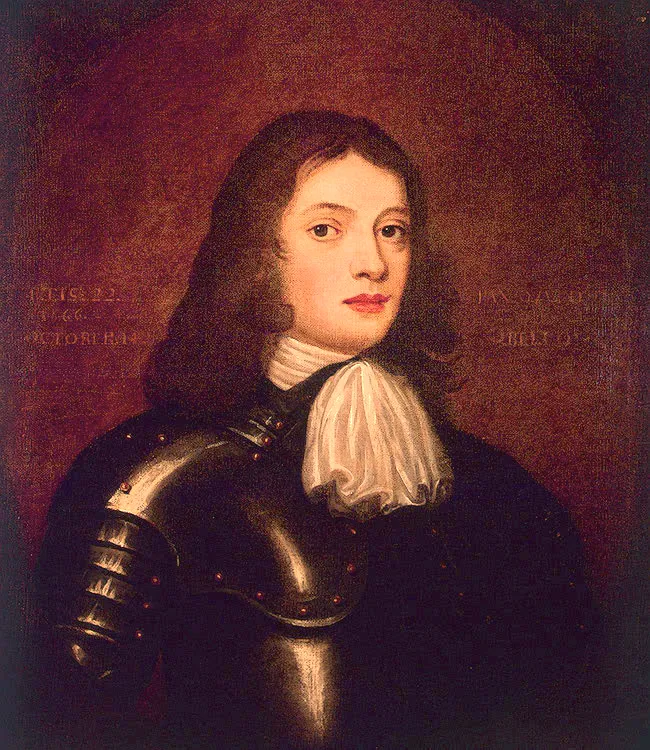
Churchman inherited Penn's colony but helped reform it. The eighteenth-century reformation was in part a return to the spiritual principles Penn had articulated for his 'Holy Experiment.'
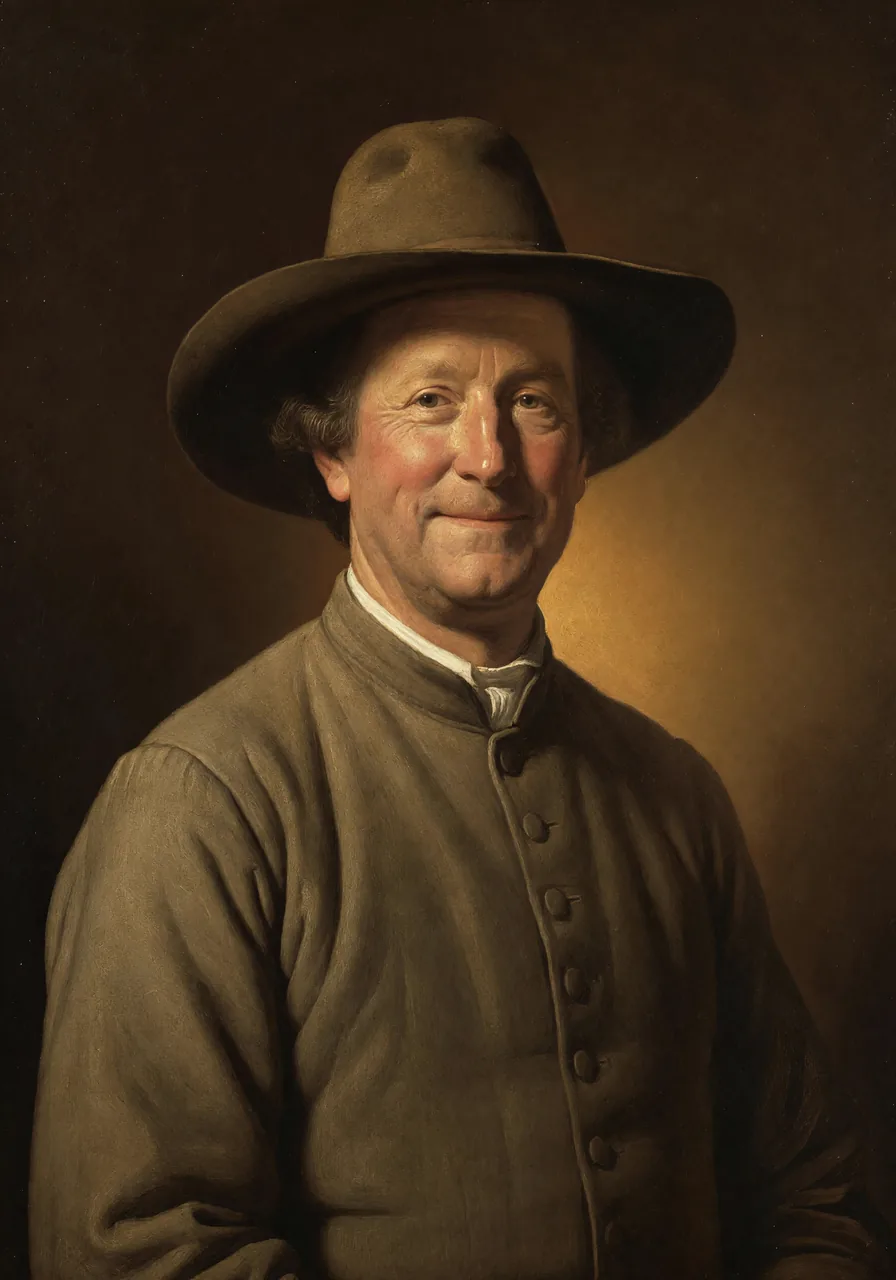
Chalkley's generation shaped the Quaker culture in which Churchman grew up. Churchman's reform movement both built on and challenged the accommodations of Chalkley's era.
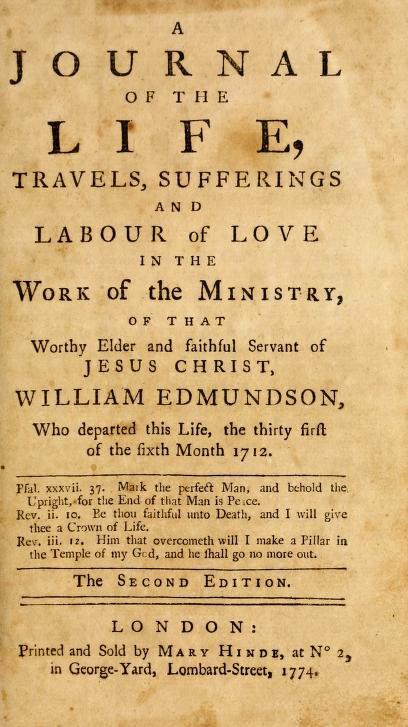
When Churchman traveled to Ireland in the 1750s, he visited the meetings that Edmundson had established a century earlier, observing how the Irish Quaker communities had matured.
Essential reading for understanding the eighteenth-century Quaker reform movement and the Society's path toward corporate repudiation of slavery. Published posthumously in 1779.