John Camm Born at Camm's Gill
Born about 1604 at Camm's Gill in the barony of Kendal, Westmorland, a place his family had held for generations and to which they had given their name.
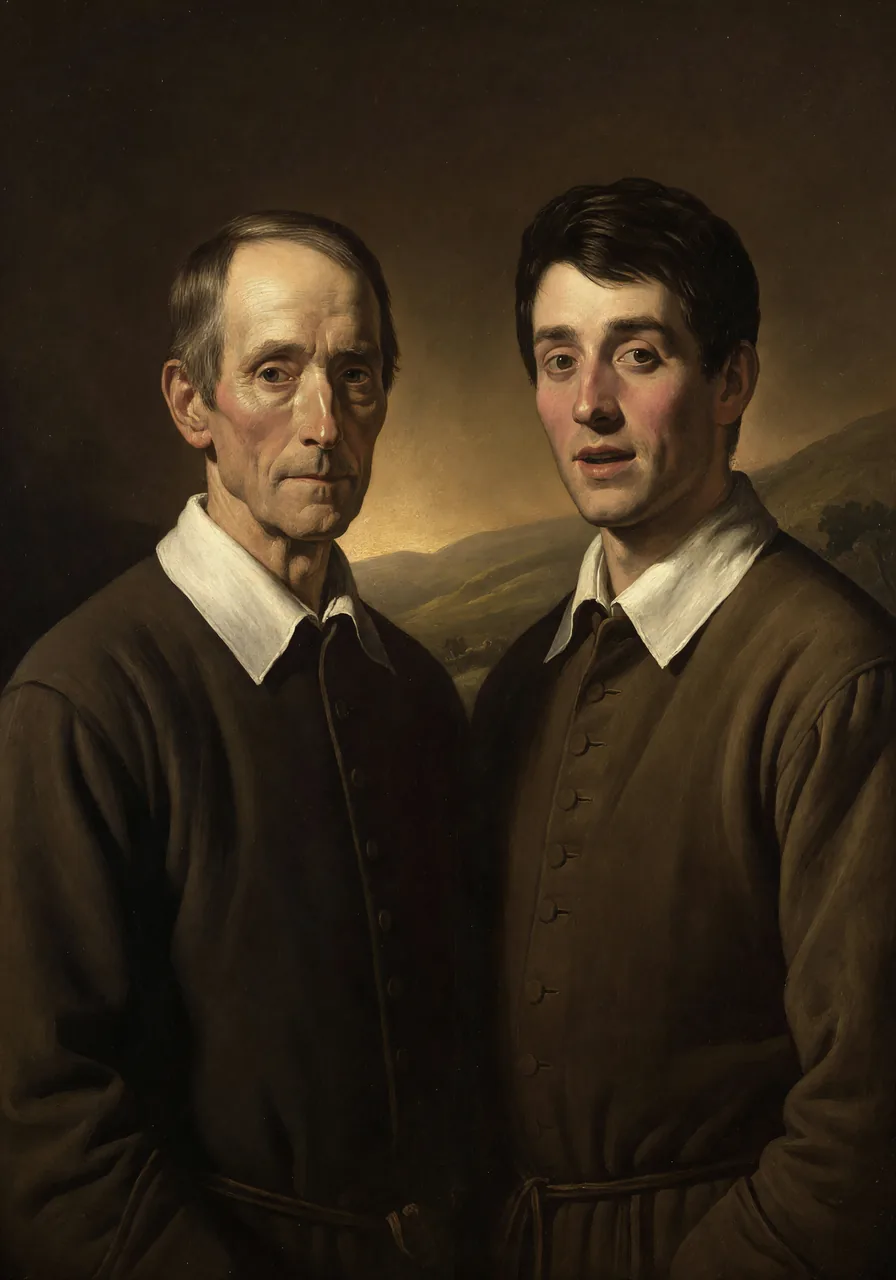
The Firbank Fell Preachers Who Carried the Message to Bristol
“I proclaim spiritual war with the inhabitants of the earth who are in the fall and separation from God.” — John Camm & John Audland
Born about 1604 at Camm's Gill in the barony of Kendal, Westmorland, a place his family had held for generations and to which they had given their name.
Born about 1630 in the barony of Kendal, about a mile from Camm's Gill; by his early twenties he was esteemed one of the most eloquent dissenting preachers in the north of England.
Audland and Howgill had preached at Firbank Chapel that morning; in the afternoon George Fox spoke from a rock above the chapel to above a thousand people for three hours, and the chapel's teachers, Camm and Audland among them, were convinced.
Camm travelled south with Francis Howgill, among the first Quakers to publish the truth in London, and on the last day of the first month wrote to the Protector at two in the morning to lay before him 'the cause of our coming to London'.
Camm and Audland went to Bristol in the seventh month; meetings outgrew every house and were held in the fields, and on 19 December a mob roused by a local priest beat them on the bridge toward Brislington, crying 'knock them down — kill them'.
Worn out by the exertion of open-air preaching, Camm was confined to his house after returning from Bristol and died in the eleventh month, telling his family 'my glass was run'; he was buried at Birkrigg Park.
Arrested at a meeting and tendered the oath of allegiance, Audland answered that Christ 'absolutely forbids all swearing' and was committed to prison; the mayor's retort that 'Paul was no Quaker' is preserved in the memoir.
Confined by a wasting of the lungs from 1663, he died on the 24th of the first month 1663 old style, in the thirty-third year of his age, and was buried the next day at Birkrigg Park beside John Camm.
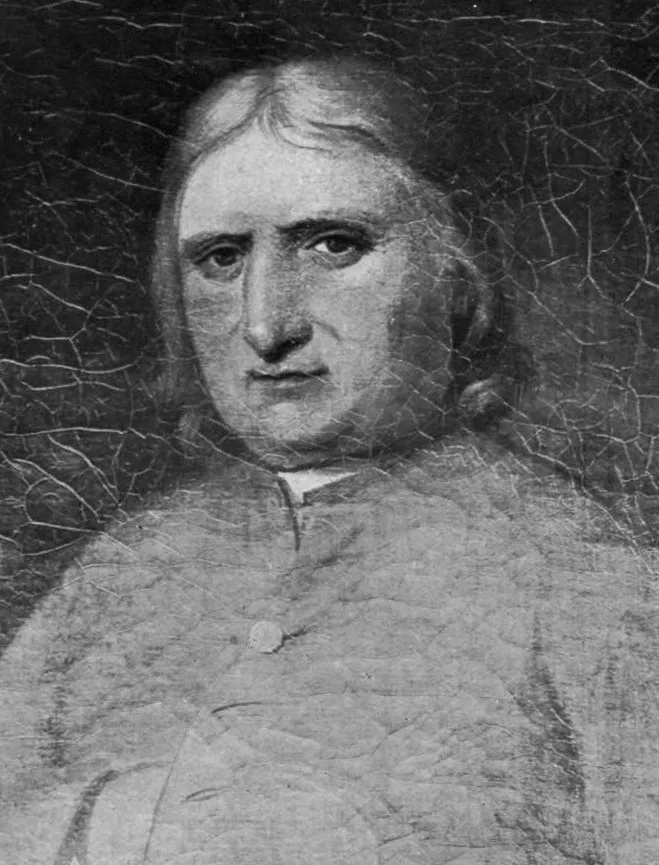
Both were among the teachers of the Firbank congregation convinced by Fox's preaching in 1652; Fox went from the meeting to Audland's house, where Audland 'sat down silent and astonished'.
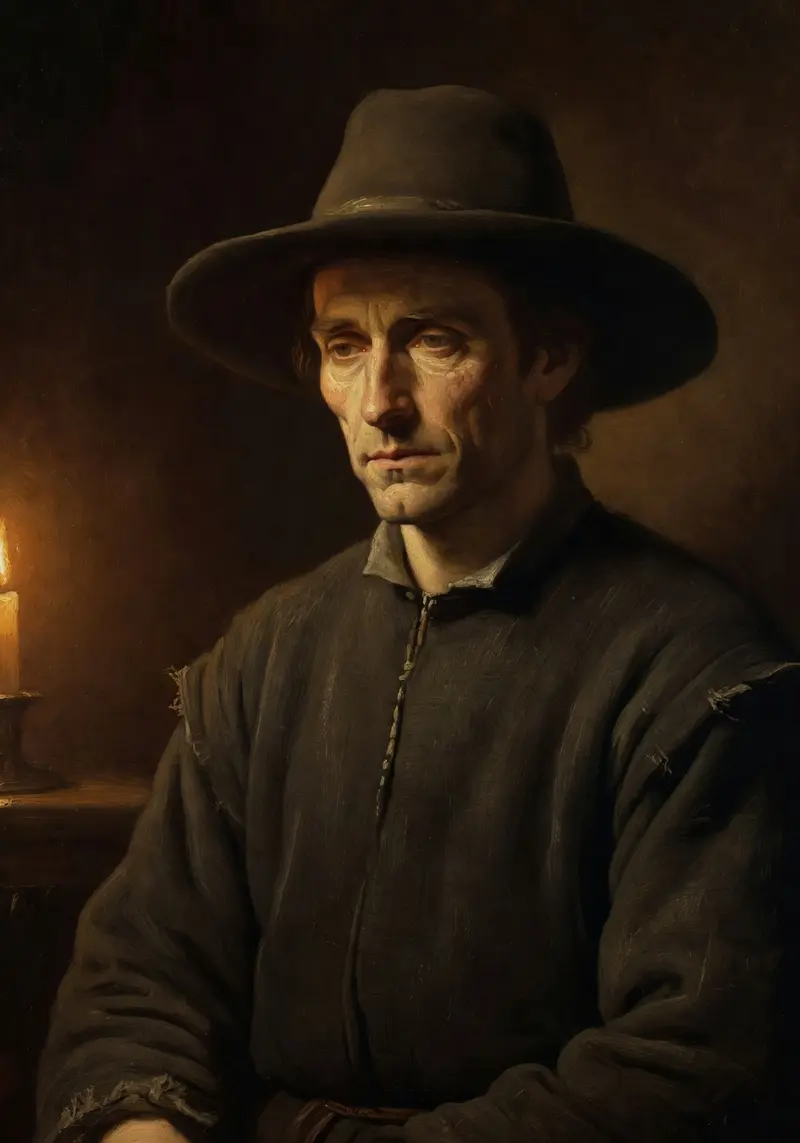
Howgill and Audland were the chief teachers of the Firbank Seekers; Howgill went with Camm to London in 1654 and joined the pair at Bristol.
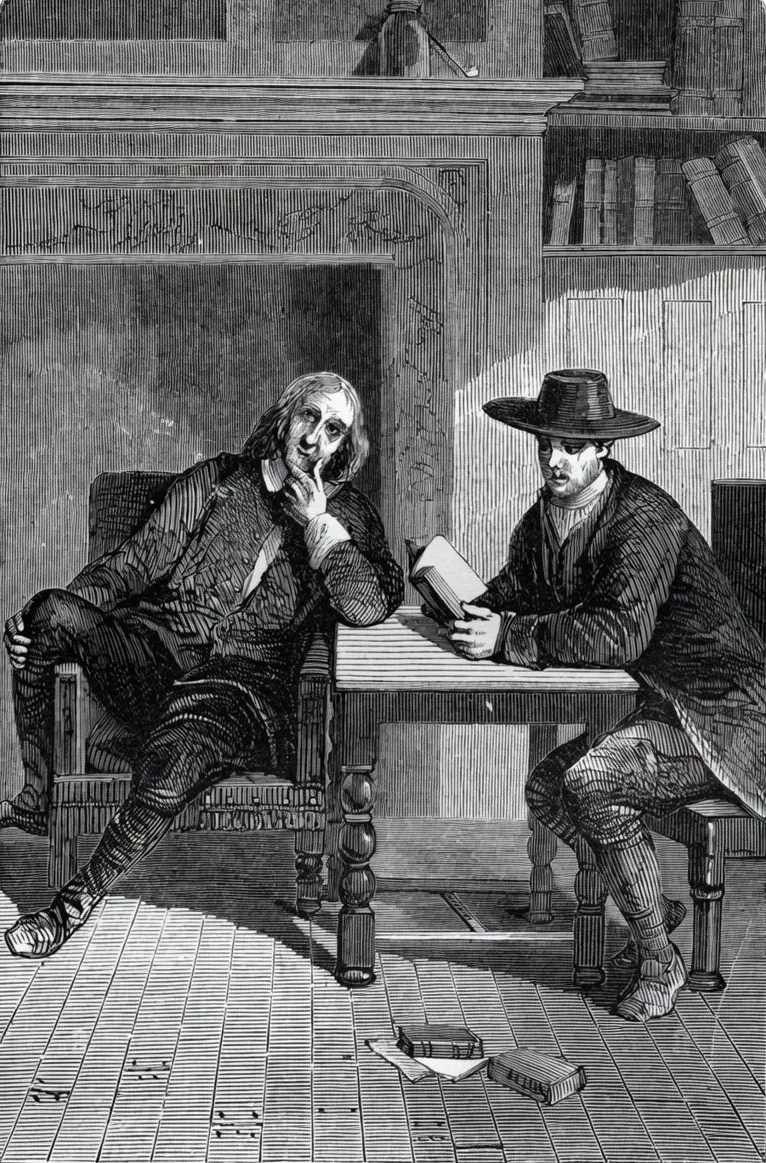
Camm and Burrough went through the midland counties to London together in 1654; Burrough and Howgill followed them to Bristol and were the first ordered to leave the city.
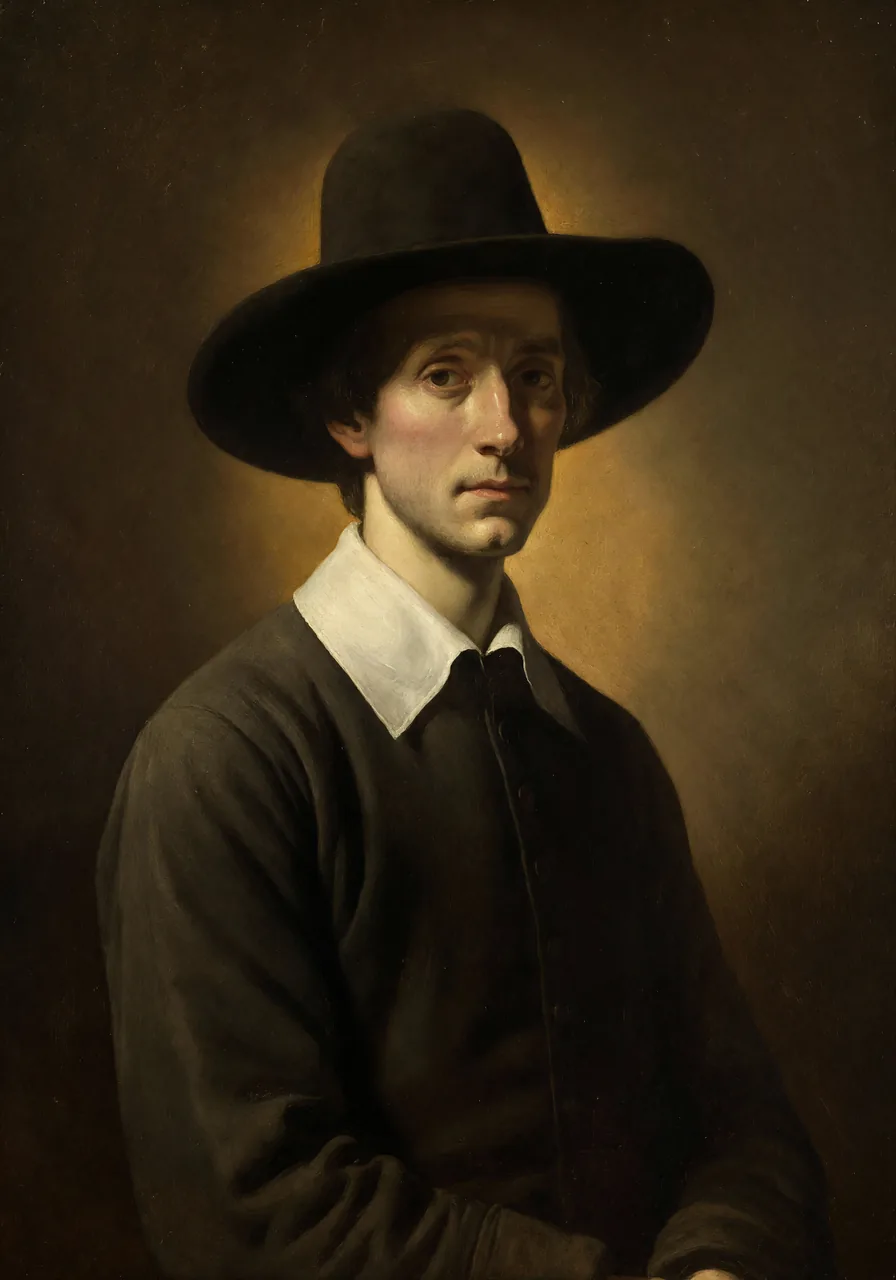
Hubberthorne worshipped with the Firbank Seekers before 1652 and set out with Camm, Audland, Howgill and Burrough on the 1654 journey south.
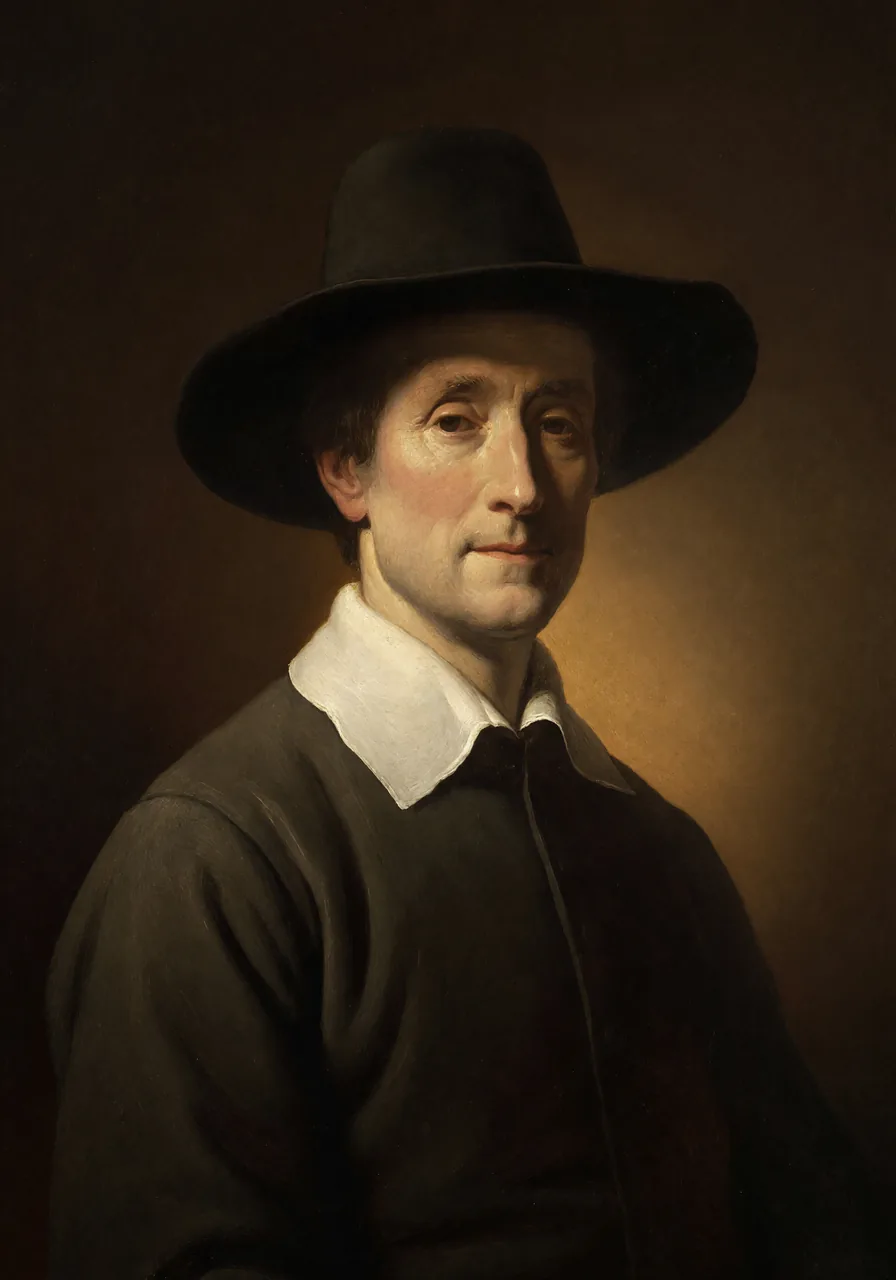
Marshall, convinced at Bristol in 1654, recorded the meeting at Earl's Mead where Camm spoke first and Audland stood 'full of dread and with a shining brightness on his countenance'.
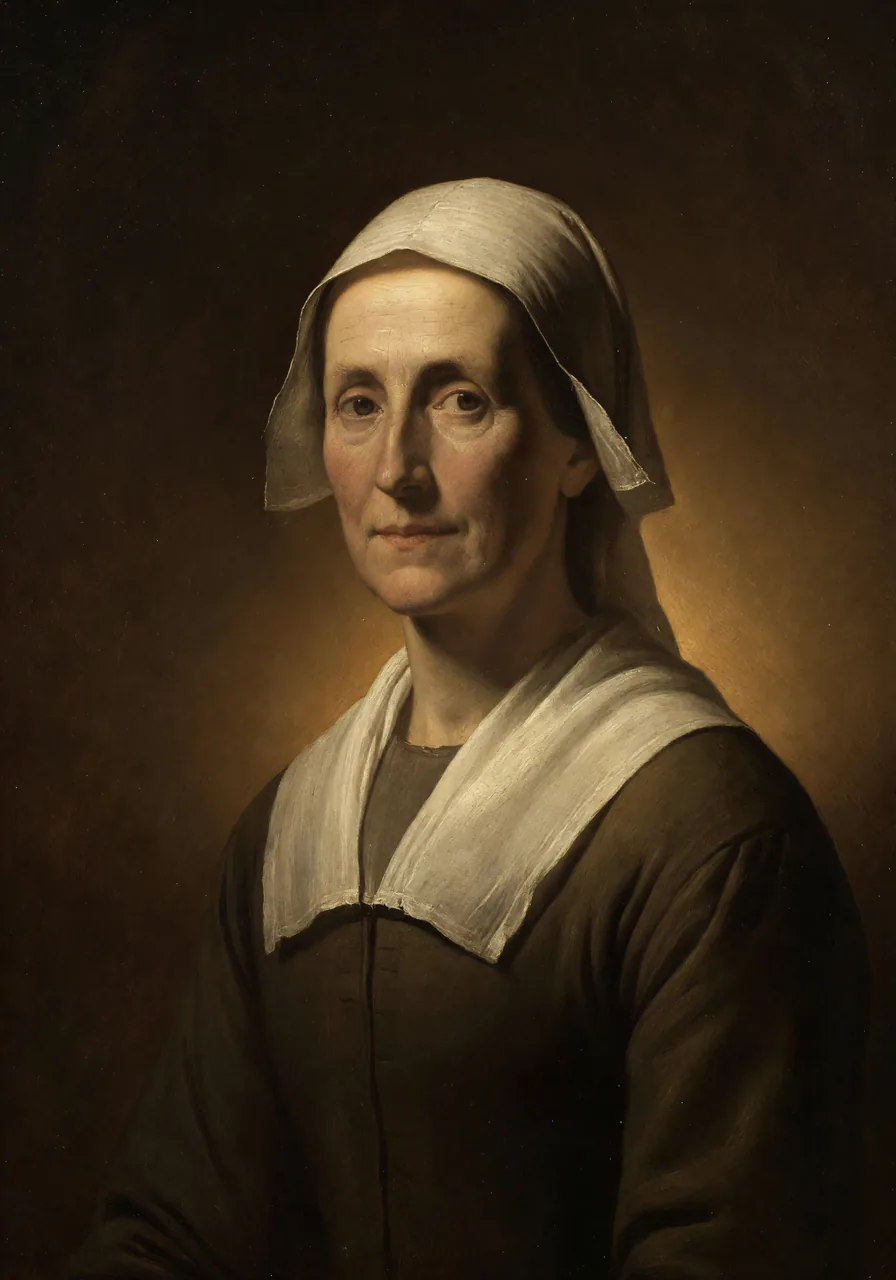
Born Ann Newby of Kendal, she married John Audland at about twenty and, after his death, married Thomas Camm, John Camm's son; her testimony concerning Audland is quoted in the memoir.
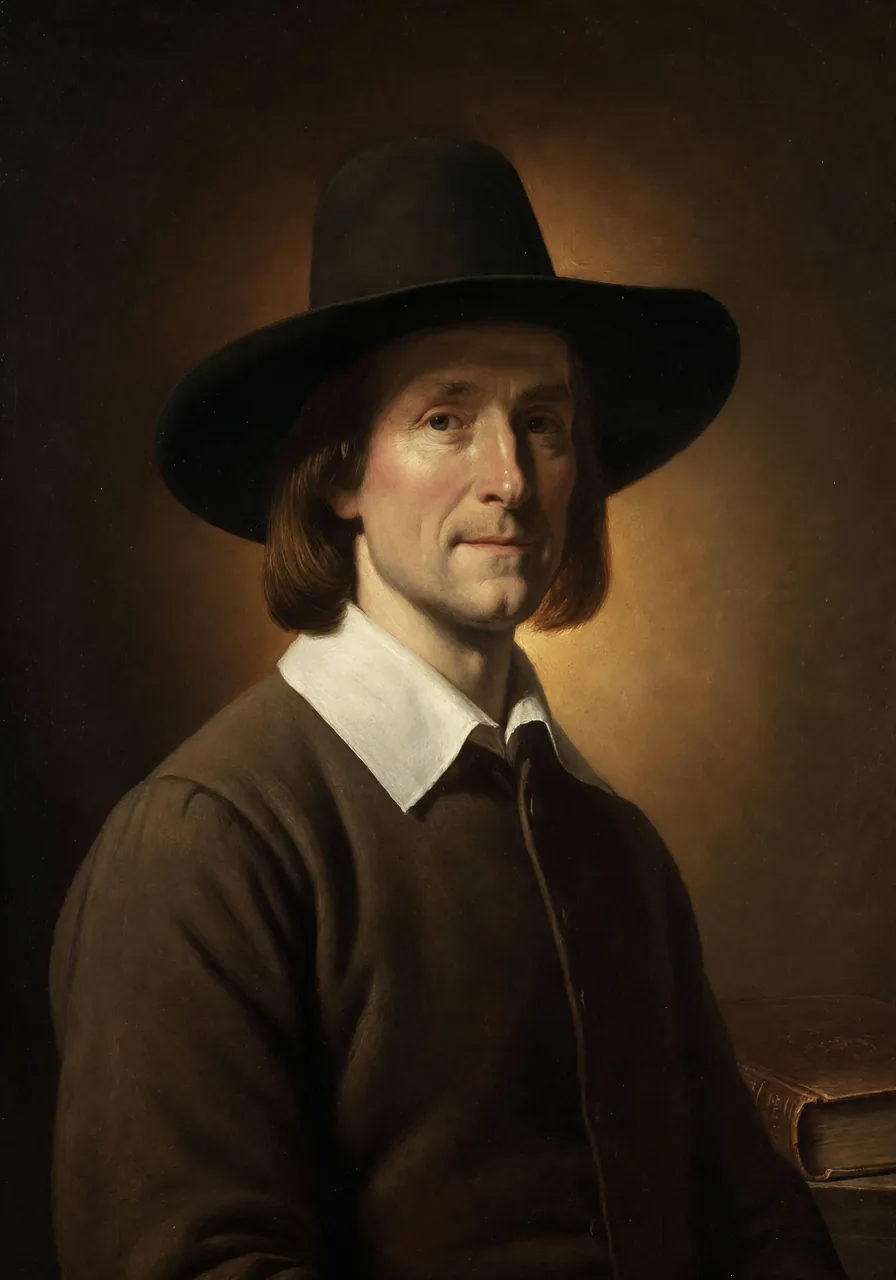
Sewel's History records the Bristol meetings of 1654 as an occasion in which the Lord's power was eminently manifested.
The joint memoir from the Friends' Library, volume 5 (1841): Camm's epistle to Cromwell, the Bristol convincement of 1654 with Charles Marshall's eyewitness account, Audland's examination before the mayor of Bristol, and the deathbed testimonies of both men.