Born in Providence
Born on November 18 in Providence, Rhode Island, into a Quaker family. His father was a farmer and tanner.
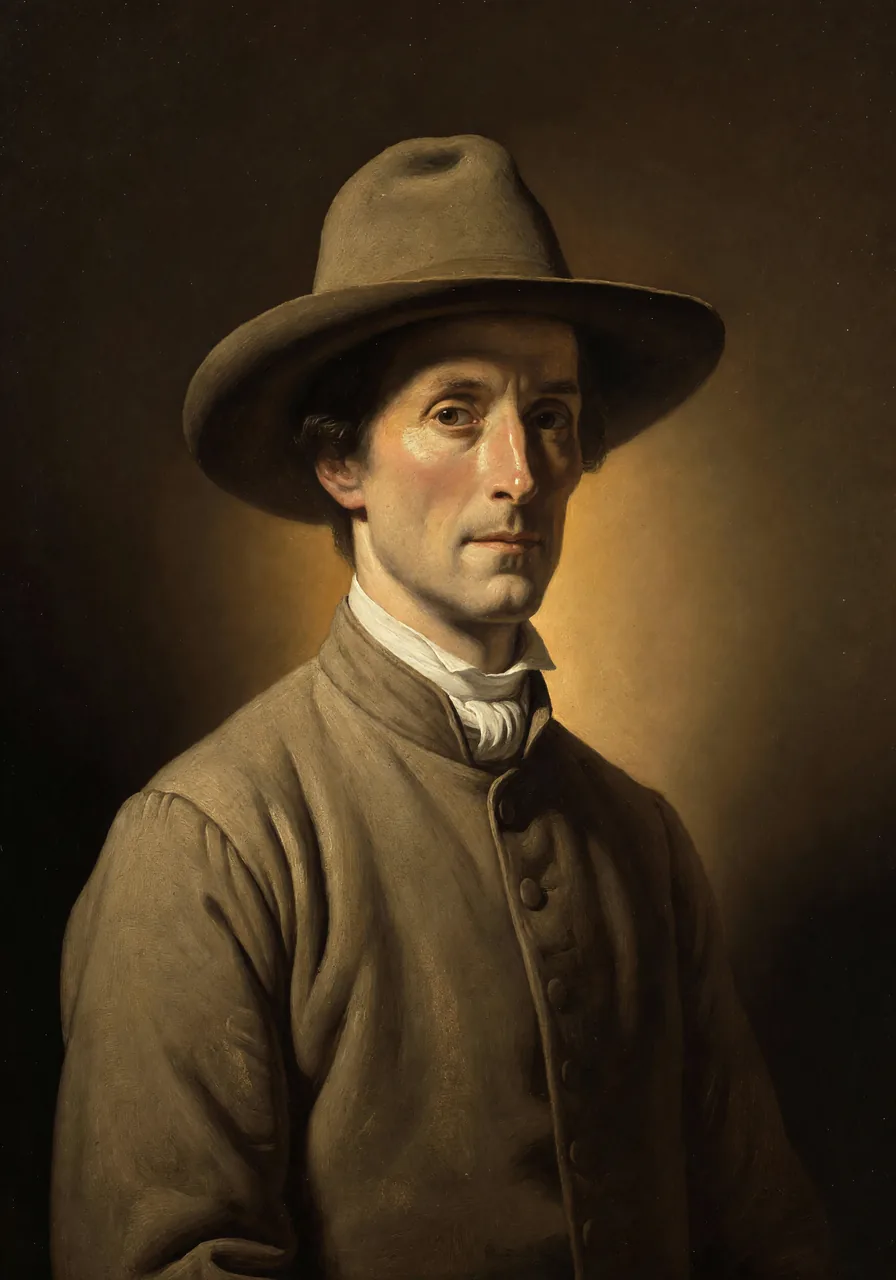
The Most Theologically Penetrating American Friend
“The cross of Christ is not a wooden cross, but an inward spiritual principle.” — Job Scott
Job Scott was born on November 18, 1751, in Providence, Rhode Island, into a Quaker family of modest means. His father was a farmer and tanner, and Scott grew up in the steady rhythms of New England Quaker life — attending meetings for worship and business, reading Scripture, and absorbing the ethos of simplicity and inward attentiveness that characterized the Society in its quietist period.
His spiritual development was gradual rather than dramatic. Unlike Fox’s thunderbolt convincement or Penington’s decades of anguished seeking, Scott’s growth was marked by slow, deepening encounters with what he called “the inward working of Truth.” He married Eunice Anthony of South Kingstown, Rhode Island, in 1769, and they settled in East Greenwich. In 1773, his monthly meeting acknowledged him as a minister — a formal recognition by the community that his spoken ministry in worship had the marks of genuine divine leading.
What distinguished Scott from his contemporaries was the depth and originality of his theological thinking. While most eighteenth-century Quaker ministers were pastoral in orientation — concerned with encouraging faithfulness and recording spiritual experience — Scott pressed into the most difficult questions of Christian theology with a rigor that recalled Barclay. His central theological contribution was his understanding of the Atonement: he argued that Christ’s saving work was not primarily a forensic transaction completed at Calvary, but an ongoing, inward, experiential process in which the believer participates through submission to the Light.
This theology was controversial. It pushed beyond what many Friends were comfortable affirming, and it anticipated the theological divisions that would split American Quakerism in 1827. When the first edition of Scott’s Journal was published in 1797, the editors — aware of the controversy — removed his most provocative doctrinal material. But the suppressed essays circulated in manuscript, and Friends on both sides of the emerging divide claimed Scott as their own.
Scott’s ministry was not limited to theological writing. He was an indefatigable traveler, visiting Friends meetings throughout New England, the Middle Colonies, and the South. His 1785 journey through Virginia and the Carolinas brought him face to face with the declining state of Southern Quakerism, where meetings were shrinking and the antislavery testimony was generating tension with surrounding communities. His ministry on these visits was tender, direct, and deeply appreciated.
Personal sorrow marked his later years. His wife Eunice died in 1789 after twenty years of marriage, leaving him with young children. He later married Patience Fisher, but the shadow of grief colored his writing — giving it a depth of feeling that scholarly precision alone could not provide.
In 1792, carrying minutes of approval from his meeting, Scott sailed for Europe on a religious visit to Friends in England and Ireland. He traveled extensively among English meetings, visiting London, Bristol, and the northern counties, where his ministry was received with deep appreciation. In late 1793 he crossed to Ireland, visiting Friends at Ballitore in County Kildare — the home of the celebrated Shackleton family and a center of Irish Quaker life.
There, on November 22, 1793, Scott died of smallpox at the age of forty-two. The parallel with John Woolman — who had died of the same disease at York in 1772 while on a similar ministry visit — was not lost on Friends. Both men died young, far from home, in the service of the gospel.
Scott’s complete works were finally published in 1831 by John Comly in two volumes, including the previously suppressed Essays on Salvation by Christ. His theology remains one of the most distinctive contributions in the Quaker tradition — the last great statement of the original Quaker vision of salvation as experiential transformation before the schisms of the nineteenth century fragmented it into competing schools.
Born on November 18 in Providence, Rhode Island, into a Quaker family. His father was a farmer and tanner.
Married Eunice Anthony of South Kingstown, Rhode Island. They settled in the town of East Greenwich and later moved to North Providence.
Recognized by his monthly meeting as a minister in the Society of Friends, beginning decades of traveling ministry.
Maintained the Quaker peace testimony during the Revolution. His home area in Rhode Island was occupied by both British and American forces, testing his commitment to nonviolence.
Began traveling through New England and the Middle Colonies, visiting Friends meetings and gaining a reputation for theological depth and spiritual insight.
Wrote his controversial essays on salvation, arguing that the Atonement is an inward, experiential process — not merely a historical transaction at Calvary. This theology would later divide Friends.
Traveled through Virginia and the Carolinas, ministering to scattered meetings and witnessing the declining state of Friends in the slaveholding South.
His wife Eunice died after twenty years of marriage, leaving Scott to care for their children. He later married Patience Fisher.
Set sail for Europe on a religious visit to Friends in England and Ireland, carrying minutes of approval from his meeting. This would be his final journey.
Traveled extensively among English meetings, visiting London, Bristol, and the northern counties. His ministry was received with deep appreciation.
Died of smallpox on November 22 at Ballitore, County Kildare, Ireland, while visiting Friends there. He was forty-two years old.
The first edition of his Journal appeared, but the editors removed his most controversial doctrinal material. The suppressed essays circulated privately and fueled the theological debates that led to the Hicksite-Orthodox split of 1827.
John Comly published The Works of Job Scott in two volumes, including the previously suppressed Essays on Salvation by Christ, finally making Scott's full theology available.
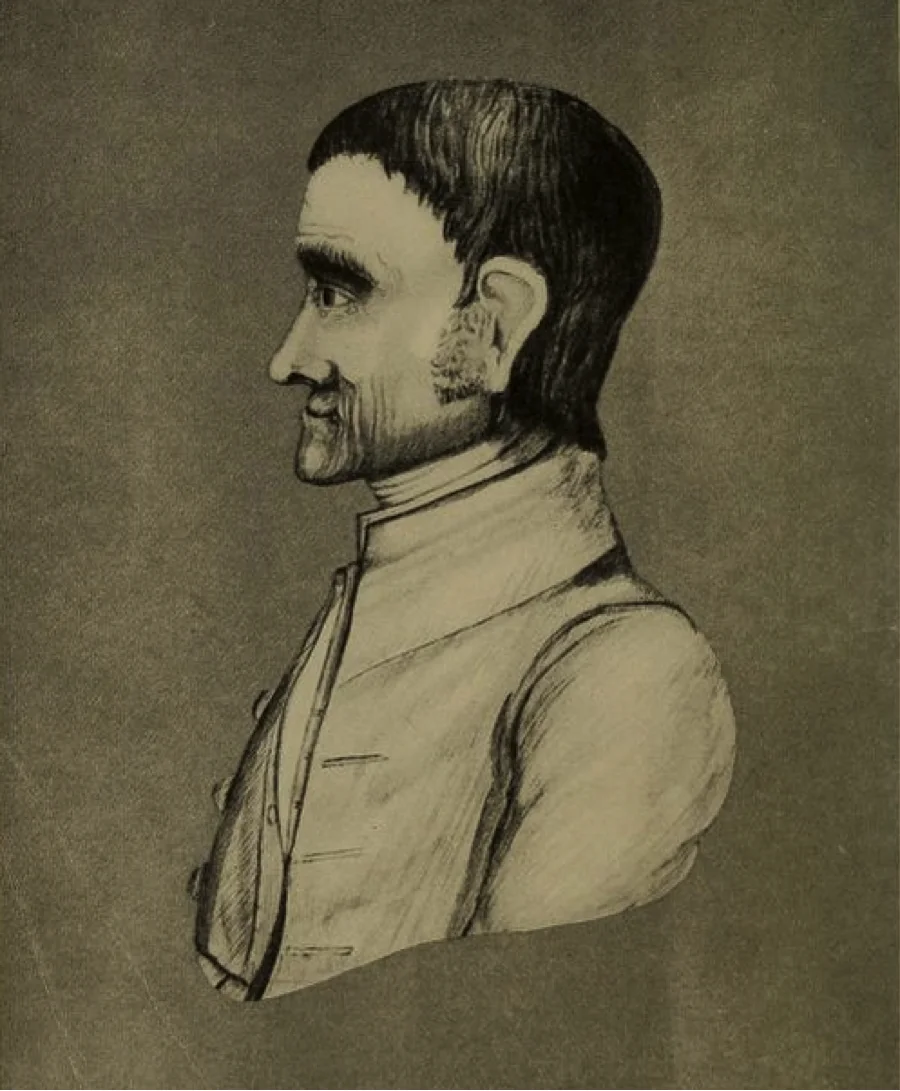
Scott carried forward Woolman's prophetic witness with greater theological precision. Both men died young while on religious visits — Woolman at York, Scott at Ballitore.
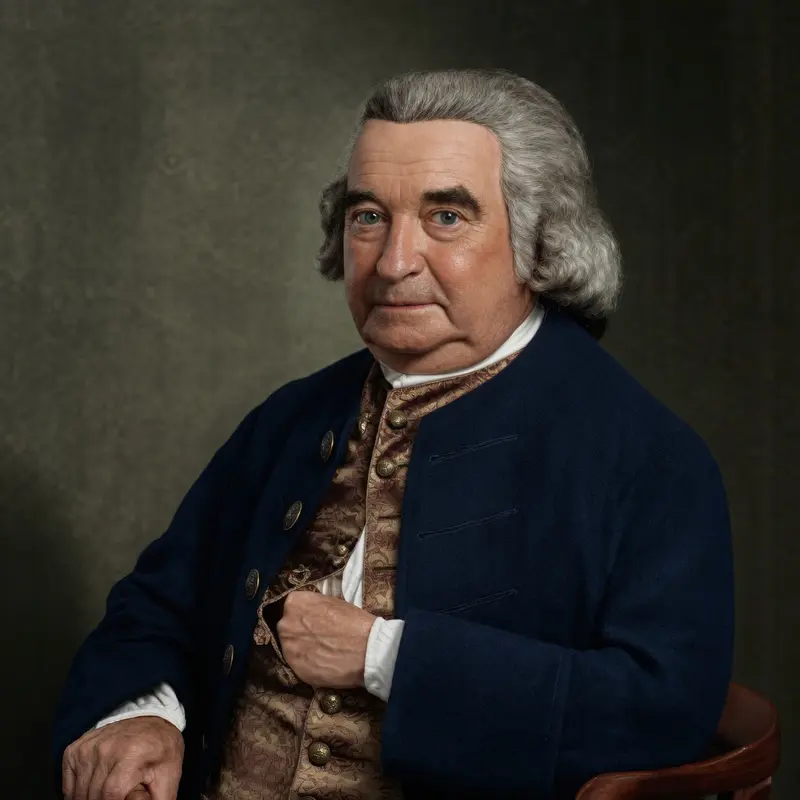
Penington's deeply inward, experiential theology of the Light shaped Scott's own understanding of salvation as a process of spiritual transformation rather than a forensic transaction.
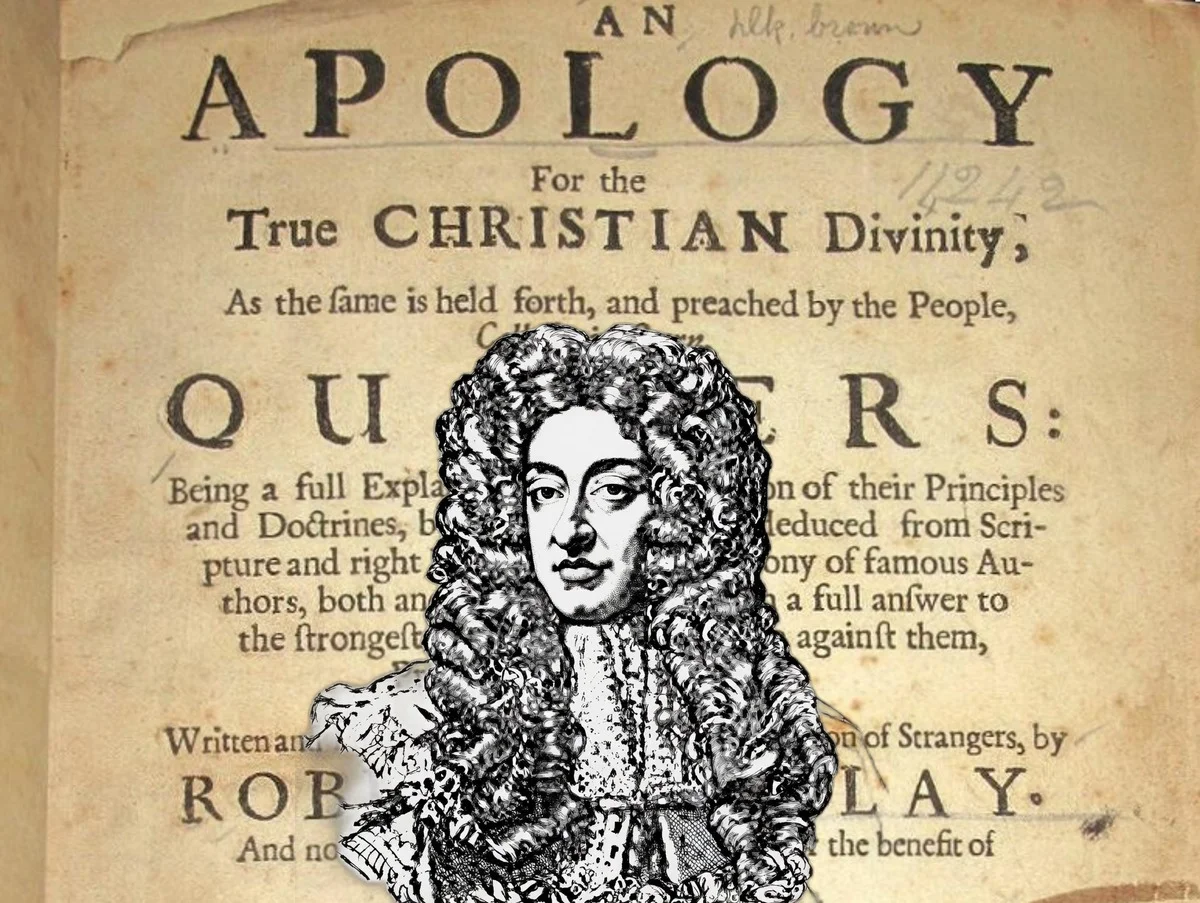
Scott engaged deeply with Barclay's Apology, building on its framework while pressing the inward, experiential dimension of the Atonement further than Barclay had ventured.
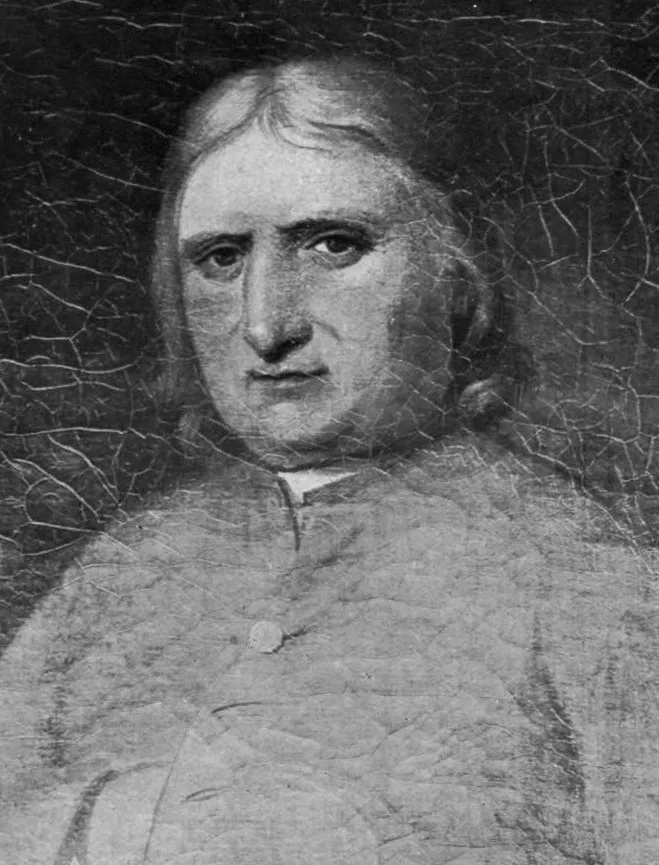
Scott saw himself as faithfully transmitting Fox's original vision of direct, experiential encounter with Christ — against what he perceived as the movement's drift toward outward formalism.
Both men were part of the eighteenth-century reform movement within American Quakerism, though Benezet focused on social justice while Scott pressed theological renewal.
Job Scott's controversial theological essays arguing that salvation is an inward, experiential process — not merely a historical transaction at Calvary.
His spiritual autobiography, published in abridged form in 1797 and unabridged in 1824. The Journal records his ministry travels, spiritual struggles, and the deepening of his theological vision.
His correspondence from 1774 to 1793, revealing the pastoral and personal dimensions of a man known primarily for his theological rigor.