Born in Nottinghamshire
Born in Retford, Nottinghamshire. Little is known of his parents or early life, but he showed extraordinary precocity and spiritual seriousness from a young age.
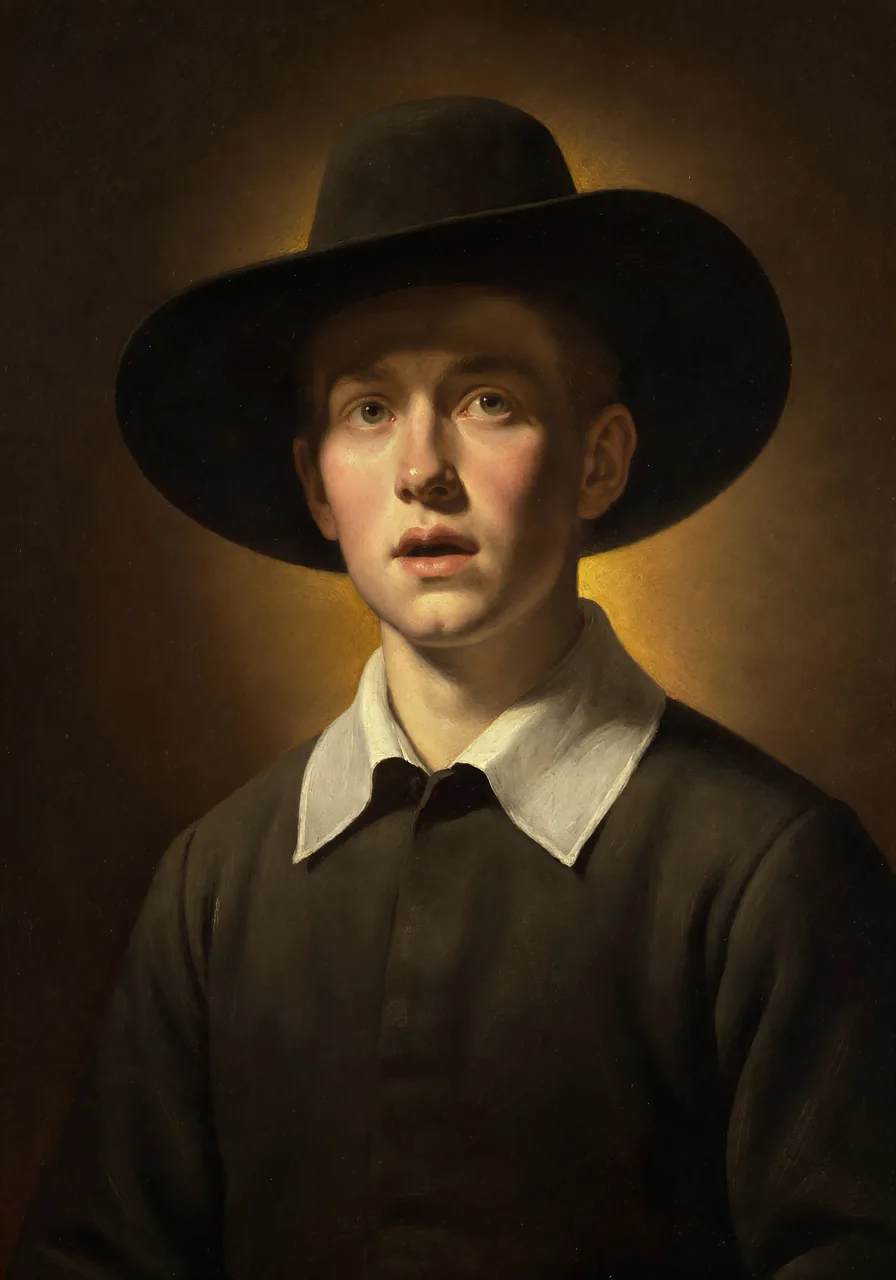
The First Quaker Martyr, Teenage Prodigy
“I am content to be offered up as a sacrifice.” — James Parnell
Born in Retford, Nottinghamshire. Little is known of his parents or early life, but he showed extraordinary precocity and spiritual seriousness from a young age.
At about fifteen, Parnell heard reports of Fox's preaching in the north and was deeply stirred. He resolved to seek out the founder of the Quaker movement in person.
Walked to Carlisle and visited Fox during his seven-month imprisonment there. Fox was struck by the boy's spiritual maturity and earnestness. Parnell was immediately and fully convinced of the Quaker message.
At sixteen, Parnell began traveling as a public minister across the Midlands and into East Anglia. His youth and boldness drew large crowds and considerable opposition from local clergy.
Preached extensively in Colchester, Coggeshall, and surrounding towns. His preaching was remarkably effective — he convinced many and established lasting Quaker meetings across Essex that survive to this day.
Published his major tract at seventeen — a vigorous defense of Quaker principles against their detractors. Its theological clarity and rhetorical force were remarkable for a writer of any age, let alone a teenager.
Published a second major work, a prophetic call in the apocalyptic style of early Quakerism. The tract demonstrates a mind already deeply formed by Scripture and the inward experience of the Light.
Arrested on charges of blasphemy after a public disputation with local clergy. Committed to Colchester Castle, one of the most notorious prisons in England, where conditions were deliberately designed to break him.
His cell was placed high in the castle, and he was forced to climb a rope to a narrow shelf to reach his food — a form of deliberate cruelty. Weakened by cold, hunger, and mistreatment, his health deteriorated rapidly over the winter months.
Died in Colchester Castle in the spring of 1656, aged nineteen. Whether he fell from the rope or simply succumbed to his treatment is debated, but Friends regarded his death as martyrdom. He became the first Quaker to die for the faith — though not the last.
A Collection of the Several Writings Given Forth from the Spirit of the Lord, Through that Meek, Patient, and Suffering Servant of God, James Parnell was published, gathering his tracts and epistles. The collection preserved his voice for future generations.
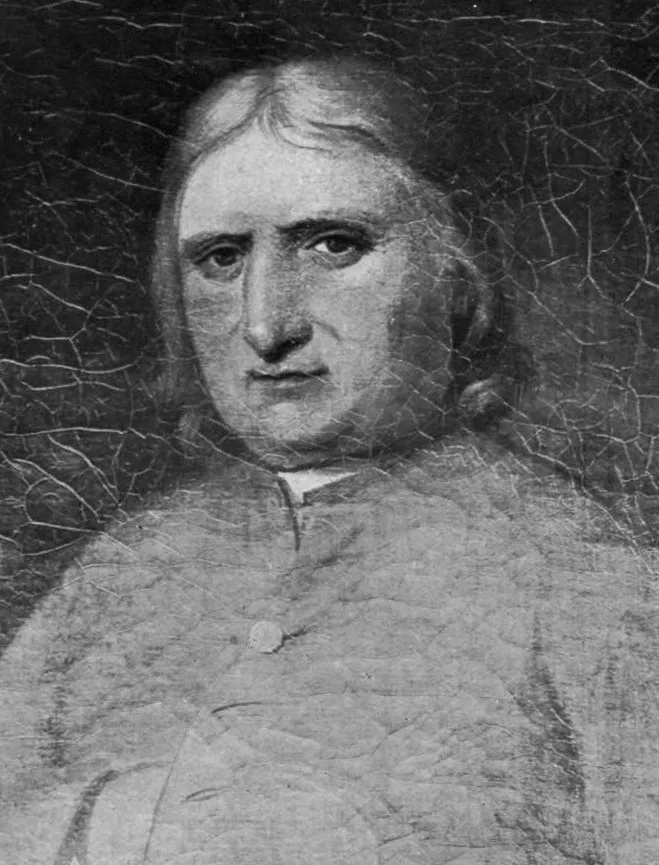
Fox was deeply affected by Parnell's death. The teenager had walked to Carlisle to visit him in prison at just fifteen, and Fox recognized in Parnell a spiritual maturity that belied his years. Fox's Journal records Parnell's death with evident grief.
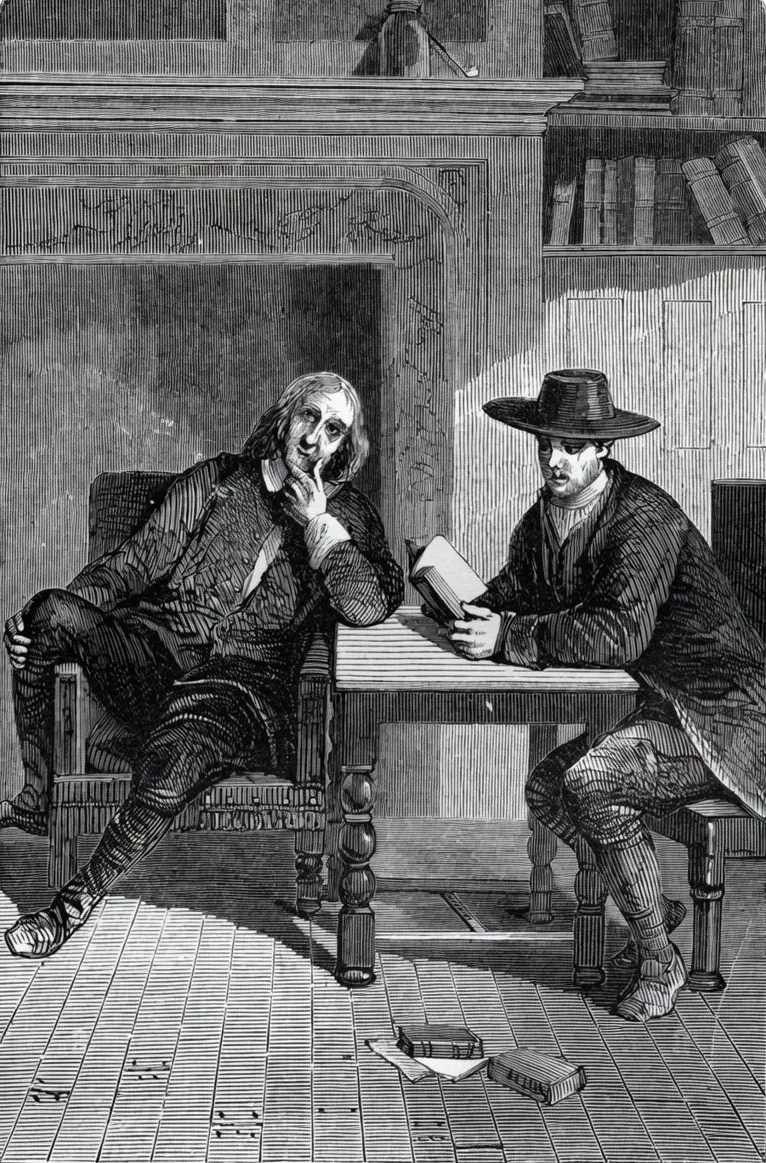
Burrough, only a few years older than Parnell, was similarly precocious in ministry. Both were part of the explosive first wave of Quaker preachers in the 1650s, and both died young — Burrough in Newgate in 1663, Parnell at Colchester in 1656.
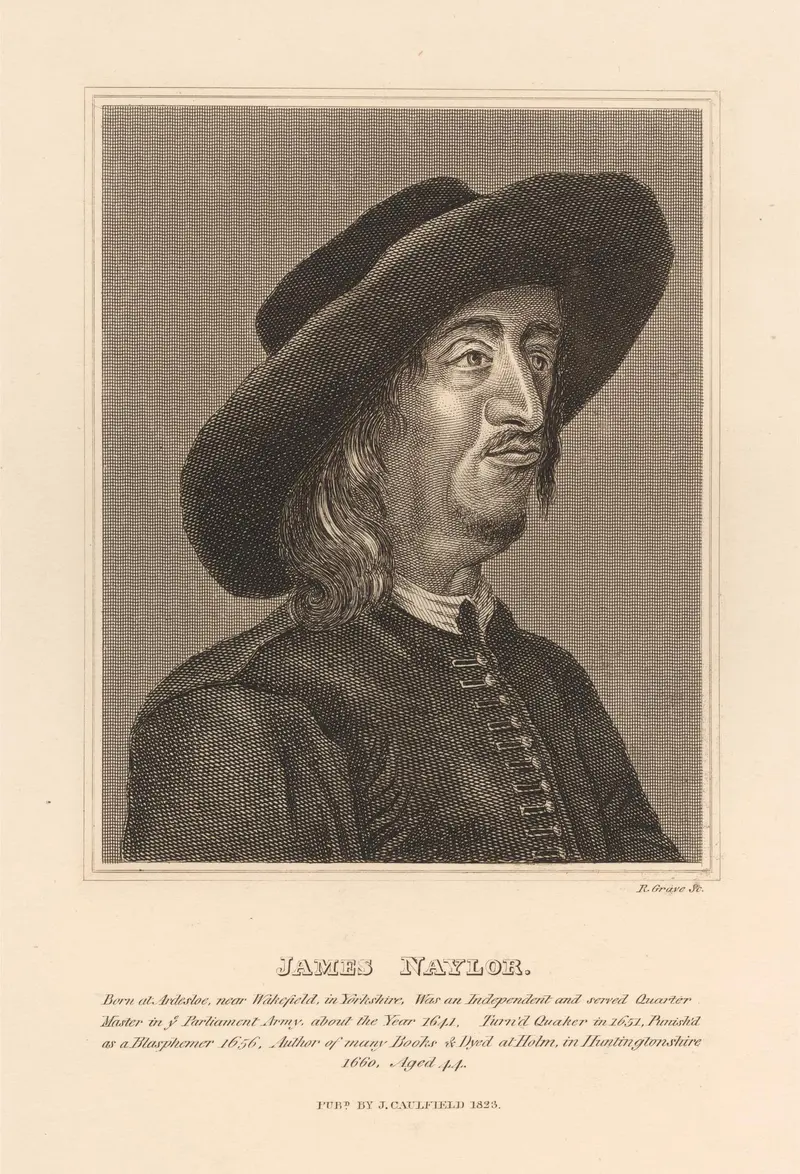
Nayler was one of the most powerful preachers of the first decade, active in the same years as Parnell. Both suffered terribly for their witness, and both became symbols of the cost of early Quaker faithfulness.
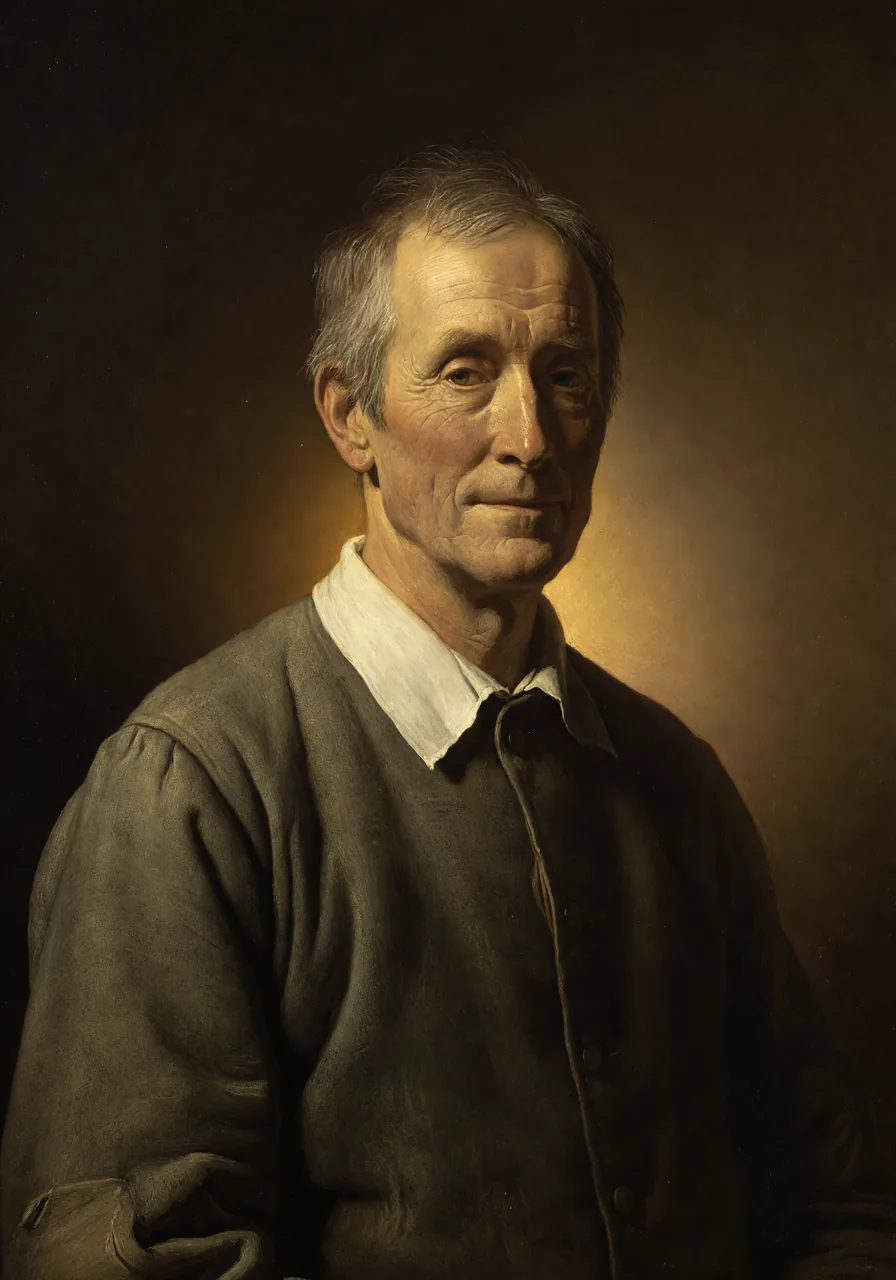
Dewsbury was another of the original northern converts who became a traveling minister in the early 1650s. He and Parnell shared the experience of preaching to hostile audiences across England in the movement's most dangerous years.
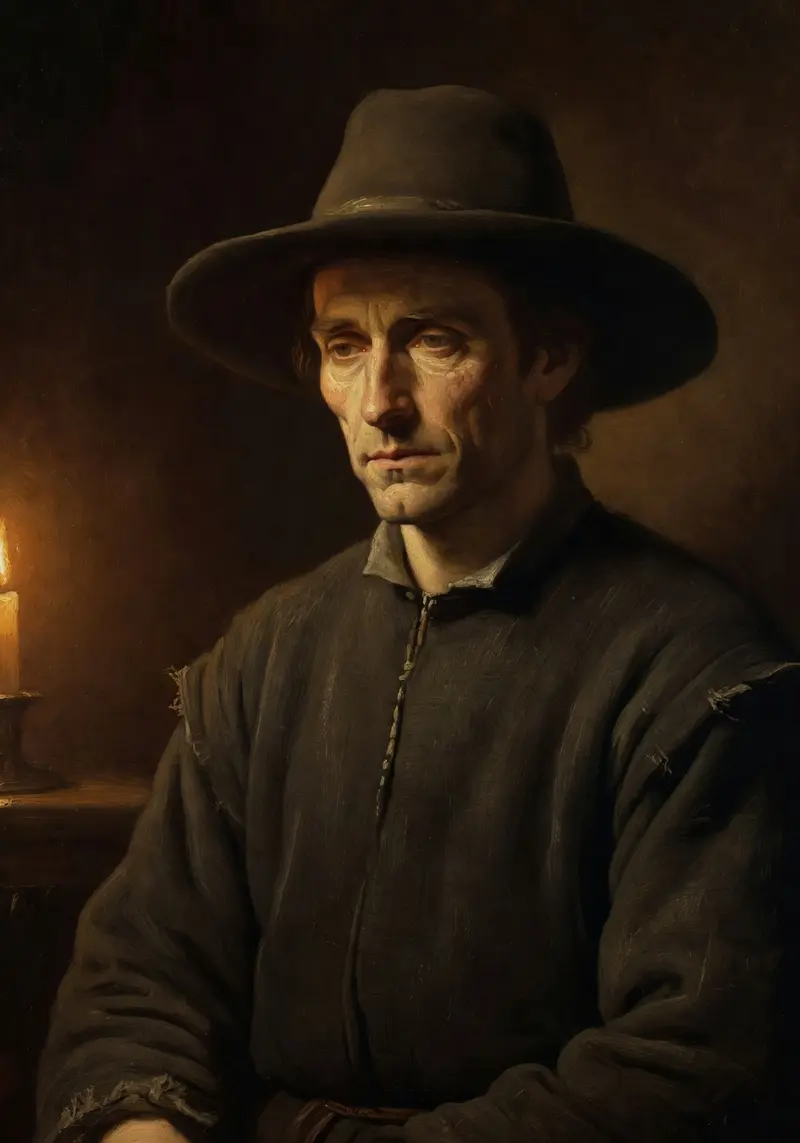
Howgill was part of the same first wave of Quaker ministers as Parnell, though older and based primarily in London. Howgill's memorial literature for Burrough echoes the grief Friends felt for all the young ministers who died for their faith.
Parnell's major tract, published in 1655 at age seventeen. A vigorous defense of Quaker principles — remarkable for its theological clarity from the youngest of the first-generation ministers.
A prophetic call in the apocalyptic style of early Quakerism, published in 1655. Demonstrates the deep scriptural formation and spiritual intensity of this teenage minister.
The posthumous 1675 collection gathering all his surviving tracts, epistles, and papers — the complete voice of the first Quaker martyr, preserving the words of a minister who died at nineteen.