Born at Lowmoor House
Born 'at a place called Lowmoor-house, in the parish of Dean and county of Cumberland, in the year 1659' to Matthew and Jane Dickinson; the Pardshaw testimony gives 1658.
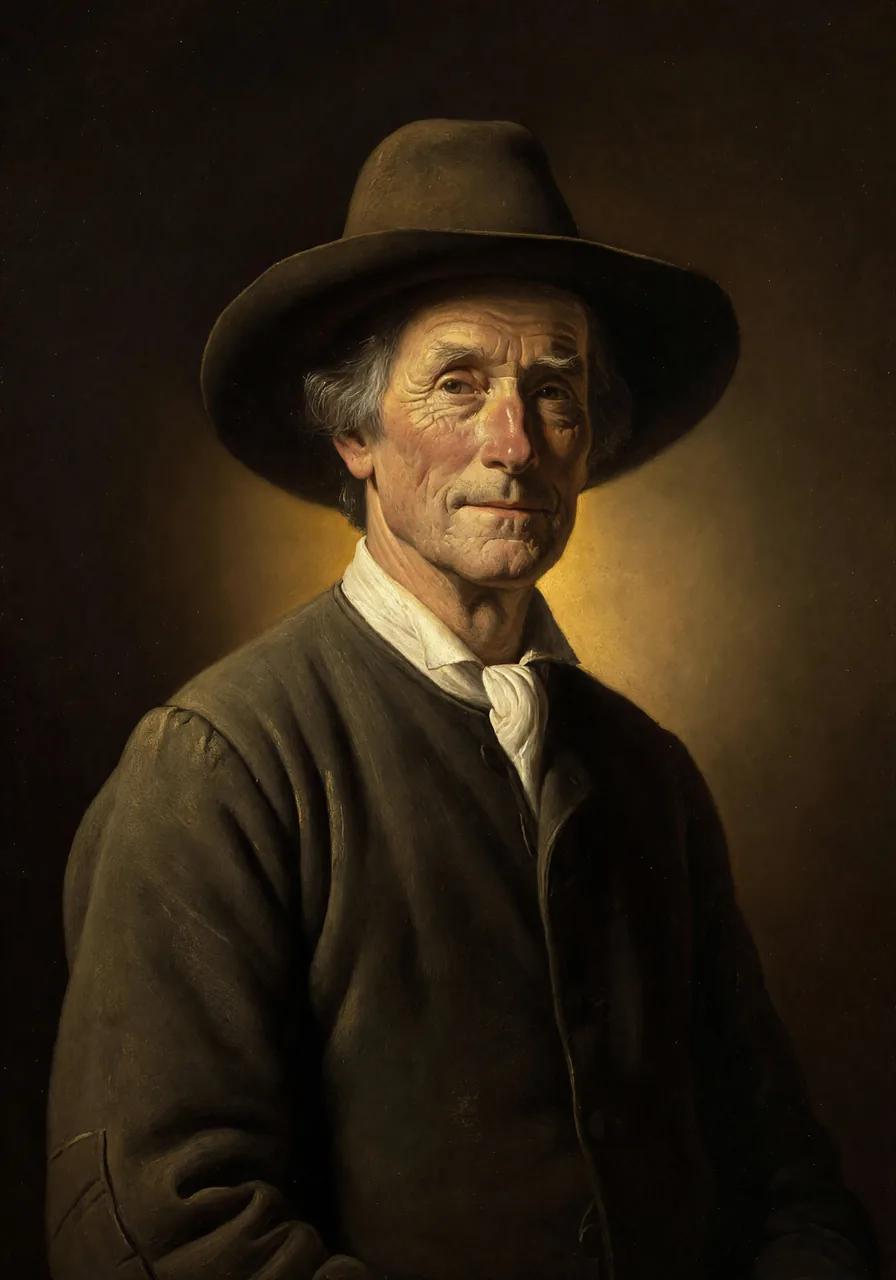
The Cumberland Fellmonger Who Crossed to America Three Times
“Yet the love of God was such in my heart, that I freely gave up to follow him.” — James Dickinson
Born 'at a place called Lowmoor-house, in the parish of Dean and county of Cumberland, in the year 1659' to Matthew and Jane Dickinson; the Pardshaw testimony gives 1658.
About his eighteenth year 'the Lord moved upon me by his Spirit to bear a testimony to his name and Truth'; at Talentire and Broughton he was thrown out and dragged in the street.
Visited Westmorland, Yorkshire, Durham and Northumberland in 1680, Ireland in 1682, Scotland on foot and alone in 1683, and Wales with Thomas Wilson in 1684.
Travelling the west and south of England, a constable 'dragged me from among them, cast me down among stones, and bruised my body to the shedding of my blood'.
Travelled north to Robert Barclay's at Urie and through Aberdeen with him; Barclay sickened and died a few days after they left. At Swarthmoor in the eleventh month he 'met with the tidings of the removal of our dear friend George Fox'.
Left London with Thomas Wilson in the fourth month 1691 for Barbados and the colonies from New York to Carolina and New England; landed in the Highlands of Scotland on the way home in 1693.
Held five months at Gravesend by the embargo after the plot against King William, he reached the York River in 1696, wrote epistles to London Yearly Meeting from Cowes and to Virginia from Philadelphia, and came home to Plymouth in 1697, William Penn accompanying him some miles from Bristol.
Sailed for Virginia with Thomas Wilson in the tenth month 1713; their leaking ship turned back to Lynnhaven Bay and they landed at Cork in 1715, 'having travelled by sea and land about 12,000 miles'.
After his wife's death in 1726 he travelled Yorkshire with William Dixon and carried to the Chester and London meetings a proposal for collecting and printing an account of Friends' sufferings; the journal ends in 1727.
Seized with a paralytic disorder about a year before, he died on the 6th of the third month 1741, aged eighty-three, and was buried at Friends' ground at Eaglesfield, Cumberland.
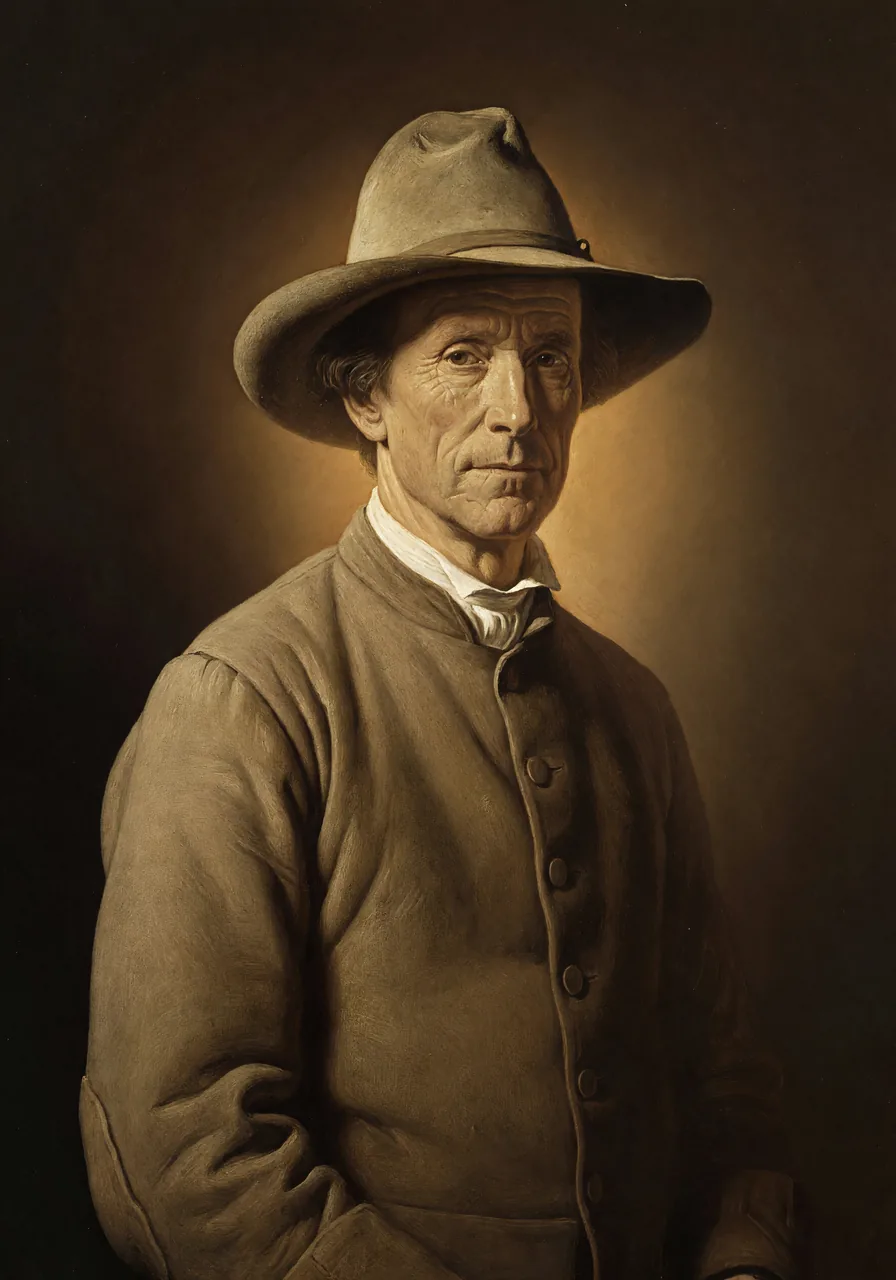
'My dear companion, Thomas Wilson, who was my fellow-labourer in the work of the gospel' from Ireland in 1682 and Wales in 1684 through the American voyages of 1691–93 and 1713–15.
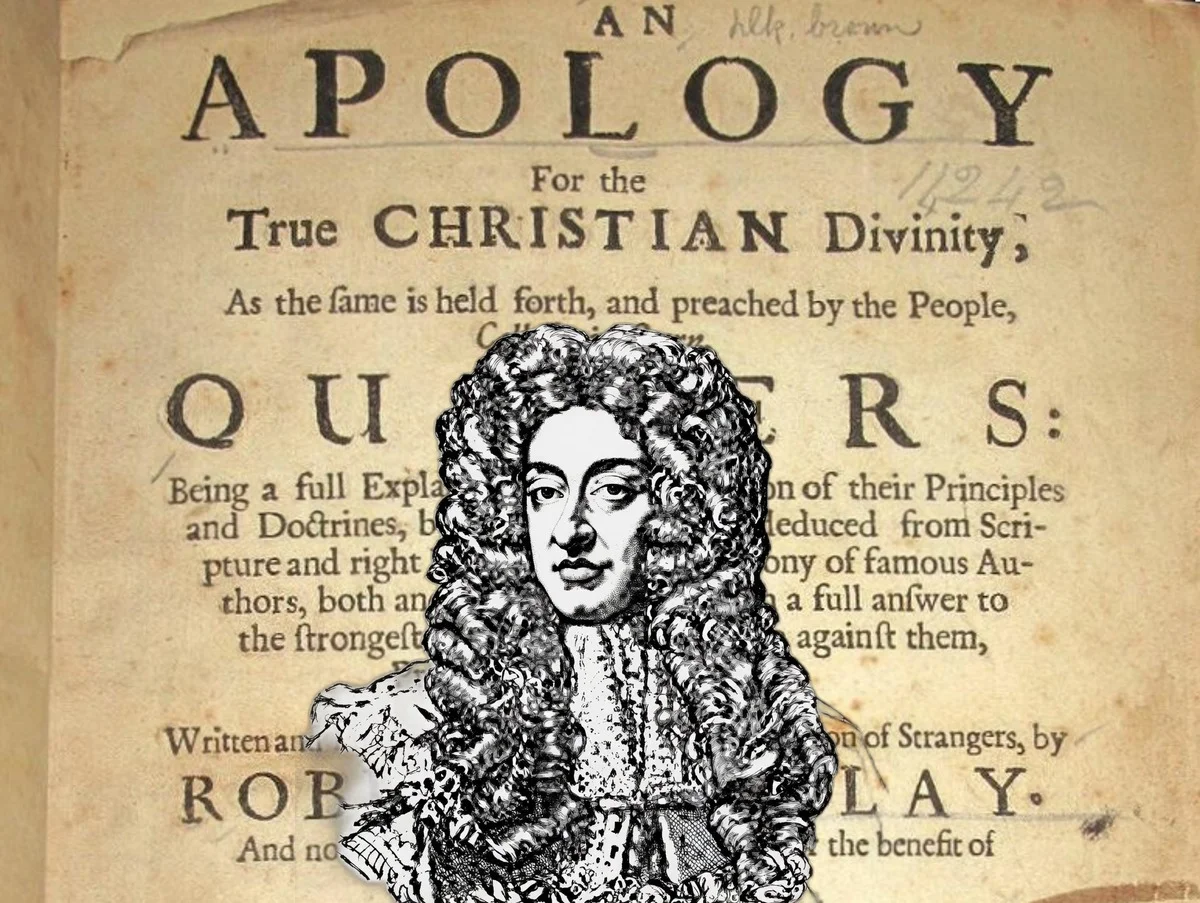
Barclay travelled with him to Aberdeen in 1690 and took the sickness of which he died a few days after they left Urie; Dickinson visited him on his death-bed and carried his love to Fox.
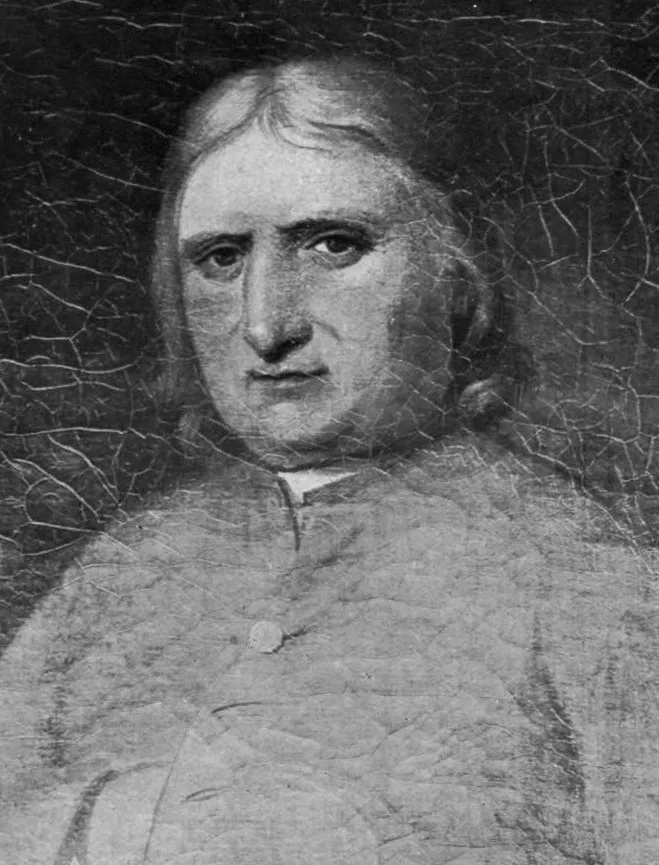
Learned of Fox's death at Swarthmoor in the eleventh month 1690, 'which occasioned deep sorrow in my heart'; Barclay's dying message sent love 'to dear George'.
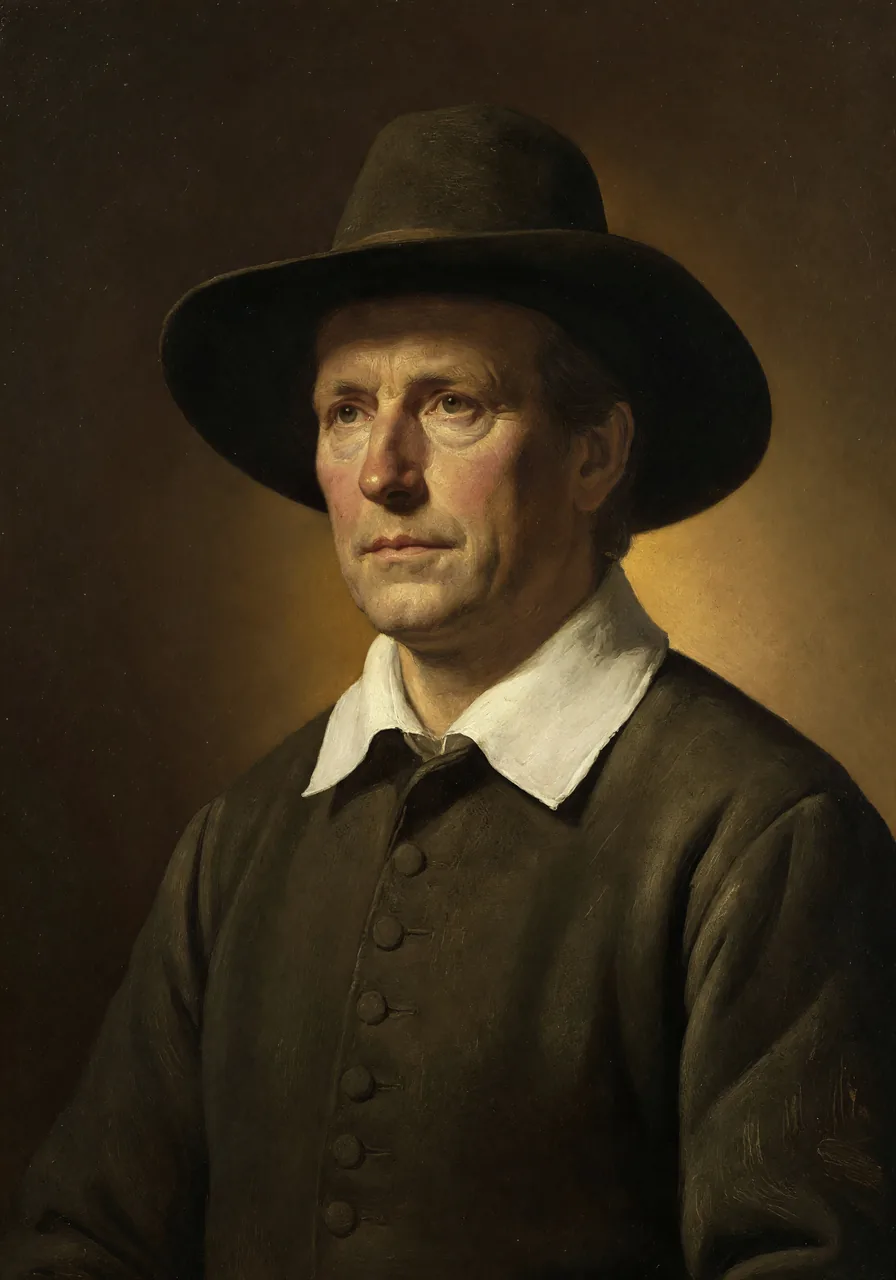
Met Burnyeat in Ireland, 'who was as a tender nursing father to me'; later travelled Scotland and Yorkshire with Burnyeat's son Jonathan in 1699 and 1704.
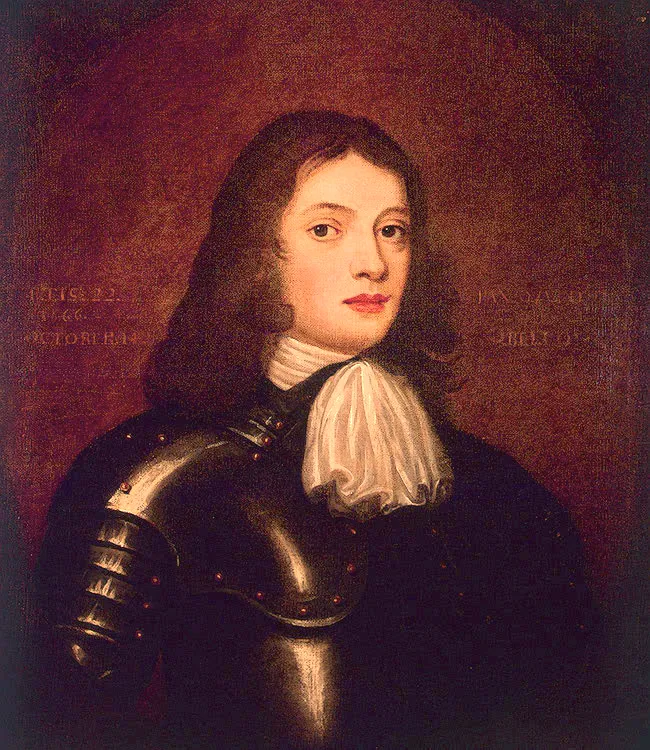
On his return from America in 1697 'William Penn and several other Friends' accompanied him some miles homeward from Bristol.
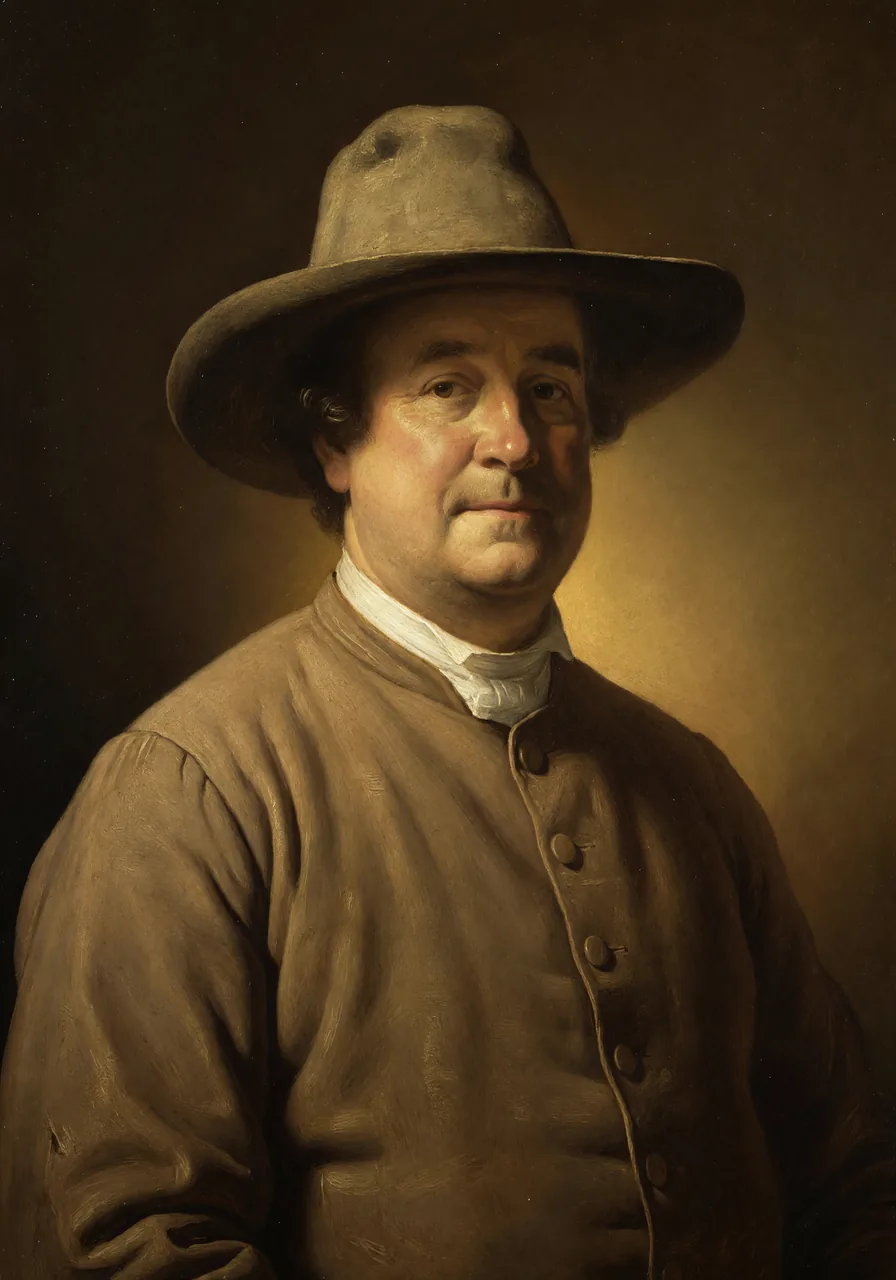
Met Story at Shields and Sunderland in 1717, 'who was travelling upon Truth's account, and had been above three years from his own habitation'.
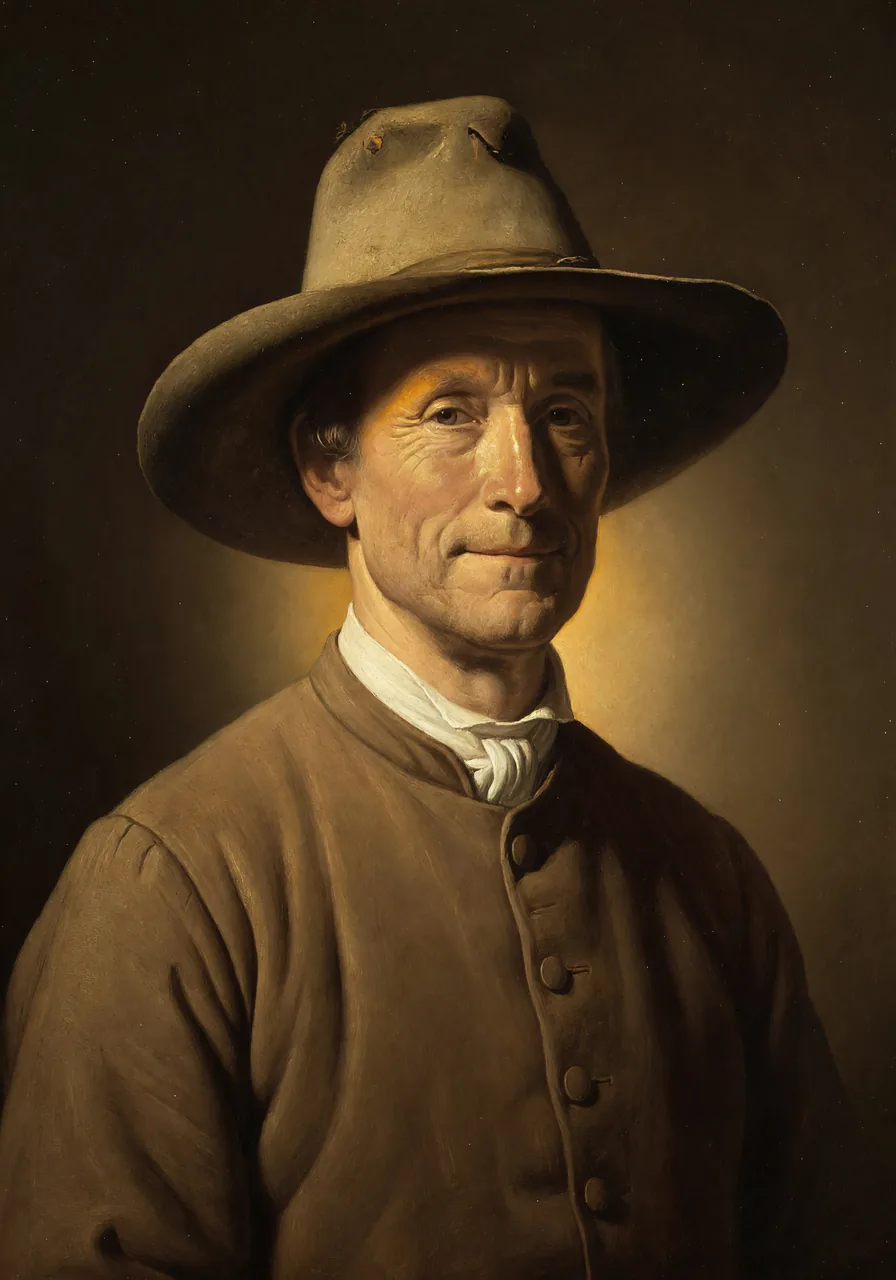
Bownas's Life records travelling with Dickinson from the Border to Dumfries in 1701, where Dickinson said, 'Lads, I find a concern to go into the street, will you go with me?'
Bangs's memoir records Dickinson overtaking him at Macclesfield in the winter of 1690 and their travelling together toward London.
His 'Life, Travels, and Labours of Love, in the Work of the Ministry', with epistles to London Yearly Meeting and to Friends in Virginia and America, and the Pardshaw testimony; first printed in 1745 and reprinted in the Friends' Library, volume 12 (1848).