Born to Privilege
Son of Isaac Penington, Lord Mayor of London (1629) and Master of the Mint. The Peningtons were wealthy, educated, and powerful.
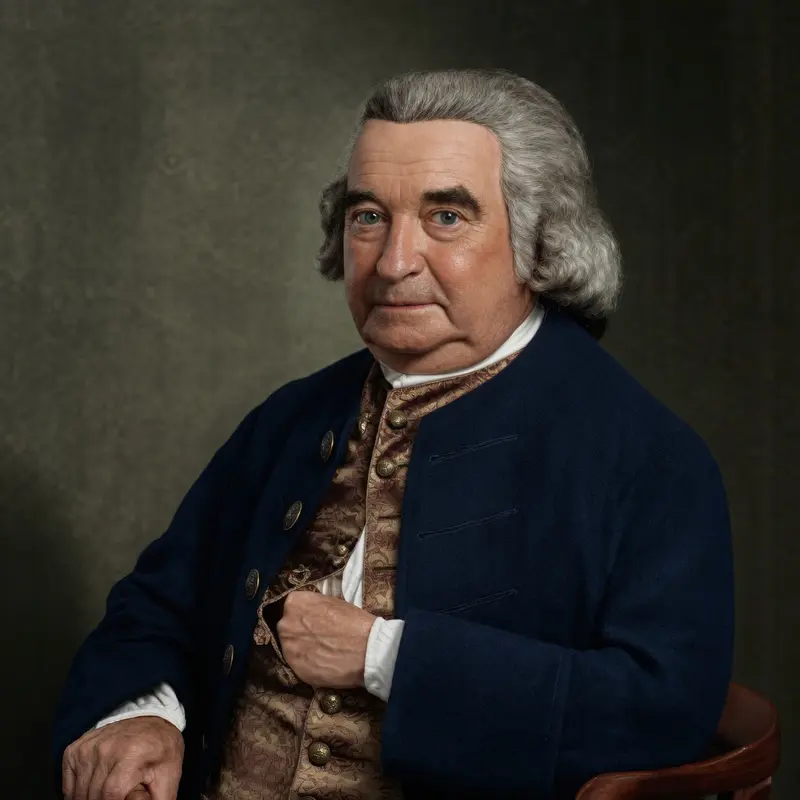
Mystic Theologian, Seeker Turned Friend
“The Lord is at work in the world, and that work is deep, and hidden, and inward.” — Isaac Penington
Isaac Penington was born in 1616 into one of the most prominent families in London. His father, Alderman Isaac Penington, served as Lord Mayor in 1642-43 and sat on the committee that arranged the trial of Charles I. The younger Penington received an excellent education and moved in circles of wealth and political influence. Yet from his youth he was haunted by a spiritual restlessness that no outward advantage could satisfy.
Readers frequently meet the name written Pennington, with a double n — Lodowick Muggleton spelled it that way on the title page of his answer to Penington’s Observations — but Penington’s own tracts and the collected Works use the single n, and that is the form kept throughout this site.
For decades Penington searched. He read widely among Puritan divines, attended sermons, examined his conscience with exhausting rigor, and tried every religious discipline available to a thoughtful Englishman of his era. He joined the Independents, then left them. He studied the writings of the early church fathers. Nothing answered his condition. He later described this long period of seeking with remarkable honesty: “I was as a man bereft of all, and knew not which way to turn, nor what to take hold of.”
His first contact with Quakers came around 1656 through reading their pamphlets. Penington was initially skeptical — the Quakers were widely regarded as enthusiasts and disturbers of the peace. But something in their writings spoke to his experience. When he attended a Quaker meeting, he found what decades of seeking had not produced: a living encounter with the divine presence that required no mediating forms. His convincement was complete by 1658.
The cost was enormous. Penington lost his social standing, his political connections, and eventually his freedom. He was imprisoned six times for his Quaker faith, spending years in conditions that permanently damaged his health. At Aylesbury jail he was confined in a room so damp that his shoes rotted on his feet. Yet it was precisely during these years of suffering that his most profound writing emerged.
Penington’s genius lay in his ability to describe the interior life of the spirit with a precision and tenderness that no other Quaker writer matched. Where Fox declared and Barclay systematized, Penington invited. His letters — addressed to individuals struggling with doubt, grief, persecution, or spiritual dryness — became the most treasured devotional writings in the Quaker tradition. They were read aloud in meetings for worship, copied by hand, and passed from family to family for generations.
In 1667, Penington settled at Chalfont St. Peter in Buckinghamshire, near both William Penn and Thomas Ellwood. The three formed an informal community of mutual support and intellectual exchange. Penn was the public advocate; Ellwood the literary craftsman; Penington the contemplative mystic. Their proximity enriched all three, and the Chalfont circle became one of the most remarkable intellectual communities in seventeenth-century English religion.
His major works include The Way of Life and Death Made Manifest, a comprehensive guide to distinguishing true from false spirituality, and Some Directions to the Panting Soul, a brief devotional classic still in print today. But it is the letters that remain his most enduring legacy. Written to specific people in specific circumstances, they nonetheless speak with universal force to anyone who has experienced the ache of spiritual longing.
Penington died in 1679 at the age of sixty-three, his health broken by imprisonment but his spirit luminous. His widow Mary compiled his papers, and the collected works were published posthumously in multiple editions. Among non-Quaker readers, Penington remains the most immediately approachable of the early Friends — a writer whose gentleness, psychological insight, and mystical depth make him, for many, the truest spiritual voice of the movement.
Penington’s mature thought took shape within a remarkable community. At Chalfont St. Peter he lived beside Thomas Ellwood, the literary craftsman who read to the blind John Milton, and near William Penn, whose public advocacy carried Quaker ideas into Parliament and the American colonies. Where George Fox preached the Inward Light as immediate experience and Robert Barclay defended it as systematic doctrine, Penington explored it as the lived interior life of the soul — the slow, hidden work by which a seeker is brought from restlessness to rest.
His central conviction was that true religion cannot be manufactured by effort, only received in stillness: the “seed” of God, planted in every person, grows as the self grows quiet. This theme runs through the four-volume set that Friends Illuminated has rendered in modern English — from the foundational tracts of The Works of Isaac Penington, Volume I to the intimate letters of the later volumes. His convincement, imprisonments, and writing years can be followed alongside his contemporaries on the Quaker history timeline. The seventeenth-century originals remain free in the public domain; the modernized editions simply make his difficult, luminous prose accessible to readers today.
Son of Isaac Penington, Lord Mayor of London (1629) and Master of the Mint. The Peningtons were wealthy, educated, and powerful.
Received an excellent education but found formal religion empty. He searched Scripture and ancient Christian writers for authentic spiritual experience.
Heard of Quaker meetings through a friend. Skeptical at first, he examined their writings and found something genuine.
After reading George Fox and attending meetings, Penington declared himself convinced. His transition was intellectual and mystical—theology met experience.
The Restoration brought persecution. Penington's new status as a Quaker cost him his social standing and eventually his freedom.
His letters from this period, later collected, became the most treasured Quaker devotional writings after Penn's No Cross, No Crown.
Retired to a house near Penn and Ellwood. The three became close friends, forming a kind of informal Quaker 'academy.'
Published his most comprehensive work: a guide to distinguishing false spirituality from true, written with remarkable psychological insight.
Two more imprisonments followed. His health was declining, but his writing deepened, combining mysticism with practical counsel.
His collected letters became essential reading for Quakers. They cover grief, doubt, persecution, the inner life, and mystical union with God.
Died at his home in Chalfont. His widow Mary compiled his works, which would be published posthumously in multiple volumes.
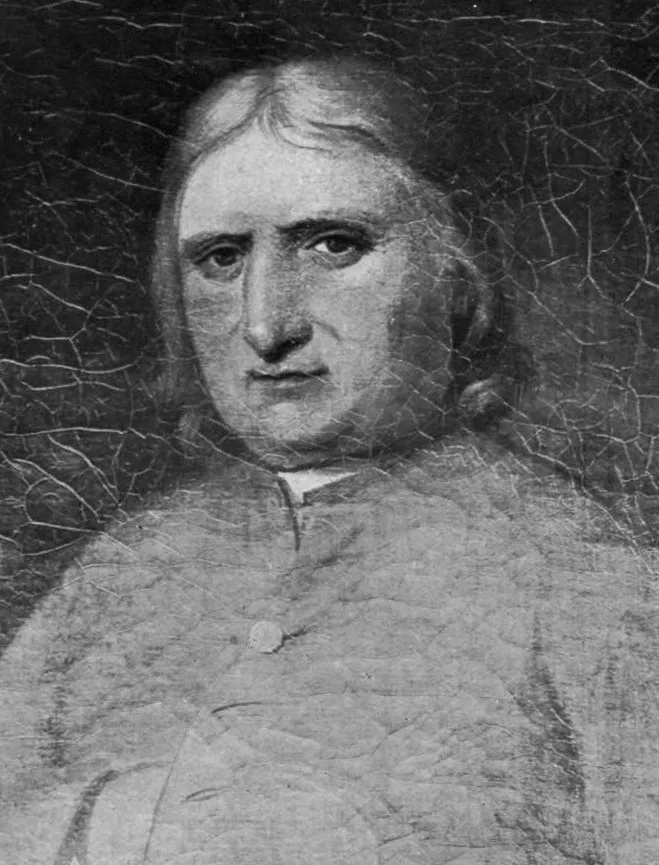
Penington read Fox's writings before they ever met. Later, he frequently praised Fox's ability to cut through theological abstraction to living experience.
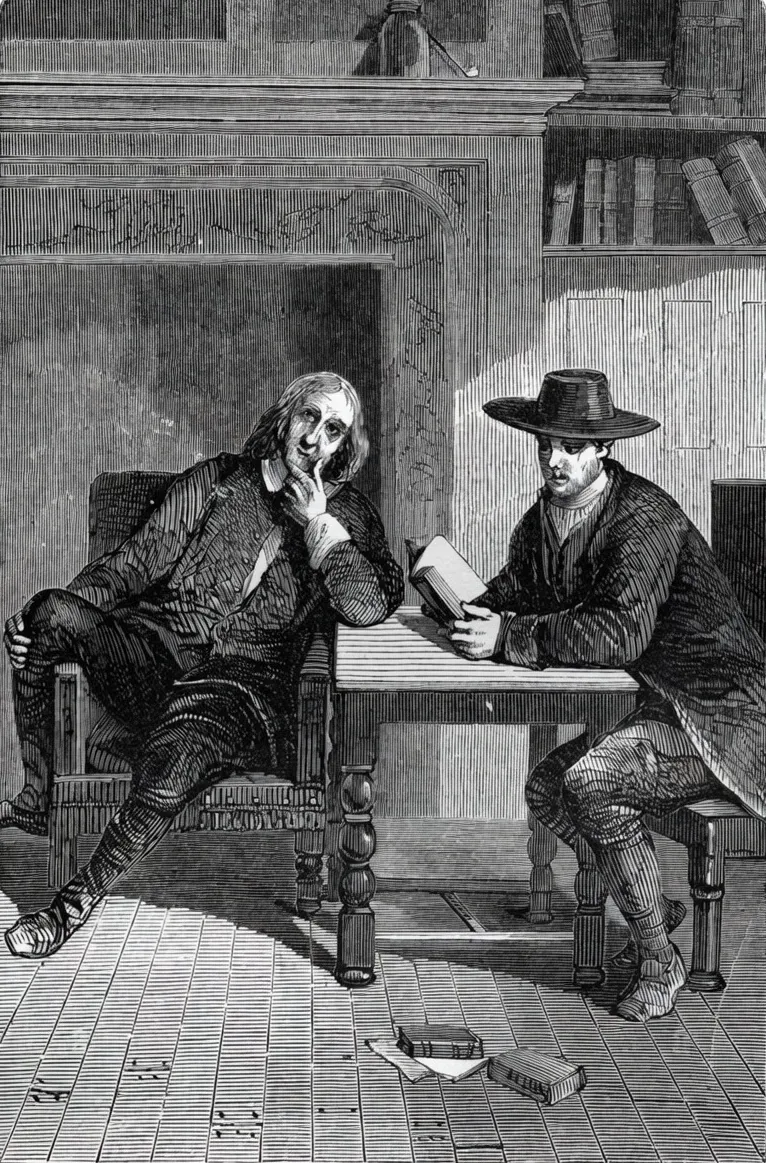
The two lived near each other in Buckinghamshire and frequently exchanged manuscripts. Their writings show mutual influence.
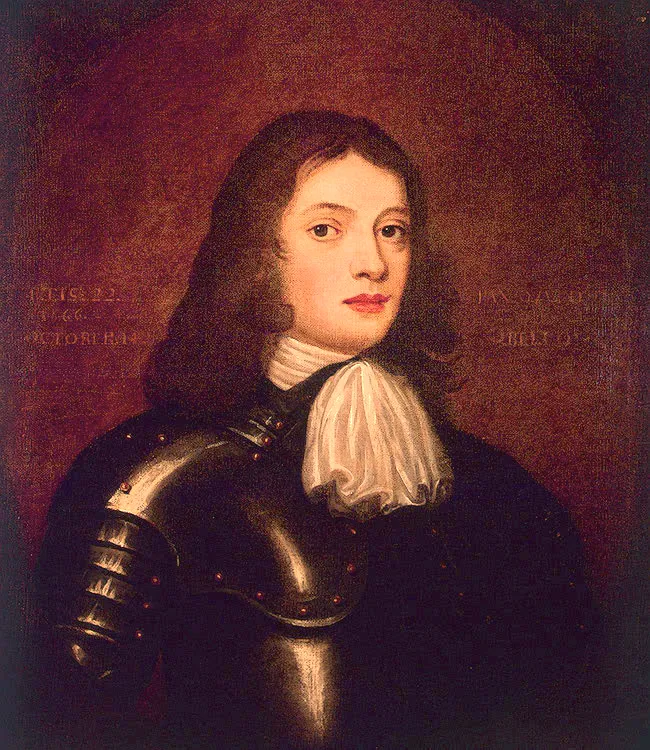
Penn's nearby property allowed frequent visits. Penington's mystical bent complemented Penn's practical genius.
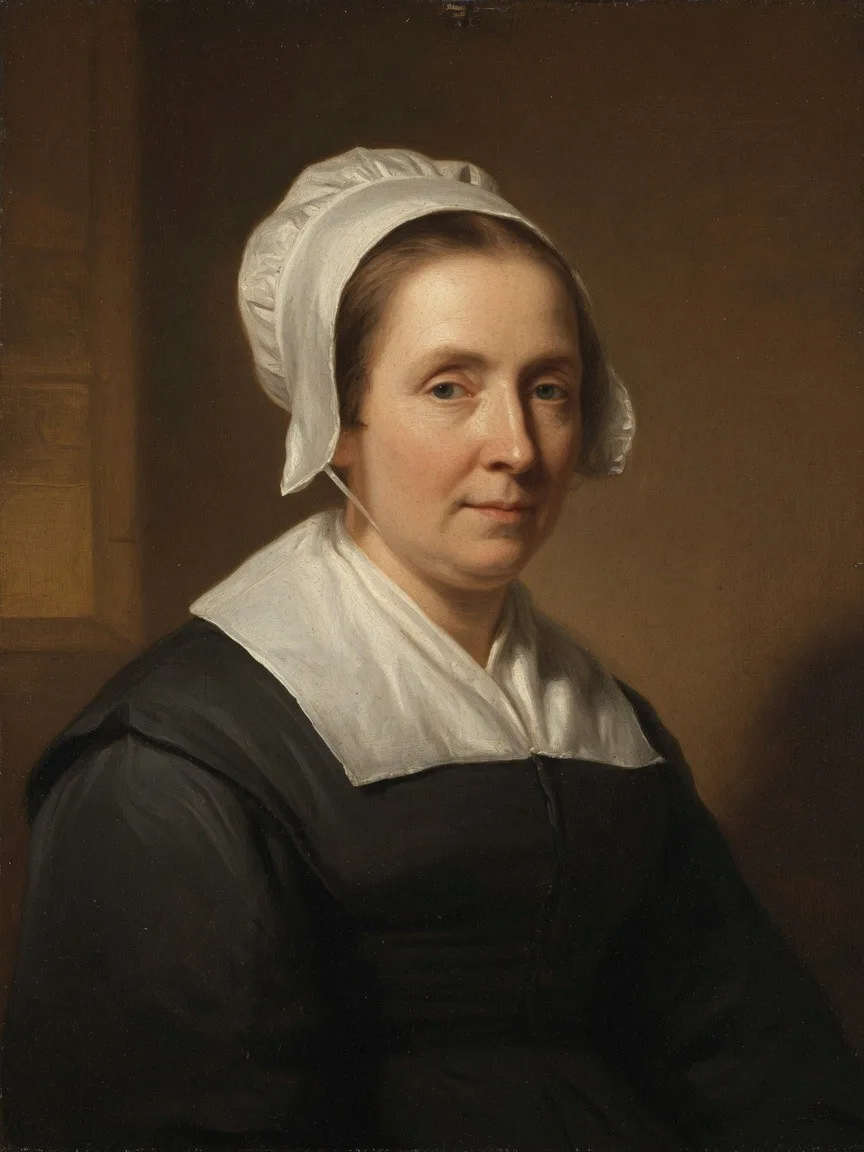
Penington and Fell exchanged letters about organizational matters and spiritual difficulties—she considered his counsel valuable.
The opening volume of Penington's collected works — his earliest tracts, testimonies, and letters, establishing the foundational arguments of his mystical theology and his vision of the inward life of the Spirit.
The heart of Penington's theological output — 28 discourses on worship, covenant theology, ecclesiology, religious liberty, and the nature of the spiritual life, written during the years of heaviest Quaker persecution.
The third volume of Penington's collected works — thirteen theological tracts and sixty-two letters, the most personal and pastorally rich volume in the set.
The fourth and final volume of Penington's collected works — sixteen theological tracts and seventy-seven letters, completing the most comprehensive edition of his writings ever prepared.