Born in Aberdeen
Born in Aberdeenshire and university-educated in Scotland — the most formally trained scholar the early movement drew in.
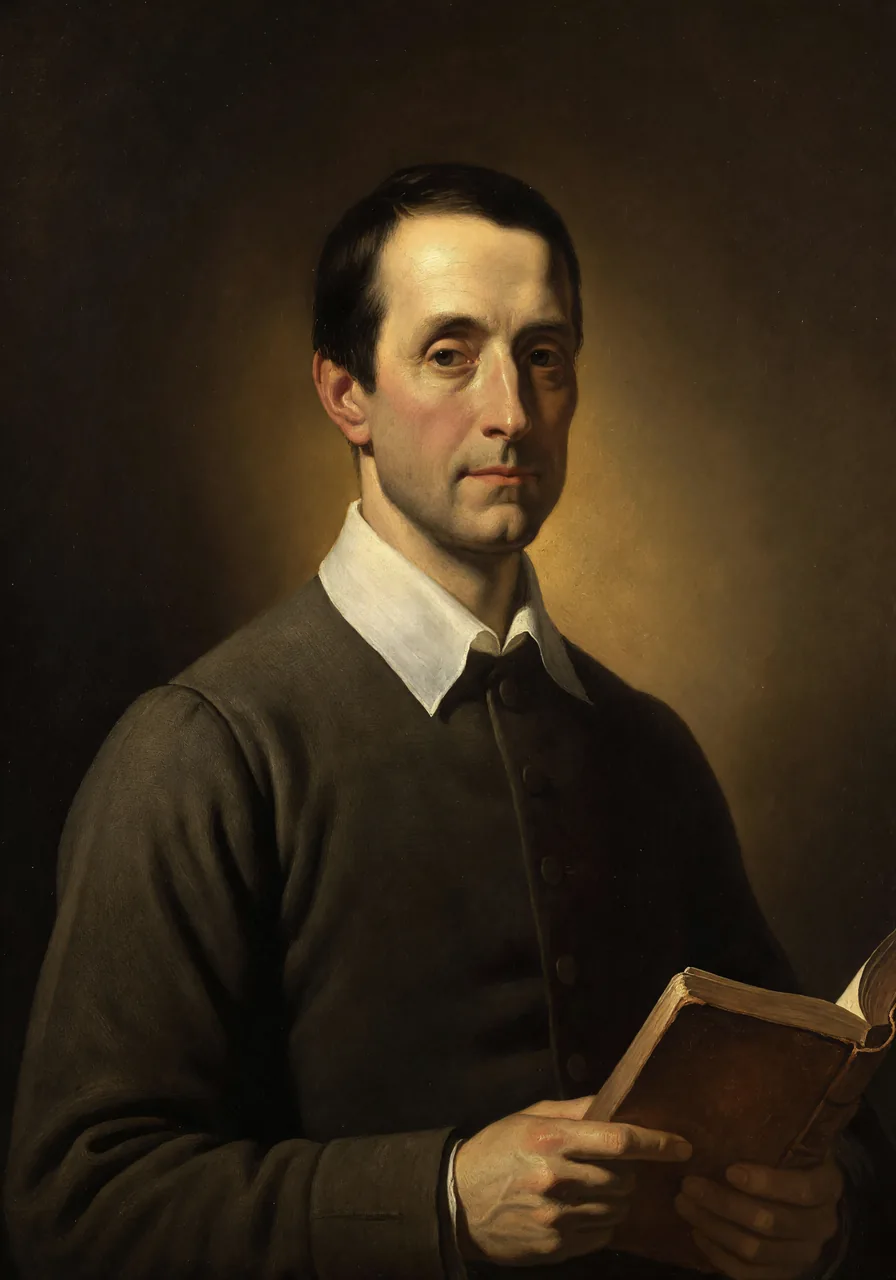
The Ablest Defender Friends Ever Had, and the Sharpest They Ever Lost
“Iesus Christ Revealed in Man, is the foundation of the true Church, and of every Member thereof in particular.” — George Keith
The works published here are Keith’s, and they are all from before 1691 — the years in which he was among the most formidable defenders the young Society had, writing alongside Robert Barclay. What followed is not set aside. In Pennsylvania he divided the American meetings in the separation of 1691–92, was disowned, and in 1700 took Anglican orders and wrote against Friends for the rest of his life. Joseph Pike, who knew both men, drew the contrast plainly: Keith and “his frequent companion, Barclay,” and those who, “like Keith, have not kept their safe habitation in the light and truth of Christ.” His later anti-Quaker writing is deliberately not collected here.
Born in Aberdeenshire and university-educated in Scotland — the most formally trained scholar the early movement drew in.
Published Help in Time of Need, addressed to the Church of Scotland, and A Salutation of Dear and Tender Love to the Seed of God Arising in Aberdeen.
His major doctrinal work, arguing that Christ revealed in man is the foundation of the true Church — the fullest early statement of the Quaker doctrine of revelation.
Disputed publicly against students of divinity at Aberdeen alongside Robert Barclay and Alexander Skene; the account was published jointly over all three names.
Published The Way Cast Up, and the Stumbling-Blocks Removed, followed the next year by The Way to the City of God Described.
Wrote The Benefit, Advantage and Glory of Silent Meetings — a defence of the Quaker manner of worship as it was found at the beginning.
Set out the Christian confession by question and answer; the following year he carried the argument to New England.
Divided the American meetings, charging Friends with holding the inward Christ so far as to neglect the outward. He was disowned, and the breach never healed.
Ordained in the Church of England and returned to America as a missionary, writing against the people he had once defended.
Died rector of Edburton in Sussex, having outlived nearly every Friend he had once stood beside.
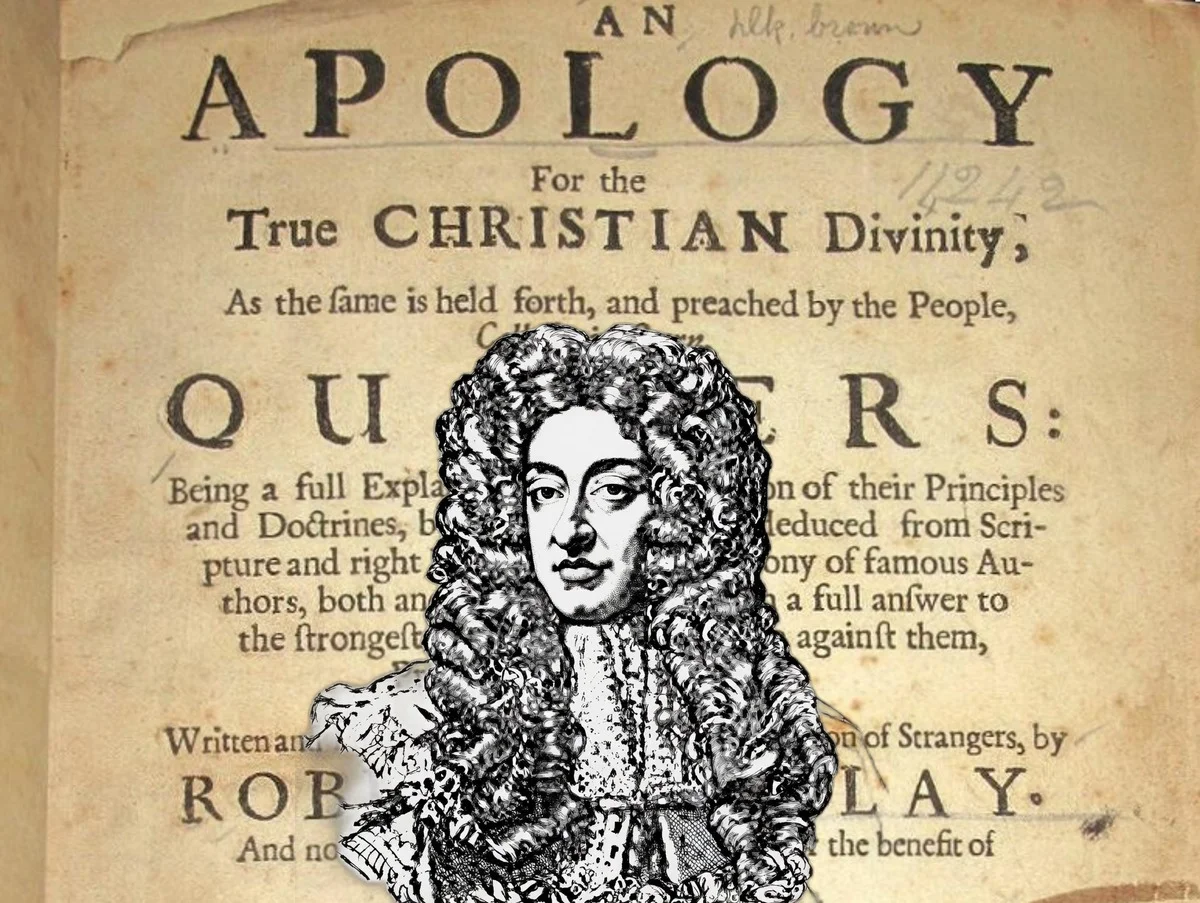
Keith and Barclay disputed side by side at Aberdeen in 1675 and published the account jointly. Joseph Pike, writing later, called Keith Barclay's 'frequent companion' — and used the pairing to measure how far Keith afterwards fell.
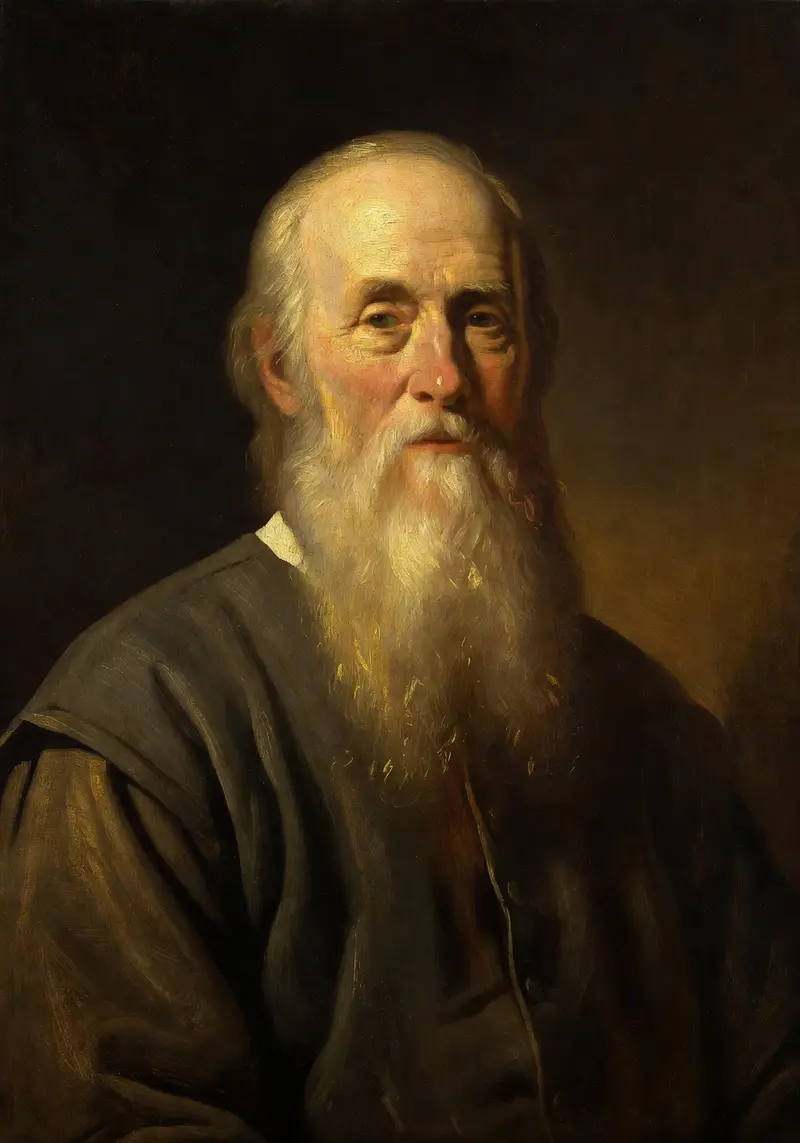
After the separation Keith turned his pen on Whitehead by name, arguing against the Friends he had spent twenty-five years defending.
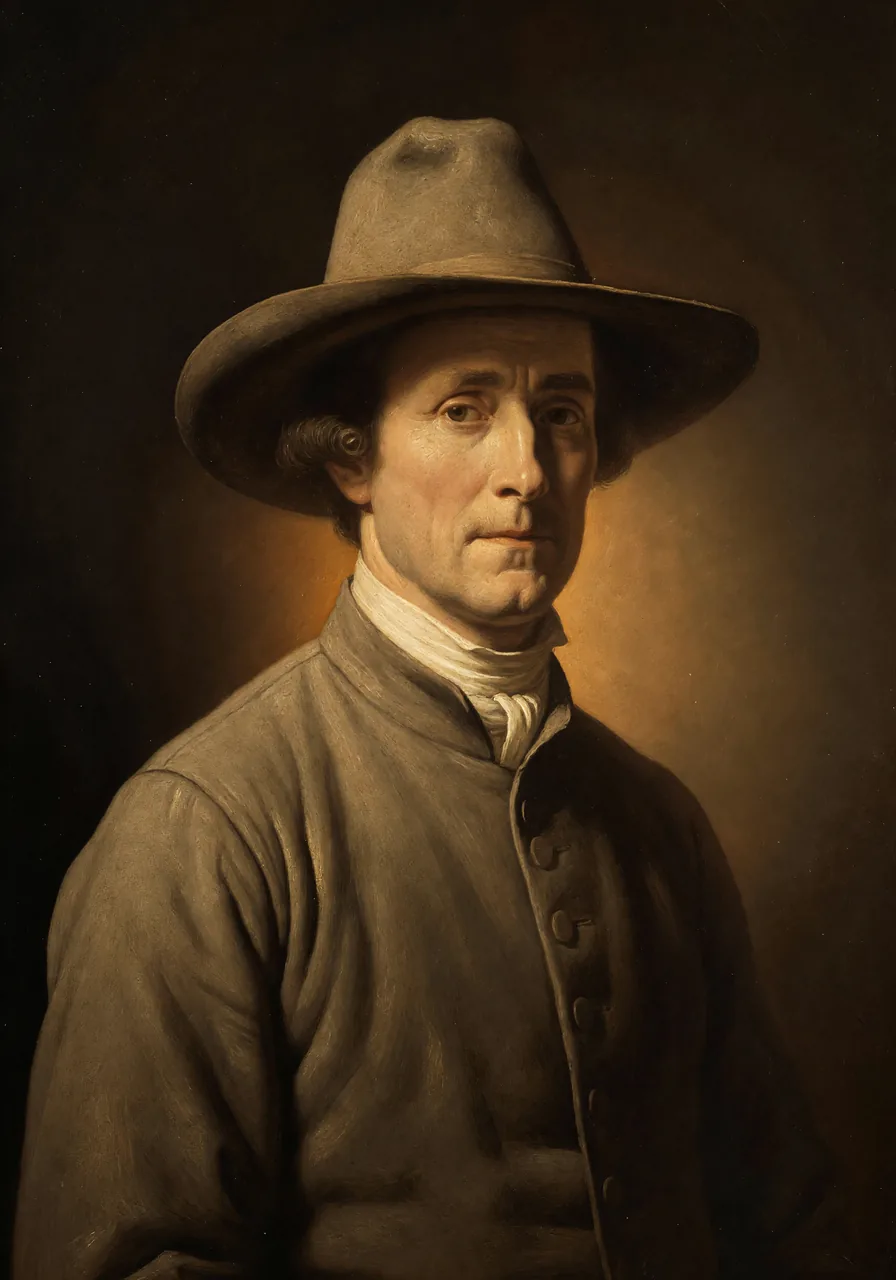
Pike's Life records the contemporary Quaker judgment on Keith's departure, and is the corpus's clearest firsthand witness to how Friends understood it.
1668. Christ revealed in man as the foundation of the true Church — his fullest doctrinal statement, and the one Friends quoted for a generation.
1677. A practical guide for those seeking the way, and among the most reprinted of his Quaker-period works.
1688. The Christian confession set out by question and answer, three years before the separation.