Born in Bristol
Born into a Bristol family with civic and military connections.
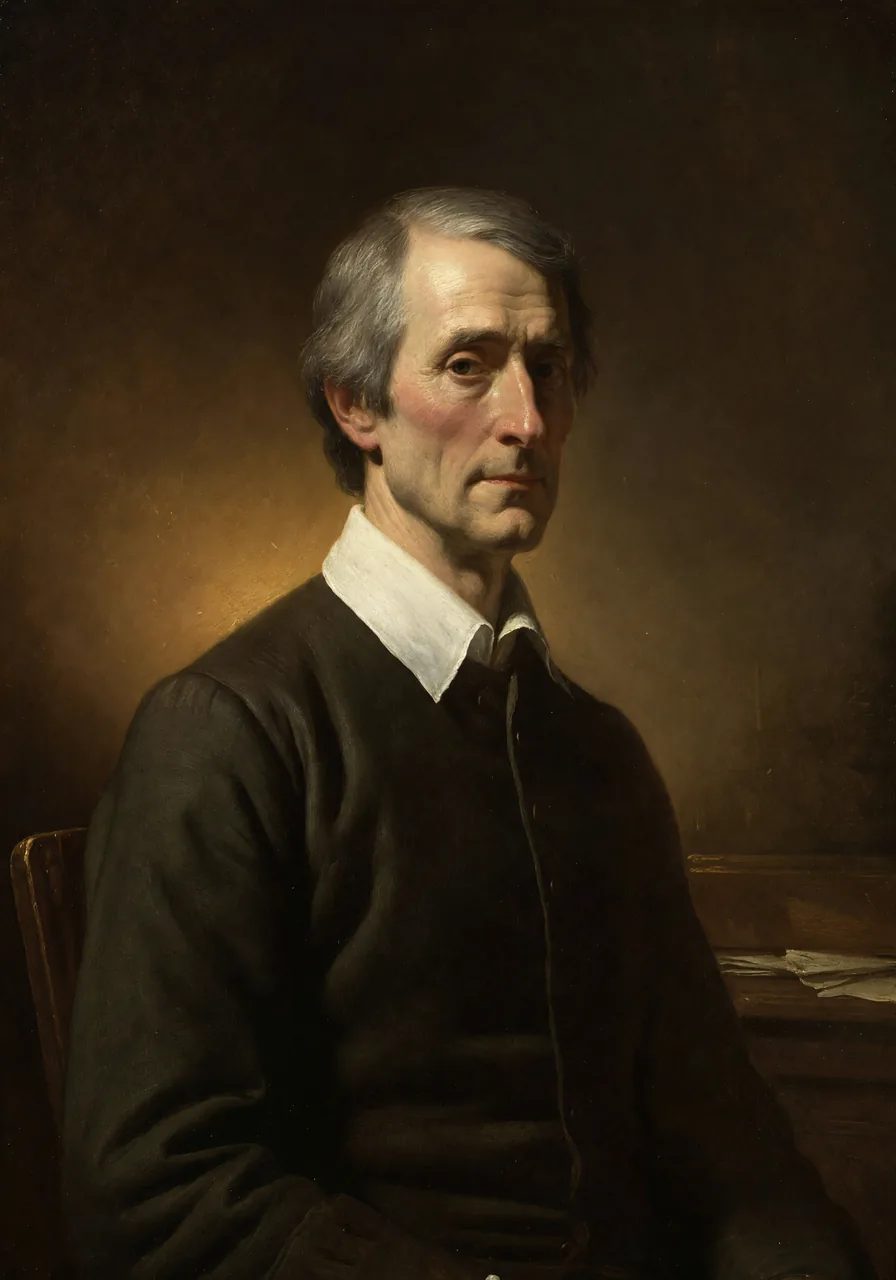
Early Bristol Friend and Chronicler of New England Persecution
“They that persecute the truth shall find the judgment of truth to be sharper than the sword with which they strive to wound it.” — George Bishop
Born into a Bristol family with civic and military connections.
Bishop became a convinced Friend and quickly became a leading minister and controversialist in Bristol.
Imprisoned with other leading Bristol Friends for refusing to take oaths and for disturbing public worship.
Published a sharp reply to a Church-of-England minister who had criticized Quaker silence and testimony.
Published 'New England Judged, not by Man's, but the Spirit of the Lord,' documenting the persecutions of Quakers in Massachusetts, including the executions of Mary Dyer and her fellow martyrs.
Issued a continuation carrying the record of sufferings in New England down to 1665.
Died in Bristol after a long life of service, writing, and advocacy for Friends.
Bishop's New England Judged gave the most detailed English account of the sufferings and martyrdom of Mary Dyer and other Quakers in Massachusetts.
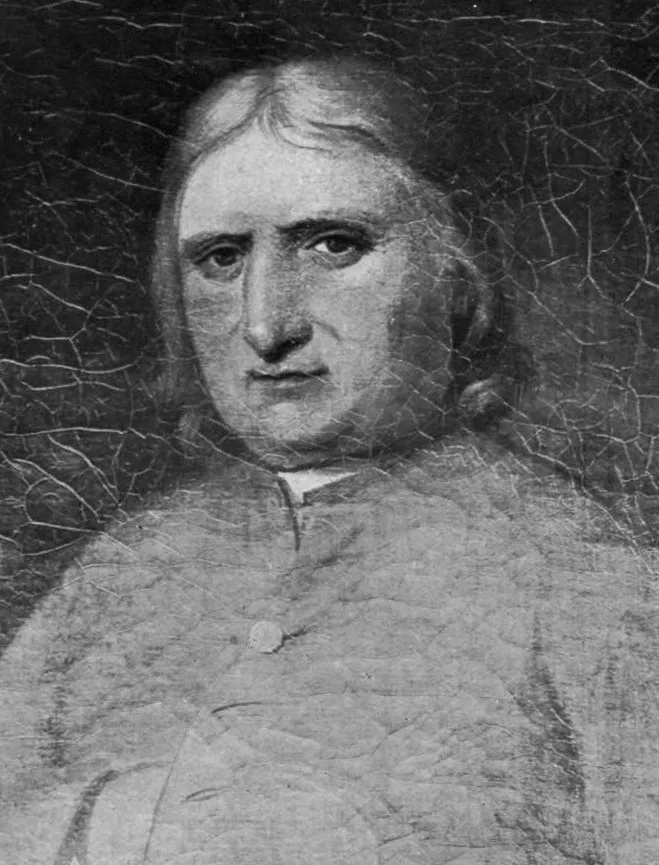
Bishop's Bristol apologetics shared Fox's insistence on the sufficiency of inward light and the illegitimacy of persecuting conscience.
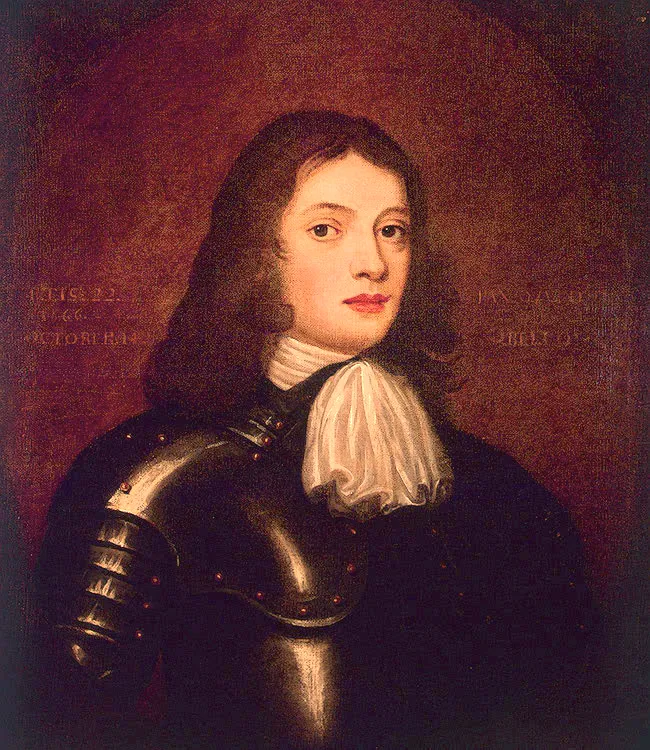
Bishop's legal and historical arguments against persecution anticipated the more systematic apologetics of William Penn.
Published in 1661 (with a 1667 continuation), this is Bishop's great indictment of the Massachusetts persecutions of Quakers — a foundational document of Quaker suffering literature.
A 1655 Bristol tract answering a minister's attack on Quaker worship and testimony.