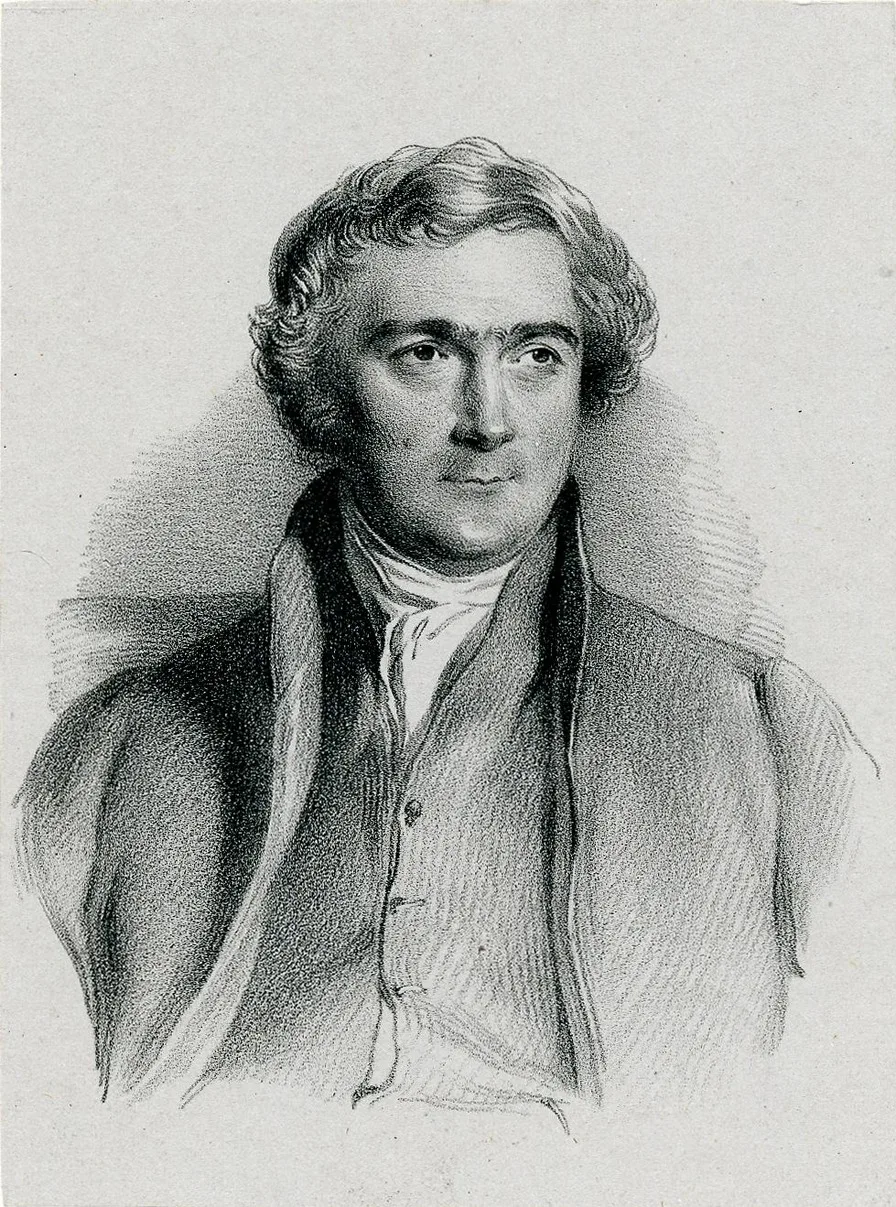
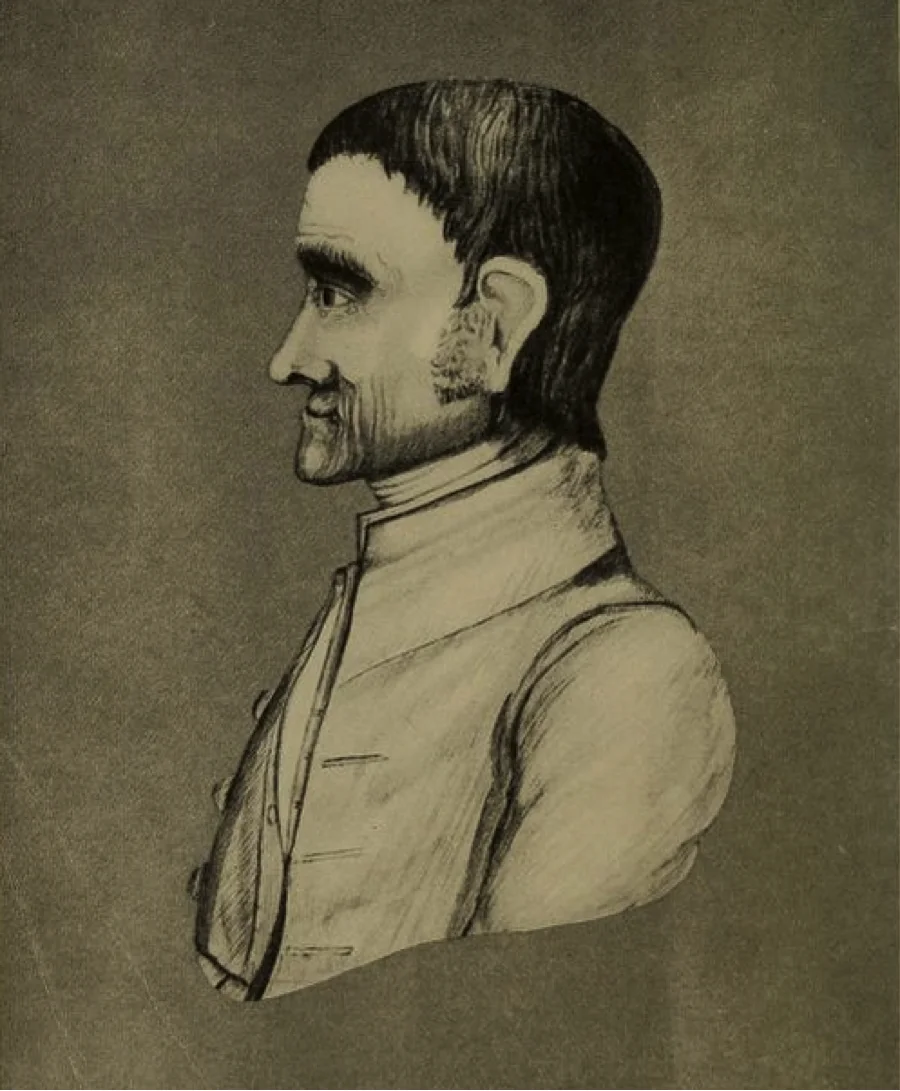
Born at Norwich
Born Elizabeth Gurney, fourth daughter of the Quaker banker John Gurney of Earlham Hall.
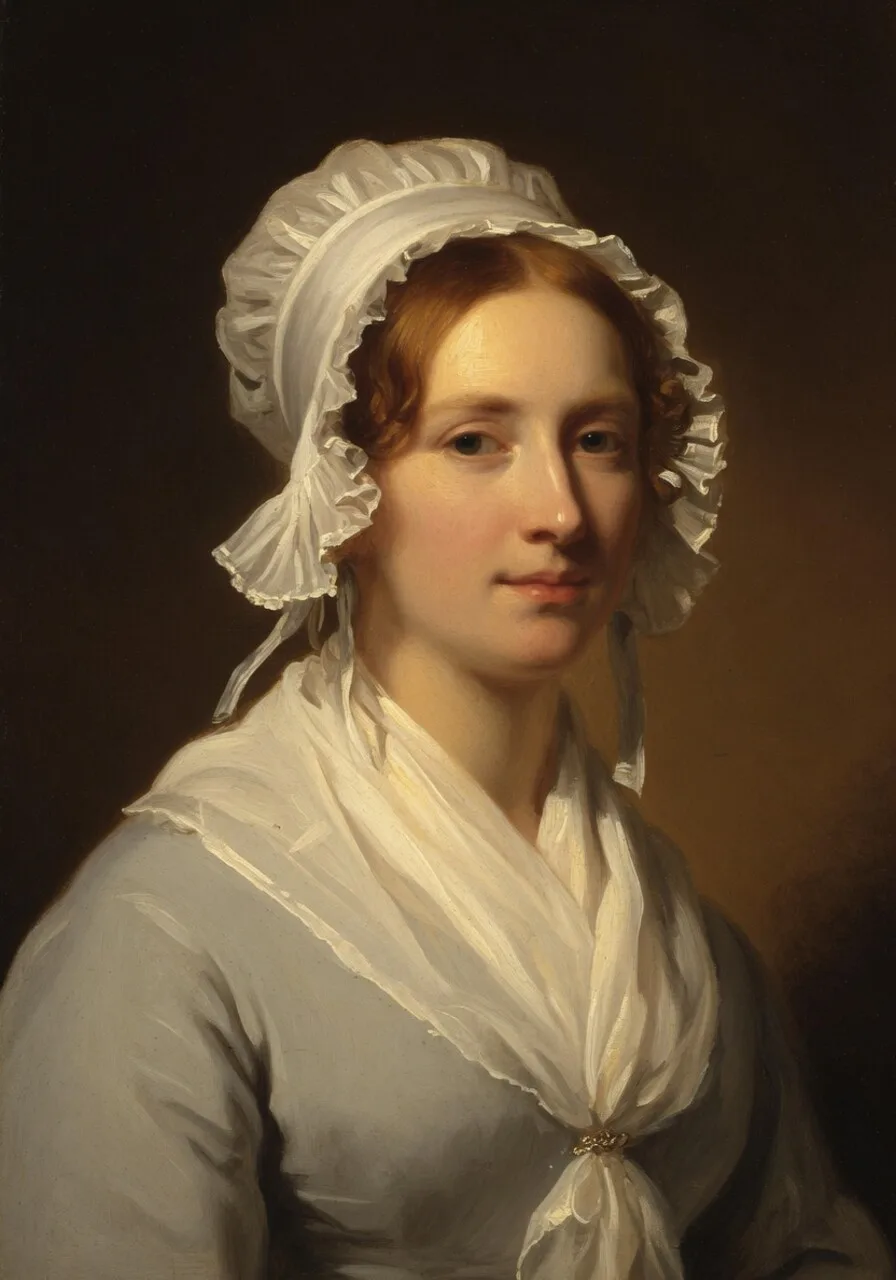
The Angel of the Prisons
“Since my heart was touched at seventeen years old, I believe I never have awakened from sleep, in sickness or in health, by day or by night, without my first waking thought being how best I might serve my Lord.” — Elizabeth Fry
Born Elizabeth Gurney, fourth daughter of the Quaker banker John Gurney of Earlham Hall.
Hears the American Friend William Savery preach at Norwich Meeting and writes that night: 'Today I have felt that there is a God.'
Marries the London Quaker merchant Joseph Fry and removes to Mildred's Court. Eleven children follow.
The Society of Friends acknowledges her as a minister.
Visits the women's wards of Newgate Prison and cannot forget what she saw there.
Founds a school inside Newgate for prisoners' children, then the Ladies' Association for the Improvement of the Female Prisoners. The prisoners vote to adopt her rules.
Becomes the first woman called to give evidence before a committee of the House of Commons.
The failure of the family bank strips the Frys of fortune and reputation. Her journal records the faith that held through the ruin.
Begins the continental journeys — France, Prussia, Denmark — inspecting prisons and pleading the prisoners' cause before kings.
Dies at Ramsgate on 13 October 1845. A thousand people stand in unbroken silence at her burial at Barking.
Her journals and letters, curated from the Memoir of 1847 into sixteen chronological chapters — from Earlham to Newgate and the courts of Europe.