Born in Cheshire
Born Elizabeth Sampson in Middlewich, Cheshire, England. Her father was a ship's surgeon and Anglican churchman. She was raised in the Church of England.
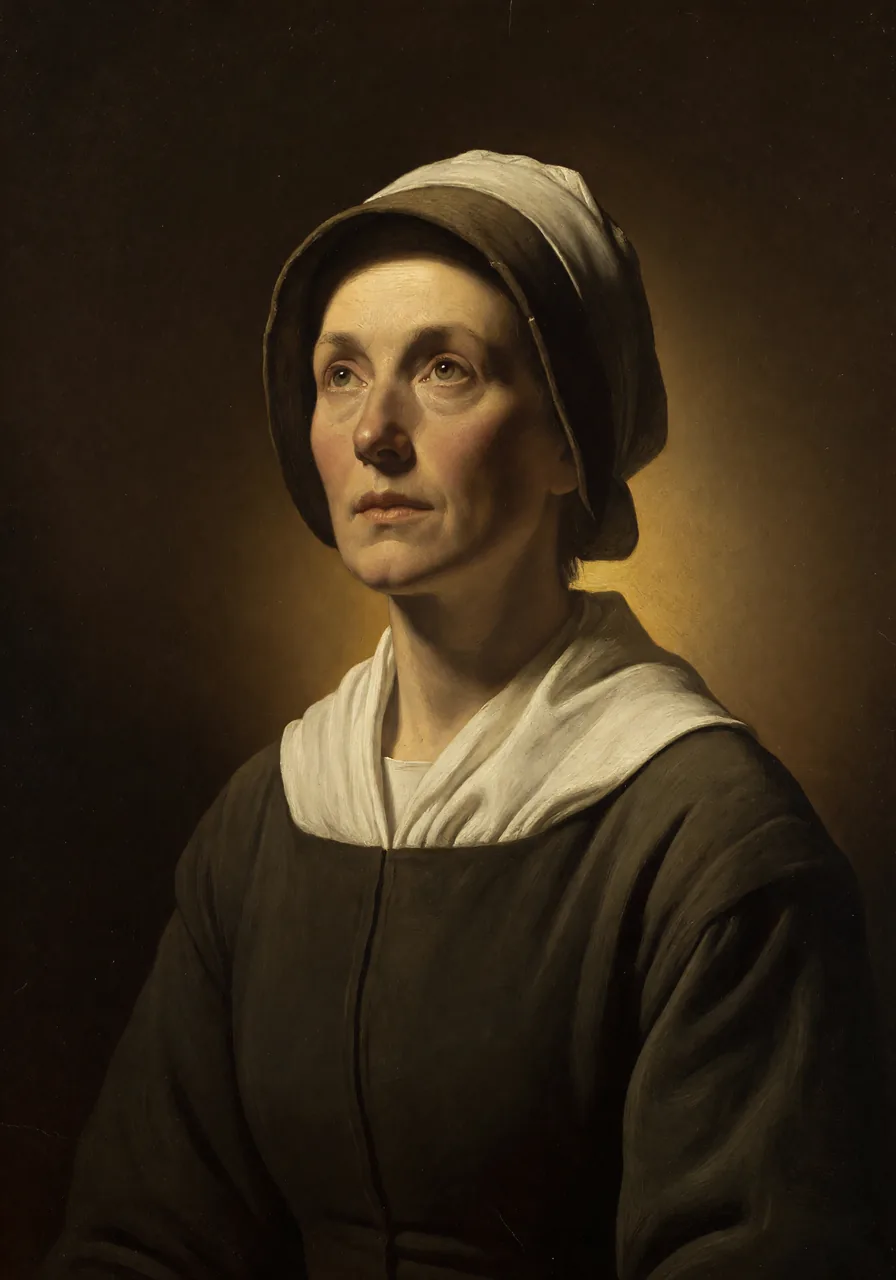
From Indentured Servitude to Powerful Ministry
“Though I was now a stranger in a strange land, the Lord was not a stranger to me.” — Elizabeth Ashbridge
Born Elizabeth Sampson in Middlewich, Cheshire, England. Her father was a ship's surgeon and Anglican churchman. She was raised in the Church of England.
At about twelve, while dancing, she was struck by a sudden spiritual impression that she would one day become a Quaker — a sect she then knew nothing about. The premonition disturbed her and stayed with her for years.
At fourteen, eloped with a young stocking-weaver against her family's wishes. He died within five months, leaving her widowed at fifteen. Her father disowned her for the marriage, a rupture that was never fully healed.
Unable to support herself in England and estranged from her family, she emigrated to New York and was sold as an indentured servant. She served three years under a harsh master, experiencing the full weight of colonial servitude.
After completing her indenture, married a man identified as Sullivan (probably Aaron Ashbridge's predecessor, though sources differ). He was not a Quaker and would prove violently hostile to her growing religious convictions.
Attended services with Baptists, Presbyterians, and Catholics in turn, finding elements of truth in each but no lasting peace. Her husband mocked and abused her for her religious restlessness, especially her attendance at Quaker meetings.
After years of searching, attended a Quaker meeting and was profoundly moved. She described the experience as finally coming home — the silent, expectant worship spoke to her condition as nothing else had. She committed herself to the Society of Friends.
Her husband's hostility escalated to physical abuse. He beat her for attending meetings, threatened her, drank heavily, and at one point broke her fiddle when she was playing psalms. Her autobiography's account of this period is one of the earliest documented narratives of domestic violence in American literature.
Sullivan enlisted in the army, apparently to spite her Quaker peace testimony. He was sent to Cuba during the War of Jenkins' Ear and died there. Ashbridge was freed from the marriage and able to live openly as a Quaker.
Married Aaron Ashbridge, a Quaker from Chester County, Pennsylvania. This marriage was supportive and stable, giving her the freedom and domestic peace to develop her ministry.
Became a recognized minister in Goshen Monthly Meeting, Chester County. She traveled in the ministry throughout the mid-Atlantic colonies, known for her powerful and moving vocal ministry in meetings for worship.
Felt a clear leading to travel in the ministry to Ireland and England — a major undertaking that required the approval of her monthly meeting and a certificate of endorsement. She sailed for Ireland, leaving her husband and home behind.
Died in Carrick-on-Shannon, County Leitrim, Ireland, while on her religious visit. She was forty-two. Her autobiography, covering her life up to her convincement and early ministry, was published posthumously in 1774 and became one of the most widely read Quaker journals.
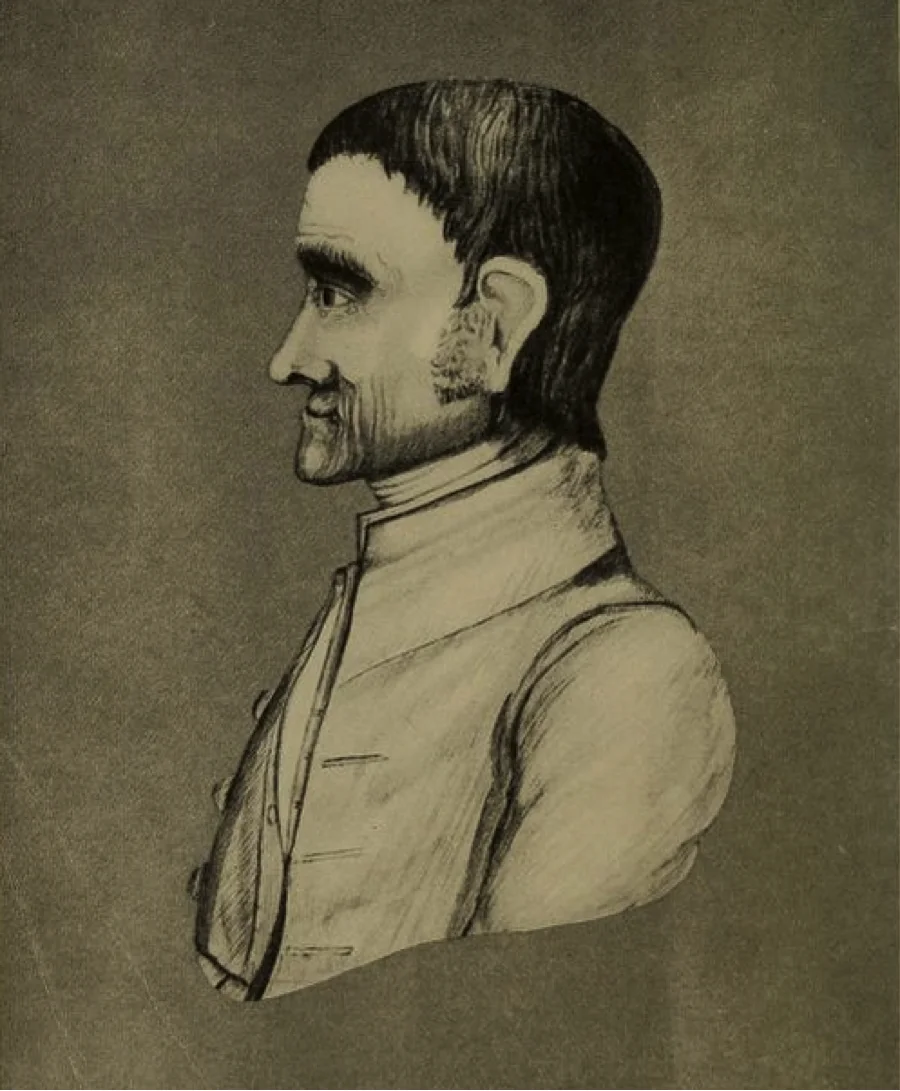
Woolman and Ashbridge were exact contemporaries in the Philadelphia Yearly Meeting — both born in 1713, both recognized ministers, both traveling in the ministry in the 1740s and 1750s. Woolman's Journal and Ashbridge's autobiography together give the fullest picture of mid-eighteenth-century American Quakerism.
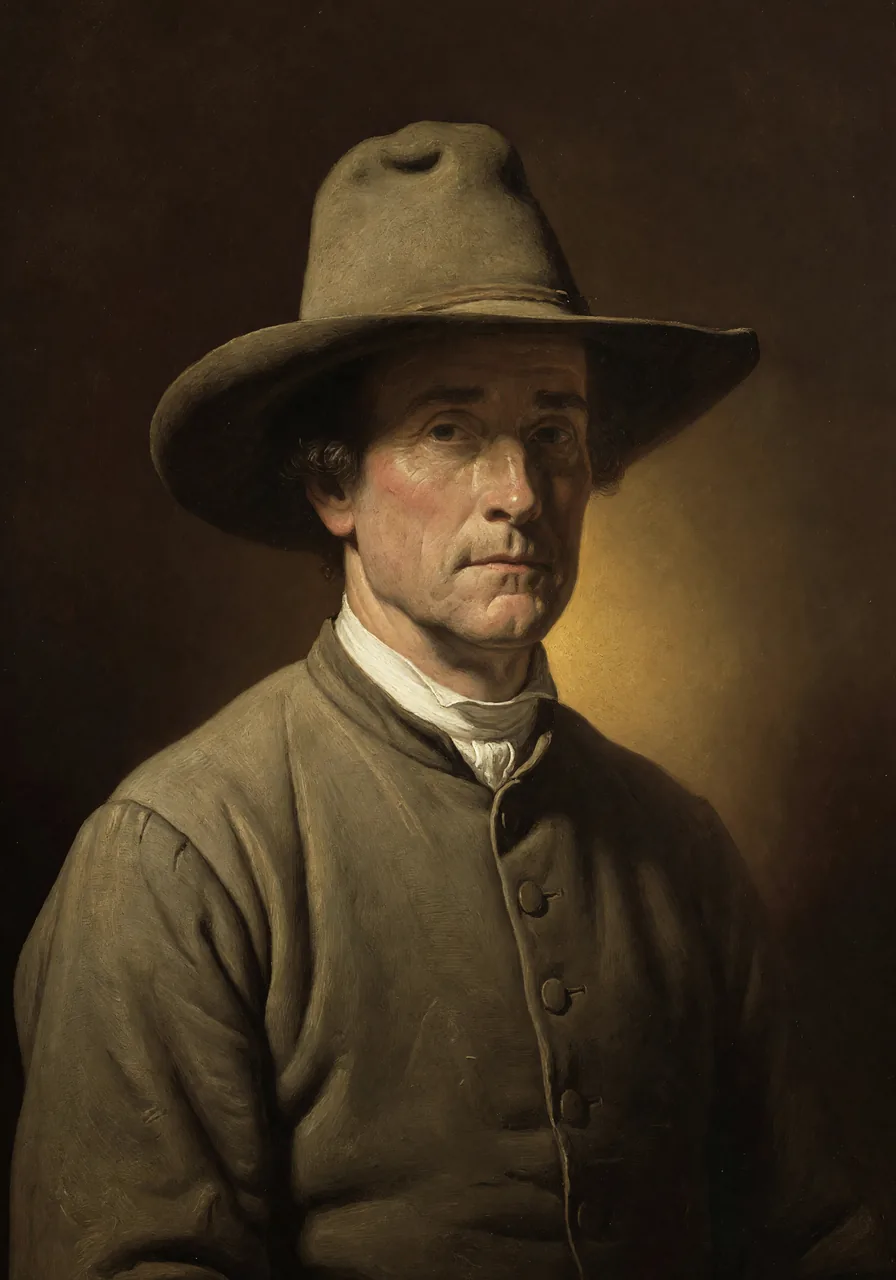
Churchman was a leading minister in the same Chester County Quaker community where Ashbridge lived and worshipped. Both were part of the mid-century reform movement in Philadelphia Yearly Meeting.
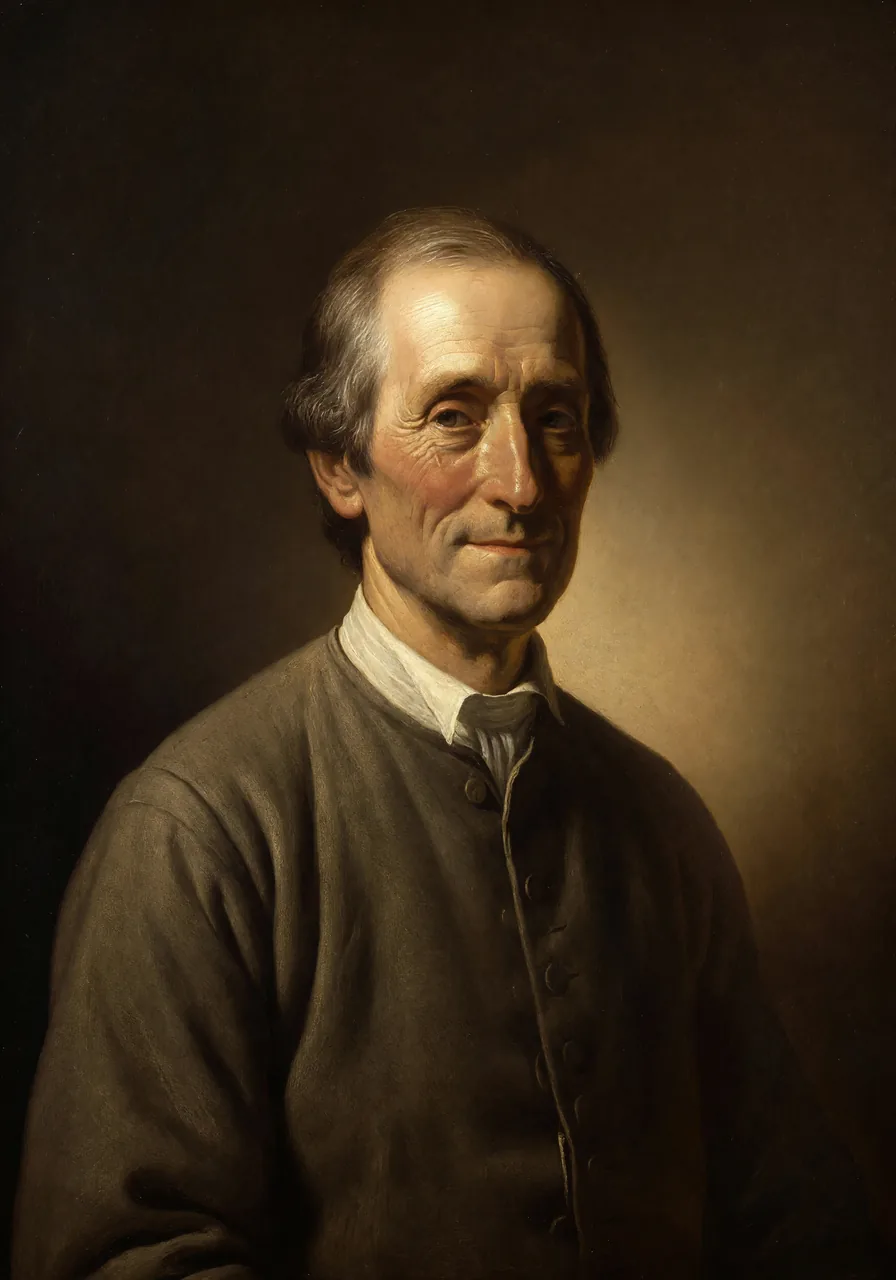
Benezet was active in Philadelphia during the same period as Ashbridge. Both were part of the generation of Friends who reinvigorated the Society's social witness in the 1740s and 1750s.
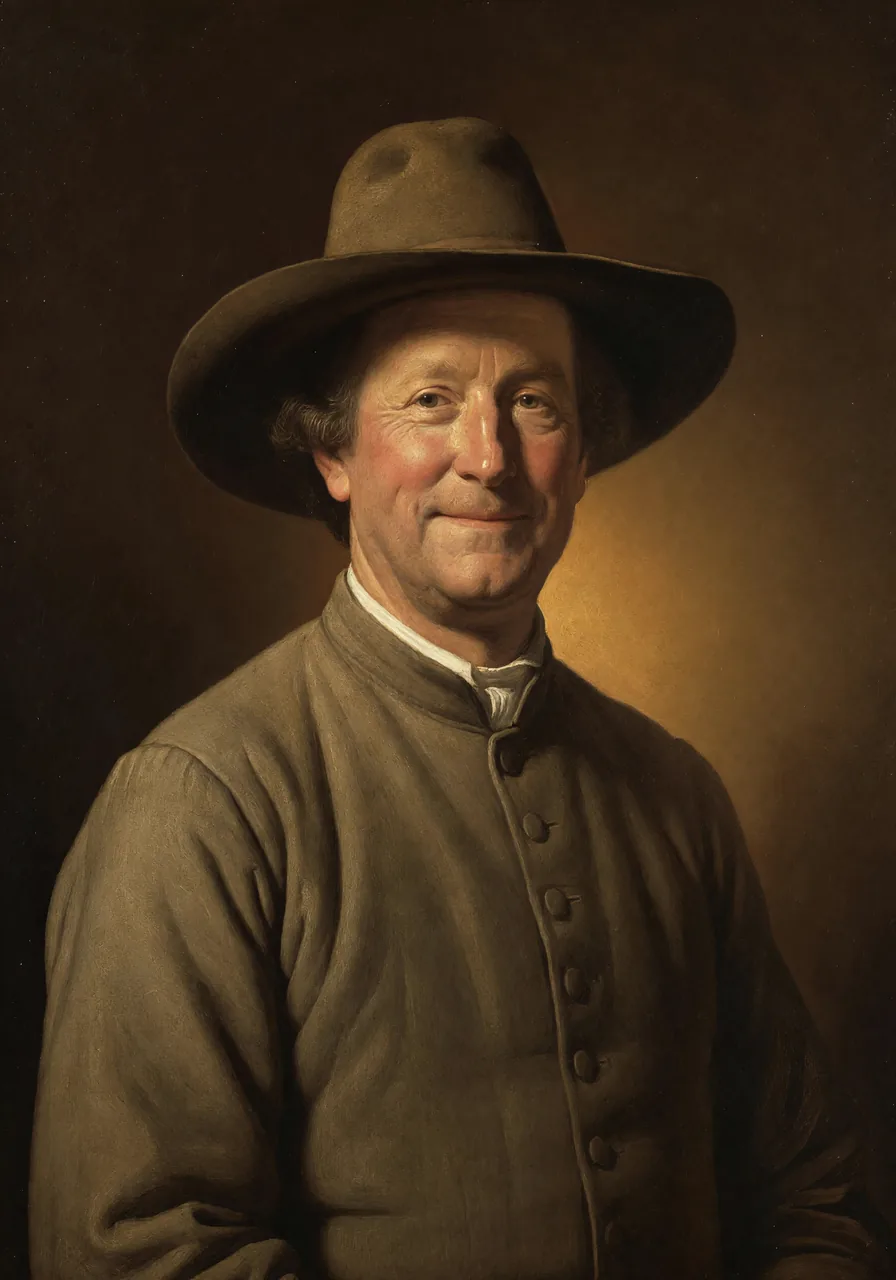
Chalkley was the beloved elder minister in the Philadelphia region in the generation just before Ashbridge. His Journal, with its account of patient endurance through personal tragedy, established the model of the Quaker spiritual autobiography that Ashbridge would follow.
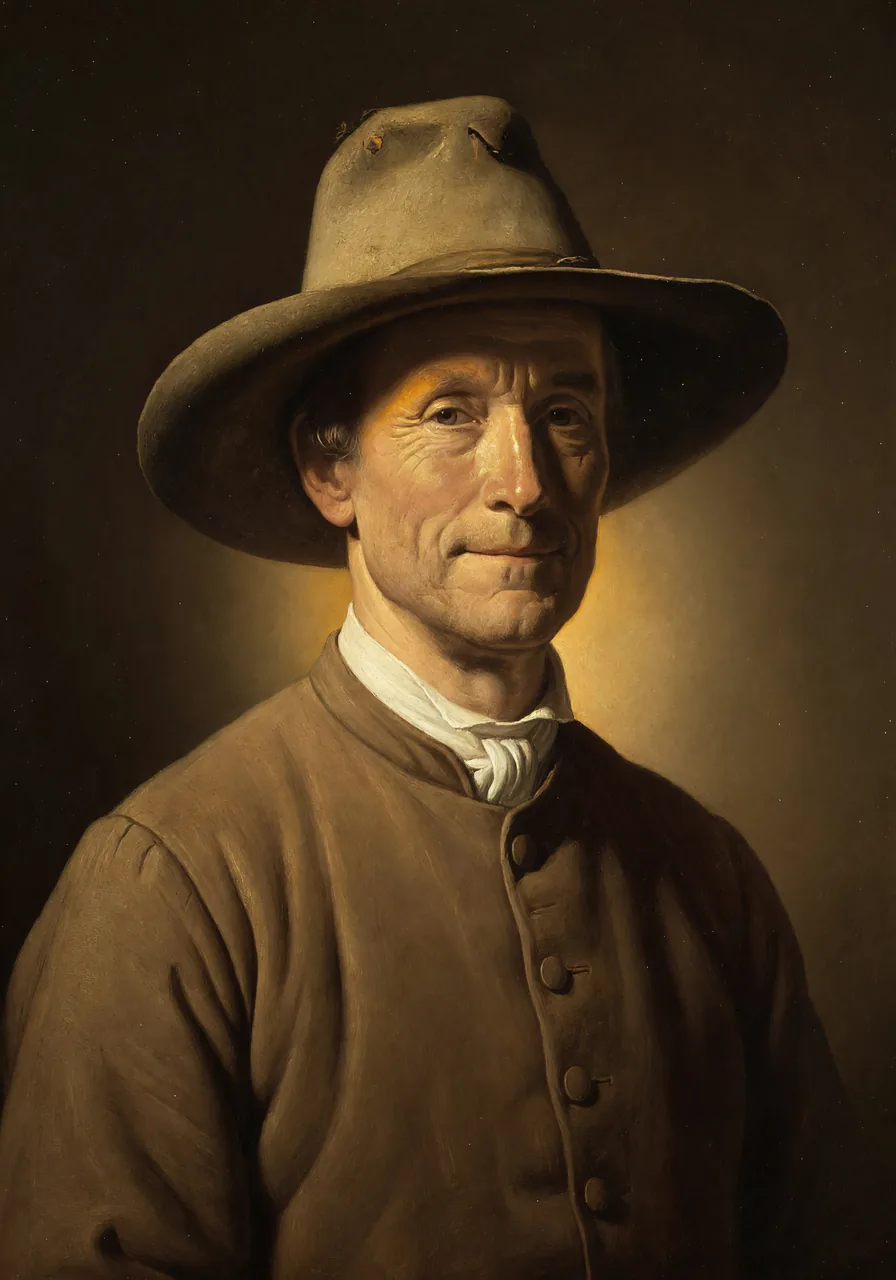
Bownas's Qualifications Necessary to a Gospel Minister, published in 1750, articulated the standards of Quaker ministry that shaped Ashbridge's generation. His own dramatic awakening story parallels hers in its emphasis on unexpected calling.
Her spiritual autobiography, published posthumously in 1774. One of the most vivid conversion narratives in Quaker literature — from elopement and widowhood through indentured servitude, religious searching, domestic abuse, and finally into the peace and power of Quaker ministry. Continuously reprinted and studied for over 250 years.
Surviving correspondence from her years of ministry, including letters written during her final journey to Ireland. These documents preserve the voice of a woman minister in the mid-eighteenth-century Society of Friends.