Born at Skipton
Born 'at Skipton, aforesaid, the 22nd of the tenth month, 1683', the third of five children of John and Elizabeth Hall, both convinced of the Truth in their youth after an upbringing in the Church of England.
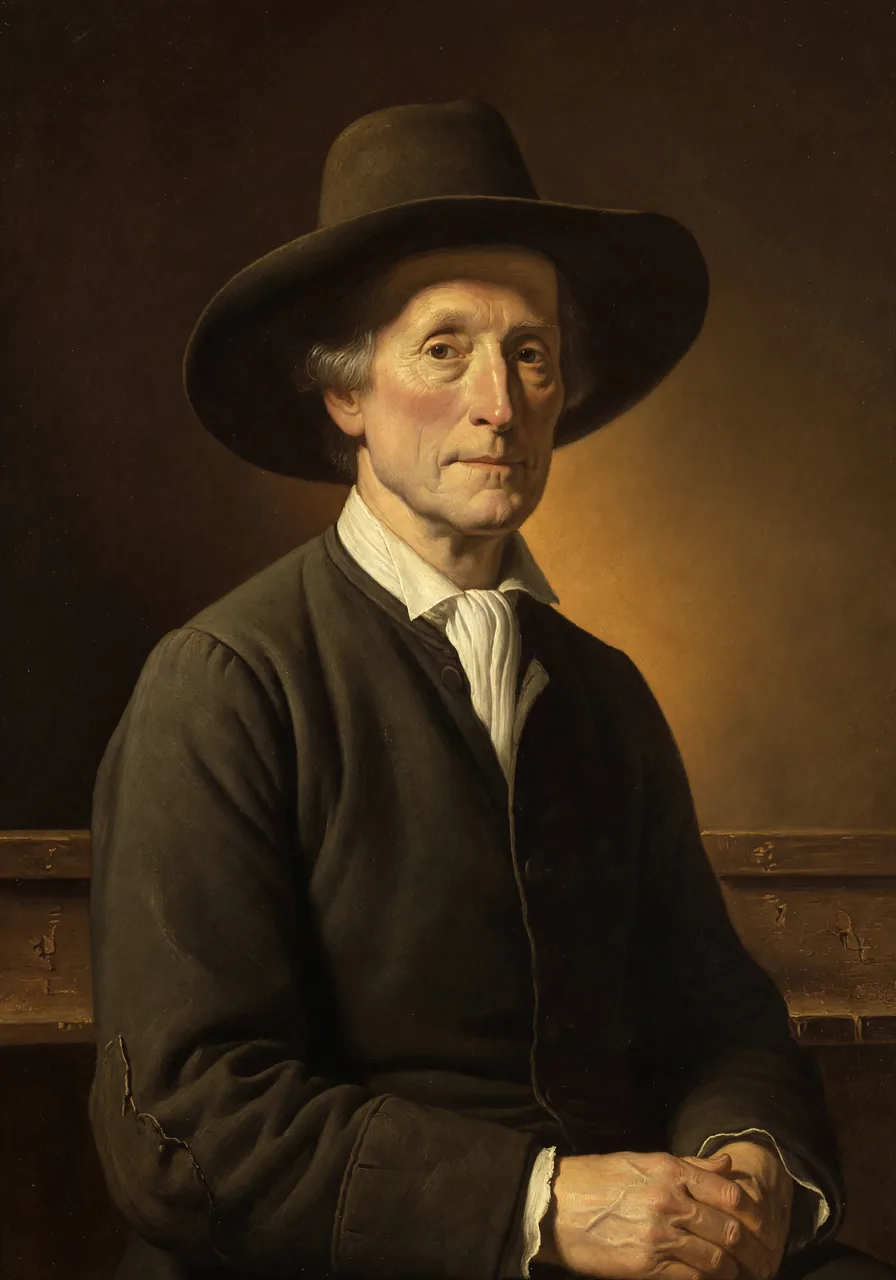
The Quaker's Seminary at Skipton — Fifty Years of Feeding the Lambs
“I loved my good Master, and therefore fed his lambs with pleasure” — David Hall
Born 'at Skipton, aforesaid, the 22nd of the tenth month, 1683', the third of five children of John and Elizabeth Hall, both convinced of the Truth in their youth after an upbringing in the Church of England.
His two sisters died of the small-pox within two days of each other and were buried in one grave on the 23rd of the seventh month 1693; David, in his tenth year and their only surviving child, was given up by most who saw him, and recovered by degrees with a palsy-like disorder that stayed with him for life.
Opened a school of his own in his father's house on the 27th of the tenth month 1703, with sometimes above forty boarders; Roger Milton, priest of Skipton, prosecuted him for several years at the quarter sessions and in the spiritual court for teaching without licence, and cast him into prison, but 'could never obtain his desired ends'.
Gave up to speak in the meeting-house at Rilston on the 20th of the ninth month 1711, at a meeting appointed by Thomas Burton of Norwich; two days later, after his mother knelt to pray for him, he went to the street-door with his hat off and warned the inhabitants of Skipton to repent, and on the 28th walked into the town's dancing-school to bid its master desist.
In the thirty-third year of his age (about 1716) he married Mary Storrs, youngest daughter of William Storrs formerly of Chesterfield, at Todmorden on the edge of Lancashire; she died of her first child. After near nine years of widowhood, in which his father John Hall died, he married Anne Foster of Rilston, by whom he had nine children.
In his fifty-third year, at Anne's request, he resigned the school to his usher George Routh to live more retired; within little more than two months she died, leaving three small children. In the third month 1736 he visited Friends in the east of Yorkshire, the Bishoprick and Northumberland with John Binns.
In the fifty-fourth year of his age he visited the families of his monthly meeting and the meetings of Friends in Scotland, with Jeremy Whalley, and in Ireland, with Thomas Anderson; then went as far as Bristol and Puddimore with George Dawson, returning home about the 16th of the twelfth month 1737.
From the circular yearly meeting at Preston and London Yearly Meeting he went through Surrey, Hampshire, the Isle of Wight, Wiltshire, Dorset, Somerset, Devon and Cornwall with William Gott, and reached Skipton on the 27th of the eighth month 1738. His 'farewell epistle' to Friends is dated from Sutton Benger in Wiltshire on the 12th of the eighth month; the printed text reads 1758, but the journey and the order of the epistles place it in 1738.
Set out in the second month 1739 for Liverpool, Chester Yearly Meeting, all the meetings of Staffordshire, Nottingham, Coventry and Warwick, visited every meeting in London, then Essex, Suffolk, Norfolk and Lincolnshire, returning to Skipton about the 4th of the eighth month.
On the 5th of the third month 1740 he married Deborah, eldest daughter of Daniel Story and widow of Thomas Atkinson of Ashes in Westmorland, at Preston Patrick meeting-house.
Having spent three or four years in visiting Friends, he resumed his former employment of a school-master, with sometimes a dozen boarders, 'desirous not to be much encumbered'. A sore disorder at the end of 1746 left him afterwards mostly confined to Skipton and its neighbouring meetings.
Sent Friends at York Quarterly Meeting on the 25th and 26th of the fourth month 1746 'a caution against drowsiness in meetings of worship'; further epistles followed from Skipton in 1747, to Knaresborough Monthly Meeting in 1752 and 1753 on the education of children and mixed marriages, and to Friends in Great Britain.
Signed his final epistle 'your brother in the unity of the Spirit, and bond of peace, David Hall' at Skipton on the 24th of the fifth month 1755, with a postscript against backbiting and evil surmising. The memoir gives no account of his death.
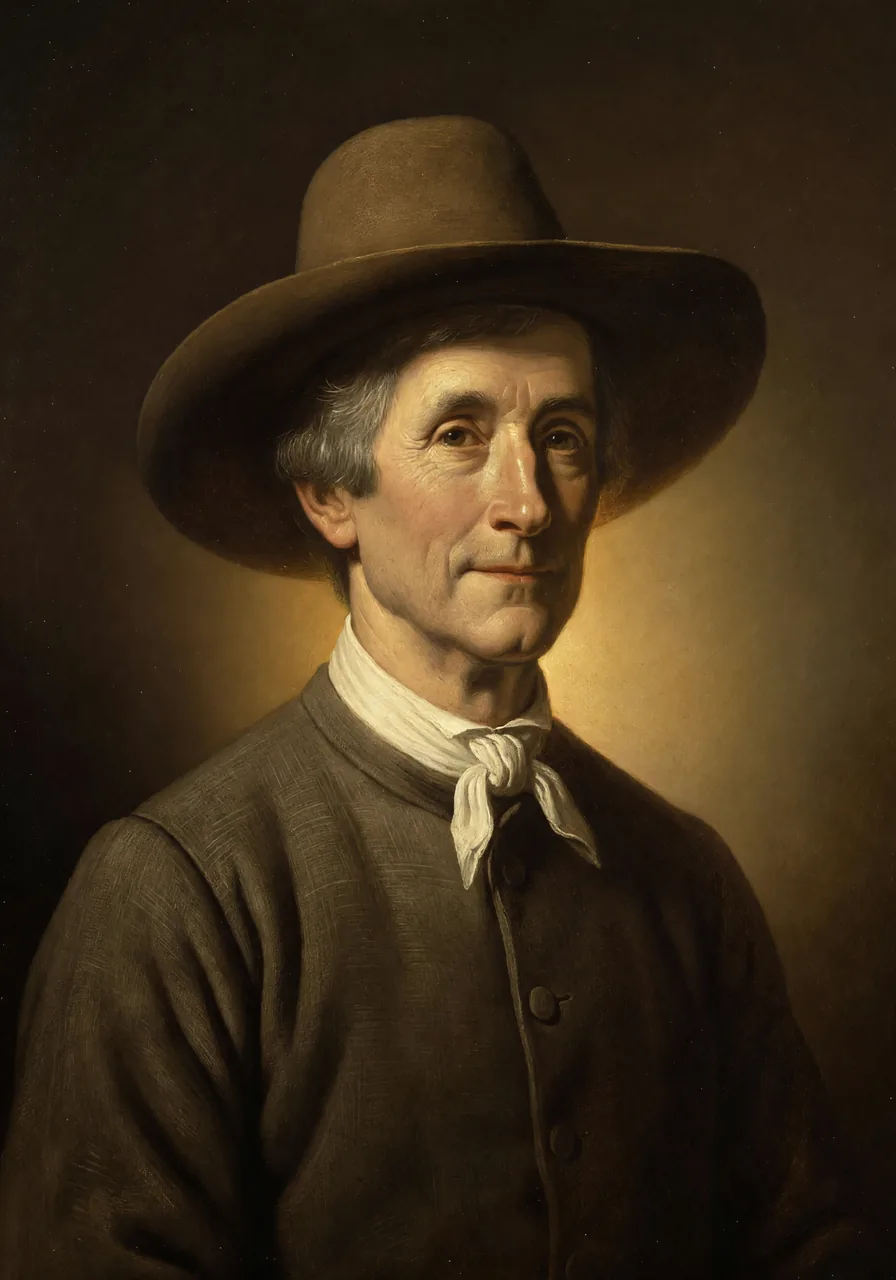
Gough's own memoirs record that in 1727 his father 'agreed with him to take me as usher to his school, desiring no other terms for me but my board', and that Hall 'would not suffer any other' than plain dress 'in his family'; Gough served at Skipton until 1733.
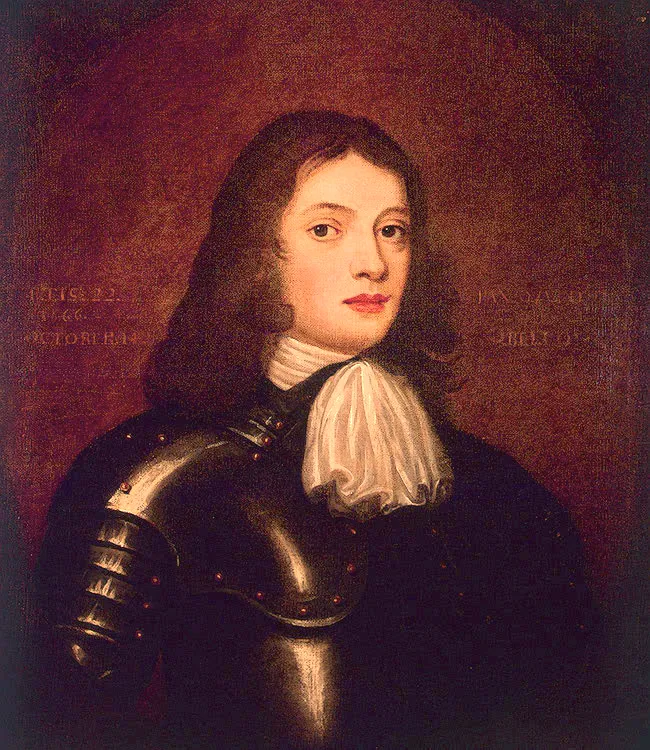
Hall's epistles against extravagant dress quote 'our honourable friend William Penn' in No Cross No Crown and his Reflections and Maxims, and twice press Penn's advice to his children on silence to passion and on the honest treatment of servants.
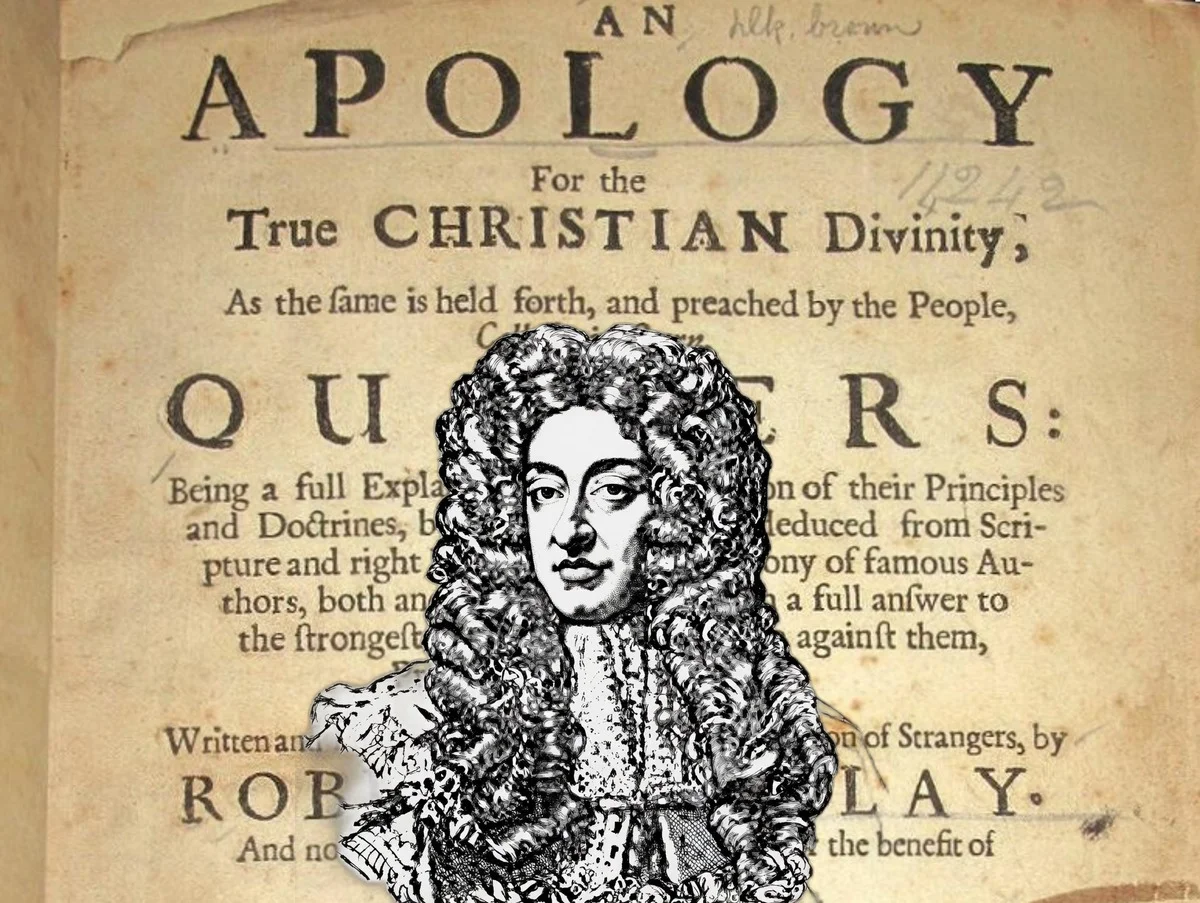
Answering those who doubted that children could profit by religious meetings, Hall asked that 'the words and observations of our worthy Friend Robert Barclay, in his Proposition on Worship' be seriously considered, and quoted them.
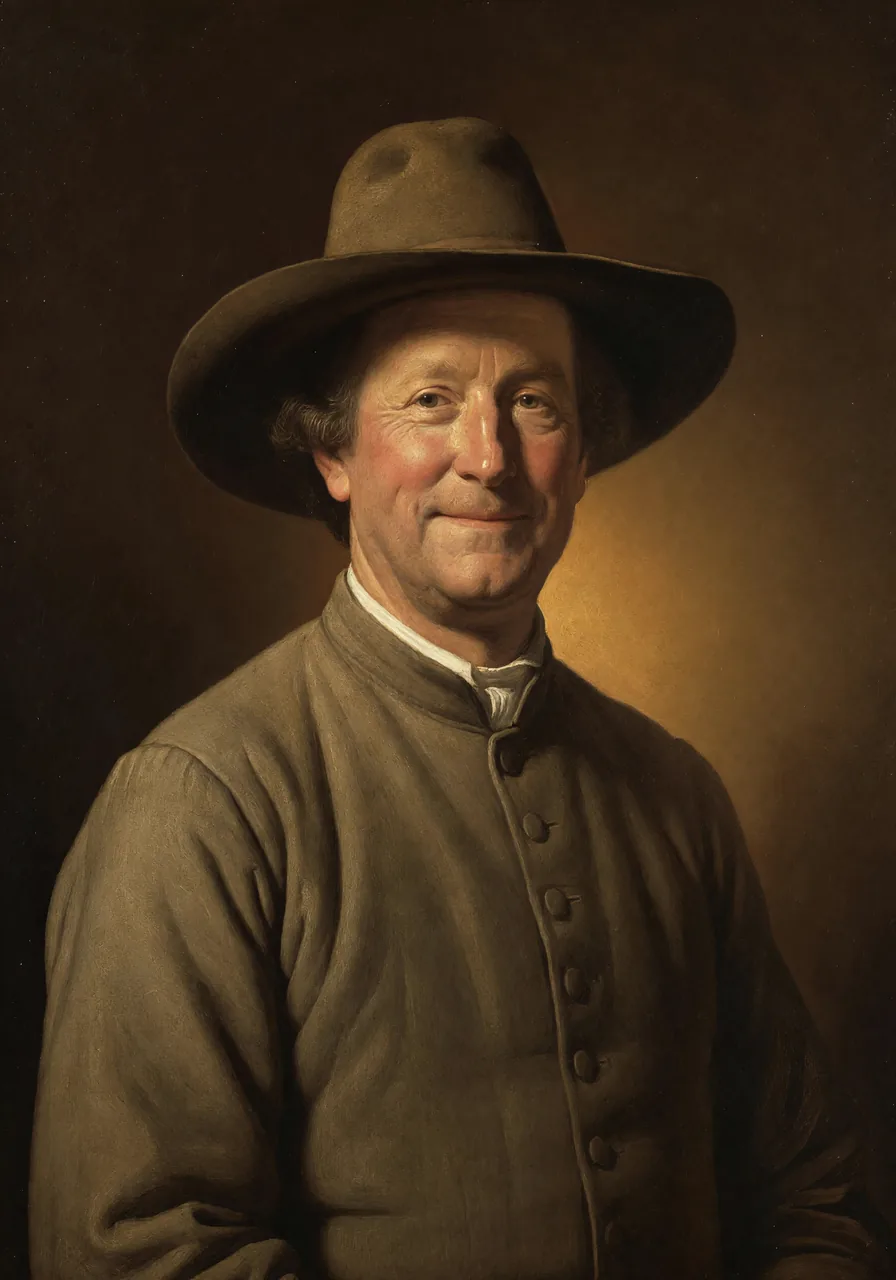
Hall drew repeatedly on 'the journal of our worthy Friend Thomas Chalkley', on bringing children to meetings and educating them young, and on John Pickering, governor of Tortola, who made new forms to seat people at meetings in his own house.
His own 'remarks of the Lord's gracious and gentle dealings with me', written in the seventy-first year of his age in 1753, with 'A brief recital of some of the gracious dealings of the Lord with his servant John Hall, late of Skipton', his father (1637–1719), taken from John's own mouth and manuscript; reprinted in the Friends' Library, volume 13 (1849).
The epistles printed with the memoir: a general farewell epistle from Sutton Benger in Wiltshire, a caution against drowsiness in meetings for York Quarterly Meeting (1746), advices to ministers, parents and children for Knaresborough Monthly Meeting (1752), and later epistles to 1755 on mixed marriages and the education of the young.