Born in Cumberland
Born in the Lake District region of northern England, an area that became an early center of Quaker activity.
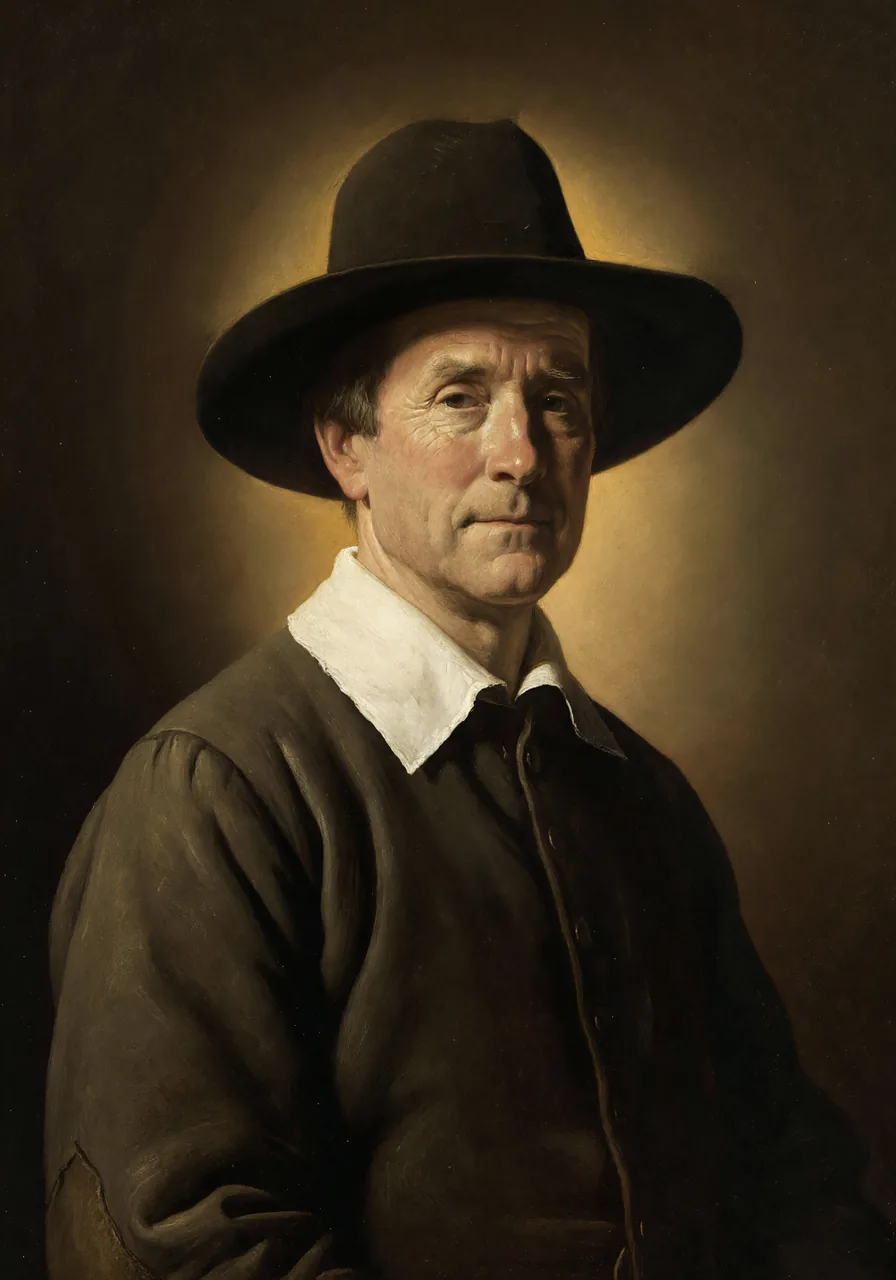
Cumbrian Friend whose brief account preserves a faithful witness
“The Lord graciously visited me with His Light and Truth.” — Christopher Story
Christopher Story represents the faithful, steady witness of ordinary Quakers whose lives sustained the movement through decades of challenge and gradual consolidation. Born in 1648 in Cumberland, he came from the same northern English religious landscape that produced some of the most powerful early Quaker voices. The Lake District, with its tradition of Seeker communities and spiritual independence from the established church, became one of the earliest and strongest centers of Quakerism.
Story’s convincement came during the movement’s first generation, when the initial preaching of George Fox and the Valiant Sixty was transforming communities across northern England. Unlike some of his more famous contemporaries who became traveling ministers, Story appears to have remained within his local community, living out the Quaker testimony in the daily fabric of Cumbrian life. This quieter pattern of faithfulness was actually typical of most early Quakers—the tens of thousands who supported the movement through their consistent witness at home while a smaller number of ministers carried the message abroad.
The region where Story lived was not easy for Quakers. Cumberland saw its share of persecution, with Quakers facing fines, imprisonment, and social ostracism for their refusal to attend parish church, pay tithes, or swear oaths. Story’s life spanned the difficult decades following the Restoration, when the relative tolerance of the Cromwellian period gave way to renewed persecution under Charles II and James II. The 1660s and 1670s in particular were dangerous years for Quakers, with the Quaker Act of 1662 and subsequent legislation making it illegal for five or more Quakers to gather for worship.
Yet Story persevered. His memoir, published posthumously in 1726, reflects the characteristic Quaker pattern of testimonial writing—an account intended not merely as autobiography but as a testimony to God’s faithfulness. The phrase that survived from his account, that “the Lord graciously visited me with His Light and Truth,” echoes the universal experience of Quaker convincement while being deeply personal. The metaphors of light and truth run through Quaker writings from the earliest period, reflecting the movement’s central conviction about the accessibility of direct divine guidance.
Story’s life also illustrates the generational transition in Quakerism. Born just four years before the movement’s outbreak, he lived through its most turbulent early decades and into its consolidation as a more established religious community. By the time of his death in 1720, Quakers in many parts of England had achieved a measure of social acceptance, though legal disabilities remained. His experience connects the founding generation, represented by figures like Edward Burrough and Francis Howgill, with the quieter, more settled Quakerism of the eighteenth century.
Though his Account is modest in length compared to major Quaker journals, it contributes to the rich tapestry of early Quaker life-writing that makes understanding the movement possible. Each of these testimonies adds its unique perspective: some show the public ministry and persecution, others show the domestic trials and small daily sacrifices, still others show the wrestling with questions of meaning and obedience. Story’s account preserves something of how ordinary Quakers lived their faith in a particular time and place, adding the distinctive voice of Cumberland to the chorus of early witnesses.
Born in the Lake District region of northern England, an area that became an early center of Quaker activity.
Like many in Cumberland, Story was convinced by the preaching of early Quaker missionaries in the north of England.
Lived as a faithful member of the Quaker community in Cumberland through decades of persecution and gradual social acceptance.
His memoir was published posthumously, preserving his testimony for future generations.
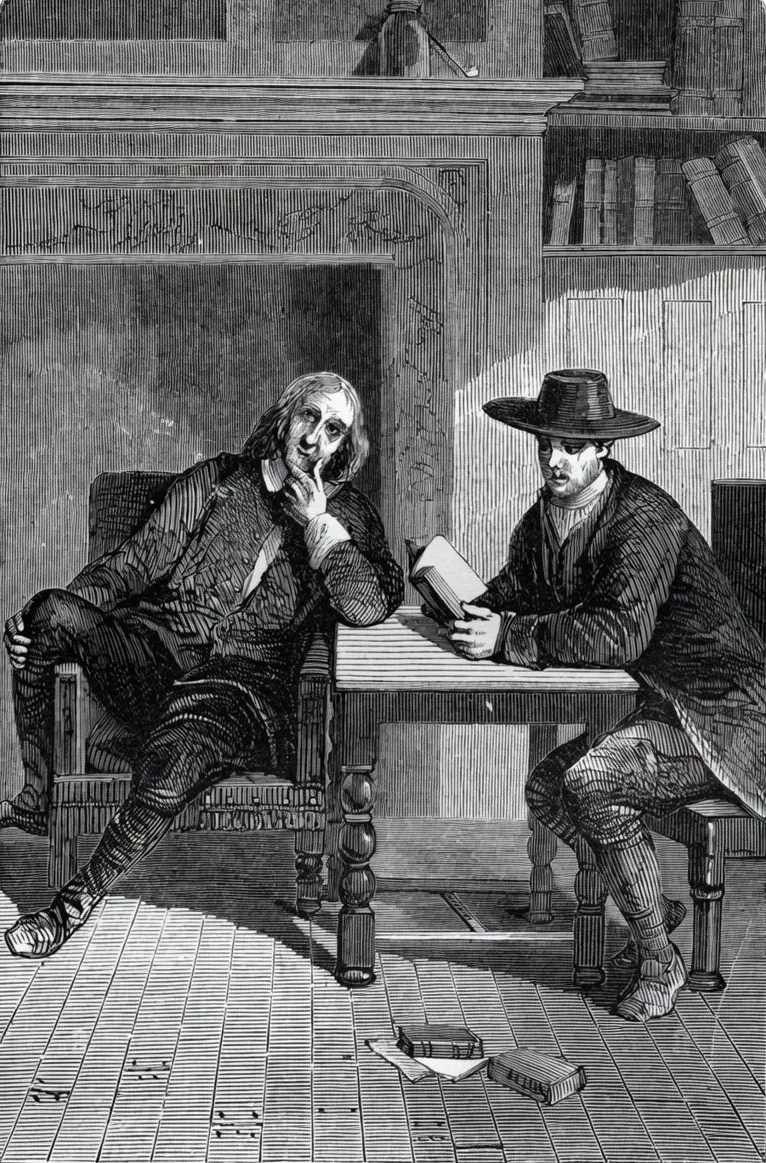
Both came from the Quaker community in the Lake District; Story's later life reflects the maturation of the work that Burrough helped establish.
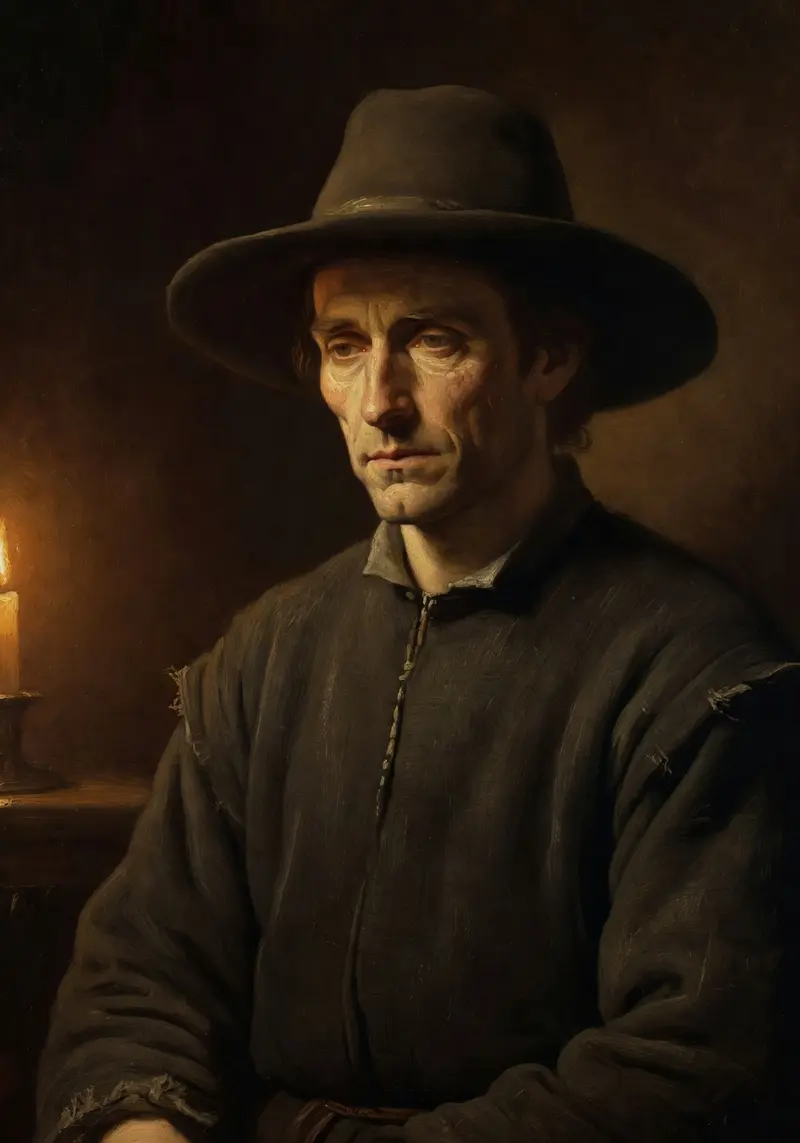
Howgill's influence in the Lake District prepared the ground for later Friends like Story who sustained the community through the next generation.
Published in 1726, this posthumous memoir preserves the testimony of a Cumbrian Friend, providing a glimpse into Quaker life in northern England through the late seventeenth and early eighteenth centuries.