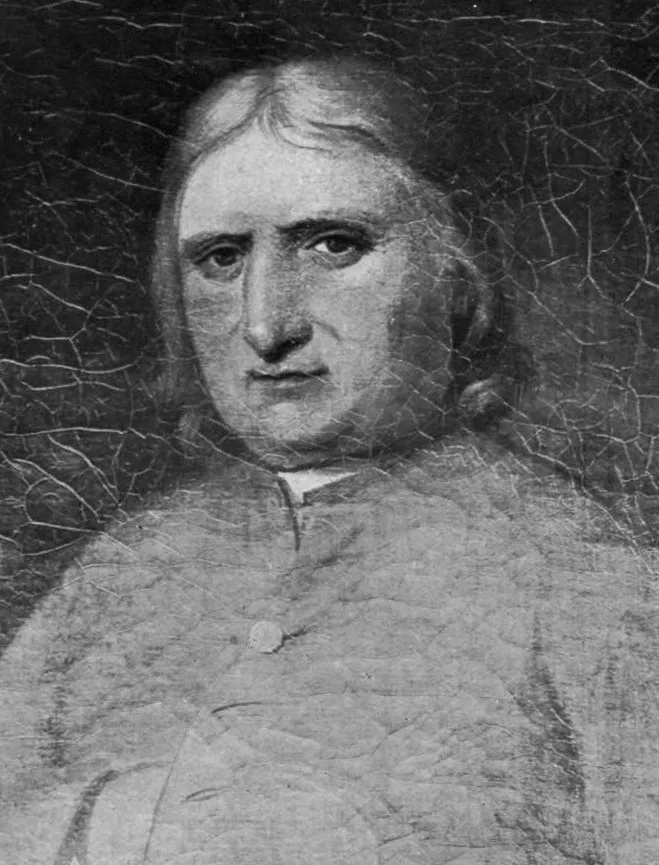
Born in Bristol
Born into a Bristol family. Trained as a physician and apothecary.
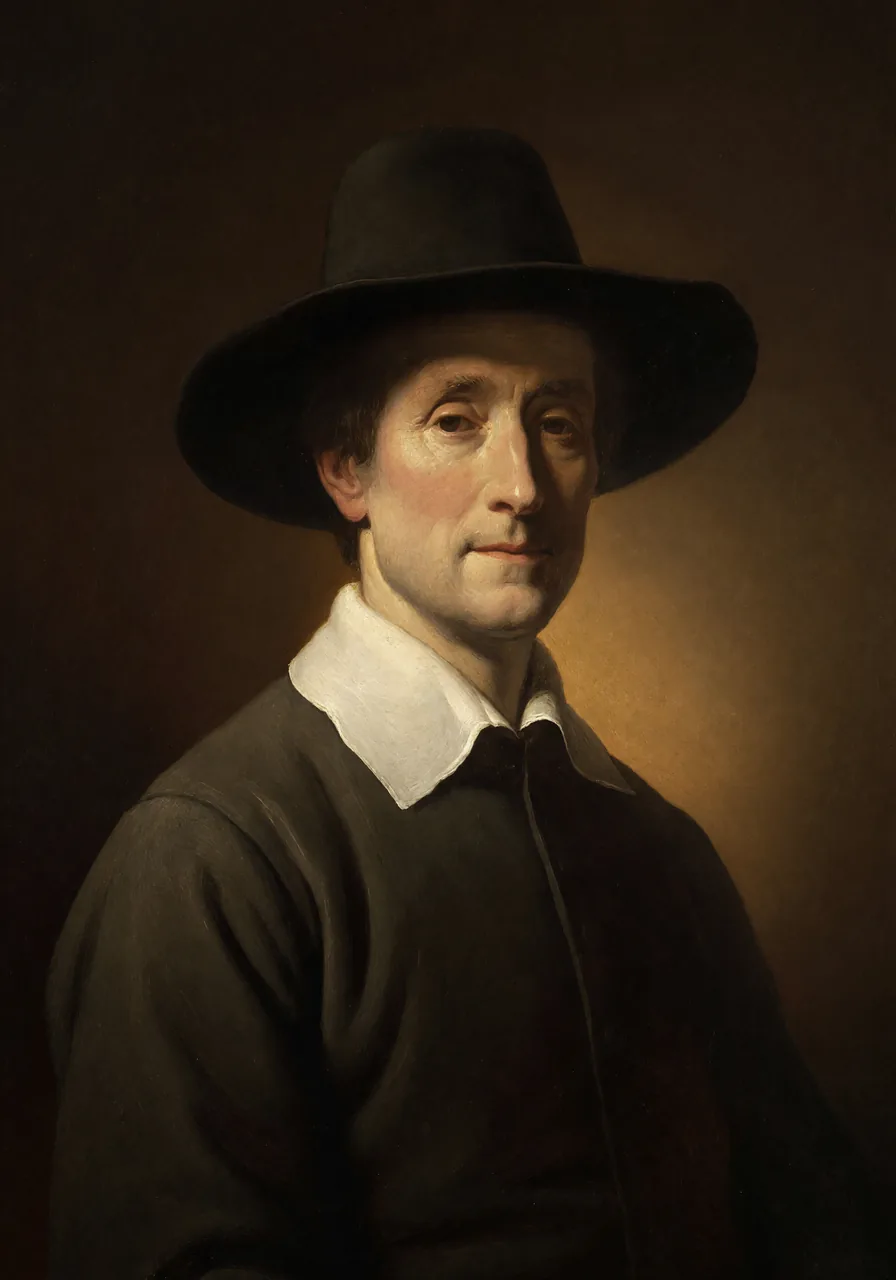
Healer of Body and Soul
“Stand still in the light, and submit to it, and the other will be hushed and gone.” — Charles Marshall
Charles Marshall was born at Bristol in 1637 and trained as a physician and apothecary — a trade he never abandoned, and which gives his writing its particular character. He was convinced as a very young man, in 1654, when John Audland and John Camm brought the Quaker message to Bristol and drew the enormous crowds that made the city one of the movement’s early strongholds. He married Hannah, daughter of Edward Prince, an ironmonger of Bristol, on 6 May 1662. She became as committed a Friend as her husband, and in 1664 the two of them were imprisoned together for attending meetings.
About 1668 Marshall settled at Tytherton in Wiltshire. Around 1681 he published a plain account of the nature, uses, and doses of the medicines he relied on — a working physician’s handbook, not a devotional book at all, and a useful reminder that the man who wrote some of the warmest spiritual counsel in Quaker literature spent his days measuring remedies.
He began to preach in 1670, and the pace he then set is difficult to credit. Between September 1670 and October 1672 he held four hundred meetings, returning home only twice in the whole period — once when he himself lay ill and his life was despaired of for two months, and once when a favourite child died. In August 1670, while at prayer in a meeting at Claverham in Somerset, he was dragged bodily through the gallery rail by the justices and badly injured. He was fined two pounds a month for staying away from his parish church, and lost a great deal of property to distraint for tithes.
Back in Bristol he threw himself into the effort to hold the Society together against the separation led by John Story and John Wilkinson, who denounced the new structures of church discipline as mere “forms and idols”. Marshall stood with Fox in that controversy, taking part in the great Bristol meeting of 1677 held at the house of the separatist Rogers. In 1682 the vicar of Tytherton prosecuted him and he was committed to the Fleet prison in London, where he spent two years and wrote A Tender Visitation in the Love of God to the towns and villages he could no longer reach in person.
After his release he settled at Winchester and then in London and carried on. His last journey was to Bristol at the beginning of 1698; he fell ill on the way back, was carried to the house of John Podley in Southwark, and died there of consumption on 15 November 1698. He was buried at Bunhill Fields.
His collected writings, gathered under the title Sion’s Travellers Comforted, and the Disobedient Warned, were published posthumously in 1704 and reprinted for well over a century. They are addressed to a specific reader: the Friend who has known the reality of the inward life and has now lost the sense of it, and who is sitting in what Marshall calls darkness. His counsel to such a reader is the sentence for which he is still quoted — “Stand still in the light, and submit to it, and the other will be hushed and gone.” That combination of an apothecary’s practicality with a mystic’s patience is what has kept him in print. Friends Illuminated has his work in the research queue; it is not yet in production.
Biographical detail on this page follows Charlotte Fell Smith’s article on Charles Marshall in the Dictionary of National Biography (vol. 36, 1893), with the Bristol convincement and the Story–Wilkinson controversy corroborated in Sewel’s History*.*
Born into a Bristol family. Trained as a physician and apothecary.
Heard John Audland and John Camm preaching in Bristol and was immediately convinced.
Combined a medical practice with traveling ministry across the west of England.
Published a plain account of the nature, uses, and doses of the medicines he relied on in practice.
Prosecuted for tithes by Townshend, vicar of Tytherton, and committed to the Fleet prison, where he remained two years and wrote 'A Tender Visitation in the Love of God'.
His last journey was to Bristol. He fell ill on the return, was carried to a friend's house in Southwark, and died of consumption on 15 November. He was buried at Bunhill Fields.
A warm and practical devotional guide for Friends experiencing spiritual difficulty.
An autobiography combining accounts of medical practice and spiritual ministry.