Born in Dudley, Worcestershire
Born into a Quaker family in Dudley, in the English Midlands. She showed early spiritual sensitivity and a gift for spoken ministry.
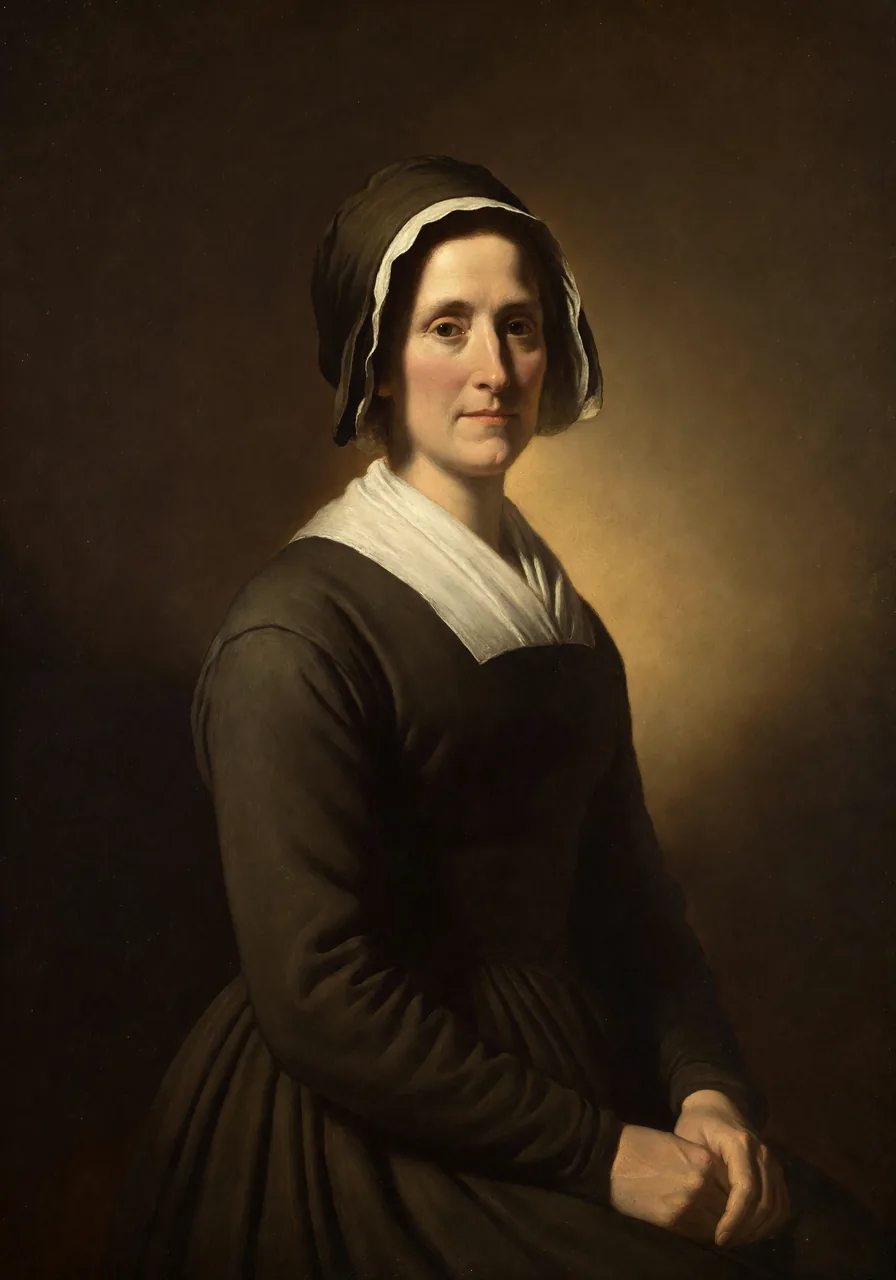
One of the foremost women ministers of eighteenth-century Quakerism
“The Spirit of Truth is not confined to age or sex, but breathes where it listeth.” — Catherine Payton Phillips
Born into a Quaker family in Dudley, in the English Midlands. She showed early spiritual sensitivity and a gift for spoken ministry.
Recognized as a minister by her monthly meeting at a young age, quickly becoming known for the power and clarity of her spoken ministry.
Undertook her first major journey in ministry, traveling through Ireland with fellow minister Mary Peisley. The two women made a powerful impression on Irish Friends.
Traveled to the American colonies on an extended ministerial visit, attending yearly meetings and visiting Friends from New England to the southern colonies during a pivotal period of Quaker reform.
Present at Philadelphia Yearly Meeting during the period when Friends were grappling with the peace testimony, slavery, and worldliness — the reform movement that produced Woolman and Benezet.
At age forty-five, married William Phillips, a Quaker merchant of Redruth, Cornwall. She continued her ministry after marriage.
Published a remarkable pamphlet on the economic causes of poverty, addressing the hardship of the poor with practical economic analysis — unusual for a Quaker minister of either sex.
Died at Redruth, Cornwall, at age sixty-seven. Her Memoirs of the Life of Catherine Phillips was published posthumously in 1797.
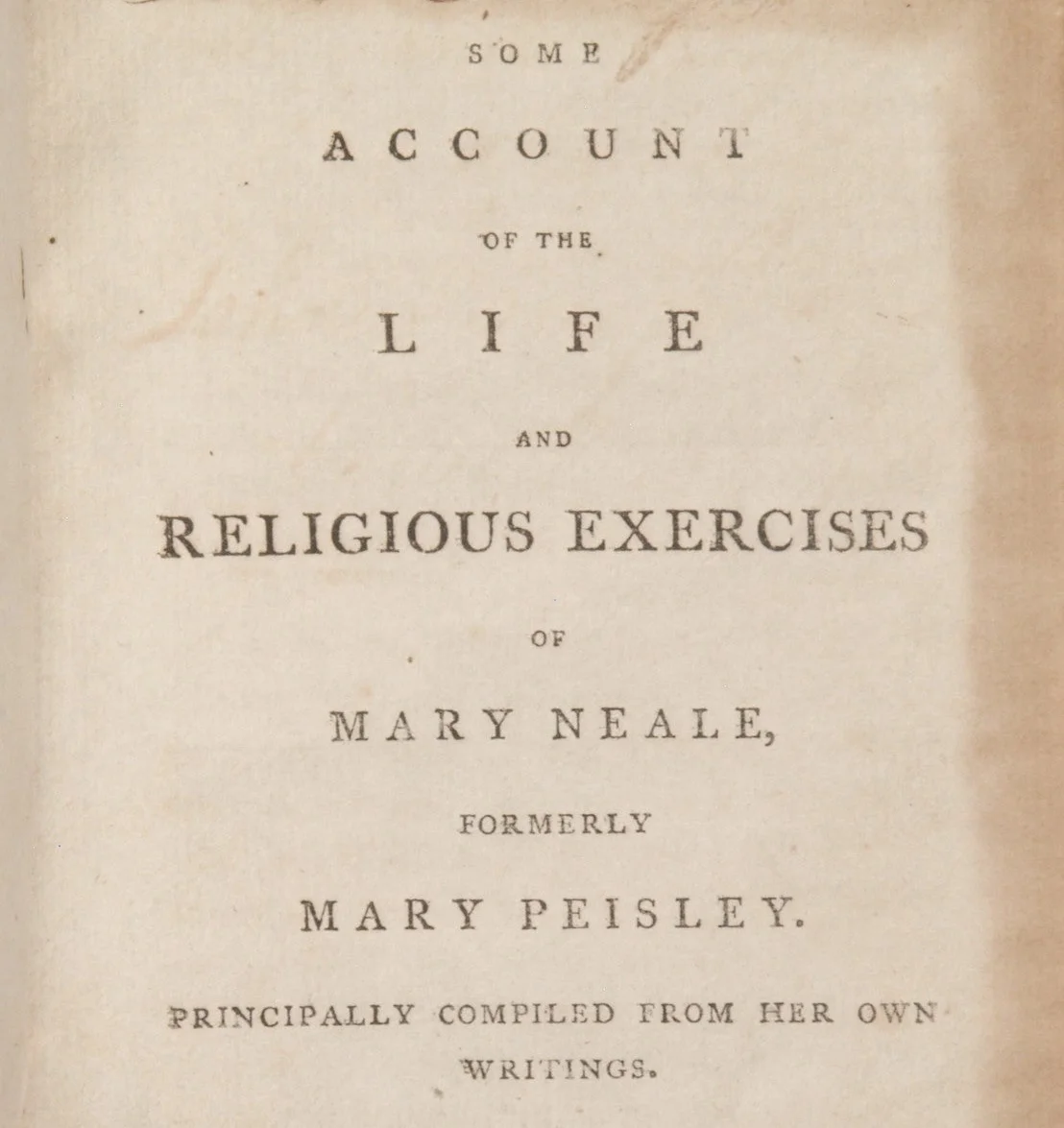
Peisley was Phillips's closest ministerial companion. The two traveled together in Ireland and shared a deep spiritual friendship until Peisley's early death in 1757.
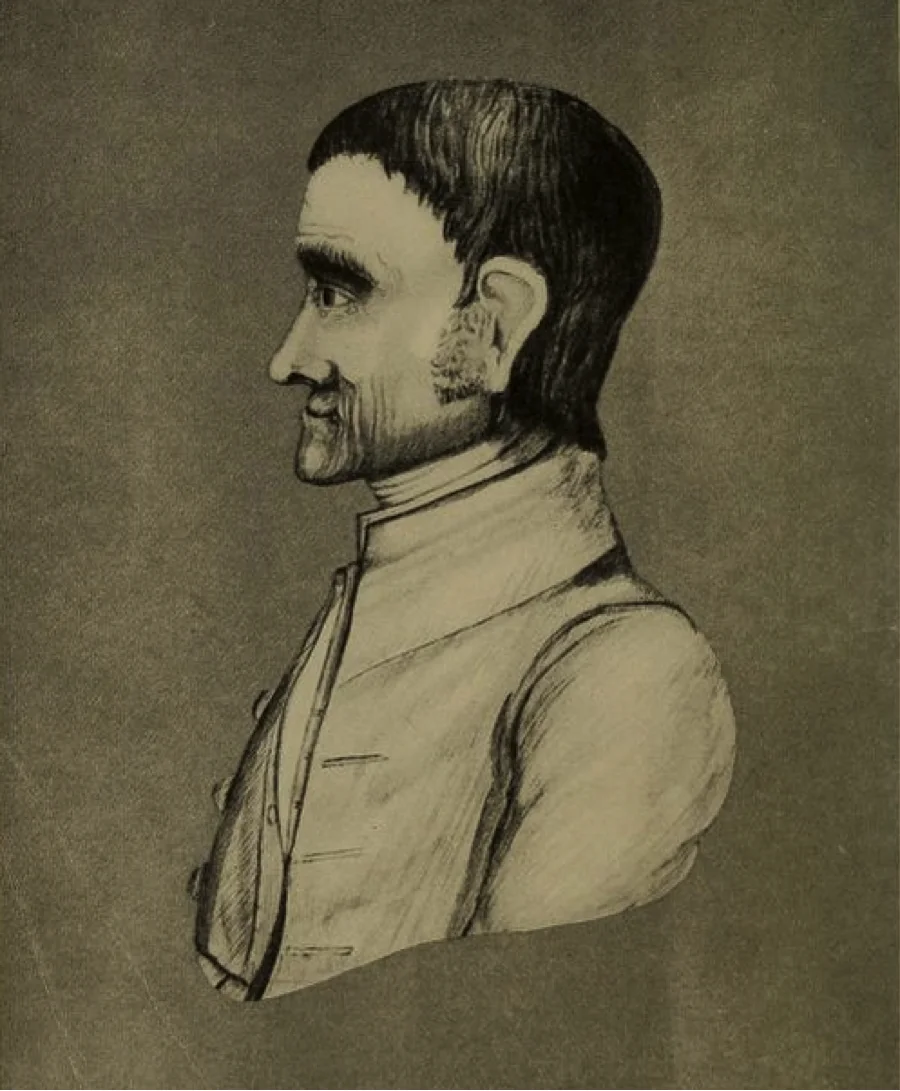
Phillips was in America during the same period as Woolman's early antislavery ministry. Both were part of the broader reform movement transforming American Quakerism.
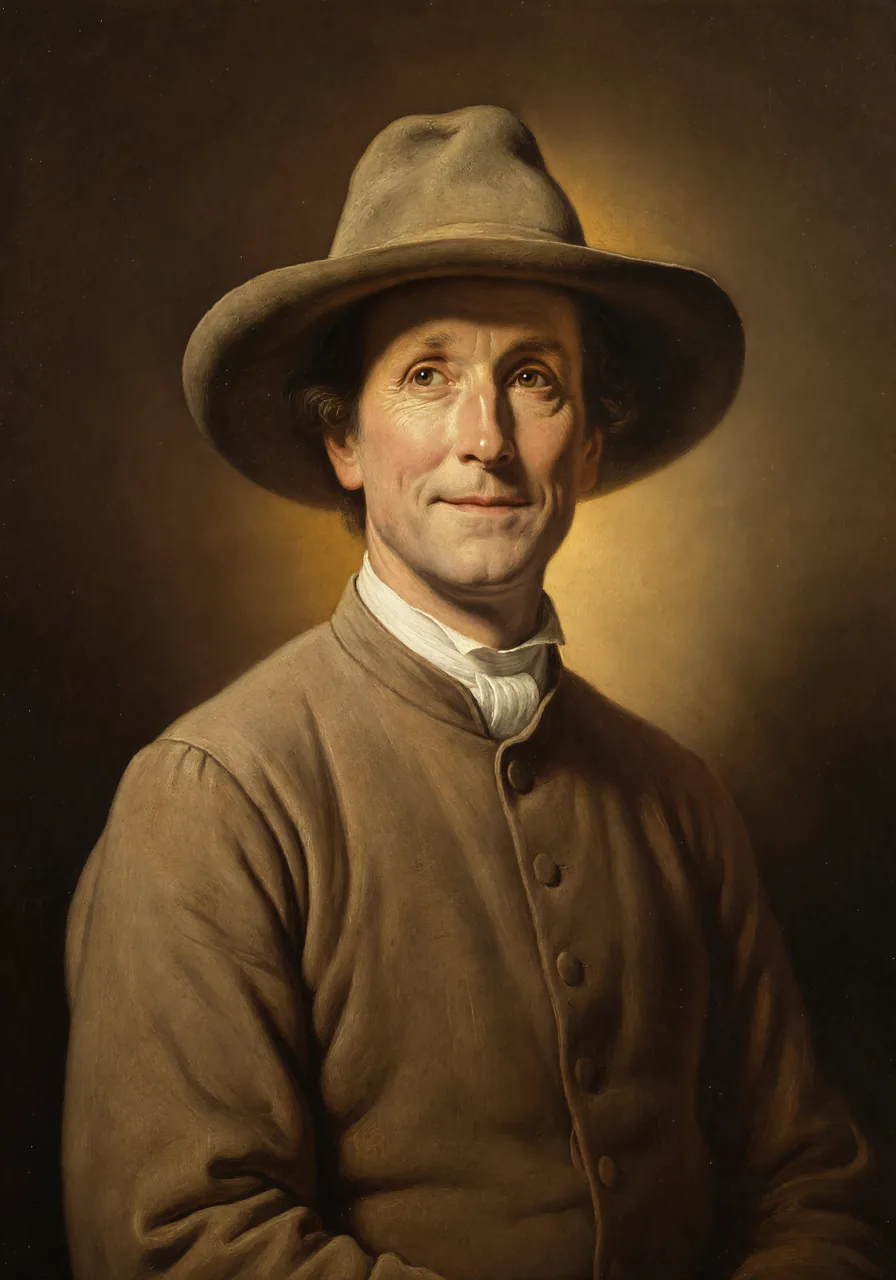
Fothergill and Phillips were contemporaries in the English ministry, both traveling to America in the 1750s. They shared the same concern for spiritual renewal among Friends.
Published posthumously in 1797, this memoir records her extensive travels in ministry across England, Ireland, and America, preserving the voice of one of the most important Quaker women of the eighteenth century.
Published in 1792, this pamphlet addresses the economic hardship of the poor with unusual clarity, demonstrating Phillips's range as a writer far beyond conventional devotional literature.
An epistolary work addressing the theological and practical boundaries of Quaker fellowship, reflecting Phillips's deep commitment to the original principles of Friends.